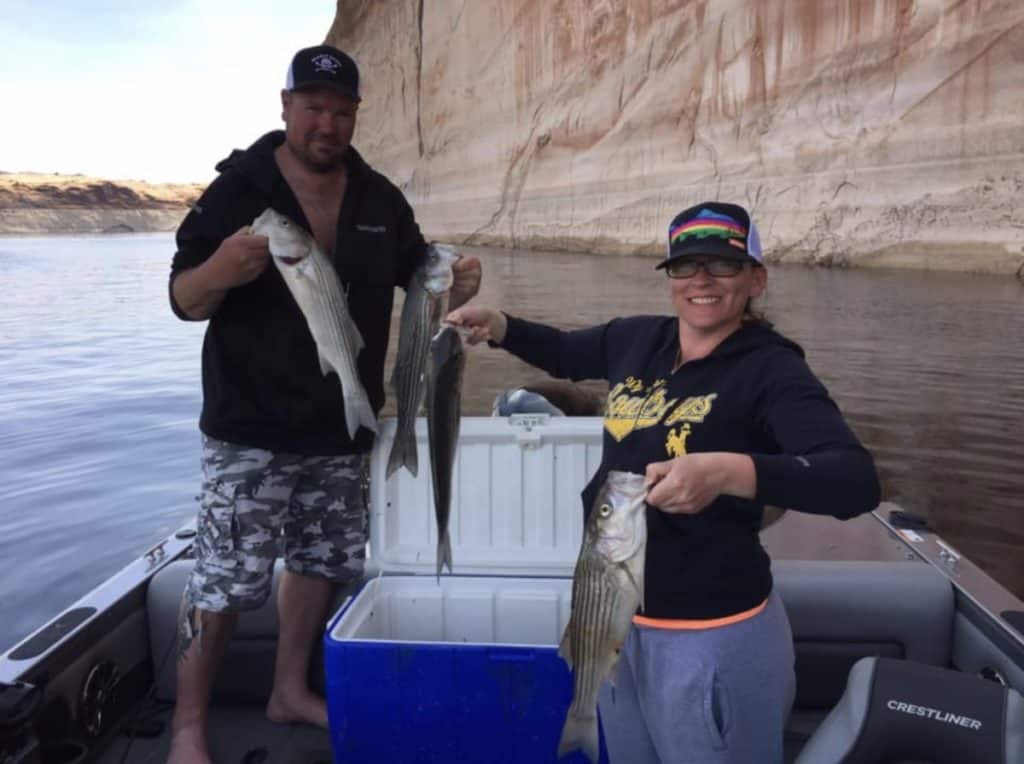
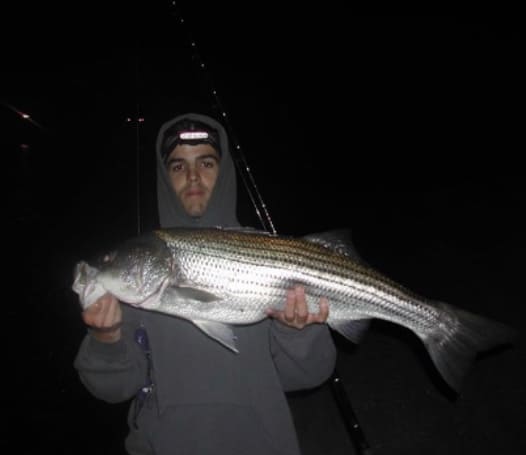
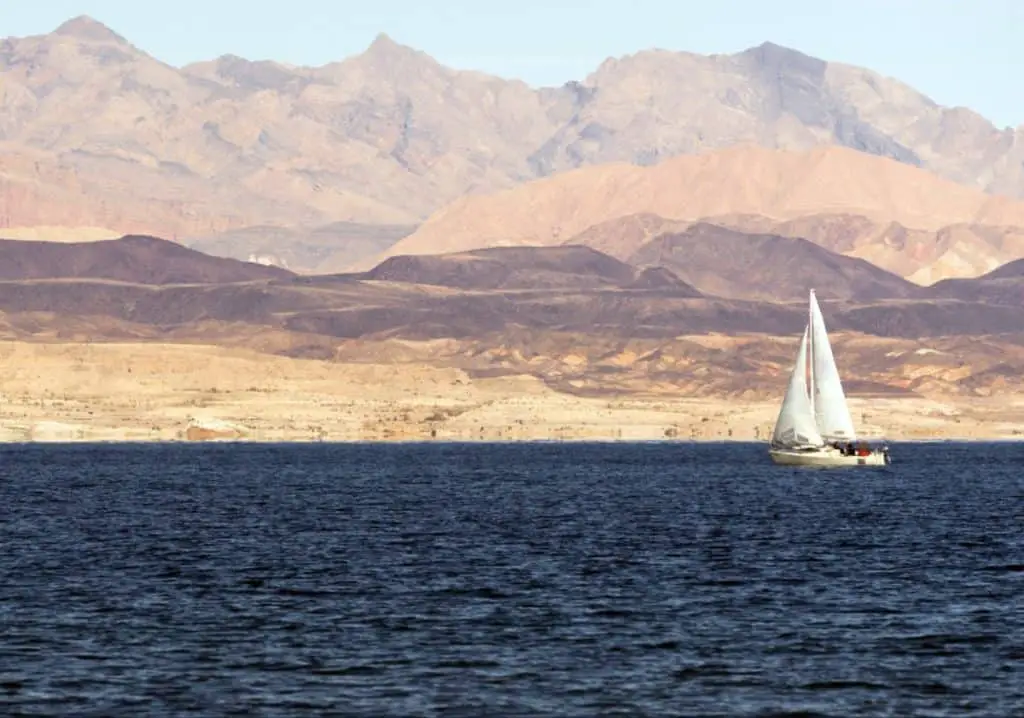
There are many techniques/methods for catching the feisty striped bass;
1. fly fishing
2. from the shore
3. trolling
4. fishing at night
You also have to take into consideration the area you are going to be fishing, the weather, the bait and lures used and their habitat in your favorite fishing spot. If you fish on a river, then some of the methods above may be better than fishing at the lake.
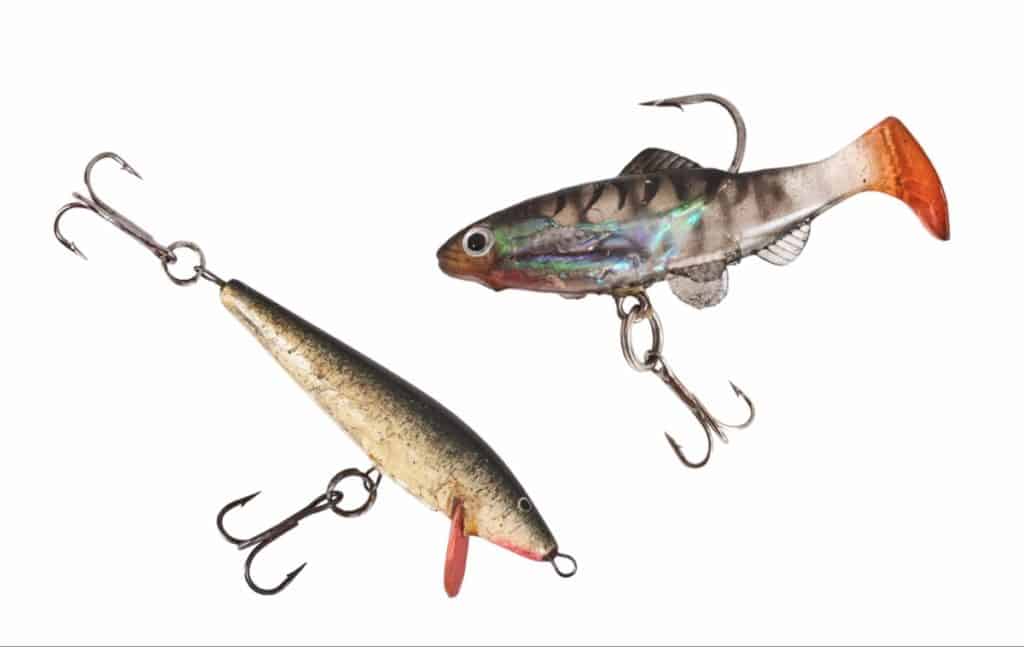
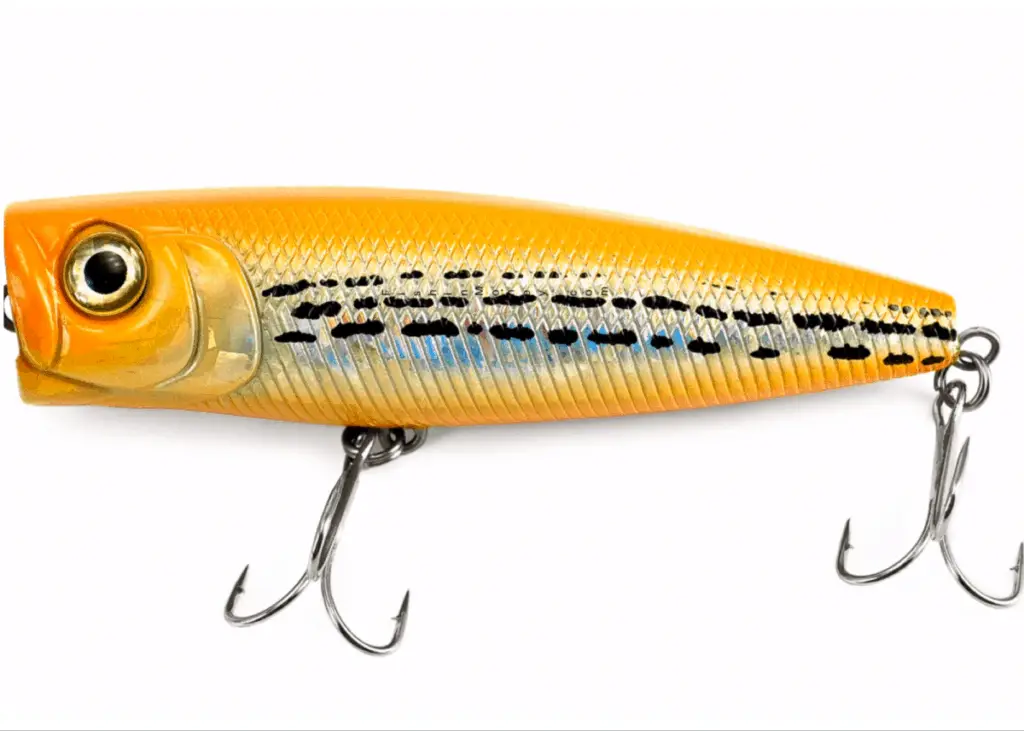
Today we are going to focus on the art of trolling. Trolling, according to Wikipedia is where one or more fishing lines are drawn through the water. You can use lures or bait fish, whichever works best in your area. The most popular is to troll, but you can also use your boat and be in a static position as well.
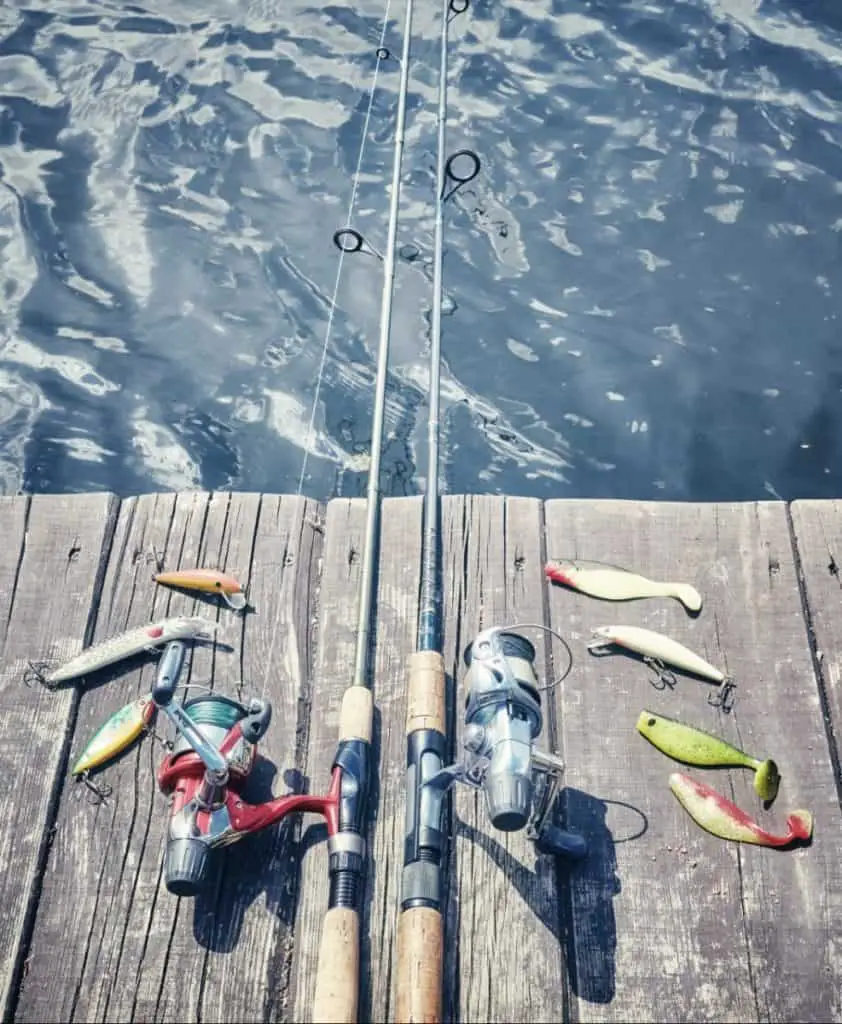
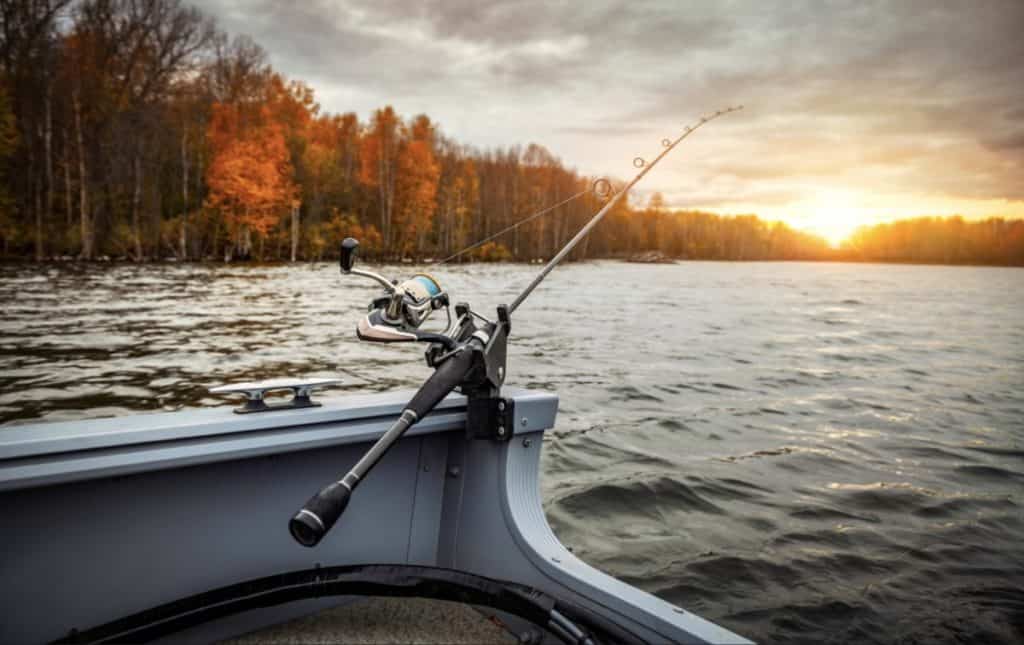
Trolling sets itself apart from other methods of striper fishing because you generally use more than 1 line at a time. Typically they are set up at the back of the boat so that the bait lags behind as you troll along the lake or ocean.
Sometimes trolling for striped bass can get quite boring and tedious. You just have to find what works best for your area, the time of day you are fishing and be patient. Which is definitely easier said than done at times. We are going to offer a few suggestions for popular trolling rigs that work for catching striped bass. But always do research for your area, and the best time of day/night for certain rigs to get the optimum results. Each area can differ quite a bit on what works and what won’t work.
1. Deep river rig- these are mainly used around sandy beaches and bunker schools. The suggested rod is 20 to 40 pounds with a mid-sized conventional reel and 50 pound-test braided line. You want the rig to be just off of the bottom of the lake, as you troll at about 2 knots.
2. Mojo rig- this is for deep water, trophy fish hunting, and prospecting for fish. As with the deepwater rig; 20 to 40-pound rod with a conventional mid-sized reel but bump up your test line to 65 pounds braided. This rig does best when it is dragging the bottom.
3. Bunker spoon- you want to use this set up for fishing around large adult bunkers and for trophy fishing. Invest in a slow action conventional 8 foot E-glass rod. Two suggested reels that pair well are either the Shimano Tekota 800 or the Penn Senator 400H. With this setup, you should use a 50-pound ultra-soft trolling wire.
Different setups such as those listed above will work in some areas, but of course, not all areas. Experiment and see which set up works best for you. Maybe live bait will be the best in your neck of the woods. Catching striped bass while trolling is all about trial and error. It is the one method that avid and professional anglers long to perfect.
One thing that you will definitely need to invest in is the best depth finder that you can afford. The rest of your gear doesn’t need to be top of the line or expensive by any means. But your depth finder is going to become your best fishing buddy, so you want the best that your budget allows and you need to master how to read it. A depth finder will help you locate forage fish and allows you to locate the elusive striped bass itself. If you find a school of herring or shad, you can bet that the stripers are not far behind.
Most avid anglers recommend trolling at 2 to 4 knots depending on your area and the bait that you are using. They also recommend a pole with some backbone. This will help in resisting the pressure from the moving boat. Your fishing rod should be between 6 ½ to 8 feet long with a 12 to 40-pound test line. But again, it depends on your area, rig set up, time of day and many other factors.
Some other tips from experienced anglers;
1. keep your drag loose while trolling. You want it to be loose enough to slightly slip while reeling in your lure.
2. make sure you have at least 6 inches of visibility in the water when going striper fishing. If the water is too murky/muddy, then you may have to switch to bait fishing.
3. It is recommended that whether you are using a mounted pole holder, or holding your pole in your hand, that you have it set to a 90-degree angle.
A couple of things to end this article for you are 2 of the most popular rod holders. You may already have rod holders mounted on your boat, which is great! That means that you have done your research and you have all the gear that you need. If you haven’t purchased any rod holders for your boat then the following 2 brands are ones that you are going to definitely want to check out.
Driftmaster: these rod holders are the most popular, preferred by many anglers when fishing for striped bass, crappie, and catfish. The one most used for catching the striper is the Driftmaster 255H. This pole holder always comes with a stainless steel stem. This position holder will hold the rod at a 0 degree or 30-degree angle, making for a great catch. Bases are sold separately. Driftmaster rod holders (and other products) are guaranteed against breakage, for life! They are also fully adjustable, from side to side.
Another popular brand is Scotty. These rod holders give you a wide range of angle positioning. The Striker, by Scotty, has a reinforced stainless steel post. It has an oversized opening for heavy-duty reels and has an easy lock/unlock ring. This holder boasts 360 degrees of horizontal rotation.
Now that we covered all of the basics of trolling for striped bass, you can go out and get your boat and all of your gear ready. Take your family or your friends, or both, and go out and get that big trophy fish.
Are you a saltwater striped bass angler? If so the fisheries in the north east are probably the best bet for you if you want to catch the big game fish. If you live on the west coast fisheries around San Francisco bay or the Sacramento River or others that branch off of it, where water temperatures are about 66 degrees are a good bet for you to pick up some stripers.
Inland Lakes in Summertime
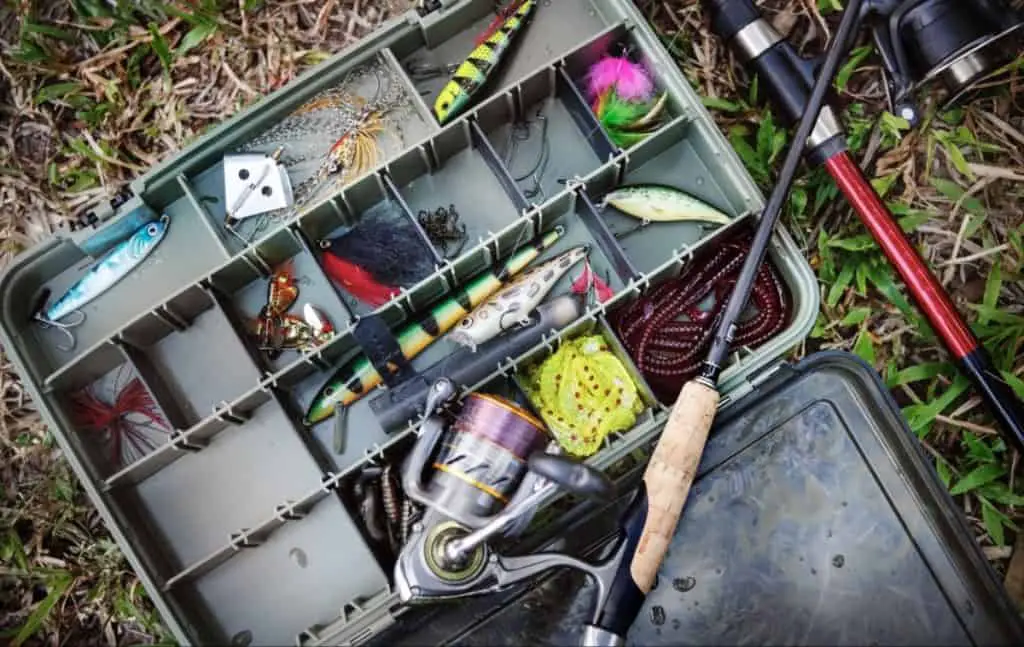
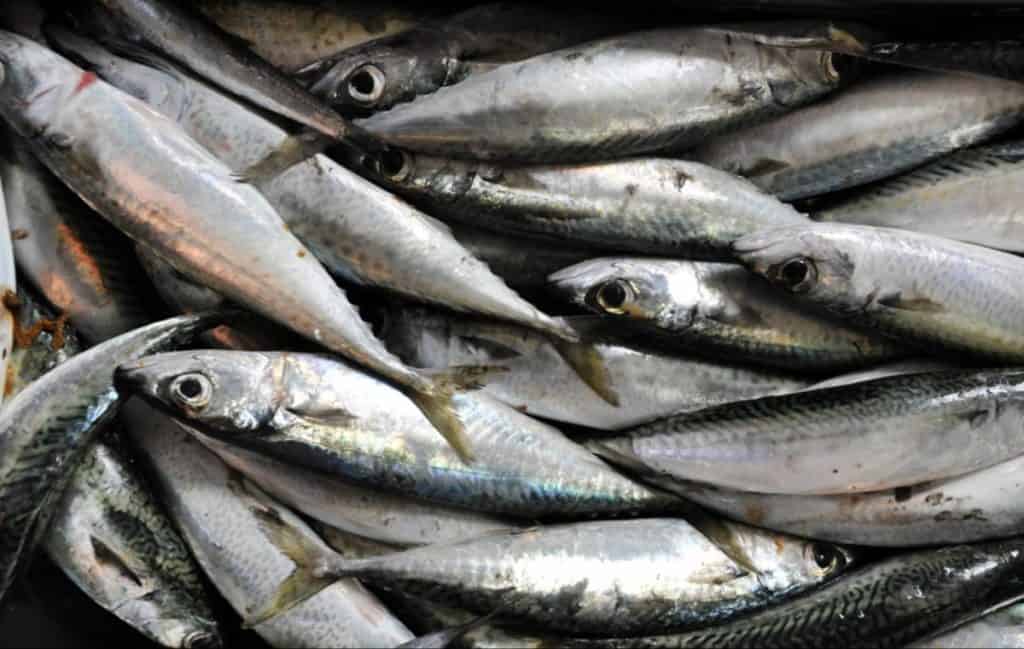
If you are on an inland lake, catching landlocked stripers in the summertime, you may want to try deeper water where the water temperatures are cooler. Of course on some of these lakes you can catch white bass, crappy, smallmouth bass, largemouth bass and many other species.So fish on partner. Fishing for striped bass with rod and reel and using live bait such as Herring, Shad, bunker, minnows, eels, clams, mackerel, soft shell crabs, worms, gizzard shad, menhaden, or any other bait fish to catch large fish is a great place to start. If you know how to fish, you can also catch large fish in these marine fisheries and in tributaries as stripers are a migratory, anadromous fish, meaning that they can survive in salt water and freshwater alike.
Use live natural baitfish
fish deeper in the summer when water is warm
fish topwater baits when fish are feeding off of the surface
in the hot summer, consider fishing at night with green LED submersible lights
if water is shallow chum with cut bait and fish with cut bait.
Consider hiring a charter boat
If you are new to rockbass or stripedbass fishing, you could take a charter boat where they will teach you the ins and outs and where to go to find large fish. One of the things you will learn as you travel on a charter boat is that as you are trolling trying to catch stripers, if you do not know what you are doing you may end up with a bluefish as striped bass and bluefish are commonly after the same meal, and bluefish tend to be quicker. Do not fret however your captain will show you how to up your chances of catching a striper instead of a bluefish.
Fishing for striper on a lake
How to catch striped bass in a lake is not the same on every lake that you fish. We can however, up your chances of catching the elusive striped bass by practicing a few commonsense techniques that all of the good anglers use.
If you are fishing in the summertime, chances are the water temperatures are warmer and the days are longer. Since striped bass do not have eyelids, they are sensitive to the bright sunlight and they will seek deeper water when the sun is out. You can guarantee that they will also seek the deeper water because of it being cooler. The different layers of water temperature will determine where the striped bass like to hang out throughout the year. They may hang out at the surface during some parts of the year and they may seek more comfortable conditions and better food sources during other times of the year.
In the summertime the surface water is hotter and the bass’s food sources are also seeking deeper water. The striped bass may seek the deepest water possible but in most lakes in the summertime, you will most likely find them in the thermocline or center section of the water in the lake. This is because it is deeper and cooler water, it also may carry more food sources for the stripers, and if they go to deep then they tend to have less oxygenated water which they require. So in the summertime it’s a good bet that they will not be too shallow or too deep but right in the middle. In the lake near where I live, Lake Meade, the fish are at about 18 feet depth.
The harsh conditions of Lake Meade in the summertime make it difficult for anglers to fish for stripers because of the high heat conditions. This makes for terrific night fishing though, and many fishermen will fish when the sun starts to go down and into the night or all night. Many times we use a green LED light that is specifically made to be submerged in the water. This attracts the bait fish which in tern attracts the large striped bass and gives anglers a better chance of catching lots of stripers all night long.
Many anglers go out in the evening and go home at night with hundreds of striped bass. Our lake is overpopulated with bass because there is not enough small bait fish for them to eat so there is no limit on striped bass unless they are over 20 inches and in that case the limit is 20 fish per person. So on a night when the fish are biting, you can catch fish to your hearts content.
Trolling a lake for striped bass
If you happen to be fishing during the day it’s a good bet that you will be trolling. Again it is a good idea in the summer time to keep your baits in the thermocline or the center section of water where it is cooler because this is where the bass will probably be congregating. If you have a fishfinder and a boat, you will be much better off and up your chances of catching the big ones. Use your fishfinder to find the schools and then it’s just a matter of finding what they will bite. Once you nail these two things down, you will have a good time catching fish and making memories.
Winter Striper fishing on lakes
Winter tactics for catching striped bass on lakes can change drastically from that of summer time tactics. Depending on your knowledge of the lake you are fishing you may want to get some expert local advice on where to fish and on what lakes. The locals definitely know what is going on and if you hook into the right crowd and get some good expert local knowledge to draw from, you will be light years ahead. In general however, using live bait is the best bet for starters. In my lake where I live, shad are the common delicacy for the striped bass. Most anglers fishing on the lake will use a throw net to catch live shad and then use that as bait for their fishing adventure. Once you have your bait, you will want to start trolling and using your fishfinder to try to find where the fish are hanging out. Once you find a school of fish you can take your shad and hook them through the nose, and drop them all the way to the bottom and then slowly reel them up. Keep a close eye on where you are getting your Strikes because that will tell you the depth that they are at.
Using a spoon for striped bass on the lake
You could try jigging a spoon in their faces. Sometimes this works to get stubborn and non feeding fish to bite.
Drop your spoon all the way to the bottom. And then crank it up by pulling your rod tip up two or three feet and then reeling up the slack and then up again and then reel up the slack.
Of course you need to do this where the fish are in at the depth they are at, you can cover all deapths with this technique and again keep track of where the bike comes from because then you will know the depth of the fish. If this works rinse and repeat.
Spring and fall Boiling Striped Bass
In the spring and fall, you will often times catch the bass feeding off of the surface. At my home lake we call it a boil. If you see white water being splashed around it is because the stripers are feeding off of the shad from underneath. This is really the best time to fish because the temperatures are not too bad and because it’s easier to spot where the bass are hanging out. It’s still best to have a fishfinder but if you don’t have one another trick of the trade is to watch for the diving seabirds. They too are trying to dine on the bait fish and they will give away where the stripers are. If you mimic the bait fish that the striped bass are trying to feed on with your lure, youre in! Sometimes you can follow these boils around for hours or if you lose one you might pick up another one somewhere else close by. This makes fishing fun because you know you’re on them and you just have to find out what they will take.
If you get to choose when you are fishing stripers i believe you are best to choose spring and fall.
Follow the boils and fish topwater baits that mimic the baitfish the stripers are after and you will have a blast!
The fishing industry, one of the hundreds that many Americans wish they could be a part of. If you have a passion for fishing, for learning about the fish, for what kinds of bait works best with each type of fish or if it has just been a hobby since you were little, but you now want to join the industry maybe make a little money on the side or to supplement your current income.
Then this article will give you many suggestions about how to break into the fishing industry. It is definitely not going to be an easy task, as there are HUGE companies out there that dominate, but follow your dream your passion and make your own name in one of the biggest sporting/hobbies events there is.
Fly Tying, making your own fishing rods, considering work at trade shows, and starting a fishing blog, are some of the ideas of how you can make money in the fishing industry. read on for even more great ideas.
Five Ways to Make Money In The Fishing IndustryMy Family Fishing
Get your foot in the door of the fishing industry
So, depending on how big of an avid angler you are, there are many things that you can do to get your foot in the door of the fishing industry. If you are just a hobby fisherman, who dedicates his summers to the lakes in the area and is dedicated to going every weekend, then you may want to start out with something simple; like fly tying or lure making. Going out every weekend for 3 months, you have a good idea of what kind of lures work for what kind of fish in your area, so why not try the task of making some of your own lures? If you search around on the internet, there are hundreds of places to buy lure making kits. Or you could opt to buy each piece separately so you can show your creative side and your imagination. Make some lures that no one has seen or a spin-off of some of the more popular ones. We have included a short list below of some of the items that you will need to create your own lures. But beware, this is only a tiny portion of what you need and what you can find.
– spinner blades
– skirts, skirt material
– buzz bait blades
– lure paint, beads, and bodies
– crankbait plug parts
– reflector tape
– lure eyes
– spoons
– split rings and pliers
https://youtu.be/4isy3VNBac0
How to Make Lots of Money Fishing | Is It Possible???
You may also want to stock up on some books or watch some videos online to help you get started and to give you a few ideas on what to do.
Fly Tying
The same thing applies for fly tying. There are thousands of kits out there, that will include all of the supplies and the directions. But if you want to be imaginative then you will need to purchase your supplies separately and then be as creative as your mind will allow you to be. We have included, again, just a few of the MANY pieces that you can buy separately. Definitely look around on the internet and find exactly the pieces that you are looking for and the prices that you can afford. What we are giving you here is a generalized list.
– hooks
– hair, fur, and tails
– necks, saddles, and feathers
– synthetic body materials
– chenille or yarn
– flashabou
– dubbing
– bug, popper bodies
– fly eyes and heads
– fly tying thread and weighting ribbon
Just as with the lure making, there are books out there that will give you ideas, suggestions and ‘starting’ lists. You can also find a wide array of videos on YouTube of others who do fly tying and lure making. Watch them, get some ideas, and then run with those ideas.
Another way to break into the fishing industry is to make your own rods. This is going to take a little bit longer than making the lure or fly tying, but these will be unique to what you want them to look like. A little less likely that it will look like other rods out there. It will take hard work, dedication, and a keen eye to make your own rods. But if you are up for the challenge, there are many things that you need to do before you start. You first need to decide what kind of fish you are going to be catching with your rod. This will allow you to make the perfect weighted pole for a specific kind of fish or fishing style; drop shot, flipping, pro crankbait, spinnerbait, top-water, worm/jig, walleye, panfish, salmon or catfish. Once you decide on what type of fish and what kind of bait you will be using this pole for, then you can begin to gather everything that you are going to need.
– 1 or 2 piece spine of the rod – ensure alignment of guides and have better performance
– cork handle or split-grip EVA handle
– spinning reel seat or casting reel
– rod guide prep and spacing
– hand wrapper set up
– wrapping the rod
– install the tip
– decals
– apply finish to wraps
Those are your basic steps and supplies that you are going to need, not including the string when you are ready to finish it up. Again, look for books or videos to help you get started and to help you give you some ideas and starting points for making your own rods. These could be big sellers around your town/county if there isn’t a big box store close buy. Take your time and make them look unique, make all different weights and styles, big and little.
Consider working at trade shows
Once you have done any of the 3 suggestions above, you stake out the local Hunting and Fishing Trade Shows. These shows are set up all over the United States prior to hunting and fishing season to showcase all of the newest gear, apparel, and accessories. This would be the perfect place to get your name and products out there. You could stand side by side with some of the biggest names and companies in the fishing industry, as you sell your own unique lures or rods. You never know, maybe one of the pros will try one of your rods or a few of your lures next time they go out to catch ‘the big one’. If your products get popular and you are largely recognized, then you can begin going to more of the trade shows, if your life/job allows you to travel to them. Or you can choose to stay within a couple of state radius of your hometown. Either way, get out there and showcase your talent, soak in the suggestions, the praises, and even the criticism and fix or change whatever is suggested.
If you are not into the trade shows or really trying to sell your fly tying or home-made lures then why not try having a fishing camp or fishing lessons? Beginner, advanced, and intermediate. Children, women, the elderly, or families. Take your knowledge and love of fishing and share it with others.
Teach the basics; parts of a pole, different lures and the fish that they catch, how to string a pole, and change a lure. This would then give you a chance to showcase any lures that you have made at home, on your own. Set up 2-4 club meetings a year and as the fishing season approaches, have 2 or 3 classes a week. Show them your favorite fishing spot, help them learn how to cast the pole, how to reel in the fish, how to bait the hook and how to be patient. If you catch some fish at each trip or during your lessons, take them back, save them up and at the end of the fishing season, you can host a huge fish fry for all of those that participated in your camp and your fishing lessons.
We have 3 other ways that you can break into the fishing industry. These are going to be the hardest, most time consuming and maybe the ones that you are not sure you want to do or can accomplish. But, if you are an avid fisherman and you have tons of pictures, stories, and experiences to share; then the next idea will be perfect for you because you can incorporate all of that. Brace yourself, because a lot of people know a lot about it, some people know a little, and others know very little.
Start a fishing blog
I am talking about a blog/website. You can post all of your pictures and some of your memories on your website and then have an interactive blog linked to your website. This way friends and family that have been on fishing trips with you can share pictures and stories as well. There are going to be 5 simple steps to starting a blog and if done right, you can even make a little money from your blog.
1. Choose a blog platform
a. WordPress
b. blogger
c. Tumblr
2. Choose a web host
a. self-hosting
b. free alternative
If you go with the free alternative, there will be limits and you technically won’t own your blog. If you self host, you have all of the freedom and rights to your blog. You will definitely want to do your research on the 2 alternatives. There is so much more information about these 2 alternatives than we can cover here.
3. Starting a blog on a personal domain
a. come up with a domain name
b. find a place to “host” your domain
Do an extremely thorough search for web hosting companies and compare their offerings and pricing. Choose which one fits your purpose and budget the best.
Once you have done those 3 steps, then you get to do the fun, exciting, creative part of your new venture in the land of blogging. So show your personality, pic your best pictures, your funniest stories and get ready to set it all up for your friends and family to see.
4. Designing your blog – depending on which platform you choose; you will have hundreds of themes, layouts, and fonts to choose from. Make sure that you keep your blog clutter-free and user-friendly. If it is hard to navigate, or there is way too much to read then people that come across it will not spend much time there. Make it professional, yet fun. You want it to reflect your personality and have a clear understanding of what your blog is about.
5. There is an abundance of resources available for beginner bloggers to help you to get started. They can answer any question you will have and can provide useful suggestions, information, and solutions; including how to make money with your blog, how to get your blog noticed above all of the other blogs, and how to make it grow.
Compete in tournaments
If you are an avid angler, that never ever misses an opportunity to go fishing, someone who knows anything and everything there is to know about the fish in your area and the best time to catch them and the precise lures to use. There is always the option to go pro.
Though expensive, it could net you a huge foot into the fishing industry. First and foremost you need to have a deep understanding of fishing. The more you fish the more experience you gain. Start competing at the club level tournaments. Work your way up, slowly. Fish with others who have more experience than you, and learn their tips and tricks.
Teach yourself about the different fish, lures, bait, rods, reels, best catch time for each species and whether to go top-water or deep. Learn to cover shallow water quickly, this will give you the advantage of snagging more and bigger fish. Practice, practice, study and study some more. Figure out a game plan on the Elite Series fishing spots. Set your focus on 1 area of the lake, you will be more productive than chasing the fish everywhere.
You must also master your electronics. Learn how to operate and be proficient in reading your electronics or you could put yourself at a huge disadvantage. The final and biggest obstacle, SAVE! Including, but not limited to; entry fees, gear, electronics, etc., it can cost upwards of $50,000 to $70,000 each season to compete in the Elite Series.
Become a fishing guide
The last thing that we are going to cover that can get you into the fishing industry and making some money is; becoming a fishing guide. If you are native to your area, grew up fishing on the lake 20 miles from your home or if you are mesmerized by fishing and have a vast knowledge of the fish and what catches them the best; then becoming a guide is your best option.
But, be forewarned, it is a ton of hours. You have to have a lot of patience and be able to handle not being the one fishing. You will be showing, answering questions, fixing poles, changing lures and more. It will cost you approximately ,000 to get started. You will need to obtain your MCC license (Merchant Mariner Certificate) from the Coast Guard. Then you will need to go and get CPR/First Aid certified. Next, buy all of the poles, reels, string, lures, life jackets and other gear that you are going to need on your venture. Advertise your business at local shops, and in print and online publications.
This venture makes take a year or two to really get off of the ground, depending on how many other fishing guides are in your area, but stick with it, if this is really what you want to do. Compare notes and share stories with other anglers, make friends with local bait shops, resorts, and restaurant owners. They can help spread the word to tourists in the area.
Conclusion
There are many many other ways, not listed here, to get into the fishing industry. How you do it, depends on your area of expertise, your dedication and your passion for the sport/hobby. If you love making the lures and doing fly tying, then, by all means, do so. If your passion is helping others learn then be a guide or host a fishing camp. Tailor your business venture around your favorite aspect of fishing and make sure it reflects your personality and dedication. Ask others for opinions and advice on how to get started. Research, research and research some more. There is a vast amount of knowledge on the internet that can help you get started on whatever path you want to take.
Now that you have spent time at the lake or taken that much-needed vacation and you have come home with some striped bass, what are you going to do with it? You may already have some great dinner recipes to try or maybe even a favorite that you cook every fishing season. But, have you ever thought of using those stripers and making appetizers?
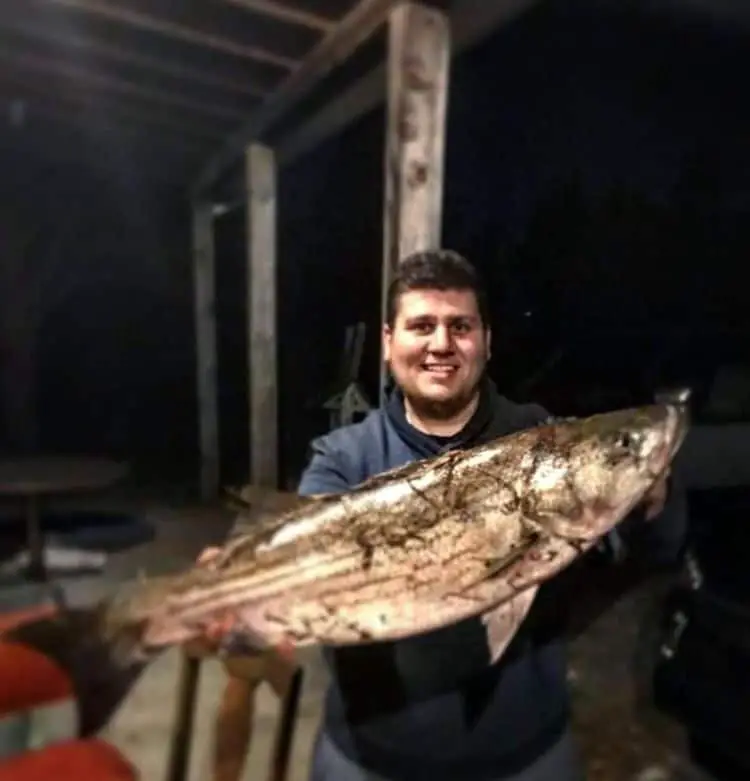
Picture used with permission of instagram @Djcha0330
Appetizer: a small dish of food (or drink) served before a meal or main course to stimulate your pallet.
Striped bass is a meaty fish that is tender an flaky. The texture is similar to sole, tuna and cod. The ideal size is 20-36 inches in length, as larger stripers start getting a courser texture. Striped bass is a very versatile fish in terms of how to cook them. Baked, grilled, seared, fried, smoked or boiled they taste amazing. Behind the gills are meaty triangles, preferred by many and the cheeks make the perfect appetizer for two.
Tips when you bring home your striper:
1. rinse with cool water
2. bag into your preferred portion size
a. cover with water in a sealed container or zip-lock bag
b. add a few drops of lemon juice
3. before cooking, remove the red meat (a thin strip of red in the middle of the striper)
Below we have included some of the most popular striped bass appetizer recipes that we came across in cookbooks and on the internet. Feel free to add your own twist on these recipes.
Striper and Cheese stuffed jalapenos wrapped in bacon
– 5 or 6 jalapeno peppers
– 1 pkg of bacon
– stripers pieces
– mozzarella cheese
– seasonings
– med onion, chopped
Season your striped bass pieces with your favorite spices. Cut the jalapeno down the center and open slightly for stuffing. Add the mozzarella cheese, some onion, striper pieces and wrap with a strip of bacon. Secure with a toothpick if needed. You can throw these on the grill or in the oven until bacon is cooked and cheese is melted. 10-15 minutes.
Cerviche
1/4 to 1/2 inch striper cubes
lime juice
onion
bell pepper
fresh garlic
fresh cilantro
Place all the ingredients in a deep bowl and mix together well. Cover and let set in the refrigerator for a few hours, until the striper is tender and white. When you are ready to serve, the longer it sits the more flavor it will have, add Italian dressing to coat the ingredients and serve with crackers or tortilla chips.
Striper Dip
2 cups of leftover, cooked striper
1/2 pound of cubed Velveeta cheese
1/4 c. chopped green pepper
1/4 c. chopped onion
1 tablespoon mayonnaise or dressing
Combine all of the ingredients into a food processor and process until smooth. Transfer to a dip (or other) bowl and serve with fresh vegetables, crackers or tortillas.
Oven Smoked Striper
– striper fillets
– liquid smoke
– pepper
– garlic salt
– soy sauce
– non-stick cooking spray
Preheat your oven to 375 degrees and spray a glass baking sheet with your non-stick spray. Dip the striped bass into a mixture made of 1/2 soy sauce and 1/2 liquid smoke. Lay the fillets in a single layer, in the baking dish. Sprinkle lightly with pepper and garlic salt (feel free to use your own spices). Bake for 20 minutes, brush the fillets with the soy sauce/liquid smoke mixture, turn, and brush again with the mixture. Bake for another 20 minutes, served when cooled.
You can also turn this recipe into a full-blown meal, with a large number of different options; add rice & baked/grilled vegetables, potatoes and onions, green beans and pasta. There are many things that will pair very well with your striped bass.
These are just a very small handful of some of the recipes that we have found using the elusive striped bass. You can add/remove any ingredients in any of these recipes to suit your needs and taste buds. The possibilities are endless and some of the recipes could actually be turned into the main course for a nice Sunday dinner. So, use your imagination and create the next great striped bass appetizer recipe.
As you can see, striped bass can be prepared in many different ways; from simply bushing with butter and garlic, to grilling, mini fish tacos, and stuffed jalapenos. A 3 1/2 ounce serving contains 18 grams of protein, about 80 mg of cholesterol and 96 calories. According to the USDA, striped bass is a good source of selenium (an essential mineral that is key for tissue respiration).
Here are 2 final recipes to get your taste buds motivated and your stomach growling.
Beer Battered Striper
1 1/4 c Bisquick
1/2 tsp of salt
1 beaten egg
1/2 can of your favorite beer
1/2 c cornmeal
Vegetable or peanut oil
seasoned salt
Mix all the batter ingredients together. Dip the striper fillets and fry until golden brown. Serve with your favorite dipping sauce, such as ketchup or tartar sauce.
Fish Taco Bites
1/2 cup of your favorite salsa
4 ounces of cream cheese
2 Tbs lime juice, divided
2 Tbs fresh cilantro
1 tsp honey
breaded striper
1 Tbs taco seasoning
1 1/2 c coleslaw mix
3/4 c dished avocado
3/4 c chopped tomato
tortilla chips
Preheat and bake breaded striped bass at 425 degrees for 10 minutes. Sprinkle with 1/2 of the taco seasoning, turn and sprinkle the other side. Bake for another 10 minutes or until crisp.
In a bowl, combine coleslaw mix avocado, tomato 1/2 of the lime juice and salsa, spoon onto the tortilla chips.
Using a blender, combine 1/2 lime juice cilantro, honey and salt. Process until it is smooth.
Cut striped bass into bite-size pieces and place on each tortilla chip. Top with 1/2 tsp of salsa mixture and garnish with lime wedges.
Now, go and get all of your fishing equipment ready, or dig that striped bass out of the freezer and get ready to have a party on the back deck with all of your friends and family.
You may have tried different ways to catch striped bass, but have you ever tried to troll for them at night? In this article we will discuss thePhoto courtesy of Instagram @socalskifflife
many thrills that come along with trolling for striped bass at night.
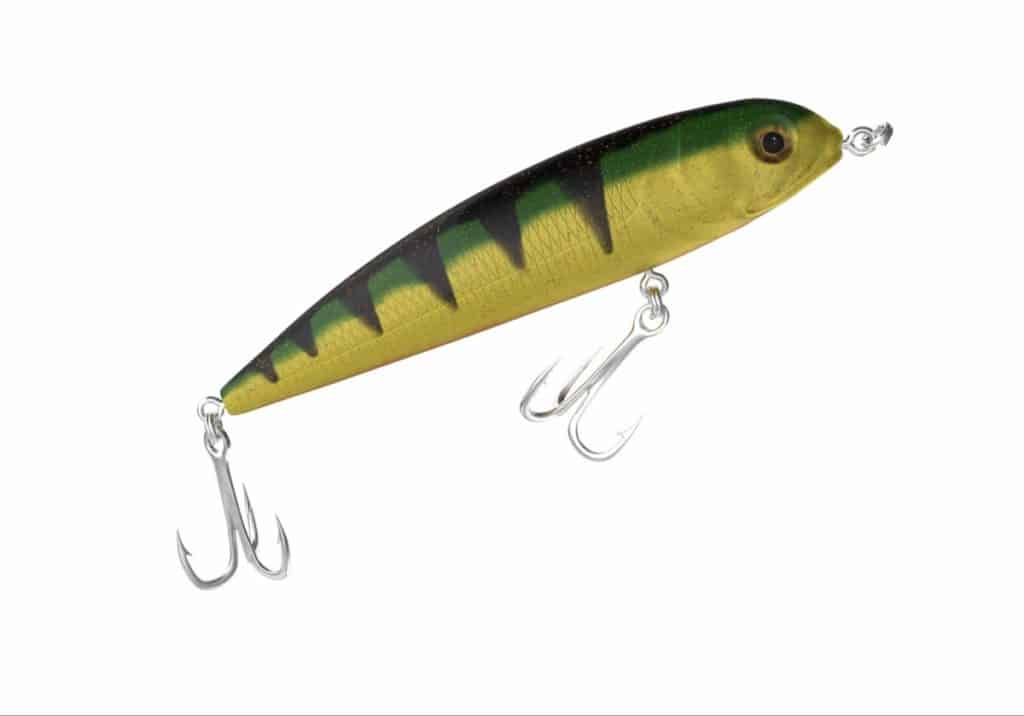
Some of you may have tried using a top water Lures before, I hope you had a good time because when the striper hits the top water Lures there is no thrill better.
Share this on social media above.
I have seen times when they come completely out of the water and it shocks you so much if you’re not ready for it. I know a lot of you may have tried top water lures During the day light hours, but combine that with trolling at night and now you really have some fun ahead.
When I first heard of this idea my first thought was, can the bass see the Lure at night? Well let me tell you, yes, they can. I have heard many other anglers talking about this and in preparation for writing this article, I searched the Internet and YouTube and watched some of the ways that other people do it.
In this article we will discuss some of those ways as well.
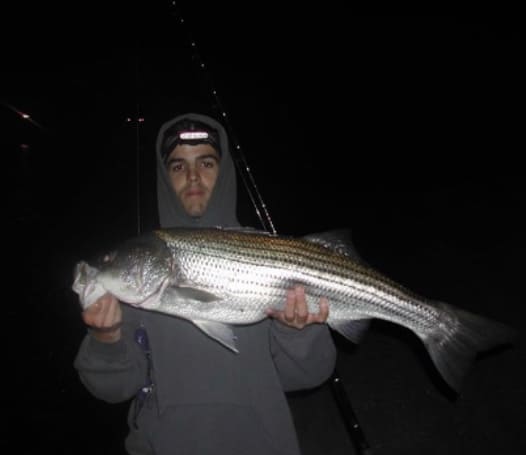
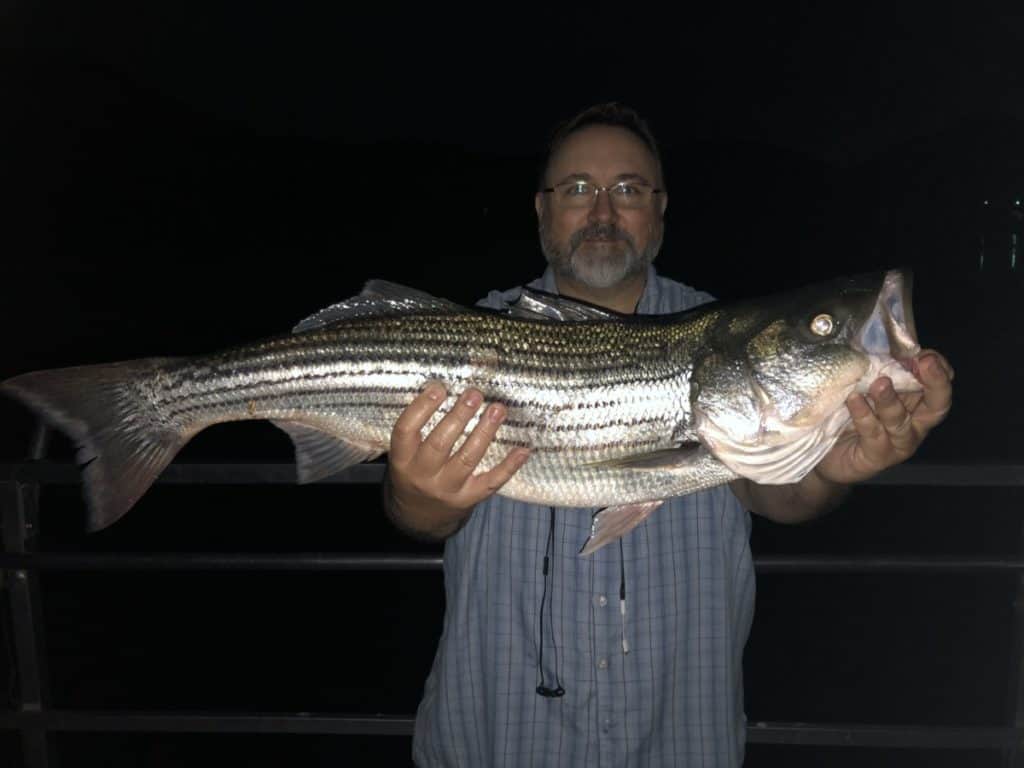
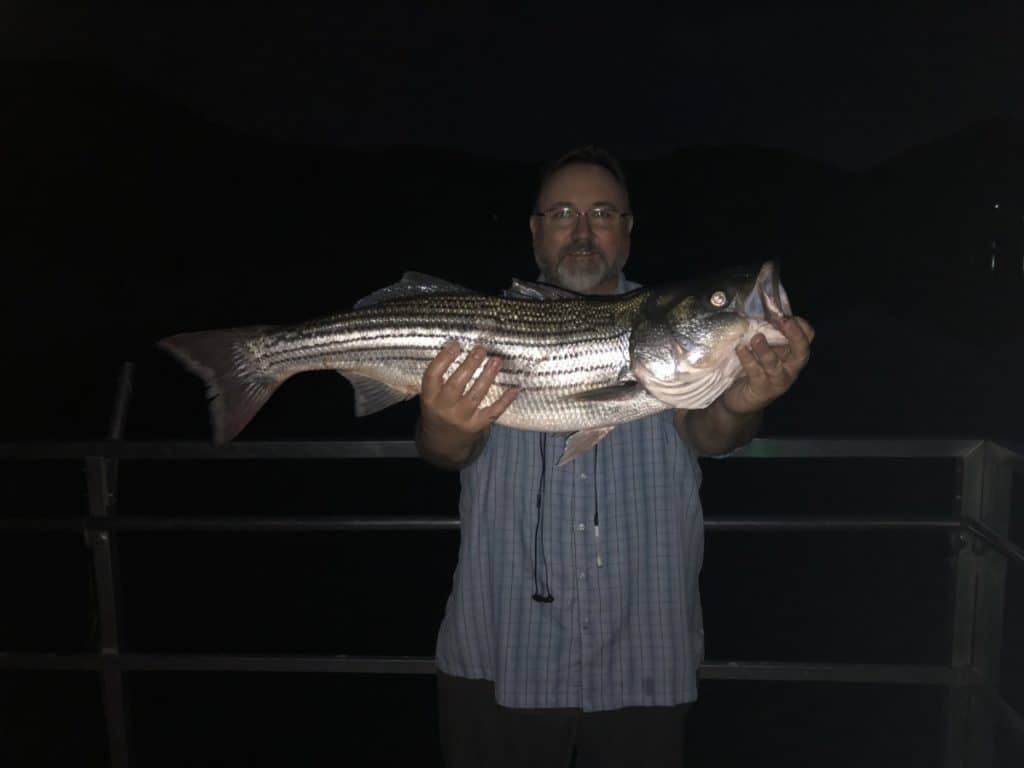
Imagine you are just minding your own business at night on a calm cool lake trolling around 2 to 3 mph, you have the cool night air in your face and you’re relaxing and just enjoying the peace and then Bam! Your rod bends over and you’re reel starts singing a tune. you grab your rod and tug on it with all you got. You barely have any light and this guy just interrupted your calm quiet peace, but you reel and tug and reel and tug until you start to see the outline of a great big striped bass coming toward you. She jumps and splashes a little and when you get her to the boat you need both hands to bring her in. Then, you turn on the flash of your camera and take a selfie to prove to your buddies the next day what happened, because you know they’re not going to believe you.
She’s a monster and she’s a beauty. You gently set her back into the water and hold her by the tail as you push her forward and backward through the water and finally, she starts wagging her tail and as you release her a smile comes on your face because you know that she is carying millions of eggs and can repopulate this lake so that you can do it again sometime. This is the thrill that comes along with trolling for bass at night.
Nite time Striper Troling
Now if that seems fun to you, I’ve got one more idea. Why donn’t you try doing all of that in a kayak. I know you can hardly stay straight up in a kayak but many of the anglers that I have seen doing it this way make it look like a lot of fun. I can’t say that I have ever fished in a kayak but when I have a large striped bass attacks your bait the funny part is that you don’t stay stationary. Instead you start going in the direction of the fish.
So if the fish is behind you, you spin around if the fish wants to go left you go left. It’s a weird feeling I can tell you because I have fished from a float tube before and wherever the fish goes you go. It’s completely different than fishing from the shore or from a large boat. It has a whole new dynamic.
One thing to keep in mind is that if you are in a kayak, you probably will not be able to troll as quickly as you normally would in the daytime unless you have an electric trolling motor so it would be wise to find a top water bait that has a lot of action at slow speed‘s.
You may be crawling at about 2 to 2 ½ or 3 mph so you need a high action topwater Lure. The AC plug fits the bill but there are probably others that will do fine as well. One of the videos I saw while I was studying this topic is a video done by FishaHolicfishing on YouTube and he has a video called monster Montag kayak for striped bass 40 pound plus striped bass -Trolling with umbrella rigs.
If you have a chance, you should really go check it out he catches a 40 pound striper bass in a kayak and even though the audio on this video is not that great the size of the fish he pulls up is just amazing.
I am kind of a big guy so I don’t think I am going to do very well in a kayak but I might like to try doing it from a pontoon. Not the large deck boats that you might be imagining but the small pontoons with one seat. I think I would like to try there in the near future.
Anyway, trolling at night can be done and it can be done very effectively. Many people like to do this while using some sort of top water bait like an AC plug or even I have seen people doing it with bunker chunks like a bunker head.
A lot of times where I am from fishing at night is about the only way to do it because it is so hot in the daytime in the summer. Going out at night when the sun is not around is just common sense and when you and the commonsense in the cooler weather on top of the water where there is no crowd and nobody on the water besides you, seems quite fun to me.
Darren Enns – Author
So I will be very soon taking a trip to my local lake to do some night fishing while trolling. Do you have any advice about trolling at night? I know I have left out trolling with planer boards like we see on the East Coast so if anyone has experience with that please let me know in the comments so that we can share this experience with those who have not done it this way.
Give us a long detailed explanation so we can feel the excitement like you do.
Are there any other ways to troll at night that I have left out? It sure would be nice to hear from some of you to find out.
In summary: if you have a moment to catch large striped bass at night and you don’t want to sit on the shore, try trolling for them at night and you might even try doing it from a kayak. It looks like a blast.
Photo approved/contributed by Instagram @djcha0330
Avid fishermen headed to California will have many areas to choose from when searching for the crafty striped bass. Lakes are abundant in Southern, Northern, and Central California. If you have never been to these areas, you can contact one of the many fishing guides and they can take you to the prime spots.
If you have been to California fishing for striped bass, why not make it an extra fun vacation and go in October? The Rio Vista Bass Festival, is the oldest bass derby, on the west coast. Held on the Sacramento River, this festival also offers food, live entertainment, a midway with rides, car show, and fireworks.
Share this on social media above.
Sacramento River: night fishing with artificial bait is a huge challenge and a lot of fun. Springtime is the best, but you also have a great chance in October. Striped bass are aggressive and strong, so be prepared for the fight of reeling them in. Stripers will take many types of bait but prefer live minnows or anchovies. You will find 3-7 pound stripers on the Sacramento River. They are pure white meat, incredible when grilled, and make amazing fish tacos.
In Northern California, you have a couple of spots where you can bring in a striper or two; Bucks Lake and Los Vaqueros Reservoir. The reservoir is located in the cities of Livermore and Brentwood. It is 2.188 miles wide and 2.485 miles in length with a maximum depth of 170 feet. Los Vaqueros offers boat rentals, fishing licenses, snacks, and bait. There are also 3 piers along the reservoir for those that do not have a boat.
Also in Northern California, the West Delta area is going to be your best option if you want to hook a big trophy striper. The deeper the water the better for a good challenge. If you want to see the actual bite and catch, then you want to opt for topwater bait in shallow, shadowy water. Perfect spots for topwater at 5 – 15 feet; Roe Island, Honker Bay, and Snag Island. Make sure that you anchor at points that have a sufficient current. The best fishing time on the Delta is November through January in the Rio Vista/Decker Island area. In February and on through April, the prime spot is upriver on either the Sacramento or San Joaquin Rivers.
According to the California Department of Fish & Wildlife, the best bait to use for the striped bass:
1. threadfin shad, split and folded so the flesh is pointing out
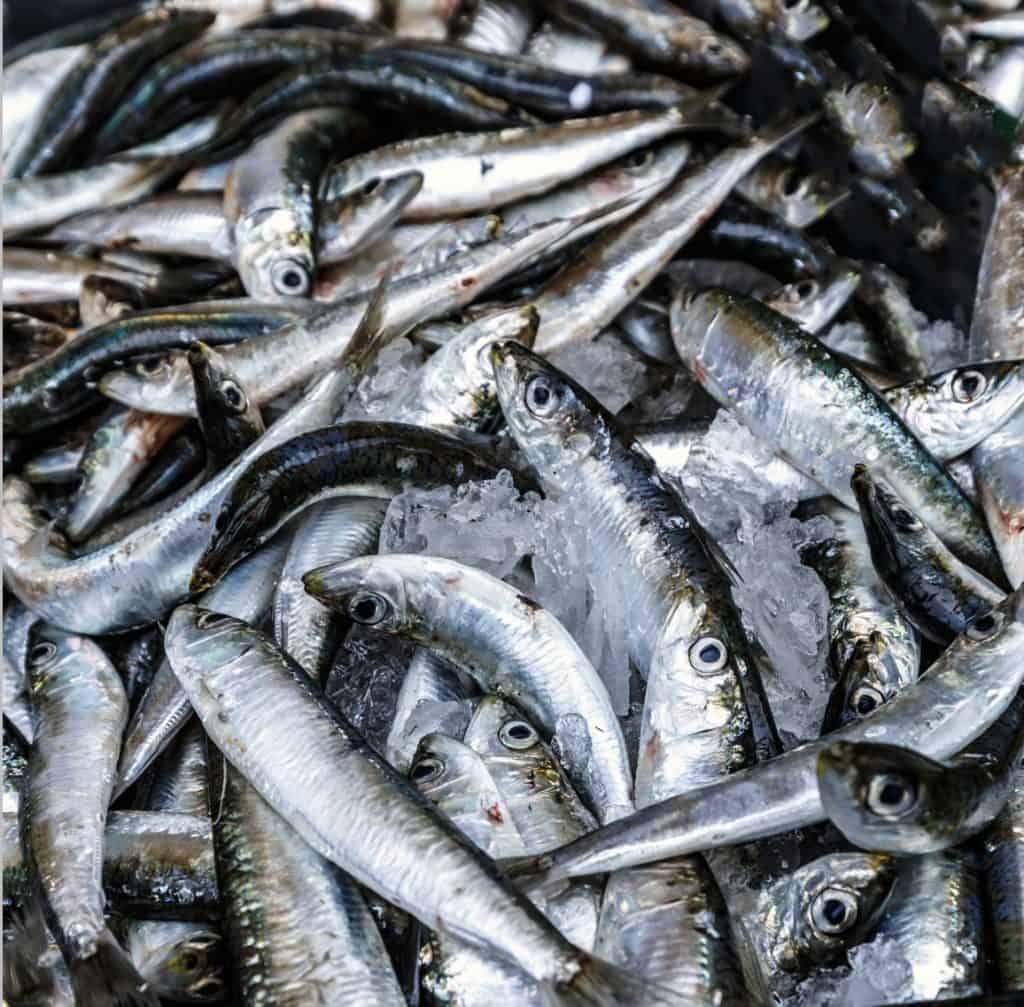
2. sardines
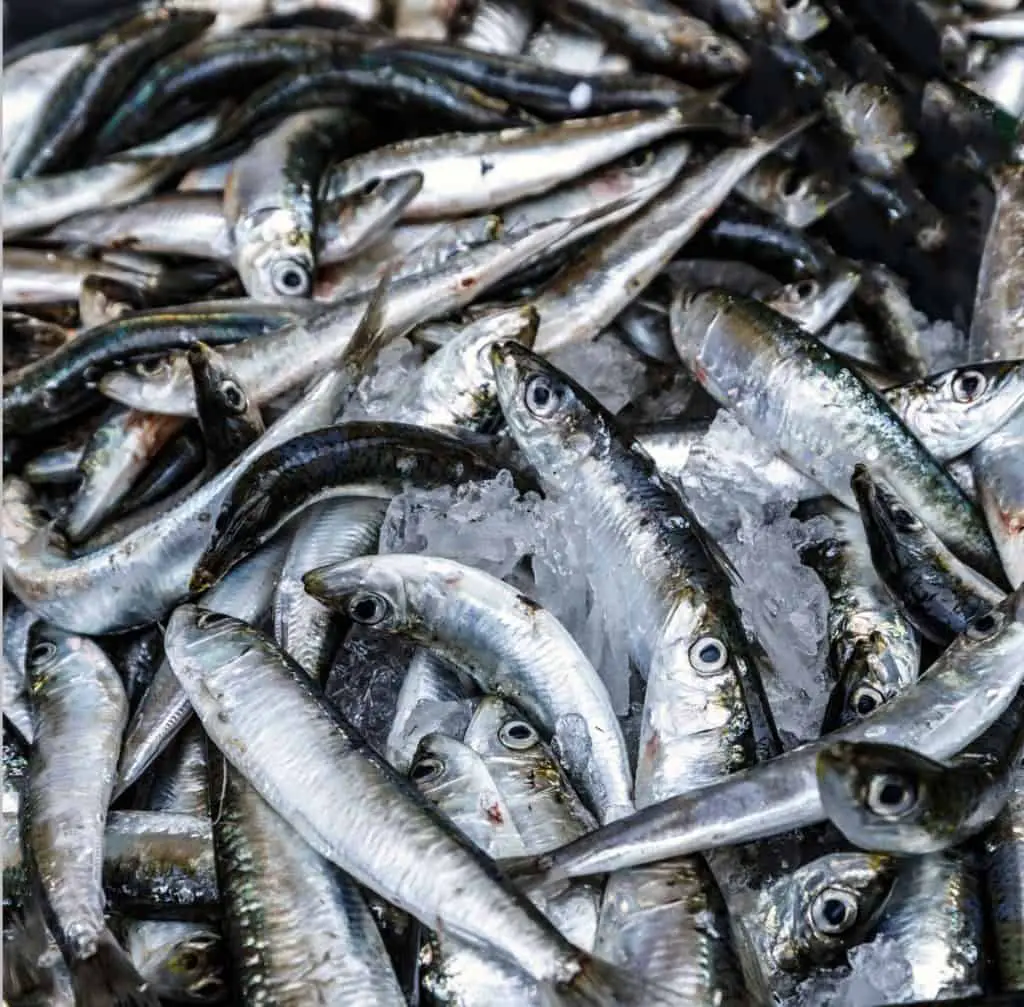
3. anchovies
4. bloodworms
When you are trolling for this predatory species; plugs, jigs, and spoons are ideal and are often in double combinations. They do advise that if you are going to be trolling for the first time, you observe how it is done because there is a specialized method of catching stripers.
Most striped basses are found along the California coast, re-entering in the fall and winter at the San Francisco Bay area. In the spring-time, they swim over to the San Joaquin & Sacramento Rivers area to spawn. From there the majority of the stripers will head back towards the Pacific Ocean.
In the San Francisco Bay area you have many places that you can reel in the stripers:
1. Golden Gate Bridge – a suspension bridge that is a 1-mile long strait that connects the Pacific Ocean to San Francisco Bay. The best-striped bass spot is by the south tower after a significant tide. The average catch is 6-10 pounds but they can weigh upwards of 40 pounds.
2. Fishermans Warf – a popular tourist attraction in San Francisco, with amazing restaurants specializing in fresh seafood. Take your pole, your bait and try your hand at catching a few stripers. If you succeed you will be in a prime spot for enjoying the delicious catch and if you get skunked, don’t worry cause you can have a great time on the wharf at the many shops and seafood restaurants. Who knows, you may even decide to order striped bass for dinner.
3. Suisun – you will find over 100 miles of shoreline, between the California Delta and San Francisco and San Pablo Bays. Providing year-round striped bass habitat, they are best caught in early to mid-fall season. Honker and Grizzly Bays are considered part of the Suisun Bay/River.
4. Berkeley Flats Marina – located off of Alcatraz and Treasure Islands. Trolling is the best method with the perfect time being a strong tide coming in after very low tide.
5. Angel Island State Park – located in San Francisco Bay it is considered a California landmark. The island is separated from the mainland by Raccoon Strait, another good striper fishing area, with approximately a 90-foot depth and 1.2 square miles of land. Many anglers will use a piece of sardine or a whole anchovy, but the much better option in this area is a bullhead or live shiner.
The anchovy is the preferred choice of the stripers in this area, but clams, squid and pile worms will work as well.
Sherman Lake, Broad Slough, American & Feather Rivers, Canyon Lake, and Big Bear Lake are just a handful of other spots where you are able to seek out the elusive striped bass.
Feather River: 73 miles in length. If the water is clear, it is the prime time for catching the striped bass. Murky or muddy water makes things a little bit more difficult. But if you are up for the challenge, the fish are anywhere from 2-50 lbs in this area. You can try high speed trolling, topwater fishing and you have the option of swimbait, spooning, or live bait.
No matter where you fish in the California area, it is suggested that you have a 7-8 foot fishing rod with a conventional reel that has a clicker or a lever wind reel. You will also need to have a 200-yard line capacity. When you get that elusive bite from the feisty striper, make sure you keep the line tight to the fish. The striped bass is smart and quick, spitting the hook if they get the change. So any slack in your line is going to be your enemy.
One last tip from some of the experienced and outstanding professionals in the guiding business:
1. during the day make sure you are fishing in the shady areas or spots where there is “light-break” over the water. Docks, overpasses, and bridges are ideal.
2. find estuaries & harbor entrances, near the end of jetties.
3. the perfect time is 2 hours before and 2 hours after high tide. The striped bass will forage on their pray during sunrise, sunset, and at night.
Whether you try your luck solo or hire a fishing guide do not forget to check the rules and regulations for fishing in California. Now, close your eyes and point to an area of California, pack your bags and your boat and go have the time of your life chasing down that prized trophy, striped bass.
Photo Courtesy of Elite Anglers Fishing Apparel EliteAnglers.net
For those that have grown up on or around a lake, fishing since they were 3 years old; every chance they got, we may have found the perfect job for you. Maybe you have already thought about it because you love the water and fishing. It is definitely not going to be easy or happen overnight, but why not become a fishing guide? Make a little extra money doing something you love, teaching others all about your passion.
You will have to be ready for long, very long, days. Extremely early mornings catching bait and making sure that the boat and all of the gear is ready. Watching your clients fish all day, fixing poles, changing lures, teaching answering questions and more. When the 4, 6, or 8-hour trip is over, you have to empty everything out of the boat from the trip, clean things up and make sure that all the equipment is ready for the next trip.
One of the most important things, besides the mandatory items, is having extensive knowledge of the area and the fish. Many avid anglers watch the fishing shows on television. They follow certain websites and publications to obtain all of the latest information on the sport. But if you have been fishing the area your whole life, then you have the knowledge. You probably know other avid fishermen in the area and you compare notes and share experiences.
Requirement to become a fishing guide
As you start looking into becoming a fishing guide, you need to become very familiar with the requirements. It is basically the same for every state, across the board. Although some states enforce the rules a lot more strictly than other states do. It is wise to follow all rules, regulations, and guidelines, to save yourself any troubles in the future. So, the very first thing that you are going to need to do; contact or visit your state Fish and Wildlife office. They can give you all the paperwork, flyers, booklets that you will need. These items will have all of the rules and guidelines for becoming a fishing guide. You can also contact your local police department for questions as well.
The most strict and tedious process to go through is obtaining your Merchant Mariner Credential (MMC), otherwise known as your Coast Guard license. Above is the link to apply. For this process, you have to submit the application at a regional exam center or via the mail. You will also have to verify that you have spent 360 days on a boat (8 hours is equal to 1 day). 90 of those days have to be within the past year. The third thing that you will need to do for your license is present 3 notarized letters of recommendation. The final three steps are passing a background check, providing your fingerprints, and passing a written test that will consist of 120 multiple-choice questions. The cost of all of this is approximately $300.
Safety training requirement
For the next step in becoming a fishing guide certification, you will need to be certified in first aid and CPR. You must be able to at least handle general medical and water situations and emergencies. You can sign up for these classes through your local community college or through your local red cross. If you are already certified, then please make sure it is all up to date and valid.
Get insured
Being a fishing guide is just like owning your own business, therefore you are going to need to obtain business insurance. All states require a minimum of one million dollar insurance policy. This will safeguard against any unforeseen incidents or accidents on or off of the boat. Of course, make sure you get quotes from a few different insurance companies and compare the deductibles and the pricing of this insurance. Roughly it will come out to about $1,000 a year. But do your homework and get the best insurance you can for an affordable and manageable price.
How to find clients
This next section is probably one of the most asked questions during the research process or beginning stages of becoming a fishing guide. It is actually on the minds of anyone who is thinking of opening their own business. How do I find and obtain repeat clients?
There are many traditional, non-electronic, ways of accomplishing this. But nowadays, you also have to include electronic ways as well. Social media and the internet are a HUGE deal and will only evolve. But let’s start with the traditional, before the internet, ways to find and keep business.
1. Advertise. Put ads/flyers in local publications. There is a ton of publications that focus on fishing and on the outdoors. Contact them, getting pricing on advertising in their magazine.
2. Contact local businesses. Hotels, resorts, bait shops, sporting goods stores, convenience stores, etc.. See if they will allow you to put a flyer in the window, or leave a few business cards by the register.
3. Hold free or low-cost clinics. This will help you to get to know other people that like to fish, but may not have as much experience as some others in the area. You can teach basic skills and safety, all about lures and what types catch which fish, talk about fishing poles and the best reels to go with those poles. You can also have classes that are focused on women who want to learn, the elderly, children and first-time fisherman. Get your name out there. Talk about your fishing guide business during the clinics and what you will be doing. It will be hands-on for those that are attending your clinic if they book you as a guide.
4. The internet and social media. Consider creating a website to showcase your business. To talk about what a guide is, your services, your cost and the things you will be doing. Attach a blog to the website to post pictures of each trip you take and talk a little bit about each trip. Make sure there is a comment box so that your clients can go in and talk about their experiences while on your boat. This will allow others that go to your website/blog to actually see reviews of your business. Word of mouth will make things happen just a little faster, but still not overnight.
Photo courtesy of John McLean
The final, and maybe the most important aspect of becoming a fishing guide besides the mandatory licenses and certifications is fully understanding the rest of the job requirements and what may make or break your business.
It is going to cost you approximately ,000.00 – ,000.00 to get all of the poles, reels, lures and other gear and equipment to get started. But even more important than that; you have got to be a people person.
You have to have the patience, to teach everyone. Each and every person you come into contact with are going to learn differently, on one level or another. Some learn faster and pick it up quickly and others, it may take you all day before they actually understand and catch anything. You have to understand that on these trips you will NOT be fishing.
You will be teaching, guiding and you have to be ok watching others succeed and catch “the big one”. You will be changing lures, restringing poles and driving the boat. Deciding the hours of operation are also going to be a big issue as well. You are still going to want to be able to go out and fish yourself.
Spend your quiet time on the lake, whether with family or friends. So, how many days a week are you going to offer these guided fishing tours? How many hours are the guided lessons going to be? You can do as much or as little as you would like to do and are comfortable doing.
It may take 3,4, or 10 years to build a great fishing guide business. But if it is what you are passionate about and what you have always wanted to do, then go for it. Work hard at it and it will pay off. But make sure you have fun doing it.
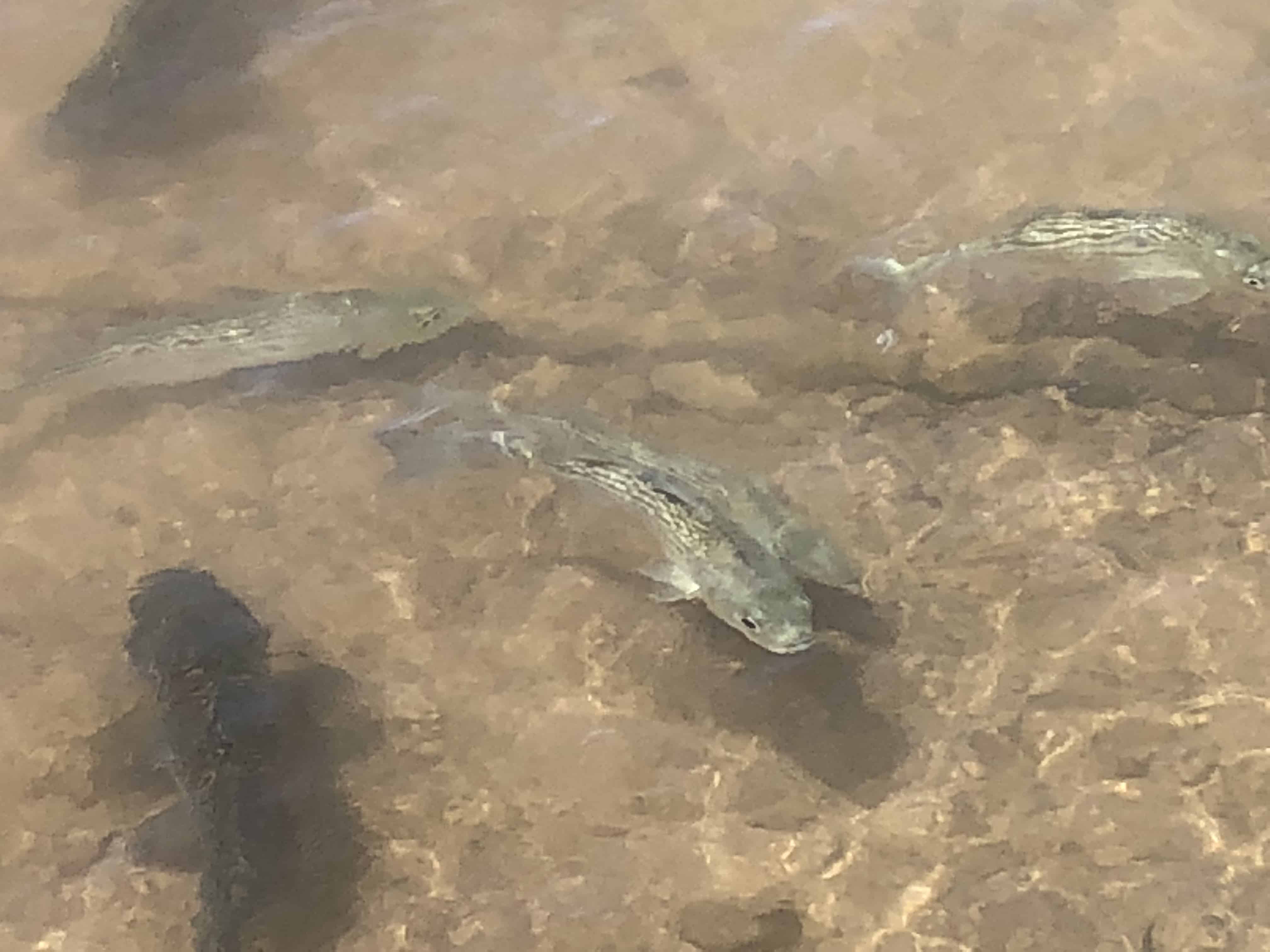
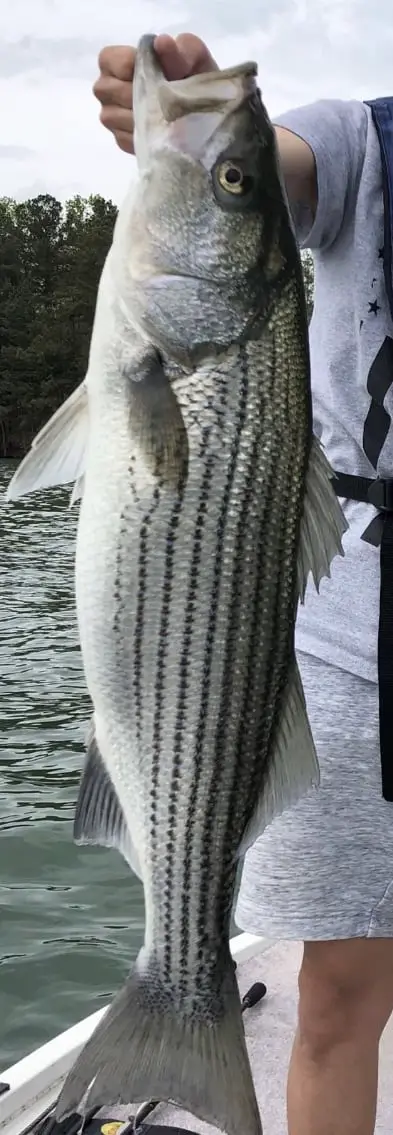
(Morone saxatilis) Another name for them is linesiders obviously named because of the stripes on their back and sides.
In the Chesapeake, many people call them rock fish or rock.
On the east coast stripers are known to migrate from South Carolina up toward Maine and on the West Coast of the United States they can be found from Oregon down to San Diego. They migrate further south in the winter and further north in the summer.
Photo provided by Instagram @joeyprofish
striped bass do not venture too far away from the coast or the river systems. They prefer to stay where their meals are.
Stripers are a powerful fish and put up a good fight. That’s why they’re so fun to catch. They are fast and can catch a bait that is moving pretty quickly. Sometimes however when you are fishing for stripers on the East Coast or tributaries you may catch a bluefish because they are even faster.
Another way to fish at night that is used mornin another way to fish at night that is used in the south and the west is to anchor and drop green LED lights into the water. This attracts plankton and small bacteria that are the food for and Joey‘s and minnows. When the anchovies and mineral show up for a meal, it attracts the stripers to you. Some people have been known to catch over 100 stripers in the night. Yes there are places where the striper population is way too high and there is no limit on the amount of stripers that can be taken from the waters.
When you are fishing from tributaries, you will notice that the striped bass move based on the ab and flow of the tides but also they are moving because of the water temperatures. They prefer temperatures between 50 and 70° and they will move to make sure that they are in cooler waters. In the Sacramento River the fisherman like to find water at 66° and say that that is the optimum temperature to find the bass.
When water temperatures get down into the 40s the striped bass usually leave for warmer waters.
Striped bass do not have eyelids so when it gets sunny they prefer to get out of the sun and go deeper. Also they are looking for cooler water however, if they go to deep the water is not oxygenated very well so they are usually stratus fied somewhere in the middle. Finding them with a fishfinder to see the depth or trolling at different depths until you find them is usually the best bet
In the summertime when it gets hot striper fishing is usually the best at night partially because the fish are biting better and partially because the fishermen are not overwhelmed by heat.
Depending on what part of the country you are in you will find it stripers will eat just about anything if they are hungry. Some of their favorite meals are soft shell clams heel depending on what part of the country you are in you will find it stripers will eat just about anything if they are hungry. Some of their favorite meals are soft shell crabs, Eels, clams, bunker, mackerel, shad, minnows, and even chicken livers.
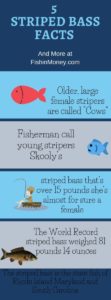
Older, large female stripers are called “Cows”.
Fisherman call young stripers Schooly’s.
Two striped bass that are the same age but one is much larger is usually due to the fact that females grow larger than males.
If you catch a striped bass that’s over 15 pounds she’s almost for sure a female and she has the ability to lead up to 3 million eggs per year. It’s best to take pictures and leave her to repopulate the lakes in tributaries so that we can have great fisheries in the future.
Share this on social media above.
You can have a replica made from a photo. You don’t need the fish for your wall.
The World Record striped bass weighed 81 pounds 14 ounces.
The pacific ocean was not natural habitat for striped bass. In the 1800s fingerlings were taken from the East Coast and released. They survived and thrived in all of the striped bass that we see today are offspring from the relatives of those first fingerlings. They thrive so well that some lakes in the west, have no limit on the amount of stripers you can take.
Stripers migrate between saltwater brackish water and freshwater. Mainly they live in freshwater when they are spotting. So they’re young are born in rivers and tributaries upstream from the oceans.
Trolling at night works very well because the props turn up the water and confuse the bait fish. This gives the stripers a chance to move in for the kill and an easy meal. When you put your lore out there it’s hard for them to distinguish between a Luer and the real deal and so you tend to get a lot of bites and land a lot of fish.
Share this on social media above.
striped bass that are in lakes that are not connected to the oceans are called landlocked stripers and were placed there at one point or another and thrived to their current populations.
Freshwater striped bass can either be regular stripers like the ones we see in our oceans in tributaries or they can be a crossbred striped bass. White bass and striped bass are mated to create one called a hybrid striped bass or a wiper. Either one can be stocked in lakes and thrive there however wipers or hybrid striped bass cannot procreate so they are only there for their lifetime and no second generation comes after them unless they are placed there. They tend to thrive in a little bit warmer waters so in the south west and in the south you see them introduced a lot. Also they do not get it as big as a regular striped bass.
The striped bass is the state fish of Rhode Island Maryland and South Carolina.
There are at least three different species of striped bass. Hybrid striped bass or wipers, Atlantic striped bass, and golf coast striped bass.
When there are a lot of striped bass in one area in a feeding frenzy, excited fisherman will call them a Wolfpack. Because wolves hunt in packs, stripers seemingly do the same thing.
Striped bass seem to know when a large storm is approaching and they will eat a lot the day before.
Striped bass do you have predators. Sharks, humans, osprey, and sea lions.
Darren Enns FishinMoney
In conclusion, striped bass are one of the most popular fish in the United States and in several other places in the world for sportfishing. They have been introduced into many places where they did not normally roam and have adapted quite well. It is controversial to some that the striped bass have been introduced however overall many people seem to like them to be there for the sports fishing adventure and for eating.
The good thing about striped bass is that many of them can be taken from the environment and still not really damaged the population in many cases. They are a good fish for a stressful sportfishing crowd. If you are thinking about getting into fishing for striped bass, it would be a good idea for you to study them a little bit more in your area as different areas require different gear and tactics in order to be successful at bringing in the big ones. There are so many types of fishing like surf fishing, fishing off of a boat anchor, trolling, pier fishing,Shore fishing and River shore fishing, and following the boils, it’s hard to be prepared and less you know what you are getting into.
So make sure you ask a lot of questions. One good place to ask would be in the comments below. I would be happy to assist if I can or others may see your question and help you out as well. Thank you for reading. Until next time, Darren.
Well, it’s fishing season and everyone wants to get ready to go catch a fat cow striped bass. What rod will we use? What size line do I need? How about the hook what size and what type should it be? Do I need weights?
Share this on social media above.
These are all the things that go through your mind if you are not a seasoned pro and even if you are going to a different part of the country to fish for Striper it may surprise you how different it could be. If you are used to catching Striper in New Jersey or the Northeast, and then you head down south or to the south west, you’ll find that the way that you fish for stripers successfully in the two areas is completely different.
The reasons why are many, however, we can point to the fact that some striped bass come in land from the salty waters of the oceans and they may have a tendency to be bigger and they may also be looking for different prey. This causes the anglers to have to try to match their lures or their bait to the type of bait fish that the stripers are used to eating. Some places that contain stripers are landlocked and the bass seem to be a bit smaller in those areas.
They also are used to eating differently than their cousins from the oceans. For this reason your whole setup may be completely different going from one place to another. So where does that leave you if you are a beginning Striped bass fisherman? It leaves you asking the question how do I rig for striper fishing?
So here we find ourselves seeking an answer to this question. Let me tell you I will explain in this article how it is done but I have to explain several different ways since there are several different rigs that can be set up depending on where you’re going. Honestly, I’m not doing this to confuse you, I just want you to know that if you are going out for Striper you need to know how to rig for striped bass in the area where you are going.
Let’s get started.
By the way, if you’re in a hurry I will leave subtitles that will indicate the different rig set up‘s depending on where you are. I will also give you some pointers as to where else to go to find more information if you do not get enough information from this article. I want you to be successful and land a big one. Then I want you to come back here and leave a comment about how fun it was.
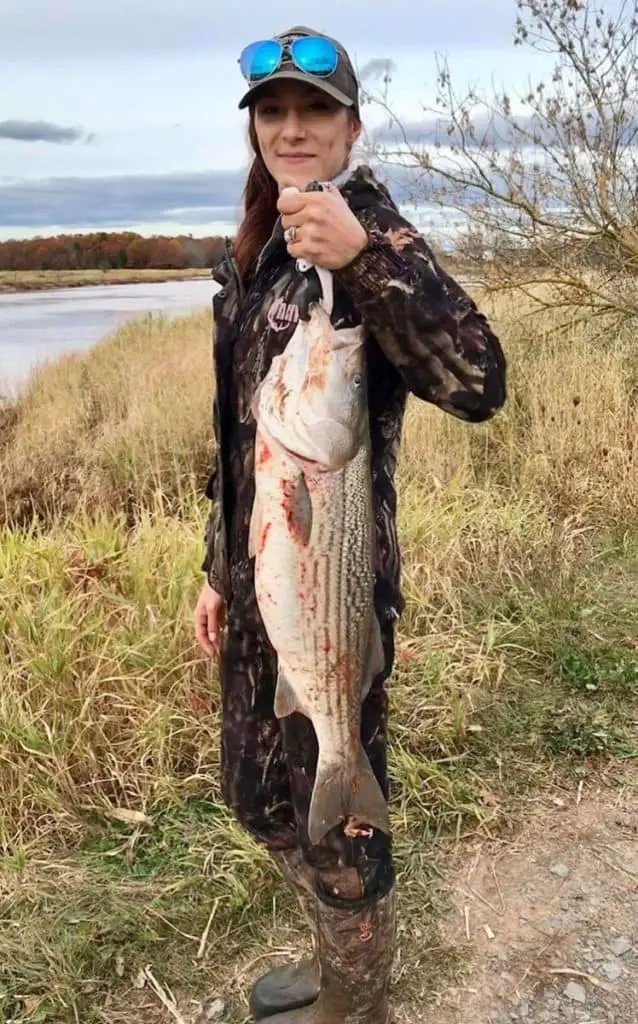
Chantal with her first Keeper caught 30inches 10lb 6oz caught on Shubie river in Shubenacadie Nova Scotia – Cckhoury-fishbrain @mck.outdoors insta- 38″ 23lb Shubie river in Shubenacadie nova Scotia
How To Catch The Big Ones
If you check out the YouTube channel of Eliasvfishing you can get some instruction from him on how they do it for the big ones. However, in summary, he says that he uses a 10/ hook gamakatsu brand octopus hook. He uses 4 feet of leader 40 pound monofilament. The leader is the tip of your line that is tied to the hook. This is usually the same size or smaller than the line that is on your reel.
So if he is using 40 pound monofilament for his leader he’s probably using 40 or 50 or 60 pound monofilament on his reel. So one end of his line gets tied to the hook in the other end of the leader gets tied to a high-quality barrel swivel. So one end of the swivel is tied to the leader, and the other end is tied to the line on the reel. However before he does that he ties on a fishfinder Slider. The fishfinder slider is on the rig set up above the barrel swivel and is there just in case you want to add some weight later on.
Typically he does not use weight unless he needs to later and this way it saves him from having to re-tie his line after putting on a swivel. The fishfinder slider is on the rig set up above the barrel swivel and is there just in case you want to add some weight later on.
Typically he does not use weight unless he needs to later and this way it saves him from having to re-tie his line for putting on a weight. He does this so that if he needs to get into deeper water he may need to add weight for that. He usually uses bunker chunks as bait. That is cut bait in case you don’t know. Go check out his channel it is very entertaining and you will learn a lot.
Mojo Rigs
Another YouTube channel who gave me advice for this article was Daniel DiPasquale channel. He gets real excited about using a mojo rig for striper fishing. He says that they were designed years ago for trolling the Chesapeake. He has used them with success in New Jersey as well. He says there is one called Bluewater candy and he says that it is the original mojo maker. He adds a 9 inch paddle tail shad to the hook first before trolling it. He says it’s best to cut about 1/2 inch off the head of the paddle tail shad before putting it onto the hook. Some people use super glue but he says there is no superglue necessary the way he does it.
There is another mojo rig that is made by magic tail buck tail made by Dante Sarante out of Long Beach Island. Yet another made by Ed at JD Lewers is a widebody mojo that he says is deadly on stripers. He then goes into detail on how to fish a mojo more. He says he uses 10 to 15 feet of 60 pound monofilament as a leader. He then says he drops it straight down until it hits the bottom and then he cranks it up to the four cranks off the bottom and then he trolls his boat 4 to 6 knots. He is very excited and swears by the mojo rig. And if done right he brings in the big ones. I thank him for his guidance on how to do this and I think you should go check out his YouTube channel if these are the type of stripers you seek.
Photo courtesy of Instagram @shoi_sato
Mike Smedley is a common name in the striper world. I have been watching his YouTube videos and learning from him how he does it. He uses a 2/owner circle offset hook then 5 to 6 feet of 12 to 14 pound fluorocarbon leader. He then ties his leader to a quality barrel swivel but before doing that he threads on two glass beads. He always uses glass and says it’s the only way to go and not to use plastic. The reason why is because the glass beads slide together and tap each other and make a tapping sound underwater. This attracts the striped bass to his location where his bait is. He swears by it and says that’s the way to do it. So go check out Mike Smedley YouTube channel for more tips from a pro.
Cut Bait Anchovies For Striped Bass
Next we go to the other side of the country and take some advice from TOSTINMAN YouTube channeI. I checked out his YouTube channel and he gave us step-by-step instructions on how he does it. By the way his rig is very common in the south and south west especially if you are fishing for landlocked striped bass. He uses cut frozen anchovies to fish on the Petaluma River for striped bass. His rig consists of number four baitholder hooks or number four circle hooks. He says you should use frozen anchovies because they stay on your hook better but if you are concerned you can use magic thread to wind around the anchovy and your hook to keep it on.
From what I understood he uses two hooks tied to your leader and then at the bottom of the leader he adds a weight. So from the tip of your leader on up the line it would consist of a 1 to 2 ounce weight, A hook number four bait hook, and then on up about 18 inches another number four bait hook, and then on up the line a barrel swivel, and then the other end of the barrel swivel ties to your regular line that’s on your reel. He gave one more tip if you are fishing in the daytime, if your anchovies are not frozen and they’re coming off, try setting them out in the sun and let them dry out a little bit. Once the fish skin is dried out, it will stay on your hook much better. He says this is the way he does it and he has been catching lots of stripers over there.
The last fishing channel I checked out was a YouTube channel called more than fishing. It was an exciting view as I watched him set up a rig for surf fishing in the San Francisco Bay. The way he set his up is by using 30 pound fluorocarbon leader about 3 feet long and he tied on a number two or number one offset bait hook. Then at the top of the leader he ties that to the barrel swivel. Before he does that he puts on a fish finder slider. Onto the slider he adds 3 ounce weight. Once he gets this all set up he uses softshell sand crabs and a surf fishing rod that is 9 feet long. This helps him to cast far out into Sandy surf. He catches lots of Striper this way. I encourage you to check out his channel if you are surf fishing.
Night Fishing Lakes For Striped Bass
Last but not least, if you are fishing in lakes in the south west like Lake Mojave, Lake Mead, Colorado River, Lake Pleasant, then this is the type of ring you would probably go with. 12 to 20 pound line on your rod with a 1 ounce sliding egg weight. This would tie to your barrel swivel and then about 12 pound test leader. Tie this to a number one or number two bait hook. Some people call this a worm hook. Once you get this ring down you can use either use a whole anchovy or a half anchovy. Try fishing at night because it’s so hot in the daytime and there is not much shade that can be found. You can finish this rig either from a boat or from shore. If you fish from a boat however and you are fishing at night, you may want to bring with you a green LED light that can be dropped in the water.
The fisherman in the south west swear by this and they catch hundreds of fish and you can fish this rig either from a boat or from shore. If you fish from a boat however and you are fishing at night, you may want to bring with you a green LED light that can be dropped in the water. The fisherman in the south west swear by this and they catch hundreds of fish in a night. The reason for it is that the green fluorescent light underwater attracts the microorganisms in the water. Once the microorganisms gather around the light then the shad come from everywhere to eat the microorganisms, and after that, the striped bass to eat the shad. Once you get shad around that light, you can go to town with your fishing rig and bring stripers in all night long. You can check out a post I wrote about the hottest Striper fisheries in the southwest here.
I think we have touched on most of the ways how to rig for striper fishing. If you are reading this and you see that we have forgotten about the way you do it in your area, please leave a reply in the comments. We would love to add it to our article so that it may be more helpful to more people. If you are a fishing guide anywhere in the US and you would like to get some free promotion, contact me in the comments so that I can get in touch with you. I would love to interview more fishing guides and ask you guys a bunch of questions that can be put into a new article like this one. My goal is to be helpful to as many people as I can but at the same time I don’t mind promoting your business. So have at it.
If you have other questions about striper fishing please add them to the comments below so that I can research and write a report. Chances are you’re not the only one who has the question so it may be helpful for other people as well. Thank you for your participation. There are other posts on this site about striper fishing that may be very helpful for you so don’t forget to check them out before you click out of here. Thanks, Darren
So, you’re an avid fisherman and you are planning your vacation in the Southwest region of the United States. You are searching for the best places to catch fish, mainly the striped bass. Here we have compiled some of the best places in the Southwest where you can catch these feisty, fun, unpredictable fish. Of course, when you choose your destination please make sure you have the proper fishing license for that area and know what the limits are when catching/keeping the striped bass. You can choose a fishing guide, to take you out on a boat or you can choose to take your own boat or just fish from the shore.
Top Spot Goes to Lake Texoma Striped Bass Fishing
The top spot on our list goes to Lake Texoma on the Oklahoma/Texas border. Known as the striper capital of the world, Lake Texoma is a 93,000-acre reservoir with 1,250 miles of shoreline. There is an abundance of striper for those avid anglers to stay busy all day.
Share this on social media above.
Lake Texoma has a sustaining natural population of the striped bass. July-September is the optimum time to visit and go fishing for striped bass. It is best to hire a fishing guide if you are going to go to Lake Texoma, but it is definitely NOT a requirement. If you want to do cooler/winter weather fishing, then schedule your trip between January and March. But know, it will be a much different experience. With the cooler temperatures, you have to present the bait SLOW. You also have to reel a lot slower than you would otherwise. To fish on Lake Texoma you can purchase a special fishing license for $8 that allows you to fish in Oklahoma or Texas but it is specific to Texoma ONLY. The limit is 10 fish per person, and only 2 can be over 20 inches in length. The top 5 spots on Lake Texoma to catch striped bass are:
1. Striper Alley
2. East or West Burns Run
3. Platter Flatts
4. Washita Flats
5. Alberta Wall
Second Spot Goes To Lake Pleasant Arizona Striped Bass Fishing
Next, on our list, we are moving to Arizona. We have Lake Pleasant, Lake Mead, and Lake Havasu.
Plenty of choices for a beautiful family vacation and tons of fun fishing experiences.
Lake Pleasant: a 10-acre lake 45 minutes northwest of Phoenix. It is a desert lake that is clean, clear and generally produces an abundance of bass. It is one of the tournament anglers’ top choices for catching the striped bass. Here at lake pleasant, stripers can be caught as deep as 100 feet. Be sure to keep an eye out for a ‘school’ of striped bass feeding on shad, approximately 20 feet deep. The best bait to use to catch the striped bass is spoons or shad-imitating lures. Lake Pleasant offers a marina, boat rentals, cabins, a restaurant and much more.
Next Striper Fishing Spot Lake Mead Nevada/Arizona
Lake Mead: this is a man-made lake on the Colorado River with the best and most exciting fishing between the months of July and August. The average striper here is 5-10 pounds, with plenty of 20-30 pound ones available too. Watch for enormous schools on the surface. Overton Arm of Mead is the most productive fishing and has one of the best catch rates. Lake Mead borders Arizona and Nevada so make sure you check the fishing rules and regulations for both states. You will generally find striped bass near points of land and open coves in the early morning and late afternoon. There is a 20 fish limit per day.
Lake Havasu Striped Bass Fishing
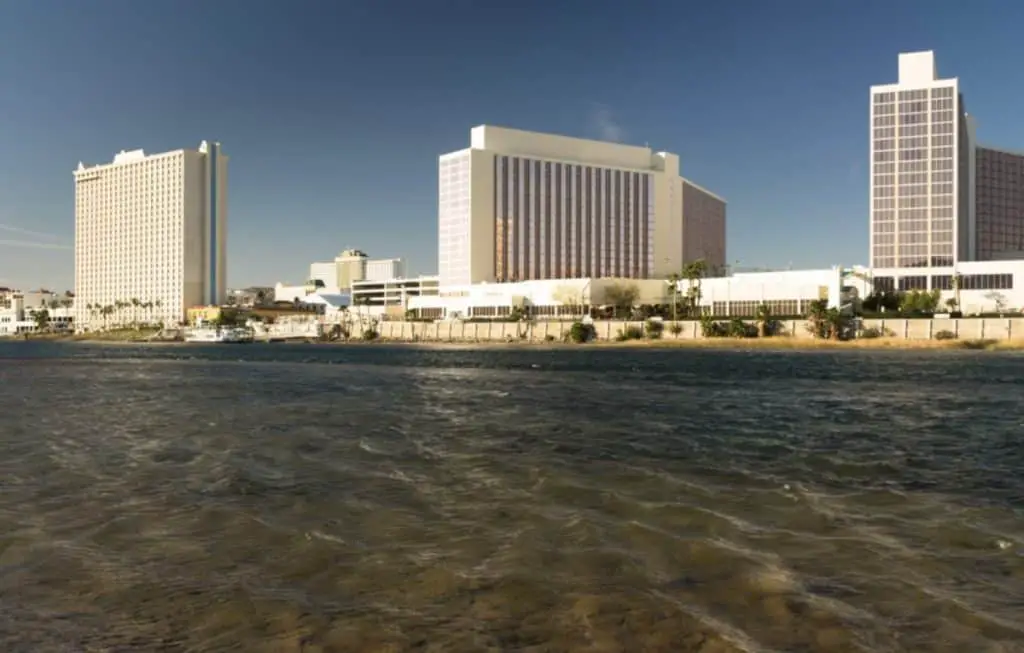
Lake Havasu: bordering Arizona and California it is 25 miles long and has 19,300 surface acres. Striped bass can be found in shallow to medium depths between 65-69 degrees. The key to success is to cover LOTS of water, as they can swim up to 15 miles a day in search of food. Anglers prefer night fishing because the striped bass is more active. Here at Lake Havasu, October and November are the prime fishing months if you are in search of the striped bass. You will find huge schools on a feeding frenzy, preparing for the colder temperatures that are on the way.
Southern California striper Photo courtesy of @socalskifflife
Lake Mojave Striped Bass Fishing
From Arizona, we are going to move to the beautiful country of Nevada. Offering plenty of nightlife and other sites to see that are family-friendly and can produce great memories for you and your loved one. But if you are an avid angler that wants to spend your vacation on the lake, instead of in a casino, then we have the perfect spot for you.
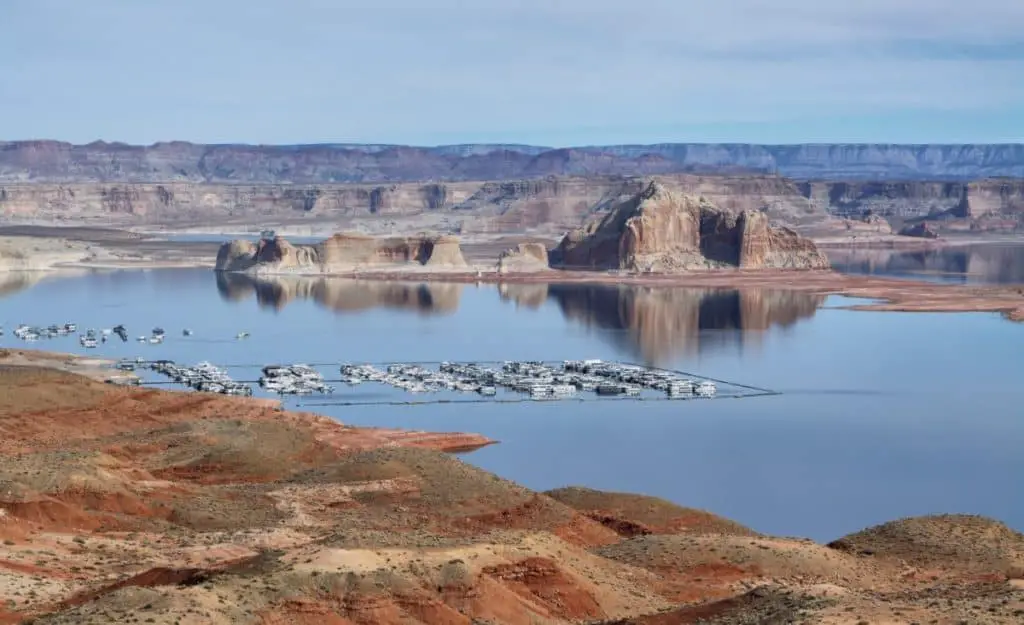
Lake Mohave: this lake covers over 30,000 surface acres and is a 64-mile long reservoir with a maximum depth of 120 feet for all of your fishing adventures and enjoyment. The widest section is 4 miles wide and is called Cottonwood Basin. The optimum times to fish for striped bass on Lake Mohave is going to be April- November. The recommended time is early morning or later in the evening using frozen anchovies, live shad or lures. In the cooler months, you will find the striper bass hanging out in the coves or off the points near Davis Dam. In the warmer months on Lake Mohave they striped bass will be abundant around the upper lake where there is a current from the Hoover Dam.
Elephant Butte Striper Fishing in New Mexico
Our final destination for catching the striped bass is going to take us to the Land of Enchantment. We are headed to New Mexico. While you are there, if you can, they have an amazing hot air balloon festival in Albuquerque. For you fishing enthusiasts please take a look at the information that we have for you.
Elephant Butte: 35 miles of beautiful water with 36,000 acres of surface this is a great place to catch the striped bass, especially in the areas of Caballo Lake and the Rio Grande. Striped bass is fun to catch but can be unpredictable and tricky. Fishing guides recommend using soft plastic swim shad. These are the most realistic and the striped bass seem to bite on them the most. It is advised that if you are going to be going out on a boat, to use a very good fish finder to make sure you have the correct depth and can spot the most fish. Striper likes to say deep. Keep a close eye out for seagulls and fish feeding on the surface. This is a great indication that there are striped bass close by. When you are fishing in clean water at Elephant Butte an increase in speed will trigger more bites than reeling in slowly.
With all of this information on striped bass and the best hot spots, now your only decision is going to be which one to choose. Where to take the family and possibly catch the biggest striped bass. Make sure to double-check all rules and regulations no matter where you choose to go on your fishing adventures and most importantly, have an amazing adventure!