There is a long list of freshwater fish that are great to feast on. Walleye, perch, crappie, and catfish just to name a few. There are also many ways that you can prepare fresh caught (or store bought) striped bass; roast, grill, and bake are the most popular. Most anglers know the best fish to eat and the best ways to prepare them. What if you are not as experienced? Well, that is what I am here for.
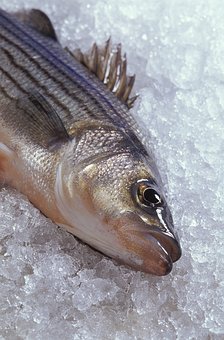
Are striped bass good to eat? Striped bass, also known as striper or rockfish; are healthy, versatile, and delicious. You can cook them on the grill, in a skillet, in the oven, or even in the broiler. Striped bass is a meatier fish that has a natural sweetness and is flavorful. No matter how you choose to prepare your striped bass, it is going to be an amazing meal.
Let’s answer a few more of your questions about striped bass, preparing, and nutrition. Be prepared to want to go out and catch some striped bass for your next meal.
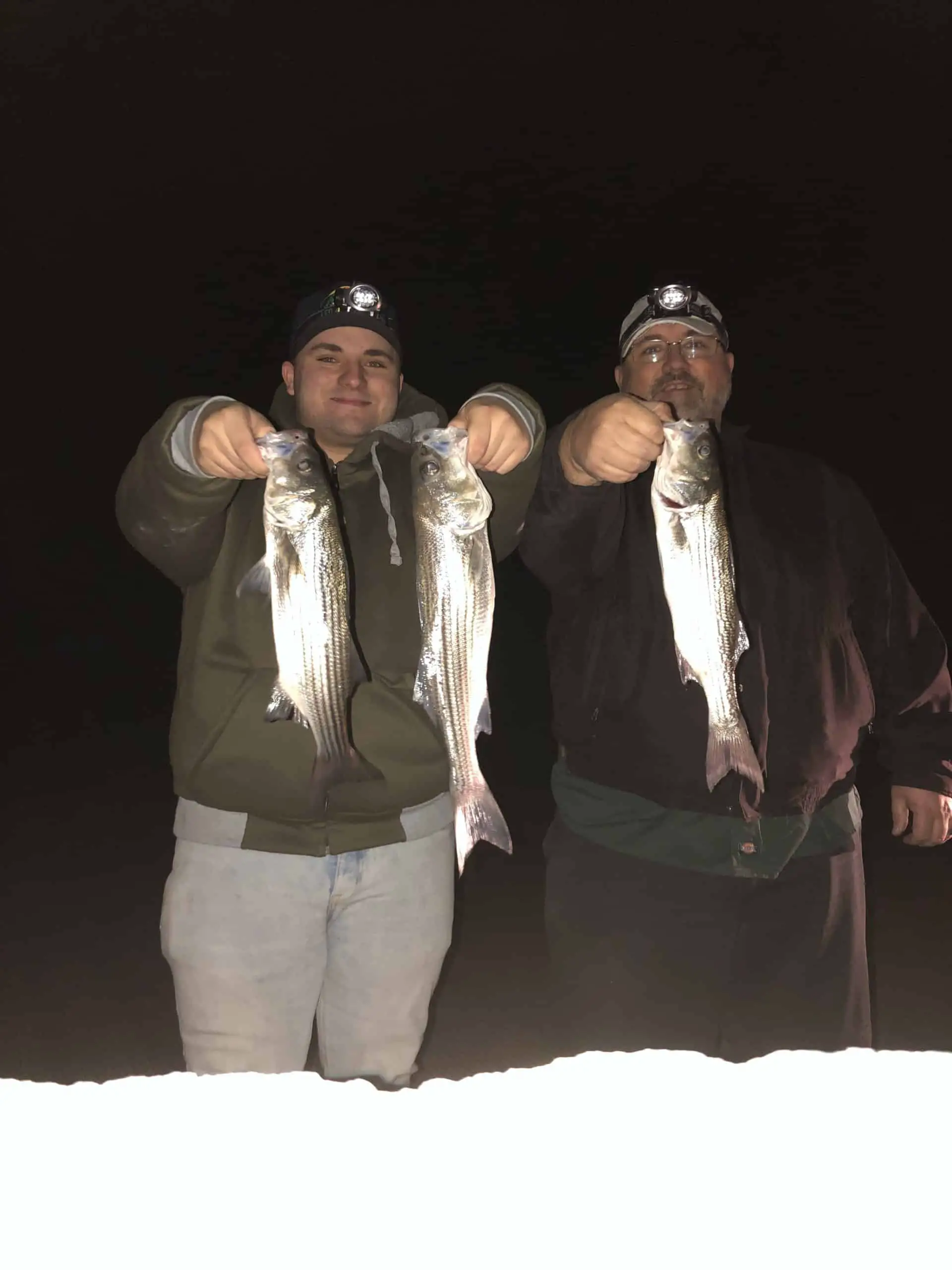
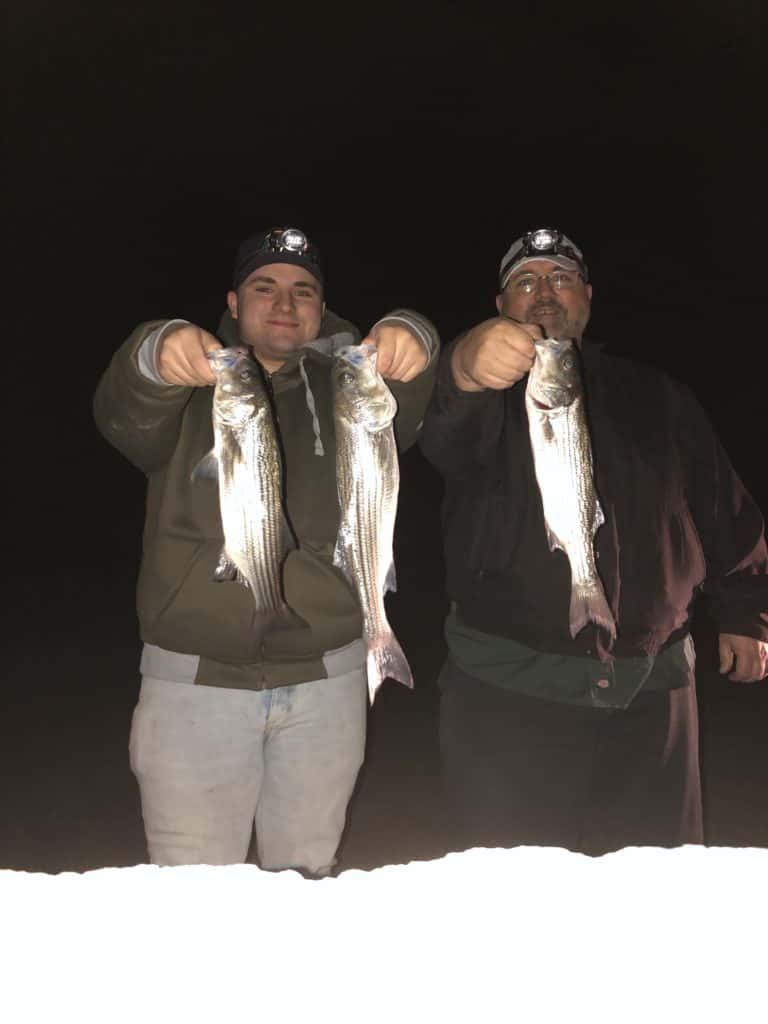
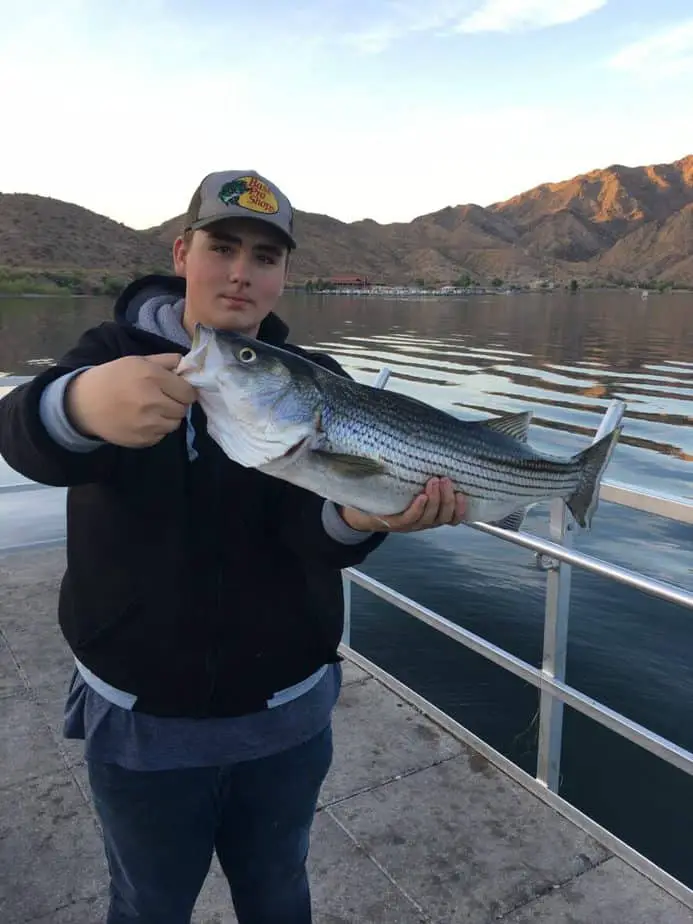
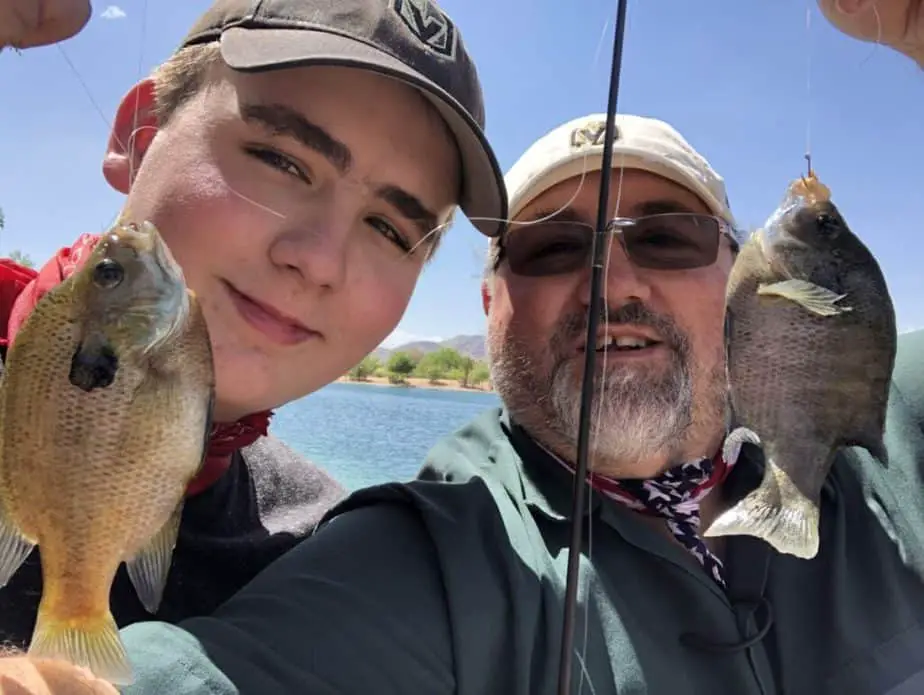
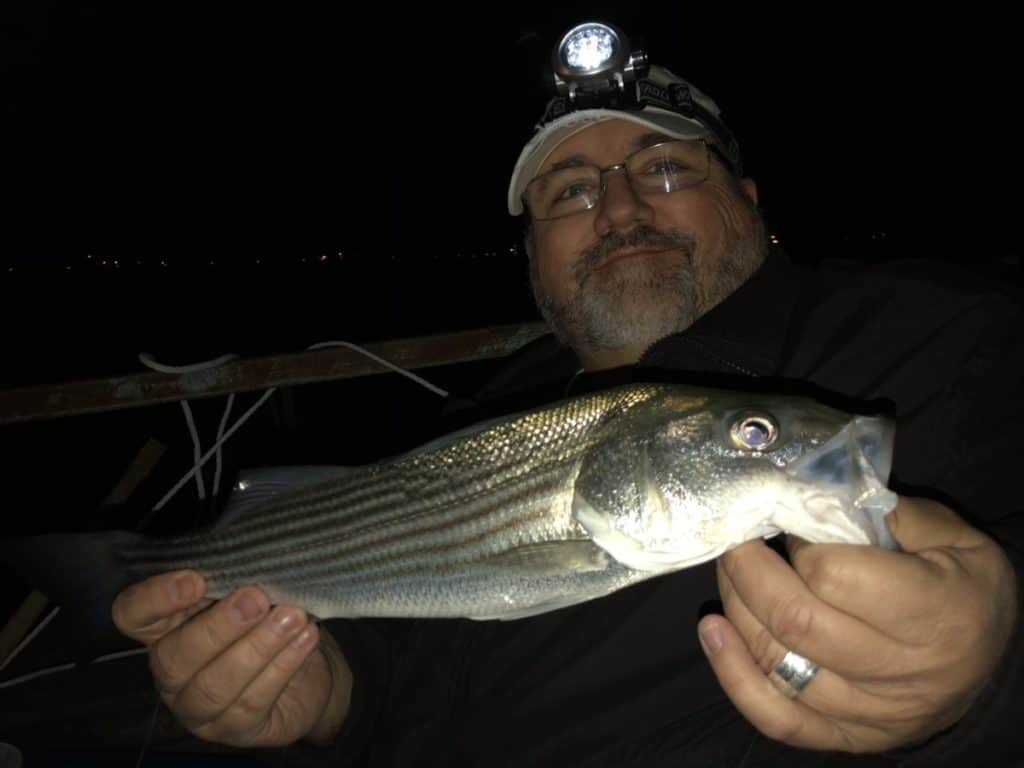
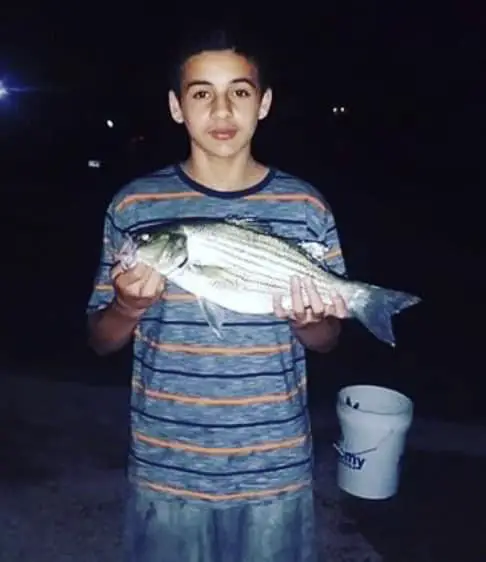
My son Sheldon and I with some Lake Striped Bass from Lake Mead, NV
Can You Eat Striped Bass?
Any fisherman who lives on the East Coast will tell you that striped bass is definitely one of the best fish to eat. It is, however, not an easy fish to clean. If you fail to handle the red meat, down the middle of the fish, properly; then the fish may end up with an oily texture, no matter how you prepare it. (that’s the secret! cut out the red line)
Is it OK to eat Striped Bass?
It is definitely OK to eat striped bass! Broiling a striper is one of the best ways to prepare them. When your broil a striped -bass you are retaining more of the flavor than cooking it in other ways. Butter, lemon juice, paprika, salt, and pepper are all you need. 180-200 degrees for ten minutes, flipping the fish over after five minutes. Voila! Enjoy your striped bass with some fresh steamed veggies, a salad, or whatever you choose.
Does Striped Bass Taste Good?
According to avid fishermen on the East coast, and me too, striped bass is one of the best fish to eat. They have a wonderful texture and are also meatier than some other fish. If prepared properly, striped bass tastes amazing. Set your striped bass fillets on a grilling plate, season them to taste, placing the grilling plate on the hot coals. Within just a few short minutes you will have some amazing tasting grilled striped bass. Serve with some grilled vegetables and an ice-cold drink, for the perfect healthy dinner.
There have been hundreds of studies, done at Universities all over the world, to determine the health benefits of eating fish. Yes, striped bass is a healthy fish to add to any dinner menu. They are good for your cardiovascular health, a great source of protein, and they provide Vitamin B12 and Iron. One serving of striped bass actually has more protein in it than three servings of most other fish. What do you say, shall we go fishing?
Are Lake Striped Bass Good to Eat?
Tender, white flesh; flaky when properly cooked, Lake striped bass is a wonderful meal to put on the dinner table IF you catch them in clean, clear water. If the bass is caught in muddy or stagnant water, they will have a muddy flavor. No amount of seasonings is going to cover up the muddy taste. Most anglers just throwback lake-striped bass. It is a general agreement that they are a lot more fun to catch than they are to eat.
Conclusion
Striped bass is a healthy, safe-to-eat fish. You can cook them in a variety of ways, with the seasonings of your choice, and they are going to come out absolutely amazing. There are a huge array of recipes all over the internet that you can try if you are new to cooking striped bass. Striped bass is found on the Atlantic Coast of North America and also many recreational fisheries all over the United States. If you are not one to go out and catch your dinner, but you love to eat fish, check your local grocery store or fish market for the freshest, best-striped bass in the area.
Willow Beach is a long-time classic fishing destination. It’s a part of Lake Mohave on the Colorado River. The black rock canyons are just below Hoover dam and are part of Lake Mead National Park. Its Cold waters are on the north of Lake Mohave.
I’m going to share stuff here that you won’t find anywhere else.
Back in the day, they used to catch huge rainbow trout out of that little beach. I remember when I was a kid they had a café in by where the store is. Other Species we caught were Carp, Catfish, and Bass.
Inside the café, we used to go there to eat breakfast in the mornings before we went fishing or we would go fishing early and come to the café after a couple of hours of fishing. Inside the café.
The walls were lined with hundreds of pictures of anglers with their catch. These were all rainbow trout at the time and you had to have a trout over 5 pounds to get on the wall.
There were also taxidermy trout on the walls along with other wildlife that you can find in the area. If I remember right there was a bighorn ram mount at the front entrance.
Later on, as I grew up in the 80s and 90s the decor changed a little bit. The trout pictures were still on the wall but the trophy at the front of the store was in a case and it changed to a striped bass.
Around this time striped bass got out of Lake Mead into the river system. They had a heyday eating up trout.
Because of that, they grew to enormous sizes. I can’t remember exactly but I seem to recall a striped bass in the display case that was over 60 pounds if I remember right.
This place is the iconic big fish travel destination. There have been people coming here for decades to catch big fish whether they be trout or striped bass.
Willow Beach, Arizona is a popular destination for fishing enthusiasts living in Las Vegas, Nevada. One of the main reasons for its convenience is its proximity to the city. Located just an hour and a half drive away, it is a relatively short drive for those looking to escape the hustle and bustle of the Las Vegas strip and enjoy some peaceful time on the water. Additionally, the drive to Willow Beach takes you through beautiful desert landscapes, making for a scenic journey.
Another reason for its convenience is the variety of fish species that can be found in the area. Willow Beach sits at the base of Hoover Dam, where the cool water released from the dam creates an ideal habitat for a wide range of fish species. Anglers can expect to catch rainbow trout, striped bass, catfish, and even the elusive razorback sucker.
The fishing itself is also convenient at Willow Beach. There are several boat ramps, fishing piers, and shore fishing spots available, providing ample opportunities for anglers to cast their lines. The park also offers several amenities, including restrooms, picnic areas, and campgrounds, which are perfect for those who want to make a weekend out of their fishing trip.
Willow Beach also offers a great option for those who want to fish without the need of a boat, as the fishing pier is open all year round. This is a great option for families, and the park is also well known for its educational programs that teach kids about the importance of conservation and the different species of fish found in the area.
Willow Beach, Arizona, envelops you in a tranquil oasis of serenity, where the gentle lapping of the Colorado River against the shore creates a soothing symphony of nature.
Finally, for those who are new to fishing, the park staff and local fishing guides are always willing to offer tips and advice to help make your fishing experience a success. With all these factors combined, Willow Beach offers a convenient and enjoyable fishing experience for those living in Las Vegas.
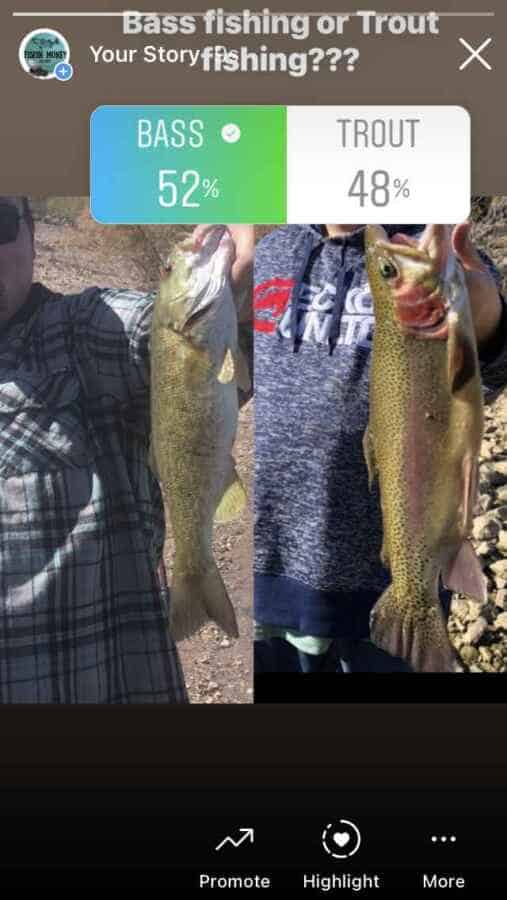
I took a 100 person survey on facebook if people like bass fishing best or trout fishing best. Here’s the results.
Can You Swim at willow beach?
There is no swimming allowed at the marina but if you go outside the buoys you can swim. You should be warned that the water is ice cold year around though.
Do I need an Arizona fishing license to fish at Willow Beach?
There is a lot of confusion unless you already know about whether you need a license to fish at Willow Beach or not.
First of all yes you do need a license to fish at Willow Beach. However, if you have a Nevada license that will work as well.
It doesn’t matter if you are on a boat or on the shore as long as you have a Nevada or an Arizona license you are good to go.
Do I need a stamp for Arizona or Nevada at Willow Beach?
The answer is no. Some time ago they did away with the stamps. Now when you buy the license it is included with the license if you get it in Nevada or Arizona does not matter.
Do I need a trout stamp at Willow Beach?
Again the answer is no. Back in the day you used to have to buy a trout stamp but nowadays that is included with the license as well no matter which state you come from Arizona or Nevada.
[ninja_tables id=”80473″]
Do I need a stamp for a second pole at Willow Beach?
Once again the answer to that is no. It is included with the license and you can have up to two poles but a maximum number of three hooks between the two poles.
So I usually fish one pole with one hook in the other pole with two hooks. At the end of this article, I will give you a willow beach fishing Report for 2021
Can I catch striped bass at Willow Beach?
The answer is absolutely yes you can.
What are the recommendations for catching striped bass?
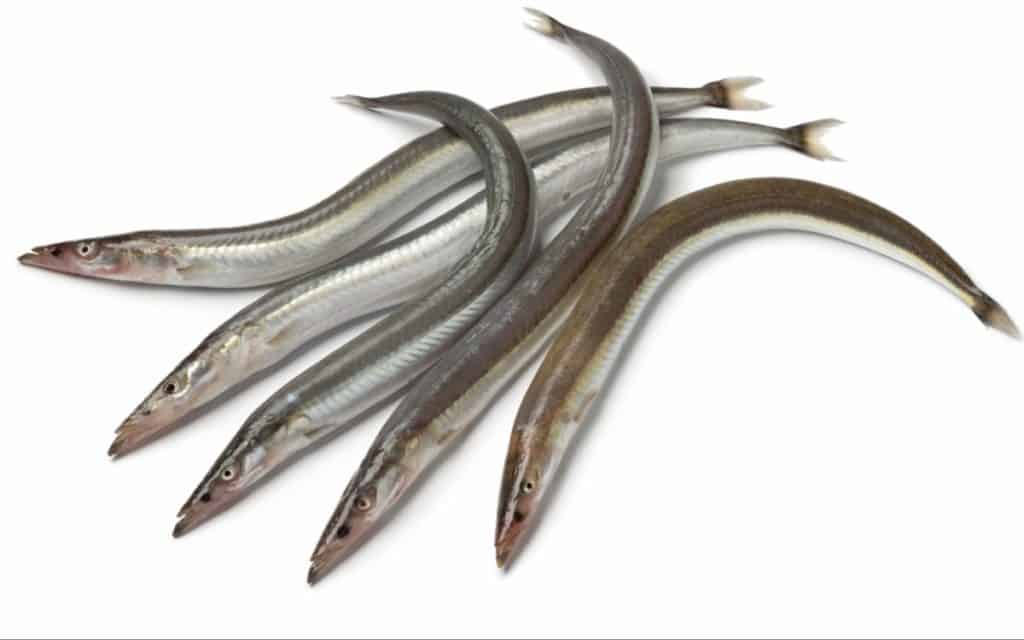
Well you can do it similar to the way you do it in Lake Mead- bait fishing with anchovies that are frozen.
Cut them in thirds and put them on a standard worm hook. Use about 1 ounce of weight and toss them out there about as far as you can get them.
If you are on a boat you can do the same thing or you can go upstream a ways and float down slowly with an anchovy on the hook slightly above the bottom.
Another recommended way to catch striped bass is using baits that mimic baitfish. Either a lure that mimics a shad or one that mimics a trout or even bluegill.
These are terrific to use because the bass and the striped bass love to eat these smaller fish, especially trout.
In case you did not know trout are stocked at Willow Beach every Friday. When this happens it’s like buffet time for the striped bass. This would be a good time to throw out a swim bait that looks like a trout.
last but not least you can use live bait which you can get from my buddy mike wigglerarmy.com
Can I catch trout at Willow Beach?
Again the answer to this is an astounding yes.
How do you catch trout at Willow Beach? I would suggest the old standby Berkeley power bait and fish somewhere around the picnic area by the store or the fishing pier over by the hatchery.
Probably the best place to catch trout. Anywhere in between that is able to be official legally is good as well. If you have a boat or kayak you can go up or downstream and fish The coves. The trout like to hang out in there as well and you can catch some real big trout at Willow Beach.
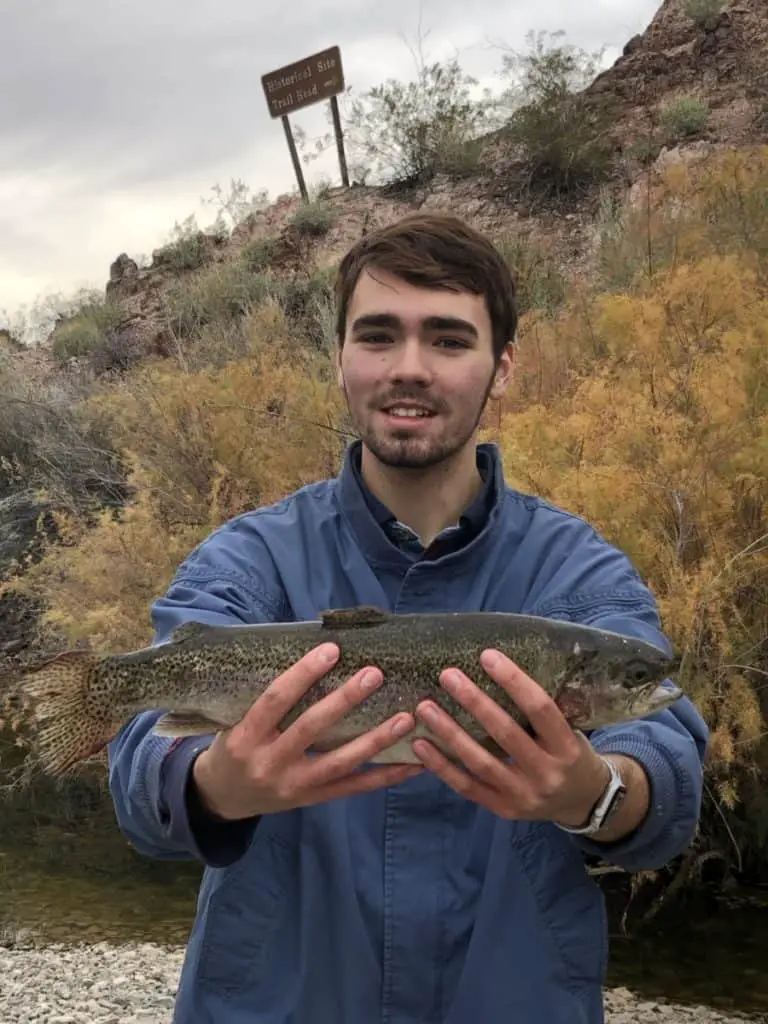
Both of my sons have caught 5-pound trout there. In case you were wondering yes this was recently it was 2020.
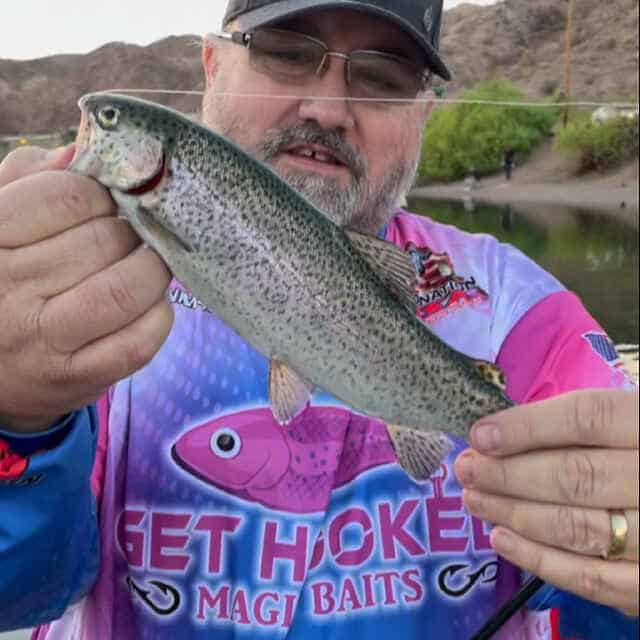
My son Lorin at Willow Beach – This Rainbow Trout was caught on a Berkley Mousetail
I know the best do you eat the trout but the hatchery also put out some very large ones for the anglers to catch. You can also use lures like spinners for trout and even jerk baits that are semi-small.
Another popular soft bait or mouse tails made by Berkley. Also, regular old nightcrawlers are a great option. You can get them from my friend mike wigglerarmy.com
Marshmallows are a good bait for trout as well. Some people use the garlic-flavored ones made specifically for fishing but the little colorful marshmallows that you put in your hot cocoa do a nice job too. (the garlic flavored ones give me bad breath)
Lastly, a super very good option is wax worms or mealworms that you can get at the store at Willow Beach. Keep in mind Arizona time is different than Nevada time most of the year and the store closes fairly early.
The first tip I would give you is to try to fish in the off hours to beat the crowds.
A lot of people go down to Willow Beach If you try to go during a holiday weekend you are going to fight for elbow room. I would say if you go in the morning during the week that would be a terrific time.
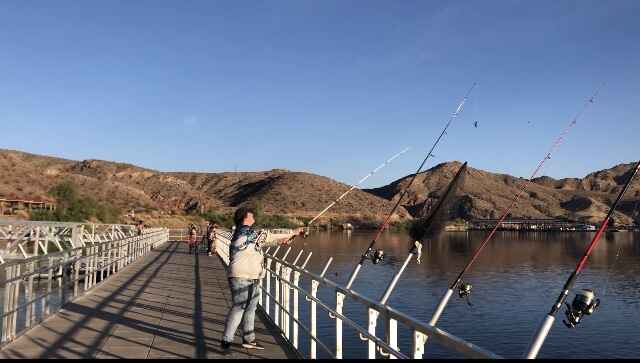
Ethan Enns fishing on the pier at Willow Beach during an off time when there are not too many crowds
It doesn’t matter if you are going just to kayak or if you are fishing, the middle of the week is a good time.
Late in the evening is also a good time. Only the most diehard fisherman are out there after about 10 PM so getting a spot is not so hard except maybe on the weekends. They do have a very nice fishing pier at Willow Beach and it’s quite large but in the late summer, there’s a lot of grass around the pier so it’s kind of difficult to fish.
If you are going to fish the pier in the late summer you are going to want some sort of gear that you can cast out very far. This will get you out past the grass and give you a better chance of getting a striper.
Mouse tails and wax worms seem to do the best on trout if you can see them. Plop one of these baits in front of them and you can usually get their attention with it especially the wax worms and regular worms.
The best piece of advice I can give you if you want to catch trout is to go there on Friday morning. Prepare for heavy traffic along the shore because a lot of people know that the department of wildlife stocks Willow Beach at the ramp on Friday mornings at about eight.
Watch out for the no fishing signs. You need to stay in the designated fishing areas which are a little ways away from the docs. If you are fishing for striped bass this is a good time too. Because the stripers come in to eat the trout. Putting something out there that looks like a trout is a good bet during this time.
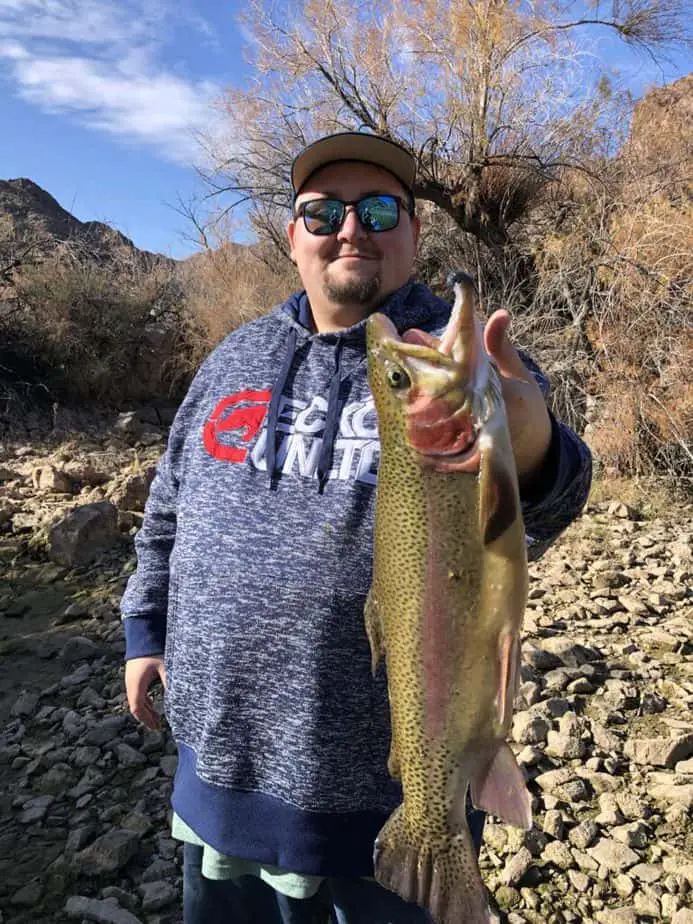
A Colorado River Rainbow Trout caught off the fishing pier at Willow Beach south of Hoover Dam. Caught on Berkley Power Bait. Orange
Willow Beach trout stocking schedule 2021
All I can tell you is that they stock Willow Beach at about 8:00 AM every Friday morning. There are occasions when that schedule is changed for example during Covid lockdowns they did not stock for quite a long time.
There may be other reasons why they don’t stock for example if it is a holiday. Other than that they are pretty regular about it.
Willow Beach Fishing Guides
There are fishing guides that will take you fishing at Willow Beach. The one I recommend is Travis Pitt Bass Experience.
Tell him Darren from FishinMoney sent you.
Willow Beach Fishing Report 2021
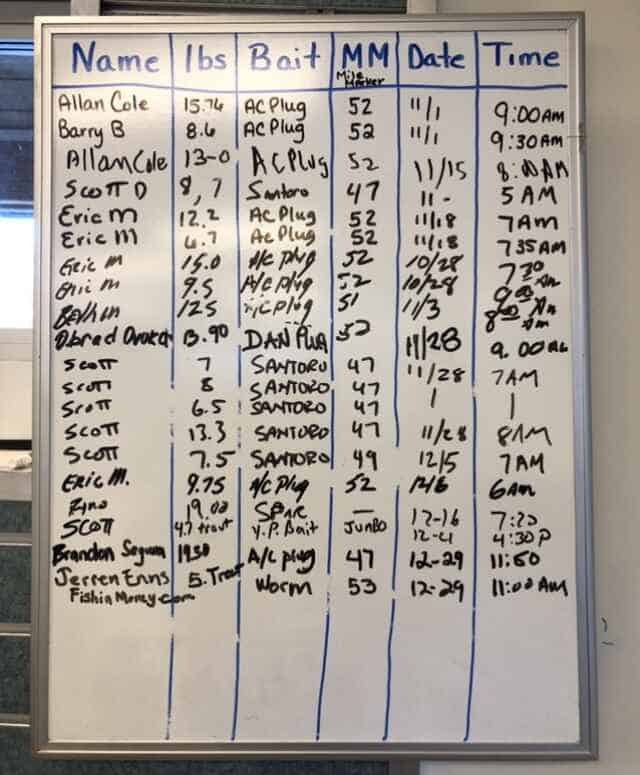
It’s willow beach. itseveryones favorite place to go get skunked. However if you follow the tips I give in this article you can also hit one out of the park. Oh and if you land-a big one, make sure to stop at the Willow Beach General Store and put your name on the board! and Tell em FishinMoney sent Ya!
That’s my boy at the bottom Hey Who else shows you this stuff? That’s Right FishinMoney got your 6.
Many Americans can not wait for spring/summer to roll around, because that means lake time. Lake time means fishing! No matter what your fishing experience is, all fishermen just want to catch as many fish as possible. Some fishermen believe that all you need to catch more fish, is practice. Fish every chance you get and you will get better. Yes, that is true; but there is also one very important aspect (or maybe a few) that most fishermen do not consider, unless they are professionals. If your job is fishing, and you are in every tournament available then you know what we are going to discuss first. After the main concept we will throw in a few other tips and tricks.
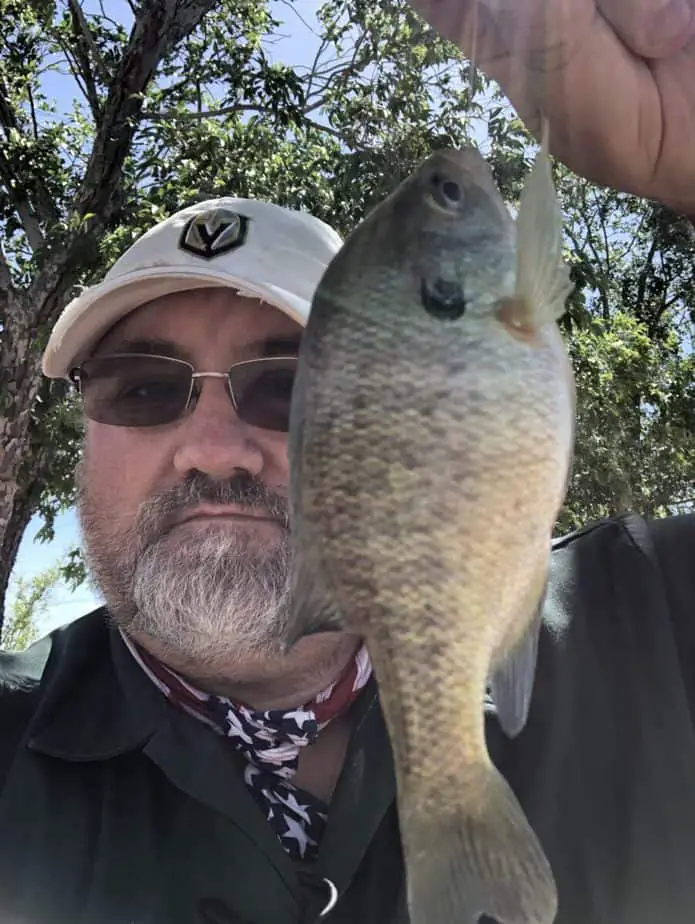
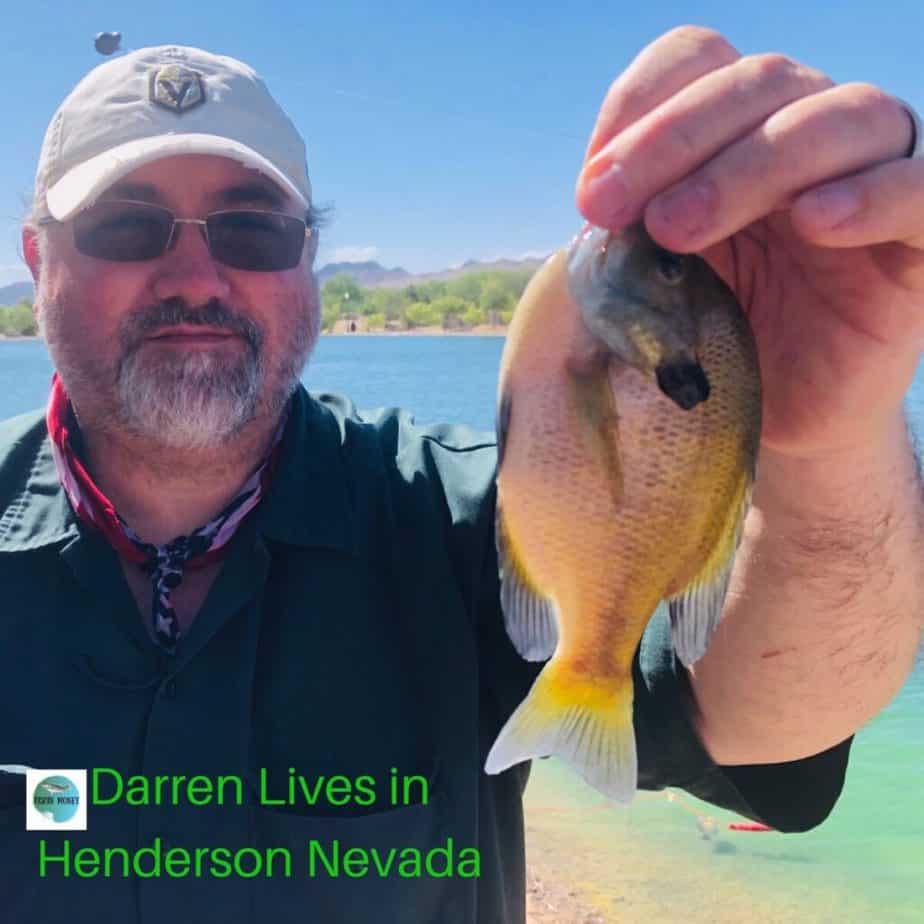
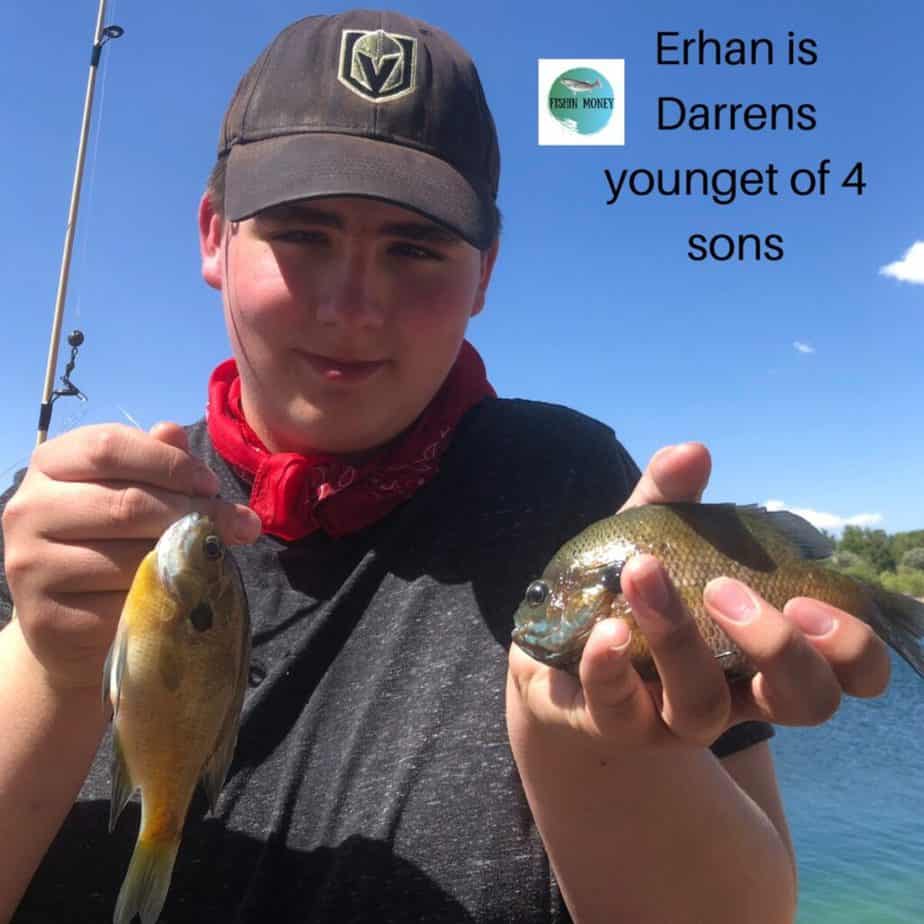
author Darren Enns (me) with my bluegill catch
There is one particular thing that seperates a good fisherman from a great fisherman, knowledge. Yes, you can watch “how-to” videos on youtube, but most of those famous youtubers have the knowledge that we are going to talk about.
Learning this knowledge means getting out and learning it, not watching or hearing someone explain it on a PC or smartphone video. They are informational, yes. But ‘hands on’ is even better. Knowing the area, the surroundings, the water, and the specifics about the species you are trying to catch is going to be more productive than anything. We are briefly going to touch on some of the best things to observe and learn to improve your fishing.
Decide what species fish you are targeting
First and foremost you need to observe and learn about the species you are fishing for. Focus on their underwater movements, what stimulates them, and be aware of the prime locations where they hang out. Find out when and where they hang out, what the best time of day is to fish (whether it is in the morning, evening or in the dark), when they spawn, and when they feed.
I did a 100-person survey on my Facebook page and asked if people like trout fishing more or Bass Fishing more. Here are the results
Learn water characteristics of your chosen species.
Water characteristics are very important as well. Learn the temperatures of water that the fish prefer, the clarity of the water, and be very aware of the tides and currents.
What is nature serving you?
A lot of anglers rely on modern technology, like fishfinders. But do not ignore nature. Nature is an important aspect of catching an abundance of fish. The wind, birds (or lack of), the presence of baitfish, and the calmness of the water are only a few tell-tale signs of a good or bad fishing day.
What are the best lures for your chosen fish?
You also want to obtain extensive knowledge on the best lure(s) to attract your specific target. This goes hand in hand with learning all you can about the fish you want to catch. Weather, time of day, and season are things that will determine what lure is best, as well as what kind of live bait they like. Some lures are made to replicate live bait and work extremely well. If you figure out the lures, then you know what to take with you and you are not wasting fishing time by changing lures. An extension of knowing the lures; learn which hooks and fishing line are essential for the lures you are using.
How To Improve Your Fishing -With FishinMoney
Learn what forage and vegetation your species fish prefer.
Another aspect that will help you improve your fishing; learn the forage and vegetation that the fish prefer. Certain fish like to hang close to or hide under specific forage or underwater structures. Along with this, find out what other places or objects they like to hang around or under; such as docks, bridges, and coves.
You have to be willing to be a student of nature, to learn and observe everything you can that is affiliated to fishing and improving your fishing skills. Some young men (and women) had a grandpa or father that was very knowledgeable about fishing and the area. Others went out fishing with dad just to bond or have fun. A relaxing day after a long week of work, school, and chores. Not worried, at all, about catching anything or improving their fishing.
You can check out a fish habitat conservation lesson here
Darren Enns Sunfish (BlueGill)
Other considerations
Then you have the professionals who know the in’s and outs of a particular species and their 24/7 habitat and routines. They are on a mission, everytime they are on the water, to improve their fishing. They study the fishing reports, the tide schedule, and always have their television on the weather channel. You can also find a seasoned angler in the area, who grew up there and they could teach you everything that you need to know. They can share their tips and tricks with you.
If you are going to go fishing in a new state or body of water, you can also hire a fishing guide. Fishing guides know the area like the back of their hand. The majority of fishing guides grew up in the area that they guide in, started fishing as a toddler, and have made fishing their life. They will take you out on their boat, and teach you the essentials on catching fish. From the weather, to lures, rods and reels, and techniques. Some can be affordable and some a little more expensive, but well worth the money.
If you want some easy tips and tricks to improve your fishing, we are going to give you those now.
Practice casting
One way to improve your fishing is to practice casting. You can do this on or off of the water. All you need to do is find an object or target and cast until you can hit that target. This will help you to be able to cast your line right on top of where the fish are.
Learn a couple of knots
Practice your knots. Knots are on of the most important parts to fishing, but are also one of the most overlooked things. Following fishing blogs, like ours, to get tips and tricks on how to improve fishing. You can also gain knowledge on the best lures, live baits, rods, reels and anything else you want to know or learn.
Keep your hooks sharp
When your hooks start to get dull change them! You want the best hook-ups possible and you can
only achieve that with sharp hooks. Make sure your rods and reels are clean. This is vital to your fishing success. If everything is clean, it will work properly when you hit the water.
There ya go folks! How to improve your fishing. I hope you enjoyed the article and get some great results from our suggestions. Stop by again soon to what else we will have in store for you.
If you are having trouble getting fish to take the bait but you can see them chase your lure, you can check out this article that may help you pinpoint why.
Are you seriously looking turn your hobby into a business? I recommend joining Income School. I’ve been an Income School member for a little over a year and joining was the best decision I’ve made in working toward my business goal.
In conjunction with and continuing with previous article; ‘when fish are jumping but not biting’, what do you do when you notice the fish are following your lure right up to the boat/shore and then they turn and swim away? A lot of the same principles apply here as with the earlier article. The same principles apply as far as trying to determine whether it is going to be a good or bad fishing day, the moment you arrive at your destination. Here we are going to cover some other possibilities of why this happens and what you can do to remedy the situation.
Mix up your retrieval speed
Before you go out on the water or find a cozy quiet place on the shoreline, evaluate the weather and what nature is telling you. Come up with a plan on how you want to approach fishing for the day. Stick to the plan, have fun, and be patient. As the day progresses, nature will continue to give you hints about the fish and whether it is a good day to catch them. Make sure that you have all the most popular lures for the type of fish you are seeking out. Color, size, trailers, and any extras that you can think of.
If you can physically see the fish following your lure, you get excited. You think this is the one, it is going to strike, and then BOOM; it turns and swims away. Your heart sinks, and you cast again. Some anglers believe that the fish are telling you something. They are suggesting that something is not quite right. You are on the right path, doing the right things, but something is just a little bit ‘off’ and it is causing them to swim away instead of bite.
When this happens, you will then need to begin the process of elimination and experimentation. They obviously like something about the lure you are using but dislike another aspect of it. The easiest thing that you can try is your retrieval speed. But if they are following your lure now, is that really the issue? Some would say that it is not, but others would say that you should still mix it up and find out for sure.
Try mixing up the color.
Your next possibility is going to be changing the color of the lure. Not the style/type, just the color. Maybe they like the lure you are using and the size you are enticing them with, but the color is not quite what they are looking for. So, you go through your tackle box and retrieve your various colors. Make sure to give each new change time to work (or not work). As you are changing the lure colors, experiment with the speed of retrieval or the way you are jigging the lure.
Change lure size but go back to original color.
If changing colors doesn’t seem to be working, then some anglers suggest that you go back to your original color but change the size of the lure. Go down a size and see if something smaller is what they are craving. See if your jigging method with a smaller lure entices the attack. It may get a little boring but try to be patient. They are following but not biting the lure for a reason. It is just going to take a little time to figure out what they want. You can also try moving to a shadier spot and trying out some topwater lures. But don’t get discouraged if you don’t figure it out. It just may not be the day to catch any fish. But only to be able to observe them.
Try adding a trailer
One other way that anglers have suggested, who have had this exact same issue with picky fish; if you are using a jig or a spinner bait, try adding a trailer. If none of these options are working for you it possibly may just not be your lucky day. The fish are just there to tease you and make your mouth water, thinking of the amazing ways that you can cook them up.
Do you need to attack from a boat or on shore?
As with our earlier article, read nature. What is the atmosphere telling you? Is it calm, quiet, cool, cloudy, and are there birds present? If there are birds present, then you will need to decide if you want to launch your boat into the water or if you may have more luck from the shore. There are so many variables and speculations on why you are or are not having any luck catching fish. Especially when you can clearly see other anglers catching them right and left.
Maybe just relax…
If you are on vacation and fishing in a completely new area, take a break. Have lunch at a local café or go hang out at the local bait shop and see what the locals are saying. They will know the area extremely well and can tell you different things to try, the ‘lucky’ spots for certain species, the perfect time of day, bait/lure to use, and anything else that may help you out.
If a certain species of fish is ‘teasing’ you by following your lure, and then shunning it maybe you need to try fishing for a different species all together. Completely change your lure/bait and see if you can entice a different fish to strike. It may just be that a species isn’t interested or hungry at that point and instead of stressing yourself out, by trying to figure out what they want, aim for something else. Many bodies of water that hold fish, have many different species swimming around together. You may have to change location completely or you may just have to worry about casting further out. Completely change to top water and go find a nice quiet cove. Troll out deeper or closer to ledges or forage and see what you can entice. There are so many different reasons why fish do what they do and not even an expert has all the answers as to why you are not catching fish.
When most fishermen go out, it is to relax and unwind from a busy week at work. So, try to focus on that. Enjoy your unwinding time (or your vacation) and not focus so much on why they are not biting. Enjoy the water and the company, if someone comes along, and enjoy nature. Catching fish for a meal or 2 is just a bonus.
Bluegill Haul by Ethan Enns
Are you seriously looking turn your hobby into a business? I recommend joining Income School. I’ve been an Income School member for a little over a year and joining was the best decision I’ve made in working toward my business goal.
There is no question that fishing is something that has brought together literally millions, perhaps even billions, of people over the centuries. Many fond memories have been made between father and son, nephew and uncle, aunt and niece, and between childhood friends as well.
Indeed, in the 90’s country music video “Feed Jake” by Pirates of the Mississippi, there is a scene where two young boys are headed out to a lake with fishing poles in hand! However, much like this ancient pastime, the art of debating things seems to be a pastime that is old as society itself.
Of course, you might be asking, just what is there to debate when it comes to fishing? Well, as it turns out, actually plenty of things. One of the most pressing would be this question: is fishing considered a sport or simply just a hobby? Either way, it seems that everyone has an opinion on that age-old question.
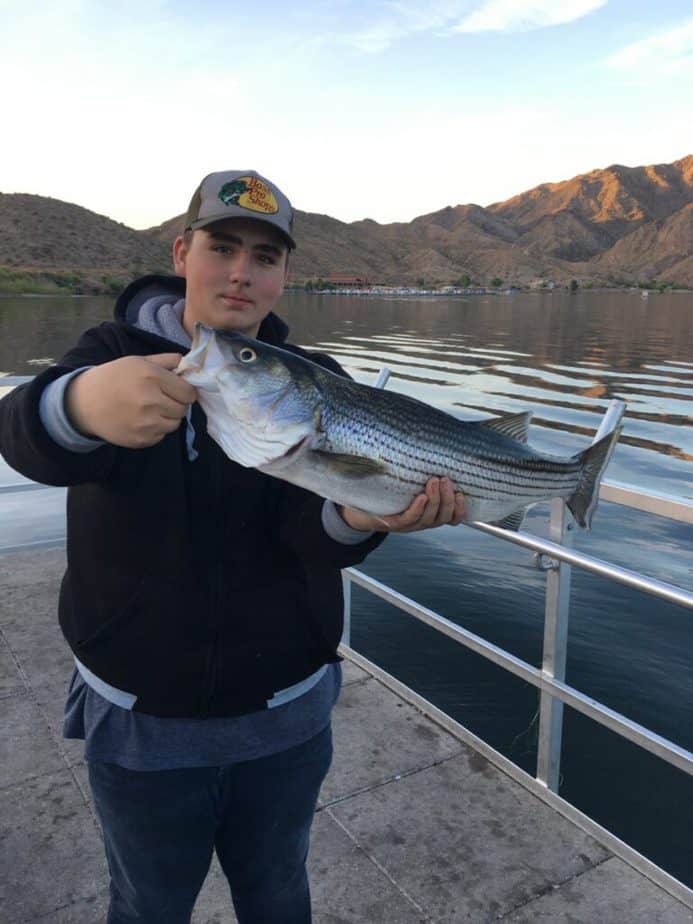
Ethan Enns with a Striped Bass at Willow Beach Pier
Since a sport should include physical exertion and skill in order to compete against others or yourself, we can definitely say that “yes” Fishing is a sport.
When it comes to fully gauging whether fishing is a sport or not, there seems to be several camps. In one arena, we have what I call the “PETA camp”, and frankly, they are pretty adamant that no, it’s not a sport, because fishing is simply just a leisure activity that all individuals can do and requires no skill whatsoever, so how could it ever be a sport? (Hey, don’t flame me, I’m just telling you how they view it) In other words, they believe that fishing isn’t a sport simply because anybody can do it.
Another camp agrees that yes, anybody can do fishing, but it still can be regarded as a competitive sport simply because it does require some degree of skill and, at the same time, it can be enjoyed by people from all walks of life regardless of age, sex, size, strength, or even disability. Either way, all it takes is a couple of hours worth of research before you realize that there is a litany of forums where some are adamant that it is a sport while other forums are just as adamant that it absolutely is not a sport whatsoever.
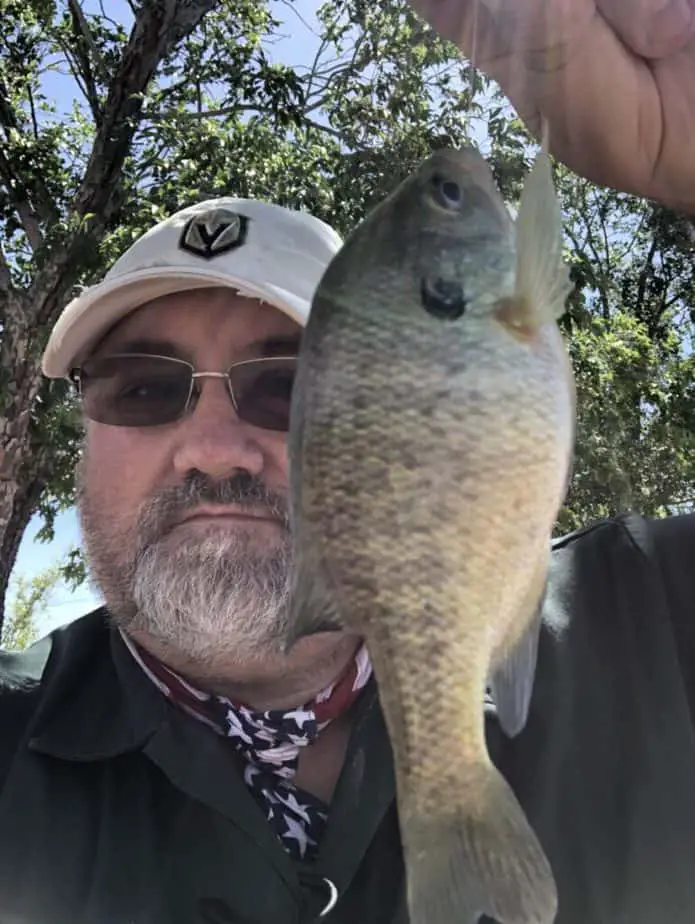
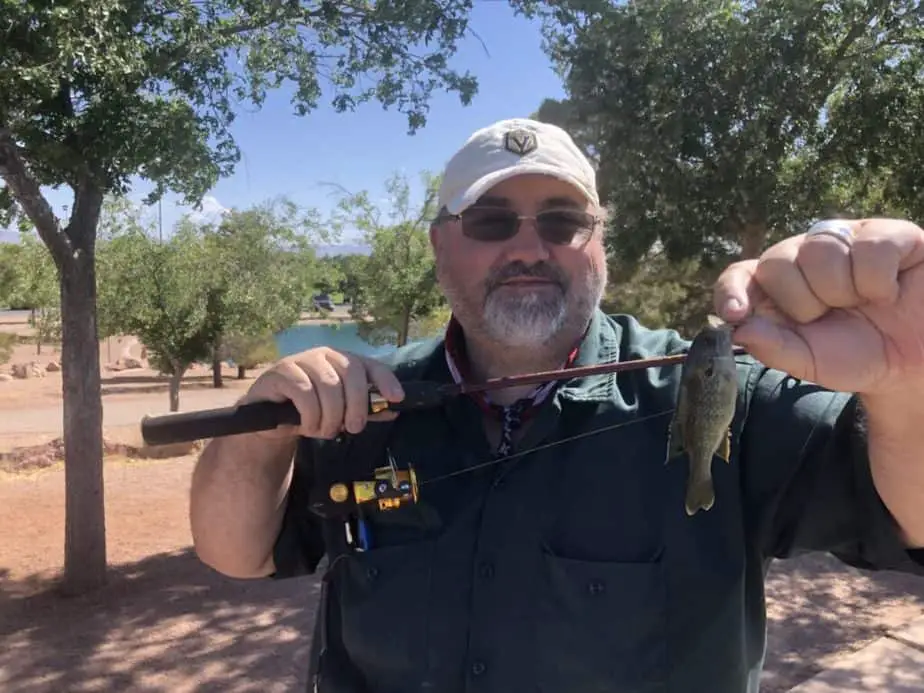
Author Darren Enns with a Bluegill at Veterans Memorial Park in Boulder City Nevada
Of course, things definitely get interesting when a venerable internet sports institution such as Bleacher Report weighs in on this topic. Interestingly enough, they seemed to take a rather wishy-washy approach to whether fishing can be considered a sport or not. One of the first things they did was ask themselves several questions regarding the status of whether fishing could be considered a sport:
Question: Does fishing require any sort of intense exercise or any special abilities?
Answer: At times, it sure does.
Question: Do you need some physical skills to do fishing in an effective manner?
Answer: Sometimes.
Question: Is fishing considered a competition?
Answer: In many instances, yes.
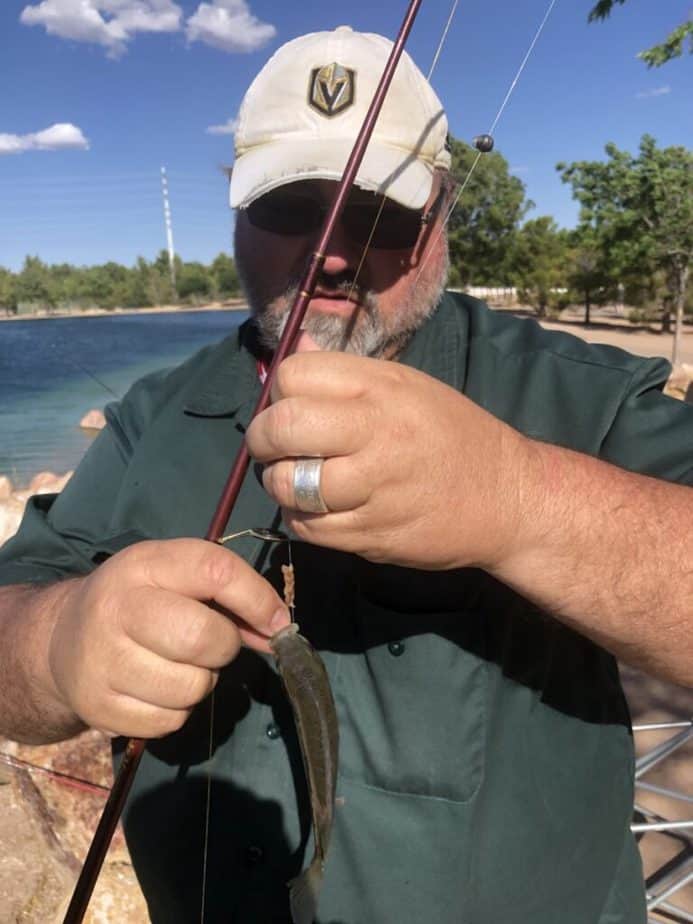
Darren Enns with a Spinnig Rod and Bluegill
Still, there are some people in yet another camp, and these individuals say that yes, fishing is indeed a sport, but only in the proper context. These individuals say that simply driving out on a frozen lake, drilling a hole, plugging in your generator, dropping your line, and enjoying some brewskis is not a sport, even if you occasionally get a tug on your line. The same goes for simply riding around on your motorboat and dragging a line here and there; in their eyes, it’s not a sport, even if the fisherman occasionally flexes his muscles to get a small catfish here and there. However, even in this case, there are some who would disagree.
Of course, there are some cases where you can definitely argue that fishing is a sport. In the case of hauling in a 50-pound bass in a bass fishing tournament, then yes, it is a sport. However, despite the fact that Bleacher Report seems to only feel it is a sport sometimes, many would argue that fishing is always a sport, and here are a few reasons why:
Both Anglers and Athletes Can Find a Lot of Common Ground
When most people think of athletics, they only think of those who can dribble a basketball, hit a baseball, throw a football, or bowl a 300 game. However, ask even the most junior fishing angler, and they will tell you that it takes an incredible amount of skill to be able to reel in even a catfish. All breeds of fish have a tendency to fight the line, and do you have the energy, stamina, and strength in order to properly haul it in? Fishing isn’t as easy as it seems, no, not at all. I mean, how
much literature has been written regarding how difficult it is to reel in a fish? Literally a whole library! The book “The Old Man and the Sea” is just the beginning. “Wicked Tuna” is one of many shows dedicated to the ancient discipline of fishing.
All of the above experiences are just in reference to your everyday, ordinary fisherman. What of the big-game fisherman? Trust me, those that go after that huge, giant fish are completely wiped out after fighting a fish that is on par with Andre the Giant in aquatic form. They may not show it when they pose with that catch for that picture, but that smile simply means that they are “tired, but happy.” These championship fishermen are every bit as tired as someone who has gone toe-to-toe with a heavyweight boxer or a rock-solid UFC fighter. Seriously, if you don’t think that it’s a workout to land a 50-pound tuna, then think again.
Like other athletes, anglers follow many strict personal regimens.
Fisherman Darren Enns go Knights Go
Additionally, you should be aware that if you talk to any angler out there, they will consider themselves to be an athlete even if no one else does. They will take their fishing discipline seriously, and they will have certain pillars in their lives that they will swear by for top-notch performance. Like other athletes, they will have certain training, diet, sleep, and studying regimens that they will follow religiously. They will always want to make sure that they get enough sleep, simply because they realize that they would have slower reflexes while on the boat the next day. Heaven forbid they miss some serious fish movement in the water below the boat simply because of sleep deprivation!
The experienced angler also realizes that they must have a balanced diet in order to function properly. Most anglers will have an arsenal of food choices to make sure they have all of the minerals they need for a day out on the water. Snacks such as eggs, bacon, coffee, and energy drinks have become a staple for many fishermen. Alternately, some anglers will go with granola bars or other healthy snacks. Still, other anglers will often swear by sunflower seeds, nuts, or beef jerky.
Either way, whatever habits an individual angler might have, they all have one common denominator: all of them have a drive to succeed, and they all realize that the only way to do this is through understanding the science of their fishing passion.
Fishing can improve your physical health.
If you approach it right, fishing can definitely improve your physical health, much like any other sport. Fishing will take a worn-out couch potato and give them something to do with their time that actually takes physical activity to pull off effectively. For one thing, you often will have to make your way through some rocky natural terrain to get to your fishing spot. Additionally, you will often have to find a location for building your fishing line, providing valuable muscular exercise. Casting and reeling on a repeated basis will help you work on your eye-hand coordination. Finally, the activity of fishing has been recognized as a low-stress way to work on your hands, forearms, wrists, biceps, shoulders, and triceps. Perhaps not surprisingly, there are many psychologists and counselors who recommend fishing activities for injured veterans as well!
Ethan Enns and Author Darren Enns Team FishinMoney
Like many other sports, fishing promotes your well-being in a variety of different areas.
It is actually a proven fact that angling is a very therapeutic thing for someone to do. Of course, there are many other sports that you can go with, and that’s your prerogative. However, many of these other sports are very tedious, and they can cause extreme stress, broken bones, or could even be life threatening. Continue to try these sports if that strikes your fancy, but all the while fishing is sitting on the sidelines, promising you a refuge from all of the stress of your hustling city life, and it’s even a sport that won’t pressure you, unlike bull riding or car racing, for example.
The best way to sum it up is that fishing will be a serene way for you to pass your time. You cast your line out on that lake and you get a well-deserved break from all of the stressors in your life. Of course, if you prefer running sprints in football, having a hockey puck flying at you in hockey, or diving for a line-drive in baseball that is up to you.
Considering all of the stressors regarding these other options, fishing would seem to be quite a bit more appealing to many other hobbyists.
Like other sports, you will learn discipline, perseverance, and leadership.
There is no question that sports teach us a lot about ourselves. We learn many essential leadership lessons from many of the most popular sports such as football, basketball, hockey, and track and field. However, you definitely shouldn’t leave fishing out of that loop. First of all, fishing still has a team element to it simply because you usually do it with other people. This is especially true in a fishing tournament as the amount of fish you catch is directly contingent to how well your fishing team does.
Of course, it’s a no-brainer that fishing teaches perseverance, simply because it takes a lot of practice and skill to land some of the largest fish on your targeted lake! Of course, it’s also a no-brainer that getting your children involved in fishing is more than letting them just play XBOX or Playstation all day long. However, even for adults, the sport of fishing will help you develop strength, flexibility, stamina, hand-eye coordination, and focus. These are not only skills that will help you in sports but also on the job and in society as well.
Moreover, these are skills that we learn just by being out on the water by ourselves. When we enter into a fishing competition, we actually have to step out of our comfort zone and that is when we experience all kinds of thrills, challenges, and we gain more understanding of our chosen sport. This is where team dynamics and sportsmanship come in for sure.
You will get a serious sense of accomplishment when you fish.
Finally, like any other normal sport, fishing will give you a sense of accomplishment. You definitely fish for different reasons, whether it be for combating stress, solitude, sanctuary, or even doing it competitively. However, whatever your main purpose might be, there is nothing like the feeling of satisfaction you receive when you feel that first tug on your fishing line. Your happiness and contentment is truly unparalleled.
Are you seriously looking turn your hobby into a business? I recommend joining Income School. I’ve been an Income School member for a little over a year and joining was the best decision I’ve made in working toward my business goal.
One of the best things about fishing is that it truly gives you a sense of belonging within the world. Fishing is one of those pastimes where you can get out in nature and experience much more than just the water and your rod and reel. You also see how the birds interact with the water and how the wind blows across the lake. You are at peace with the world.
Part of the reason for this would have to be because fishing is not just a sport, but it is also a way to stay in tune with our ancient, primeval ancestors. You see, fishing is actually one of the oldest sports in the world because it hearkens back to when we were just a hunter-gatherer type of society. Considering that fishing teaches you so much about your world and society at large, don’t let anyone tell you that it isn’t a sport. It truly is, because even if you aren’t entering into tournaments, you are still competing with the fish and within your own records as well. It’s time to enjoy the oldest sport in the world!
Bluegill Story
Story: I took my son to Veterans Memorial Park in Boulder city Nevada where we fished for bluegill. In the morning up until about 11 AM we had no luck but we were using tiny worms and we were not fishing in a very good location at the pond. We left the pond to go get some lunch and while we were out we picked up some fat juicy nightcrawlers. When we return to the pond there was a spot open that looked like a better place. My son and I took that spot and we were using about 1/3 to 1/4 of a worm on a tiny hook. In the next two or three hours we each carton bluegill and as a bonus I caught one turtle of course sweetheart everything go as we like to practice catch and release if we can. We had a great time and we knocked em dead on the bluegill.
As a fisherman, if you have spent enough time in the hobby, then it wasn’t long before you realized that there are many more variations to fishing than what the beginner might notice. Indeed, there are many different ways to fish, including the utilization of many different baits.
Of course, most people simply just use live bait, but with all due respect, others realize there is a whole world of fishing that these individuals are missing out on. Indeed, there are fishing hobbyists who have worked for years perfecting different techniques to get finicky fish to come out of their shell and bite their bait.
This is especially true for bass, who is known for being one of the smarter varieties of fish. Of course, this is a good option for those who want a challenge. Moreover, one of the best ways to land this elusive bass would be through the discipline of finesse fishing.
Finesse Fishing Explained
What is finesse fishing, you ask? Well, it’s simply yet another method in the fisherman’s arsenal for coaxing out finicky fish. Of course, it takes some practice to get it right; it’s not something where you can go out immediately on the lake and do it absolutely right. Finesse fishing is all about attention to detail. It’s all about finding the correct placement for your bait and the correct location for your rod and reel. It is basically about finding a certain specific way to present your bait to the fish. Naturally, this method of fishing is very detail-oriented, and proponents of this fishing method are very careful about every item within their fishing equipment.
Of course, this all begs the question: which rod is best for this type of fishing? Well, that is definitely open to a lot of debate among finesse fishermen, so here is some extra information regarding the discipline of finesse fishing:
Finesse Fishing: A Brief Introduction
We’re getting down to the nitty-gritty here, but first things first: you have to understand what the word finesse means and what “finesse” means in relation to fishing in the first place. The word “finesse” is defined as “intricate and refined.” Thus, when it comes to fishing, this simply means that no detail is overlooked. Take a look at some of these extra considerations.
Finesse Fishing is More of a Small-Handed Fishing Version Rather Than a Heavy-Handed One.
What do we mean by that? Well, the best explanation is that finesse fishing for such species as bass will entail utilizing such equipment as a spinner with smaller action, a soft plastic that is much thinner than normal, and a spinning action with a subdued action that will still feature a good spinning gear.
This is in direct contract with the normal heavy bass fishing methods, which usually feature such things as a huge, bulky lure, a fast-moving production, and a bait casting operation with a lot of heavy action. This is all well and good, and it does catch a lot of bass throughout the year. However, these methods do not allow
for such things as the clear water, cold fronts, or the fishing pressure scaring the bass away. If you want to fish for bass all-year-round under most circumstances, you will need to have more than one fishing method in your arsenal. This is where finesse fishing methods come in.
Now that you’ve realized that finesse fishing DOES have a purpose, let’s have a look at some of the best rods for the practice:
So Just What Makes a Good Finesse Bass Fishing Rod Anyway?
Now that we’ve laid the groundwork for those who are beginners in finesse bass fishing, it’s time to discuss the importance of using the right rod for this type of fishing. Either way you slice it, selecting the best rod for finesse fishing is a topic all to itself, and there is naturally a lot of debate regarding which one is best.
The job of this blog entry is not to promote one rod over the other, but whichever brand you select, there are some must-have characteristics and attitudes you need in order for you to have the best finesse fishing experience:
When it comes to the bass fishing old-timers, take their views of finesse fishing rods with a grain of salt,
Chances are, anyone who has been bass fishing out on the lake for any length of time has either considered or went ahead and tried finesse bass fishing. This discipline is like everything else; some have tried it and liked it, but some have tried it and not cared for it.
Those who don’t care for finesse bass fishing will usually immediately criticize the rods that are used for the finesse strategy. Their complaints will usually go something like, “Well, these finesse bass fishing rods are good for nothing whippy spinning rods that only work part of the time. Seriously, you need to have a tight line paired with a tiny bait, or it’s nothing more than a piece of junk!”
Yes, they will get THAT adamant about it. However, this description isn’t necessarily true, and you owe it to yourself to decide on your own what you think about finesse spinning rods. Of course, this leads us to our next point.
Finesse bass fishing rods are actually quite versatile and durable.
Naturally, when it comes to finesse bass fishing rods, not all of them are created equal. When selecting the best finesse fishing rod, it will often boil down to four words: shock absorption and backbone.
That’s right: if you are looking for the best way to catch these stubborn basses out of season or in less-than-perfect weather, you need a rod that can withstand just how tough these little creatures can be!
The shock absorption on your finesse rod will allow you to withstand an incredible fight from even the most stubborn bass. Moreover, the shock absorption on a fishing line will also help you be able to land this bass without the hook being torn straight through the little one’s mouth entirely.
Naturally, it can be difficult to find a finesse fishing rod with the right shock absorption or backbone, but like everything else in life, it pays to read the fine print. Much like you read the small details on all your grocery store items in order to prevent an allergic reaction, you should do the same with your fishing rods to make sure they can handle a stubborn bass.
Finesse rods need to have the right configuration for your needs.
Along these same lines, you should go with a rod that is precisely calibrated for this bass fishing strategy. Many anglers have found success with a rod that has a 70/30 calibration.
That is, the rod will have a 70 percent backbone, which means that the rod will remain stiff and continue to hold up even under the immense pressure of even the strongest and most determined bass. Simply put, even though bass might appear to be small, there are some of these creatures that are so ripped that they have been known to break many different fishing rods.
This is why you want a rod that is 70 percent stiff, if just for the purpose of having the strength to control that fish in his watery domain. Moreover, you have to realize that you are trying to fish for these basses in the same place that you would normally cast a regular spinner or a jig.
Hence, yet another reason why you need a rod with at least a 70 percent stiffness. However, do be aware that even if you keep in mind getting a rod with this degree of stiffness, we still aren’t done yet.
That’s right: we also need a rod that has the 30 percent calibration as well. Having a rod with a 30 percent tip means that you are able to withstand a lot of shock to the bottom part of the rod that usually comes with casting all of these light lures. This also means that your rod will have the flexibility to keep the line strong even when you do encounter a stubborn fish.
Of course, there is no question that this rod is very versatile. However, there is definitely one small problem: if you aren’t an experienced angler, how can you tell if you are handling (or planning to buy) an appropriate 70/30 rod? Usually, a good rule of thumb is to simply just know how to properly handle the rod.
For starters, you should simply just test the model yourself. You would do this by holding the rod with your left hand, and then run your fingers along the handle by the reel seat. At the same time, you should also pull down on the rod tip with your right hand.
Watch carefully, seeing just where the tip begins to stop flexing. If you have an authentic 70/30 fishing rod, you will immediately notice that it stops flexing just about a third of the way down the shaft of the rod. The beauty of this method is that you can employ this practice with just about any rod you are considering buying in order to fully determine the true action of the piece.
While 70/30 is a good calibration to keep in mind for those just starting out in finesse fishing, this calibration is by no means the only model that you can use.
After you have gotten some practice with finesse fishing under your belt, you also could consider a 60/40 model, simply because many finesse fishermen do not like to stick with just one calibration. Additionally, some finesse guys like a 60/40 rod because it will usually hold up better for a litany of light wire fishing activities.
Many finesse fishermen also like this model because it is great for either split shotting, drop shotting, or any other occasion where you might be fishing with a smaller hook.
The length of your rod is important too.
Of course, you also should pay attention to the length of your finesse rod as well. Interestingly enough, there really isn’t any one length that will work best; it kind of depends on what goals you have in mind. For example, you might want a rod that is 6 1/2 feet if you are fishing in a tightly covered area or if you
are putting your bait out in an area that has a lot of debris, such as boulders, rocks, branches, or dock beams. Alternately, you might want to go with the slightly longer seven-foot finesse rod model if you intend to make longer casts out into the water.
A seven-footer is also good for finding the bigger fish that stay further out and might normally be more easily spooked.
Find your own “lingo” for what kind of finesse rod you are looking for.
When you are shopping for a finesse rod for the first couple of times, one of the things you immediately realize is that there is no such thing as a “one-size-fits-all” description among rod and reel companies.
Simply put, it varies. Some companies will say their rod is “medium”, and that’s all well and good, but you could take that exact same rod to another company and they might classify it as “medium/heavy” or even “medium/light” with another company!
This is why it is so useful for you to simply go with the 70/30, 60/40, or 80/20 method. Yes, it might sound like you are talking about motor oil calibrations, but it’s a lot less confusing and much easier to get the rod you want that way.
Don’t be afraid to experiment!
Finally, there is no getting around the fact that you might need to go through some trial-and-error before you find the best rod for this type of fishing. This means being patient and trying out different rods until you find the one that is best for your own unique finesse fishing situation. Simply put, the best rod for finesse fishing is the one that fully meets your unique finesse angling expectations. There is no “one-size-fits-all” variety. Just try everything out until you find the right one for you.
Arizona, the Grand Canyon State, is made up of various mountains, plateaus and vast desert landscapes. Dry, sandy terrain covers the majority of the state and contains plenty of cacti and desert dwelling wildlife.
As dry as it may be, there are plenty of water bodies found in Arizona. Lakes spanning for acres and acres are spread throughout the state, which contain aquatic wildlife within the other sand dwelling wildlife that surrounds it.
Darren Enns Striped Bass
As anglers, we are always looking for prime locations to catch our favorite types of fish. Striped bass are loved by anyone seeking a good fight and a challenge when out on the water.
They’re known for their fighting spirit (and delicious taste, nonetheless!) We have compiled a list of the top eight places in Arizona to go if you’re truly searching for a challenging and rewarding trip to the lake.
Lake Powell
Spanning 161,000 acres, lake Powell runs along the border of Utah and Arizona. Just behind Lake Mead, Lake Powell is the second largest reservoir made by man in the United States.
It is currently at a higher water volume in Lake Mead however due to droughts in the southwest region. The Glen Canyon dam lies in the Arizona portion of the lake and maintains water flow and conservation.
While fishing in Lake Powell, the best time to go hunting for striped bass would be after the shad have finished spawning for the season. Shad have a tendency to school together after responding and will provide stripers with plenty of food in large amounts.
July through October is said to be the best time to catch stripers using this method. Some places located on the Arizona end of lake Powell are great for striped bass fishing. Namely, these places include Wahweap marina, Page Marina, Antelope Point, and Bullfrog Marina (shared by Arizona and Utah.)
Lake mead
As the largest man-made reservoir in the United States, Lake Mead resides about 30 miles outside of the renowned city of Las Vegas, Nevada. The lake is shared by Nevada and Arizona and is a major point on the Colorado River.
It spans over 247 square miles in total. Due to drought and environmental factors, it has been recorded as smaller than Lake Powell since 2013 when the water levels decreased significantly to a near 40% full capacity. Wow this news is tragic, there is still plenty of water to house the many species of fish That live in this water body.
Lake Mead is known for its significant abundance of striped bass, making it a popular lake to visit for Nevada residents, Arizona residents, and cross country visitors alike. Lake Mead is divided approximately in half by the Nevada-Arizona border with the exception of the long-stretching Overton arm spanning north into the state of Nevada while the Colorado river portion continues on along the border of Arizona and Nevada.
Catching Striped Bass At Lake Mead AZ
While there are many great places to fish for stripers in Nevada, we will be focusing on Arizona, so we will not be covering the Overton arm section. Hemenway Harbor and the pier there is a great place to cast out in search of striped bass. This area is shared by Nevada and Arizona, and is a fairly large span of water.
Horsepower cove, right next door, is the neighboring gulf to Hemenway and is equally great a place for catching stripers. Traveling east you will find Indian Canyon Cove, a cove along the Arizona side of the lake with great cover for feeding stripers that are hungry for more.
Tea kettle Bay, petroglyphs Bay and Willow Beach are all on the Arizona side of the lake, Willow Beach running along the Colorado River and becoming narrower the further north you go.
While Willow Beach is mainly filled with trout, striped bass swim upstream during the warmer months and can be caught very easily using the right set up. Greggs Hideout, Southbay and Northbay are also located on the Arizona side and have been frequent fishing spots for many families native to Arizona for many years.
Lake Havasu
Named after the Mojave word for “blue,” Lake Havasu resides on the border of Arizona and California, just south of the tri-state border of Nevada, California, and Arizona.
To the west of the lake is the Chemehuevi Mountains Wilderness, and to the East is Lake Havasu City. The city is comprised of around fifty two thousand residents and is located beside the lake along the Colorado River. This watery paradise is located within the Mojave and the Sonoran deserts.
To the townspeople and to visitors one in the same, Havasu has provided a lot of entertainment, sporting, and nourishment for ages. It is a major tourist attraction and vacation spot, allowing for great water activities such as boating, kayaking, and canoeing. And of course, fishing is our number one priority.
A great deal of visitors flock to this water body year round, bringing in an estimated seven hundred fifty thousand visitors annually. There are a few select sites on the large body of water to find great areas for striper angling. First off is Windsor Beach, which is located on the Arizona side of the Colorado River, just between the lake and Lake Havasu City. Rocky terrain provides great cover for feeding stripers during warmer months, sheltering them from too much sunlight and allowing them to hunt more easily. Secondly on our list is Site Six.
This is now a tourist location and a great spot for fishing for striped bass, but back in 1942, it was created as a set of six airfields to train pilots for World War Two as well as a rest and relaxation area for soldiers during the war. It’s history is as rich as the waters are filled with striped bass, large and smallmouth bass, and other breeds.
Lake Mojave
Located along the Arizona Nevada border, just like Lake Mead, Lake Mohave is a 67 mile span of water along the Colorado river that is A very popular place amongst Arizona/Nevada natives for fishing. A plethora of fish species is found in this lake, including sunfish, bluegill, largemouth bass, smallmouth bass and of course striped bass. Striped bass are the most common fish found in Lake Mohave, providing great fishing for the breed.
Since they are so plentiful in this body of water, fishing for them anytime of the year as possible. As always the best time of the year for stripers is normally late spring to fall; approximately April through November. It has been said that October is the best time, however, for striper fishing in Mohave. With the slightly warmer temperatures tending to cool down a bit during dusk and before sunrise, those are perfect times to start reeling them in. They will feed all day but these times are reported to be the best.
Geographically, the best places to search for these stripers are in the coves and places near the dam. Near the northern end of the lake, towards the entryway of the Colorado river, you will find Davis Dam. This dam and the coves nearby provide great cover for stripers and allow them to feed frequently throughout the day on shad. In the summer months, there’s northern end of the lake just south of the dam provides great striper fishing as it is a bit cooler in the shade and has plenty of cover as well. It is recommended to use live bait (nightcrawlers, anchovies, or shad) when fishing offshore, but a nice blue pencil popper will do the trick when on a boat.
Regardless of which approach you take, Shoreline fishers and on-water fishermen alike will find joy in fishing Lake Mohave due to its, again, plentiful amount of striped bass. When fishing in these areas, using live bait or anchovies is recommended for angling stripers.
Alamo lake
Alamo Lake is our most remote location on the list, but that doesn’t mean it’s not a great place to venture for great fishing. In fact, a previous state record striper was caught here in 1997 by David Jackson, weighing in at a whopping twenty three pounds and eight ounces.
This record was broken in 2007 at another Arizona Lake, Lake Pleasant, by Noel Arnold who fought and eventually reeled in a striped bass weighing in at twenty seven pounds and four ounces. While striped bass fishing here is scarce, reports show that plans have been made to stock more striped bass if they are able to survive in the climate in large numbers.
Lake pleasant
With a surface area of 7500 acres, lake pleasant resides in Maricopa and Yavapai counties in south-central Arizona. It is located just north west of Phoenix, Arizona within Lake pleasant regional park.
Originally a smaller lake, the central Arizona aqueduct which was constructed in 1973 provided water flow from the Colorado River which in turn filled the lake to its current size. Due to the change in Water level, the original dam that was built in 1927 was completely submerged, and a new dam, Waddell Dam, tripled the surface area of the lake.
The lake now provides plenty of entertainment and activities For Phoenix residents and those visiting from out of state. Water sports such as kayaking and motor boating and other recreational activities take place here, along with fishing of course! Lake pleasant has a slew of different fish breeds, most importantly including striped bass. This is the only lake near Phoenix that contains many striped bass, and is perfect for fun and challenging game fishing.
The Central Arizona Aqueduct that feeds into the lake is what allows the striped bass to be introduced into these waters, allowing for great fishing. The feeding points that spill into the lake are great fishing spots, as there is plenty of grassy cover and Plenty of rocky cover as well. Stripers will feed off of small fish here.
Coves are a great spot to check out as well. There are a few decent coves at pleasant, including: Fireman’s Cove along Cottonwood Creek, Pipeline Cove, Two Cow Cove, Waddell Cove(by Waddell Dam), Pretty Cove, and even Jackass Cove. Jackass Cove and Pretty Cove are only accessible by boat, but the rest are accessible by foot and not far from parking areas. These coves have plenty of cover and will prove to be some of the best places in the lake for finding hungry stripers that will bite on anchovies and nightcrawlers.
Stripers have also been recorded fighting on spoons, plugs, jigs and cranks. Of all of the lakes on our list, this one has the most diverse fish species, however still proves to be A major hotspot for striped bass fishing.
Lee’s ferry
Lee’s Ferry is a fishing Hotspot located along the Colorado River. It is found just south of the Arizona-Utah border.
Within the great Glen Canyon, this portion of the Colorado river flows alongside the dry mountainous regions North of Grand Canyon national Park. With mainly flat desert areas to the south east and mountainous areas to the north west, lees ferry is definitely found in quite a unique area. Although it is mostly known for its rainbow trout and brook trout, Striped bass will be found there during spawning season when they swim up river.
The area provides great flyfishing for those interested in that approach as well as offshore fishing for those who want to stay dry.
You’ll find Martinez lake just east of the Arizona-California border. The town, Wellton, is comprised of various shops and stores as well as fishers Landing.
Fishers Landing is perpendicular to the Colorado river as well as the lake, providing anglers with a shop and a resort for an extended stay. Castle Dome Landing is a hotspot with various areas for offshore fishing that is located south of the lake on the east side of the Colorado River. Bends and coves are great spots to find feeding stripers.
In conclusion, a trip to Arizona for some great fishing is bound to be a great time, whether you visit the places on our list or discover a place of your own! Always follow fishing laws, stay safe, and keep on fishin’.
The striped bass, also called striper, rockfish, linesider, or rock, are found along the Atlantic Coast of North America as well as many other places. They are the top recreational sportfish in many areas. Striped bass feed on zooplankton, insects, worms, herring, shad, and white perch just to name a few. But, what eats striped bass?
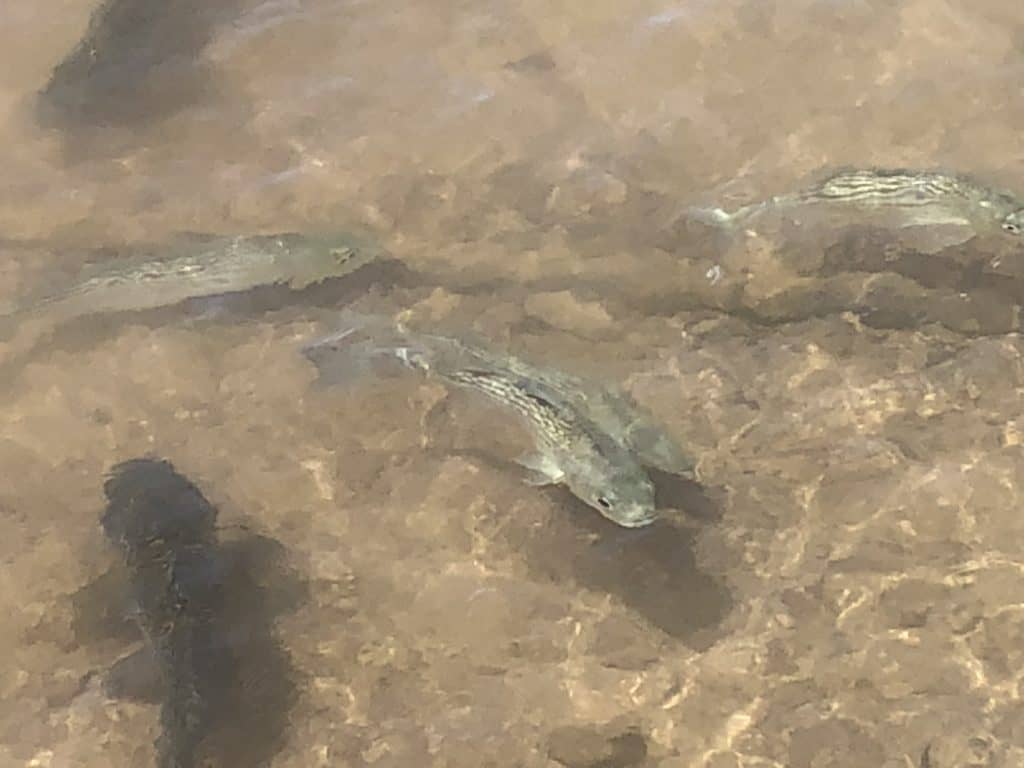
These are stripers at Lake Mead in Nevada
Young and small striped bass are eaten by bluefish, adult striped bass, and other larger fish. The adult striped bass however are consumed by sharks, mammals, large fish, seals, and numerous aquatic birds. There are also Atlantic cod and Atlanic tomcod that will occasionally munch on a striped bass. Don’t forget about us humans! Many Americans love their fried, roasted, and baked striped bass.
Predators of young stripers
Silver hake, Cod, Weakfish, Bluefish,
Freshwater preditors of juvinile Striped Bass
Largemouth Bass, Catfish, Smallmouth Bass
Darren Enns Author is a father of four boys that LOVE fishing.
What do striped bass eat?
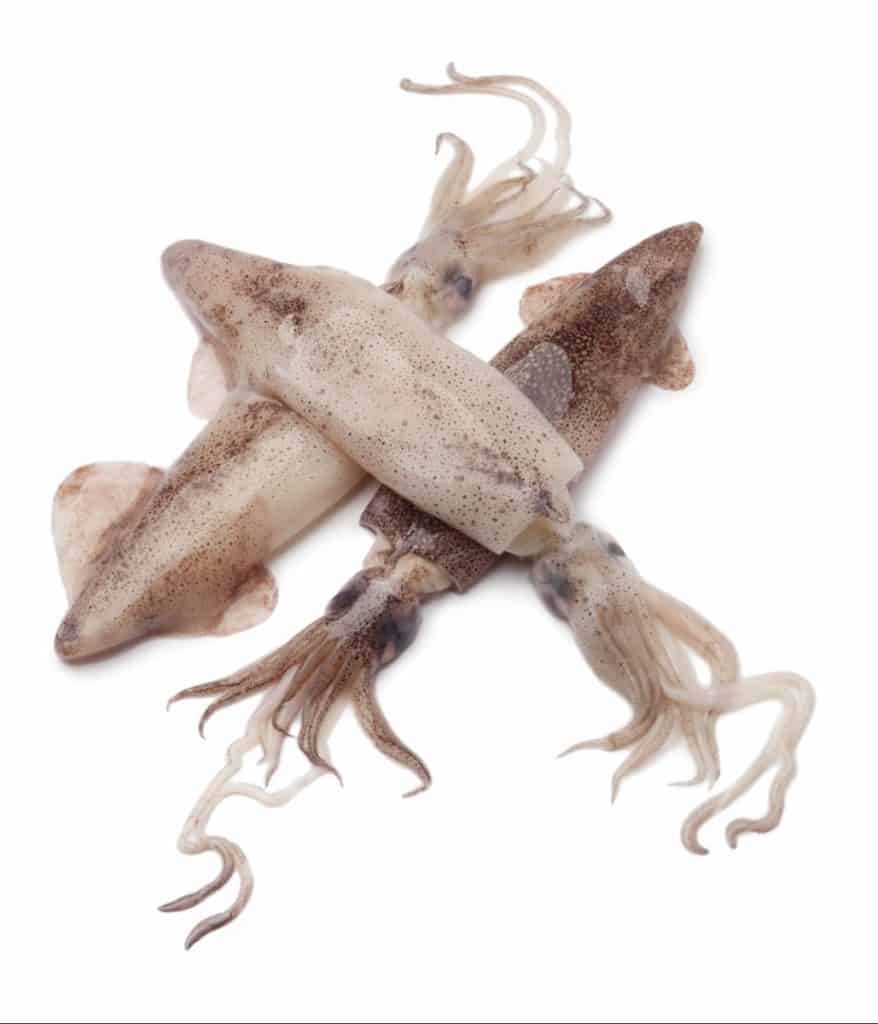
Squid, eels, flounder, sea worms, and sea herring are on the menu of the striped bass. They are definitely not picky eaters. Whatever they can get their mouth on they will eat. They primarily feed at dusk and dawn, but they may nibble a little bit during the day, depending on temperature. In the morning, for their very first feeding of the day is prime, but night time is great too!
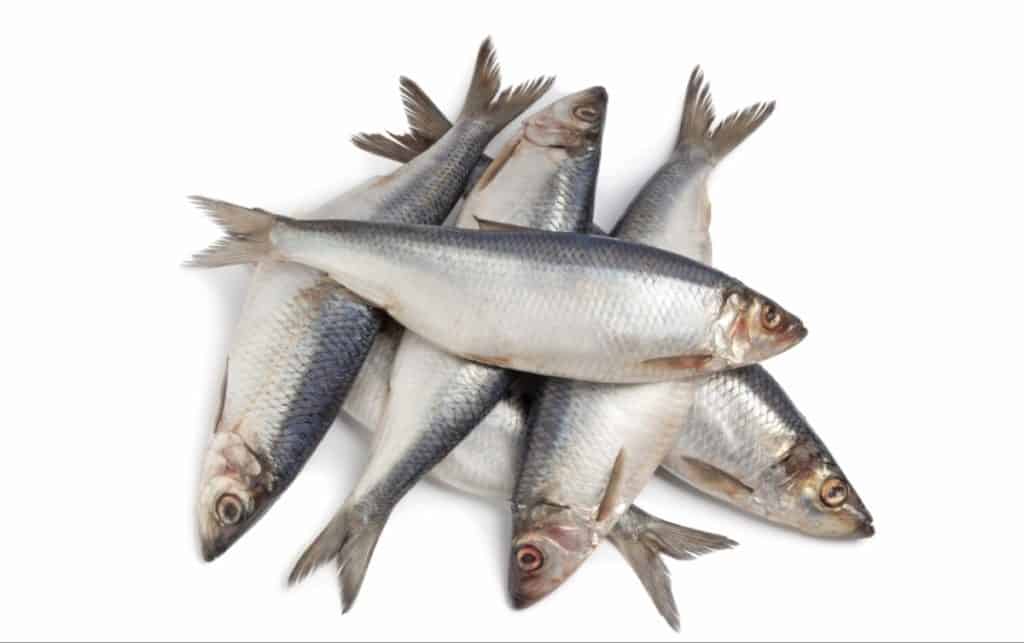
What Eats Striped Bass?Striped Bass Love Herring
How many ways can you catch striper
There are many ways to catch the striped bass; such as trolling, shore fishing, night fishing, and fly fishing. We are going to wade into the 4 top ways, that one angler suggests as being the best ways to catch striped bass.
If you think you have what it takes to write about the outdoors and you would like to make some income, check out this link that explains how I do it.
Planer boards- a planer board allows you to get bait out of the boat in a very controlled and even manner. You can use up to 10 planer boards to trail behind your boat. This will cover an area of over 100 feet. The planer board allows you to troll very slowly, which is a huge benefit if you are using live bait.
Shallow trolling- big stripers are huge fans of cold, according to 1 fishing guide, and they frequently get right on the bank in just a few feet of water. Usually you want your boat in about 8-10 feet of water, then you can flatline baitfish and maneuver your boat along the banks. This way the bait will travel in the shallows.
Deep trolling- there are two methods that will get your bait down deep. You can use a lead-core line or downriggers. THe lead-core line is simpler and will require less equipment. It is color coded line that changes color every 30 feet, allowing you to know how much line you have in the water.
We have another post that gives you some interesting facts about the striped bass, but in our deeper research we found a few we might have missed or believe that we can include now.
Stripers mainly stay in the vicinity of the coastline
Striped bass do not have eyelids. When the sun comes up, they retreat deeper into the water to keep the sun out of their eyes.
Stripers have large tails that help them maneuver very well, helping them with their control in turbulent water.
Facts about any fish, is always interesting and that is why I decided to throw a few more here. Yes, we are talking about what eats striped bass, but why not throw something unexpected into the mix?
Squid are often on the menu for striper
What are the effects on striped bass when seals are present
One of the main predators of the striped bass is the seal. Which means, if you are taking a trip to Cape Cod to do some fishing, beware.
If fishing on the beach at Cape Cod sounds appealing, it is. But, you are going to see some seals. It is said that seals will come up and attempt to take fish right off of your hook. It is even believed by some anglers, that if a seal sees you with a rod and tackle box, they will follow you. So, I imagine that at dawn and dusk, especially, striped bass would be nervous when they come up to feed.
I recommend joining Income School. I’ve been an Income School member for a little over a year and joining was the best decision I’ve made in working toward my business goal of making money online.
Are sharks in freshwater or in saltwater
There are a handful of sharks that are found in freshwater, but we tend to believe that sharks live in the ocean. But, there is one shark that can live in both fresh and saltwater, kind of like the striped bass can survive in both. This enfamous shark is called the bull shark.
The bull shark (and other sharks) in freshwater east mainly fish as their primary diet, including the striped bass. It is also said that anglers fishing for striped bass at night may have to deal with sand sharks. They are a nuisance to anglers, but nothing more.
There is nothing to worry about it you are going striped bass fishing. We are not writing this to freak anyone out or discourage you from going striped bass fishing, especially in Cape Cod. You are very rarely going to see a shark (or a seal) actually catch and eat a striped bass, so there is no harm to you at all, while you are enjoying a day on the lake with your family or your friends.
Striped bass fishing, fun for the whole family
Depending where you are going fishing, and what time you are going fishing, you are the biggest predator of a striped bass. Since they are fish that will eat just about anything, it isn’t too hard to figure out what lure, bait or live bait to use. As long as they can see it and it is appealing, you will get a bite.
If they are not biting on what you are using, then all you simply need to do is change the lure. They will eat anything, but most anglers say that the lure/bait needs to mimic what they are craving at that particular time, or it may be a little more challenging to catch them. So, take your time and find the correct lure and the perfect spot and you will have a super successful day fishing for striped bass. You will catch and take home enough for a couple of meals. So do not worry about sharks, seals, or any other predators of the striped bass.
For more info on catching Striped Bass, take a peek at this post HERE
Lake Powell, the second largest man-made reservoir in the United States is located in Utah. It is part of the Colorado River, along the Utah and Arizona border. Two million people visit the area every year, including vacationing at Rainbow Bridge National Monument.
Lake Powell is 254.1 miles long, with a maximum depth of 583 feet. Besides the monument, and other beautiful attractions to visit, you can fish for striped bass. We are going to cover a couple of the popular spots, the best lures to use, and other information that will make your fishing trip a huge success.
Photo by @shoi_sato
Even though Lake Powell borders Utah and Arizona, as of 2014, you only need a fishing license in Utah to be able to fish on the lake. All fishermen age 10 years and older are required to have a fishing license. There is no daily limit on how many striped bass you an keep in this area, but there are a couple places that are prohibited from any kind of fishing (for any species). When you get your fishing license they will give you a booklet with all of the rules/regulations and other information on where to fish (and where not to go). Make sure to keep it handy, unless you are with a fishing guide that knows the area very well.
For most areas in the United States, fishing for striped bass is decent all year around, but ‘peak’ times for striper differs a little bit in each area. For Lake Powell, late June through August is the best time. Stripers become a little more active in April, when spawning season begins. On the lake you can easily catch striped bass from an anchored house boat or from the shore. In the spring time, serious anglers have this advice for you; stripers often group in 30 to 80 foot deep water. You can choose from Dirty Devil, San Juan, Colorado, or Escalante Rivers to fish. We will give a brief description of each later on in the article. You may also find a good amount in groups around the dam. If you are going to fish in the spring, heavy spoons, cut anchovy, sardine bait, or bucktail jigs should be your go-to’s. We will cover lures in more detail shortly.
As the water begins to warm up the striped bass will leave the deep water and begin swimming around and in spawning areas; reefs, lake points, and rock piles that are less than 40 feet deep. Use cut anchovy or troll rattle lures such as this one that is sold here and it looks like a shad.
close to the bottom. Striped bass will hang around spawning areas through early summer in Lake Powell. Then they will move deep again, 60-90 feet, to find cooler water. This is when you will need a boat, down riggers and/or leaded line. When summer begins to fade and fall starts to creep in the stripers will be on the move, lookig for schools of shad so that they can feed before they go dormant in the winter months. Keep a close eye on the surface, as striped bass will normally force the shad to the top (making it look as though the water is boiling as the jumping shad are trying to evade the stripers). The bass will be feeding fairly aggressively and will normally latch on to almost any bait that you present them, but the closer they look like to shad, the better. If you want an outstanding view of your catch, watch the striped bass violently attack your lure. The boils in the water, that the shad produce because of the striper usually begins to occur towards the end of June or the first part of July and the again around the end of August to the first of September.
In late fall and early winter, the striper fishing will be fast. They are readily caught using jigging spoons or bucktail jigs at 60-100 feet. Once the water in Lake Powell reaches 50 degrees or less, the striper become a lot less active. Trophy striper are normally found in 64 degree temperatures at 60-90 feet. Striped bass will feed at night, but about 45 minutes before dawn is going to be prime time to snag a few.
Here are a couple more tips to help you catch striped bass on Lake Powell:
1. use flurocarbon line because it is almost invisible in the water
2. it is best to use firm frozen anchovy. Dried bagged anchovies have a preservative that keep them viable but chases the striper away.
3. suggested hook size is a number 2 or number 4 circle hook or octopus hook, depending on the size of the striped bass in the area you are fishing, and if you are fishing from shore or out on a boat in the deeper water. Theres more…let’s continue.
Let us now take a look at the best lures, for each method of fishing on Lake Powell:
Now here is a brief description of a couple of the spots within Lake Powell that you can catch striped bass:
Dirty Devil Lake- 80 miles long, flows through southern Utah, emptying into the Colorado River at Lake Powell. Fly fishing, spinning or baitcasting works best in this area.
San Juan- major tributary of the Colorado River and provides drainage for the 4-corners region; Colorado, New Mexico, Utah, and Arizona.
Escalante River- formed by the confluence of Upper Valley and Birch Creeks, flowing about 90 miles Southwest before joining with Lake Powell.
The ever changing shorline of Lake Powell exceeds 2,000 miles. When the lake is full you have over 160,000 surface acres. Of course the best way to access the biggesst striped bass is on a boat, as the depth can reach almost 600 feet. WHether the boat is anchored or you are trolling, you have an excellent chance of catching a striped bass on Lake Powell.
There are people from all walks of life who come to Lake Powell. You have those that are vacationing with their families on their house boat, and throw a line out while the family is off sight-seeing, the ones that come for the many bass tournaments throughout the season, and the avid anglers who just want to take a week fishing every inch of the shorline. You will do just as well catching stripers whether you are fly fishing, surf fishing, bait casting, or trolling. There is no preferred or more popular way than another to catch the striped bass here. But do remember, frozen anchovies are the #1 bait choice of most of the anglers. -DBE
A few tips for you, to make locating ‘boil’ waters a little easier, if this is your first time fishing for striped bass at Lake Powell; there are 3 large bays off of Bullfrog Marina that you will have a lot of luck at. Bullfrog Bay, Good Hope Bay, and Halls Bay. Look for the smaller bays within or seek out the coves. Use top-water lures such as the Zara Spooks, poppers, Whopper-Ploppers, or just about any other floating lure. Shoot for the pockets of shade, starting at the mouth and working your way towards the back of the coves and smaller bays.
Keep an eye out for the birds. Seagulls, Grebes and even Ravens and Crows. They are a giant help in locating shad, which means hungry stripers are not far behind. Watch for them to dive at the shorelines, this will indicated trapped shad or the anticipation of a boil. Finally, you have to be patient. Listen, be as quiet as possible and watch for splashing. Be sure when a fish jumps you react. Cast into the area immediately as close to where the activity was, as possible. If you have a fish finder, use it and keep a close eye on it!
If you do not own a boat, don’t want to rent a boat, or can’t afford a fishing guide there are many places that you can be successful right off the shoreline. With miles and miles and miles of shoreline on Lake Powell, there are bound to be hundreds of striped bass waiting for you to present your bait. For the best surface feeding action, some say that Good Hope Bay is the top spot. San Juan to Great Bend, Escalante River, and Face Canyon to Rainbow Bridge. Whether by boat or by shoreline there are many boils reported in these areas. PIck up a fishing map when you purchase your fishing license and circle the best shoreline spots, according to the game and fish department. You can also ask some of the local fishermen or the guys that run the bait and tackle shops.
With Lake Powell being so enormous in size, with many many areas and miles of available striped bass fishing, no matter what spot you choose, you can not go wrong. In a 1 week vacation you are only going to have time to fish a tiny section of this beautiful lake, so make it the best tiny section that it can possibly be.
We are going to leave you with a snipped of a new story, broadcast by Fox 13 Now. About 6 months ago a women reeled in a huge striped bass in Lake Powell. According to a local fishing guide it is the biggest since the 1990s. Heather and her husband were fishing on the San Juan River when she landed the huge striper. It happened at about 11:15 a.m. after about 5-10 minutes of just kind of toying with the fish, they finally got a good glimpse and realized just how big it possibly was. They decided that their net was not going to do them much good, so they did their best and what they had to do to tire out the large striper. It finally rolled over next to the boat, according to the news report, and Heather’s husband Ryan reached down and grabbed it by the mouth. After getting it into the boat, Ryan quickly weighed and measured the beast and they took a couple quick pictures and then they released the fish back into the river, hoping to allow someone else the thrill of catching a giant striped bass. The fish weighed in at 35.33 pounds and was 44.5 inches long. According to Lake Powell Fisheries the record striped bass was set in 1991, weighing in at 48 pounds and 11 ounces, also caught in Lake Powell, Utah. Heathers was not far behind, and guaranteed it was a memory that her and her husband will never forget.
As I always say, now that we have toured the Lake Powell area and given you the best information that we can give you to catch the striped bass; go and make your reservations, pack your bags, your rods and reels, tackle, bait and anything else you may need for your vacation to Utah. Don’t forget to get that fishing license when you get there, and get a couple copies of the map of fishing areas, so that you can find the hot spots and catch a few dinners worth of stripers. Happy fishing everyone!
Grab more tips and be informed about new posts in my monthly letter. Enter Below.
[wpforms id=”408″ title=”false” description=”false”]
Surf fishing by definition on Wikipedia; the sport of catching fish standing on the shoreline or wading in the surf. It may or may no include casting bait or a lure, and refers to all types of shore fishing – from sand and rocky beaches, jetties or even fishing piers.
Used with Permission of Insta: 16__Adam__16
Some anglers feel they are restricted when they are fishing from dry land, but you aren’t. You can catch striped bass from shore. If you are trying to save up for a boat, or you are just short on money, rest assured that you can fish in saltwater from dry land and still catch good sized stripers. We will review some tips, techniques, places, rods, reels, and bait that is best for surf fishing for striped bass. So, lets get started on learning all about surf fishing for striper.
As a beginner, you need to understand how to surf cast. This method is a lot like regular casting, but you are going more for distance and accuracy with surf casting. The main tip/trick that anglers can give a beginner is to figure out the speed and power to get your line out as accurate as possible. It is best to have your one arm at a 90 degree angle and the other one straight. As you get your cast down, you can begin to try different lures or live bait for the striper and experiment with different areas and times of the day.
The ocean can be intimidating or even scary for a new surf caster, but you will have to take some time to learn a little bit, as far as reading the beach. Try to relax, and follow what other fishermen are doing. Here are a couple of tips to help you figure out where a prime spot may be to surf fish for striper.
Evaluate the sand Bars
Find Rip Currents
Look for dark holes indicating deeper water
Plan around weather and tides
1. Evaluate the sand bar. Sand bars change with the waves and will indicate whether the striped bass are close to the shore or behind the sand bar chasing bait. Look for where the waves begin to split as they are coming in.
2. Rip currents are the breaks in the sand bar where stripers will come in to feed. Try casting your line to either side of the rip current or outflow, striped bass are smart and don’t always come up the middle.
3. Look for shells and course sand when exploring the beach. This indicates close-by areas that have bigger holes to hold the fish, under water. Subtle as it may seem, you want to keep an eye on this as it can have a huge effect on your surf fishing for striped bass.
4. There are other things you will need to learn to become a better surf caster. Besides reading the beach, you will need to learn how the weather and tides affect surf fishing. Here are 3 general rules of thumb to keep in mind:
A. Overcast or rainy days. This makes your fishing line harder to detect, making your bait more appealing to the striped bass. But keep a close eye on the weather, when surf fishing, thunderstorms and high winds can be very dangerous.
B. During high tides, especially at dawn and dusk, there will be more feeding stripers. Check local tide reports and fishing reports to get a feel for what the striped bass like best, high tide or low tide, and when the time-frame is for both.
C. Use the low-tide to your advantage. This is the best opportunity to locate dips, hollows, and sand banks.
5. Gear you will need to take with you when you decide to give surf fishing for striped bass a try for the first (or second time); saltwater rod and reel, tackle and bait, net, knife, bait bucket, spare line, pliers, tape measure, rain gear, sunscreen/glasses, first aid kit, and of course, your fishing license.
The proper gear will make your fishing experience enjoyable, but you have to remember it is going to take practice and patience. The more you learn about and the more you fish for striped bass, the more experience you gain and the easier surf fishing will become. It takes time, research, trial and error for everyone to learn something new.
Spring Striper Spawning Run
Jumping ahead a little bit now. From September to December anglers from all over the United States risk getting fired from their jobs, getting a divorce or losing their homes, to participate in the biggest striper fishing event of the year. From beginners to expert, they come to line the shores and wade the waters from Massachusetts to the Jersey Shore. Why you ask? What is so important, that someone would be willing to possibly lose everything? It is for the fall striper run!!
Everyone is in hot pursuit of a giant striped bass. Montauk in New York is one of the busiest spots during the fall run. They have impeccable prime hot spots at any time of the year. A 50 pound striper, when you are surf fishing is considered a benchmark fish, many of them can be caught at Montauk. Long Island is another area that is centrally located for the fall migration. On the North and South shores and on the Point, bait fish run in extremely big schools. When surf casting this area for striped bass a 1 to 4 ounce white buck tail tipped with a pork rind is most used and recommended. (Here are examples) It will withstand the rocky structures. Some anglers say that you can plant your feet in the sand and catch trophy sized stripers but it is a BIG commitment that you have to be invested in 110%.
Surf fishing for striped bass is more of a cold weather endeavor, preferring 50-65 degree temperatures. In warmer areas of the United States you are better off looking in freshwater lakes and rivers. One angler will say that live bait works best for surf casting. If you are going to use artificial lures to surf fish, then he suggests eels and squid. Some say a spinning reel is the best, because you have less issues. But, even a bait casting reel is just fine too. Ten to twelve foot rods are recommended, but is definitely not a must. You can use what you are most comfortable with, there is no need to buy any special rods or reels for surf fishing. Make sure you have a pair of waders as well. The surf fishing experience will be more enjoyable if your feet are not wet up to your knees. Make sure they are light weight and durable, 100% rubber will be too heavy.
Striped Bass Surf Fishing at Night
Night surf fishing has its own rewards. One of which, striped bass are more willing to feed closer to shore in the darkness. But a challenge to fishing at night, depending on how late you are out, you will be fishing by pure sight and feel. Some welcome the challenge of darkness, while others may not be so eager to be in pitch black conditions. It all depends on how comfortable you are in darkness and how confident you are in your ability to surf fish for striped bass.
If you decide to surf fish in the Upper Cape Cod Bay make sure to bring your patience. The two best times for striped bass to be close to the shore for surf casting is in May and October. One expert states that there is only 2 ways to surf fish from the sand in this area.
1. Select a stretch of the beach and just cast and walk. Since the fish could be anywhere, covering as much ground as possible is the best. Once you get a bite, you can be assured you have come across the school of striped bass. Do keep in mind that there are many miles of coastline in Upper Cape Cod, so odds are stacked against you.
2. The other way to surf fish for stripers is to pick a stretch of beach, cast out some chum bait and wait for the schools to come to you. Both techniques work and both techniques pose a certain amount of challenge, which attracts a lot of anglers to this area for surf fishing for striped bass.
Striper Surf Fishing Gear
As mentioned above, 10-12 foot rods are recommended. If you are surf fishing where the deeper water is closer to you, you can get away with an 7 or 8 foot rod. A 4 or 5 ounce sinker is perfect to use if the surf is “normal”. If the surf is rough you may have to use a 6-8 ounce sinker and you will definitely want a stiffer rod It is a personal preference on the type of reel you use, spinner or conventional. But make sure you have a line capacity of at least 250 yards.
As for fishing line, that is also going to be more of a personal preference. Some anglers prefer 30 pound test braid, while others opt for 14-20 pound monofilament. You may also want to consider korkers for your surf fishing endeavor, especially if you are going to be standing in the water.
All fisherman have a different idea or preference when it comes to tackle. There are an abundance of manufacturers that offer great surf fishing equipment for your striped bass excursion. But, no matter what rod, reel, line, and bait you choose make sure that you lightly rinse off all equipment after fishing in saltwater.
Just a few of the most popular surf fishing hot spots for striped bass; Cape Cod, Montauk, Charleston, SC, Chesapeake Bay, and Myrtle Beach. The fishing is great in all of these areas, and if you choose to make it a family vacation and there are others who are not into fishing, there will be plenty for them to do as well; sight seeing, amusement parks, movies, malls and much more depending on the area.
So there you go. Some of the best information for you to go striped bass fishing (surf casting) in the surf. The most important things are; check the rules, regulations, and keeper limit. Also make sure you are safe, as the wind and weather can cause for strong hard surf conditions. Don’t forget your waders, wader belt (to make sure no water gets in your boots), and your korkers (for grip on the bottom of your waders). Pack a rain coat and sunscreen and sun glasses because you never know, even checking the weather report, when things can change from one extreme to the next. Double check that you have your rod, reel, extra fishing line, artificial bait, pliers and a cooler to keep your fish in. You can purchase any live bait you wish to use at the local bait and tackle shops in the area.
If you are a beginner; make sure that you do your research on surf fishing (surf casting), visit with the locals to get their tips and suggestions on the best spots and what to watch out for. Make sure you also keep an eye on the weather and the fishing reports, those will also give you a lot of useful information. If you are still unsure, hire a fishing guide. Then you will have a professional right there with you, teaching you the very best and easiest way to surf fish for striped bass. They are the ones who are going to know the ends and outs of the area, the habitat of the stripers, the best live bait or artificial lures to use, and the tide/surf.
Now that I have covered the safety things you need to do and the must-haves to take with you surf fishing for stripers, lets make those reservations for the motel/hotel or at the RV park and get those suitcases all packed up. This will be fun for the whole family and a definite learning experience for you . Please be safe, take care and Tight Lines!