Category: Fishing

  • What Do Fishing Worms Eat?

    What Do Fishing Worms Eat?

    Who in the world would have pet worms? Someone who keeps their worms after a fishing trip! There is no reason to dispose of the worms that you do not use. They are simple to care for and the next time you go fishing you will have a lot more worms than what you came home with. This is because worms left to their own devices multiply quickly. If you only have a half a dozen left then store them in the refrigerator. If you want to save money, then store them in a worm box outside and watch them populate. I’ve done it and so can you. I’ll explain how. 
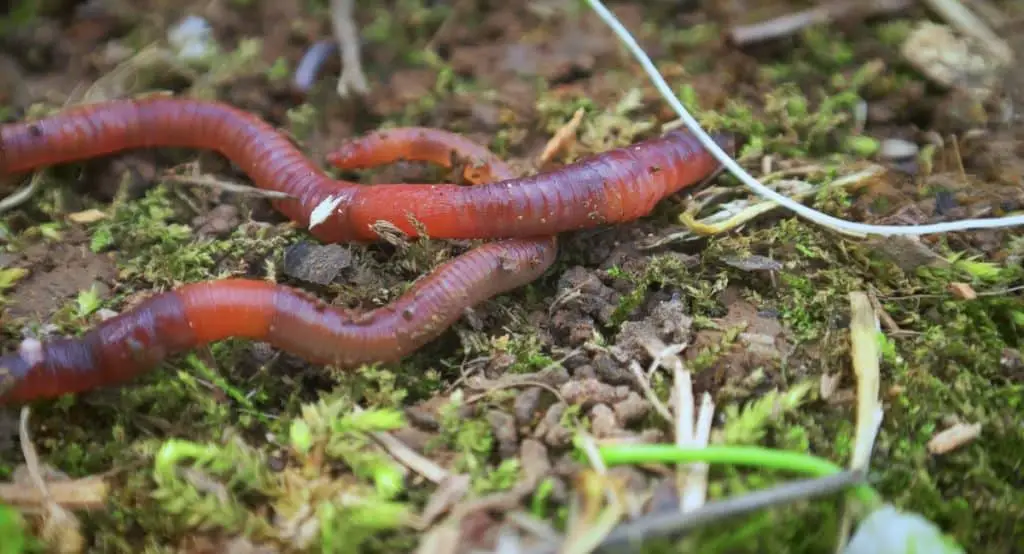
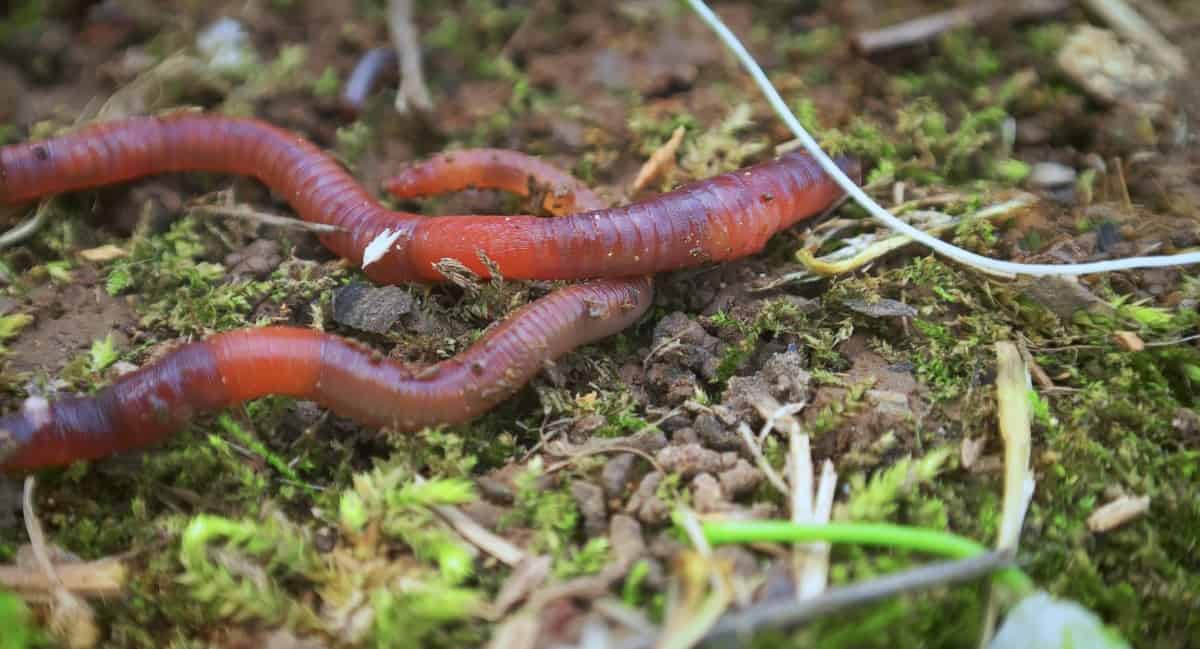
    So what do you feed your fishing worms? There are a few options to choose from; powdered worm food, damp coffee grounds or fruit and veggie scraps. Use your blender on the fruits and veggies to break them up into smaller pieces and then sprinkle the scraps on the top of the worm box. Avoid citrus, meat, onions and dairy. The worms will avoid them and they will eventually rot in the bin. One of their favorite treats, just lay a soft piece of bread on top of the moist soil. The next time you lift up a corner of the bread they will be piled up underneath it.

    How to make a worm bed for fishing bait

    Is writing about the outdoors or fishing something that you think you would like to do? It’s possible to make income by doing so. If you are interested check out this link to see how I do it.

    I will cover more in depth the who, what, when, where, and why’s of what to feed your fishing worms. We will cover how to make your own worm bin, how often to feed your worms and many other interesting facts about taking care of fishing worms.  
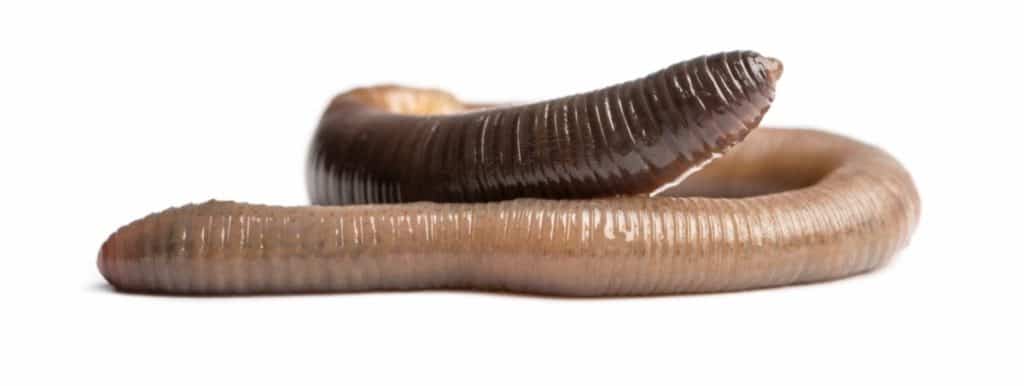
    Fishing Worm

    How to Take Care of my Fishing Worms

    Here are the top three ways to keep your fishing worms alive and what food to feed them. 

    1. Keep worms in the refrigerator. This works best if you have less than a dozen worms left. But they will have to be used within a month’s time. 
    2. Place worms in a styrofoam container. If your worms came in a decent container then you will not need to transfer them. If you do transfer them make sure to move all the soil and any shredded paper that came in the original container. 
    3. Feed your worms once a week (this varies, depending on who you talk to). You can sprinkle 2 to 3 tablespoons of used coffee grounds into the container, but make sure they are damp. You can also sprinkle a couple of teaspoons of powdered worm food over the top of the worms. This can be found in most bait and tackle shops or on Amazon.
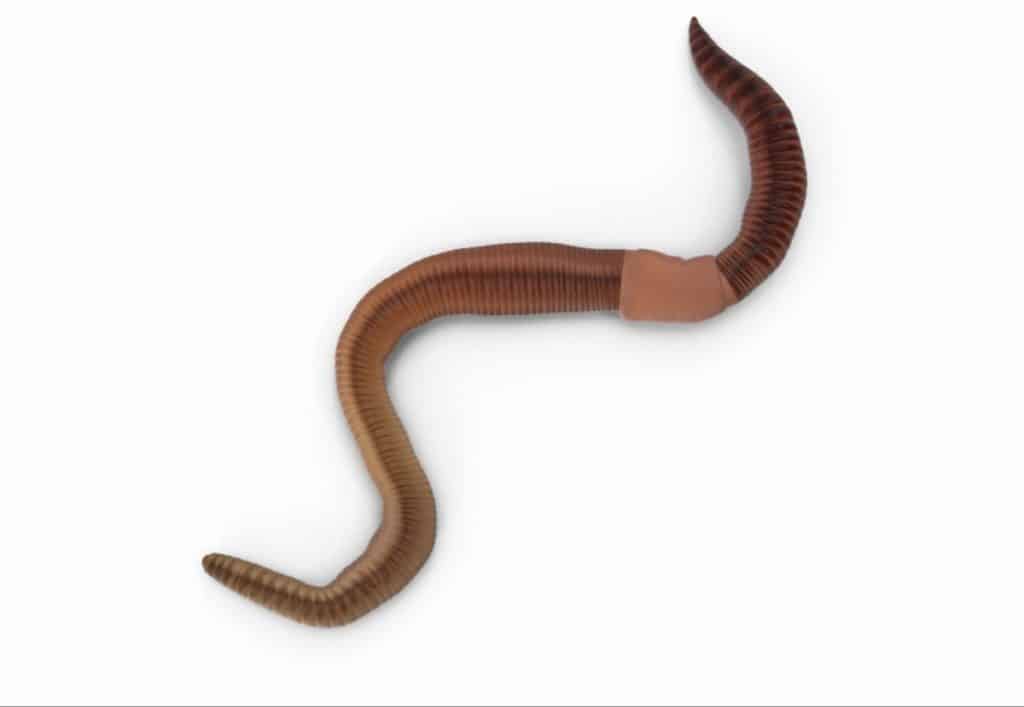
    How to Make a Worm Bed

    Worm beds are larger versions of a worm bin. You can find worm bins at most gardening centers but they will be pretty small. A worm bed is actually something you construct in your yard. This will give you large earthworms and excellent compost. 

    There are tons of creative worm bed ideas all over the internet. You can use large plastic bins, styrofoam coolers, or even a large fish aquarium. But the ultimate way to make a worm bed is to dig it right in the ground. You can make it as large as you like, just start digging. You can make it square or rectangle shaped. Once you have the pit done, line it with cardboard and use wooden boards up the sides. You then need to shred and moisten any old newspapers you have lying around. Make a large, fluffy layer in the bottom of the pit. This makes the bedding for the worms. Next you add the worm, soil, and food scraps. Now, just sit back and allow the worms to turn it into rich soil and compost, as well as multiply like crazy. Throw a soaked piece of cardboard in there as you layer the paper and dirt. The worms love the corrugations in the cardboard and will use the tiny holes to lay eggs. One egg could hatch 9 baby worms in a few weeks and you’ll have worms in perpetuity.

    **Tip: keep the worm bed moist or your worms will dry out and die**
    Feeding Instructions

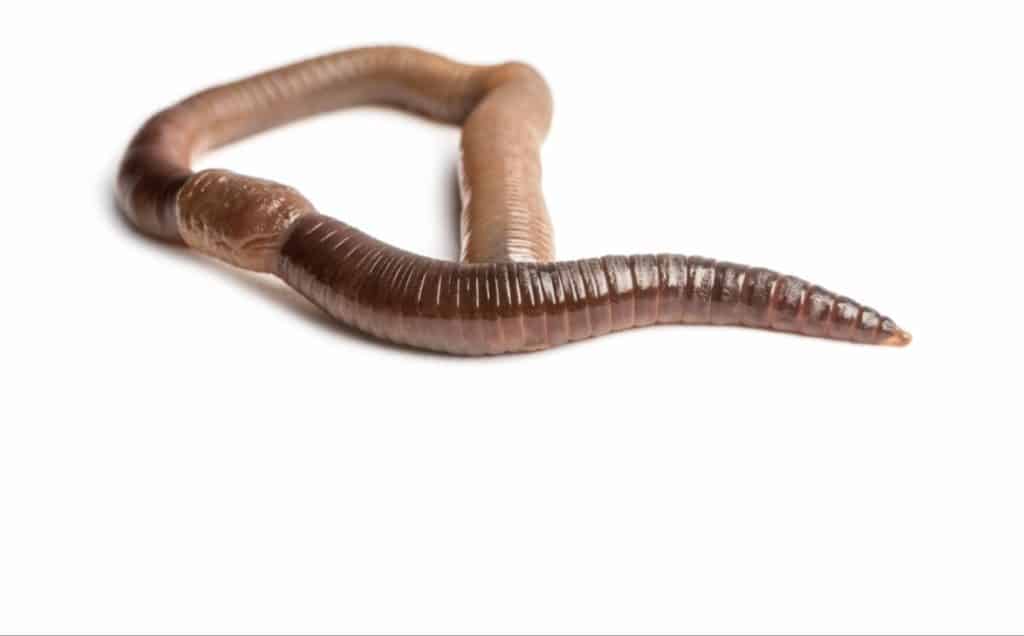
    A full functioning worm bin will have about 6.5 pounds of compost worms. Uneaten food should not be more than 5cm deep. They prefer to eat their food before decomposition sets in. If not eaten before then, it will affect the life cycle of the worms and operation of the worm bin. 

    Start by feeding the worms a small amount of food each day. Worms can normally eat their own body weight in food. Slowly increase the amount you feed the worms as the population begins to grow. Building up a decent population can take approximately 3 months to accomplish. To take care of rotting scraps, you may need to gently mix a small amount of fibrous material into the top food layer.

    How do Worms Reproduce

    Worms will join together with their heads in opposite directions. Sperm is then passed from one worm to the other and is stored in sacs. A cocoon then forms on each of them, on the clitellum. Worms can and will double in population every 60 days and the breeding cycle takes 27 days from mating to the laying of the eggs. That is a lot of worms every other month!
    What do Worms Need to Survive

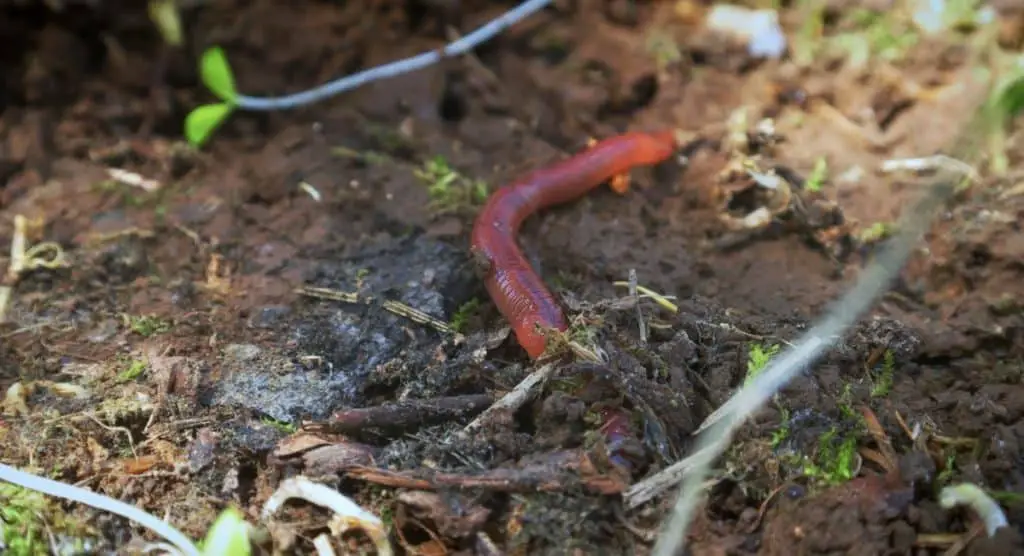
    This is an expansion of the beginning of the article. Major research uncovers hidden gems. Worms will eat dead plants, live plants, animal poop, and other microscopic animals. They also do not mind eggshells if you use your blender and grind them into powder to sprinkle atop the soil. Food, moisture, and oxygen are all that worms require to survive. Check the soil everyday to make sure it stays moist, but try not to get it too wet. 

    Moist soil ensures that the worms can breath. Oxygen from the water in the ground actually passes through a worms skin, keeping it alive. So worms do not actually drink anything, but will eat a wide variety of items. 

    Make your Own Worm Food (worm food recipe, so to speak)

    Fruits, vegetables, grains, and cereals are just a few of the many options you have. They also need organic items, like tea bags and cardboard. If you choose to, you can mix everything in the blender. Otherwise just cut it into small pieces, and as it breaks down in the soil the worms will eat Newspaper or some kind of bedding will keep the bin dark, so the worms do not get confused and it also keeps the fruit flies at bay. Not only do the worms eat the organic materials they also use it to live in/under. Worms do not have a particular feeding schedule. You can feed them once a week, every 2-3 days, or once a day and they will thrive and multiply.

    Worms do not have teeth and because of this, they need a little grit in their diet. You can use crushed oyster shells or rock dust as their source of grit. Or, you can simply use egg shells, which everyone usually has. 
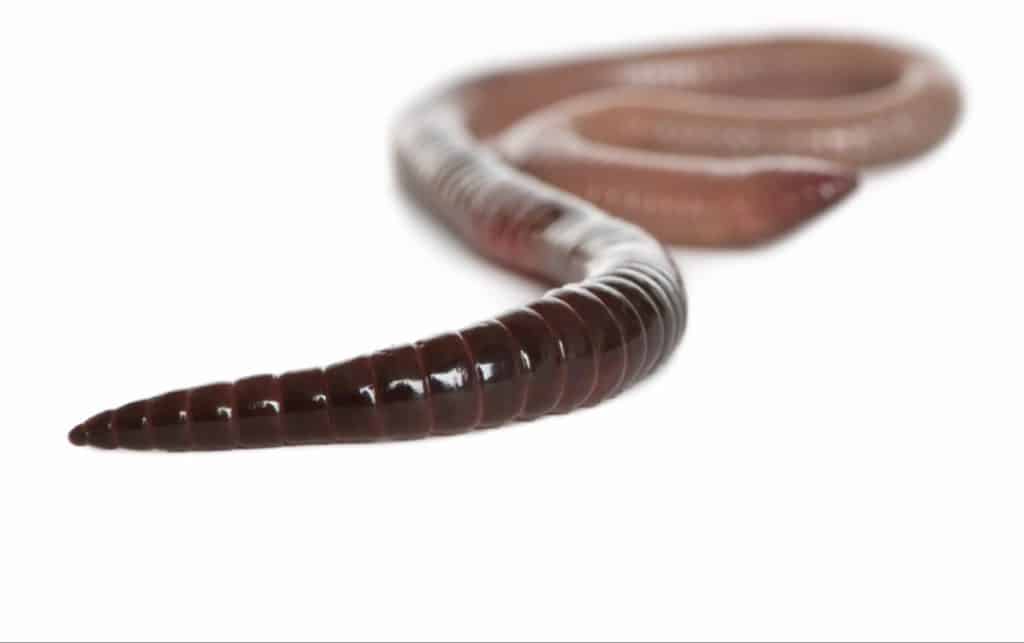
    Do not feed your fishing worms meat, poultry, fish, dairy. Proteins attract different rodents. Junk food, such as chips, candy, or oils will attract ants. Oranges, lemons, and limes are toxic to worms because of the citric acid. Definitely never ever put any biodegradable material in the worm bin. 

    If you do not have enough scraps for the worm bin, because some of it goes to other animals, cornmeal is the perfect solution. Sprinkle 2-4 tablespoons onto the soil and it will satisfy the fishing worms just fine. 

    How to Grow Fishing Worms as Bait

    If you fish very consistently with worms, then growing your own will be very beneficial to you. You don’t have to spend money on bait anymore and you get amazing compost for your plants and/or garden.

    There are actually 3 types of fishing worms

    • Mealworms
    • Red worms (red wigglers)
    • European Night Crawlers (super reds)

    You decide which type of worm best suites your fishing style and needs. Most anglers prefer the mealworms for panfishing, the red worms for other edible fish, and the Europeans for the bigger fish (such as catfish, walleye, and largemouth bass).

    Mealworms

    Live mealworms can last up to nine months and can be used in various ways; in pastes and mixes, as live loose bait, or hair rigged just to name a few examples. There are different opinions on whether they are dead or alive. It is kind of a balancing act to keep them alive but NOT maturing. If they mature they will turn into Darkling Beetles. 

    European Night Crawlers

    This type of worm is fat and juicy, making it hard for most fish to resist. They are easy to cultivate, very active, and can grow to be four to five inches long.

    Here is a brief checklist on composting/growing the European Night Crawler

    1. The location can not be too warm nor too cold.
    2. Build or buy a bin, making sure it has air and drainage holes and a lid
    3. Order super reds online
    4. Set up the bedding. If you DIY the bin, pure peat moss makes extraordinary bedding
    5. Put the worms on the bed and allow them to dig in
    6. Feed them 2-4 times a week.

    Every 3-6 months you will want to harvest material from the bin for your plants or garden. 

    Red Worms

    These are smaller than the European night crawlers, but they still make exceptional bait. For these red worms you will basically be following the same process as above for setting up the bin, but it is suggested that you purchase tray-based worm bins. These make it easier to harvest the humus (worm poop). Everything else about harvesting is exactly the same has it is for the European Night Crawlers 

    There you have it folks, the ins and outs and dos and don’ts of feeding your fishing worms, making your fishing bin, and what not to feed your fishing worms. It will save you money, because you won’t have to purchase worms when you want to head out and go fishing. Heck, you could even package and sell the soil and sell the worms and make a little bit of money. Who doesn’t like money!?

    Whatever you choose to do, there is an abundance of information and already packaged worm food and worms to get you started and to keep you going. Worms could possibly be one of the easiest ‘pets’ to take care of, and as a bonus you get awesome plants/garden fruits and vegetables from the compost that the worms help produce. 
  • Fishing Reels, Can They Get Wet?

    Fishing Reels, Can They Get Wet?

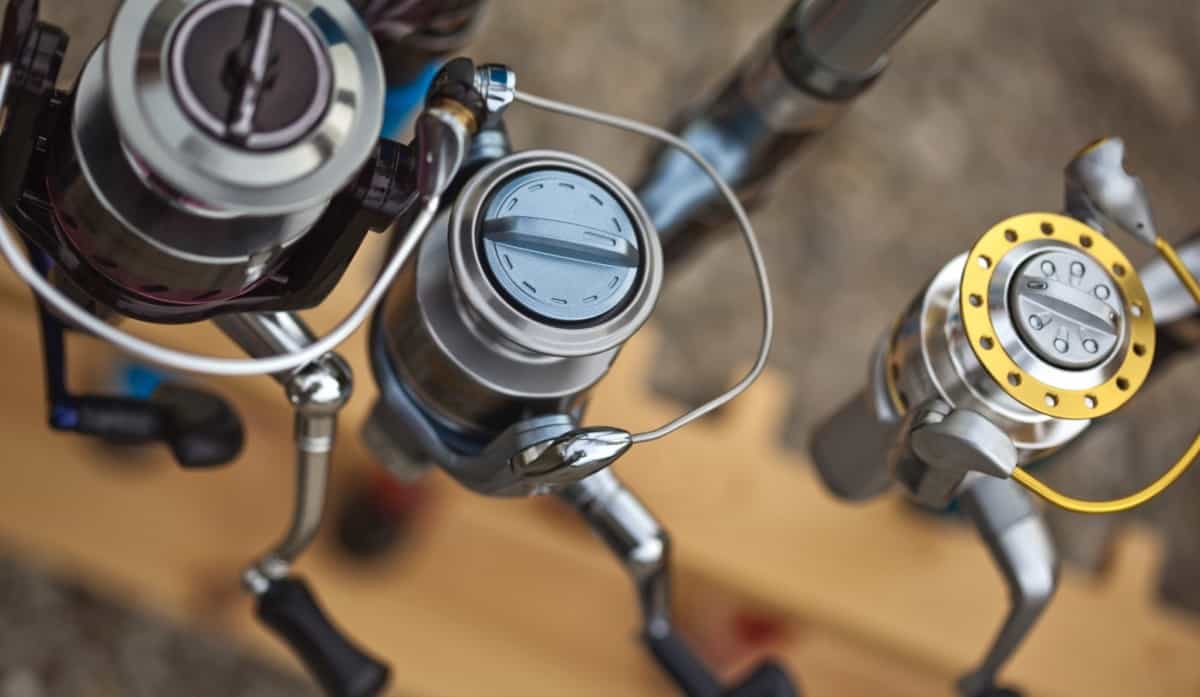
    Today we are going to talk about fishing reels. We will tell you about the 3 main reels, discuss freshwater and saltwater reels, and cover whether or not your reel can get wet. If your reel does get wet, what are the consequences or best ways to handle it. 

    Have you ever had one of those reels that gets dunked or dropped in the water and gets sand in it? Then it feels like a pepper grinder when you reel it? Ewwww…

    For the most part, fishing reels were made to get wet occasionally, however if you are fishing in salt water it’s a good idea to rinse your reel with fresh clean water in an effort to get the salt off. This will make your equipment last longer and protect it from rust. It’s also recommended to lubricate your reels more often if they are getting wet.

    How To Fix It, I Dropped My Spinning Reel In Saltwater

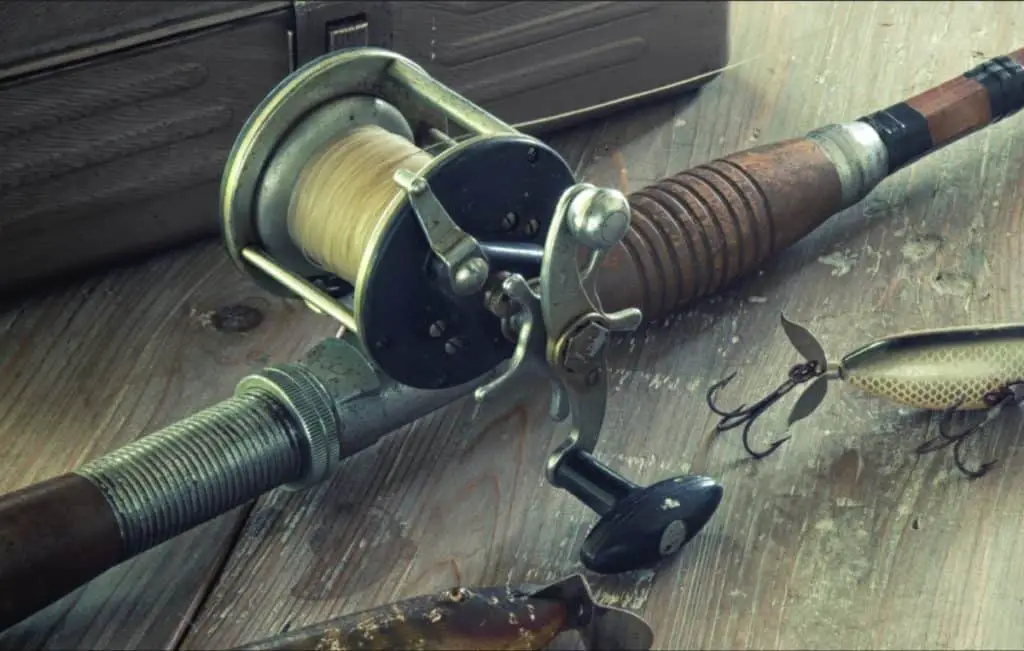
    There are 3 main reels on the market today. We are going to cover some basic information on each one for you.

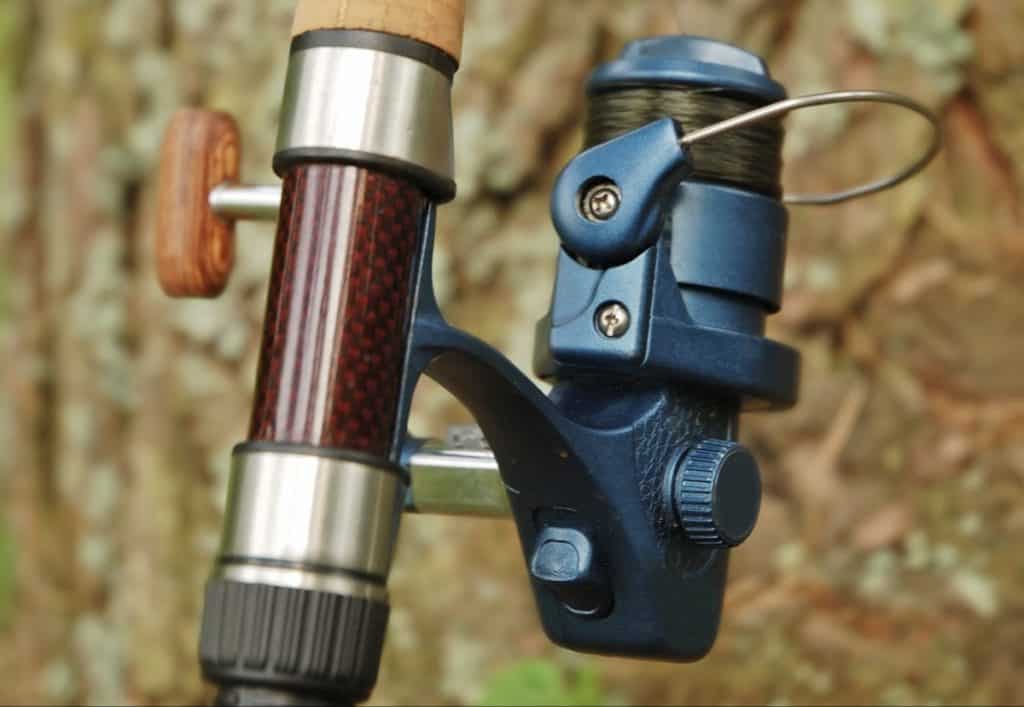
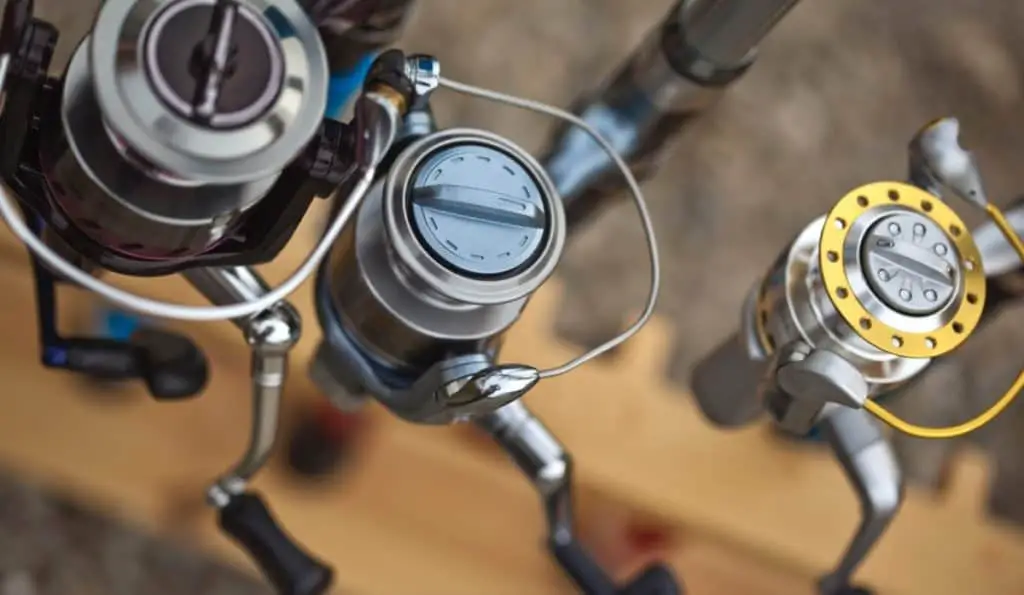
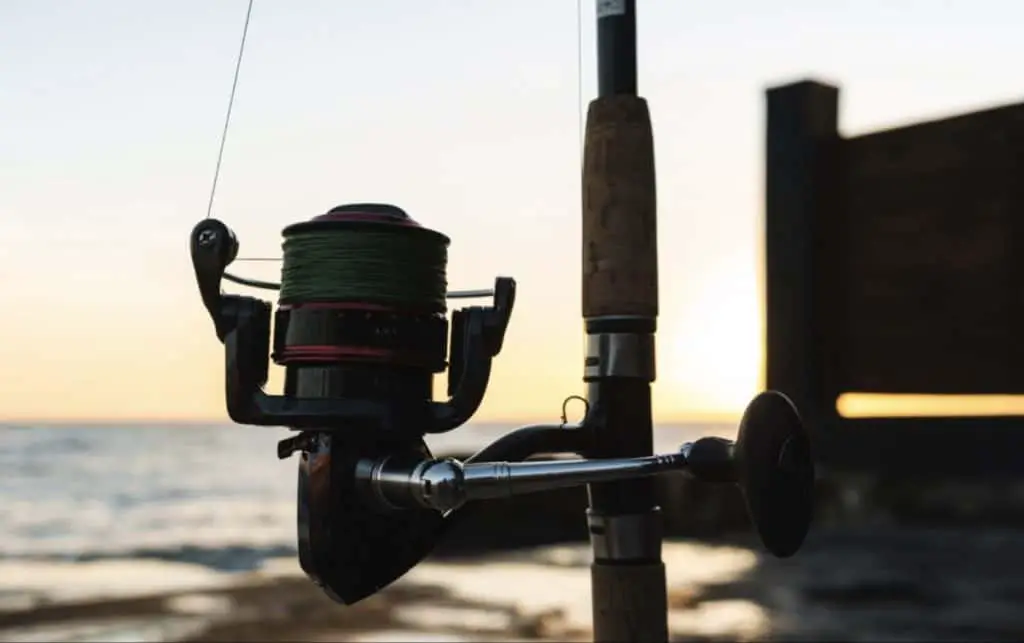
    1. Spinning Reel, also known as an open face reel. These are my favorite by far! These reels are the most popular, easy to cast, and are more accurate. You can cast farther with the spinning reel than you can with the closed-face reel. Here you have good line capacity, which allows you to have more line than other reels. There is also an extra spool making it easier to change out your line on the water. The spinning reel is great for light lures and the line flows freely. These reels are recommended for experienced anglers, though they are pretty easy for a beginner to learn to use. Spinning reels are not recommended for heavy test line and they are one of the more expensive reels. 
    2. Baitcasting Reel is the most advanced of the 3 reels that we are discussing today. Many Bass fishermen use them. I’m not too good with them though. You need a lot more skill and practice to effectively use a baitcasting reel. These are frequently used by professional anglers at tournaments. As the line is released the spool will rotate. The baitcasting reel has the most accuracy, distance and is the most expensive. This reel offers a fast and powerful retrieve and is ideal in catching the bigger, heavier, and harder fighting fish. There is one con to using a baitcasting reel; they are prone to tangled lines and backlash.
    3. Spin-casting Reel, also known as the closed face reel has all of the components enclosed under a nose cone. In the center of the cover is a hole, where the line comes out. To cast, all you do is push the button on the back of the reel, throw out the line and just before it hits the water you release the button. The spin-caster is best for kids and beginners to learn with as there is no backlash or tangled lines to worry about. It is also the least expensive of the 3 reels. 

    The difference between freshwater and saltwater also determines whether or not you can/should or shouldn’t let your reel get wet. You can actually divide reels into categories of freshwater or saltwater:

    • Saltwater is brutal on metal, therefore saltwater reels are usually made from stainless steel and other parts that are non-corroding. But even after long periods of time, these reels will show some damage.
    • Freshwater reels will get corroded and damaged with any kind of saltwater contact. You can help prevent this by rinsing your reel with freshwater as soon as you can after a fishing trip, but this is no way a long term solution.
    Sometimes when the water is quiet you can almost hear the fish laughing at you...

    Saltwater reels are more expensive, but if you can afford it, it is highly recommended. This ensures that you can fish anywhere that you want to go, whether it is freshwater or saltwater. Otherwise you need two seperate poles or you can risk using your reel in saltwater and replacing it fairly often. 

    If you are fishing in freshwater, it is not going to hurt your reel to get wet. The salt in saltwater is what eats at the material that your reel is constructed of. But it is advised to dry off/out your reel is it is completely submerged in water.

    There are five main differences between saltwater and freshwater reels:

    1. Materials used – freshwater reels are made with more simple metals and work fine for fishing strictly in freshwater. Saltwater reels are constructed of tough metals and alloys that can withstand the corrosion of saltwater, because they are coated with a protective sealant. 
    2. Sealed components – this includes bearing, drag systems, gear boxes, and other pieces. These are not as vulnerable to saltwater corrosion. The seals function like gaskets on a car and they keep the saltwater from reaching the inner working parts.
    3. Line & lure – Saltwater are designed for heavier line and bigger lures, where as the freshwater reels normally run 4 pound test line and ⅛ to ½ ounce lures. There is a little bit of a cross over between the 2, but it mostly pertains to the lures/bait that you are using. You can’t get too heavy on 4 pound test, but you can’t be too light on a saltwater line that is 12+ test. 
    4. Cost – Saltwater reels are going to be quite a bit more expensive than a freshwater reel because of the pieces/parts used to make them. So, invest in a saltwater reel that you will still be using in ten or fifteen years instead of replacing your reel every single fishing season. 
    5. Reel types – freshwater anglers most generally use the spinner reel, spin-casting, or baitcasting reel. Saltwater fishermen use a different reel depending on the fishing situation.

    Unless your reel is made of wood, paper, or another water soluble material, it is not going to harm anything if it gets dunked or dropped into the freshwater. Just make sure you dry it as well as you can when you get home. You can also lay them out in the open air to help dry any extra moisture. 

    So fear not, if you have your younger children with you and they let go of the whole pole when they cast or they freak out when they get a fish and let go. It is not going to damage the reel to get wet. But you may have to replace a pole if the fish runs away with it. 

    I hope we have covered all you wanted and needed to know about saltwater and freshwater reels. When you go in to buy your reel, make sure it is a great fit for your pole. There are some combinations that are not very compatible. When you are saltwater/deep water fishing you definitely want a stronger rod, so that you are not replacing them continuously.
    As always, Happy Fishing!

  • Fishing Line, Can It Cut You?

    Fishing Line, Can It Cut You?

    Monofilament, Flurocarbon, and Braided are the main types of fishing line that anglers use. But do you know what each is made of? Do you know if you can be cut by the fishing line you have on your pole? We are going to delve into this topic today. I will talk a little it about each kind of line, what it is made of, can it cut you, and how to protect your hands/fingers from being cut. I like mono cause it’s cheap…

    CUT BY FISHING LINE!

    Monofilament – made from a single fiber of plastic, making this type of fishing line cheaper to produce and therefore cheaper for us to purchase. It comes in a wide variety of diameters and test strengths. Mono is the most popular fishing line because it is very affordable. This type of fishing line is not recommended for deep water fishing because it absorbs water. The absorbing of the water will loosen the knots and decrease the sensitivity. The plastic used is strong and flexible and can be dyed many different colors or left as clear fishing line. Mono line is easy to handle, works well in many situations, easier to cast, and flexible. By the way all my reels are wound with mono.

    Flurocarbon – this is the most expensive type of fishing line on the shelves. Virtually invisible underwater with very little stretch, leads to better hook-sets. This line is more abrasion resistant and has more memory than other fishing line, like Mono. Flurocarbon is stiffer and less likely to tangle, but dense enough to sink. This makes for excellent trolling and spinning lures. 

    Braided Line – this is smaller in diameter compared to Mono. Used mostly in heavy forage areas because of its high strength and abrasion resistance. This was one of the earliest types of fishing line to be manufactured. Braided fishing line has incredible knot strength, lack of stretch, and superb power in relation to its diameter. One drawback of braided line, fish can see it in the water! Constructed of man-made material like Spectra or Micro-Dyneema (which we will cover in more detail). Braided line has so much strength that anglers have considerable trouble breaking it when their line is snagged.
    Now that we have provided you with some of the basic information on the three types of fishing line, it is time to answer the question; can fishing line cut you? That depends on what type of fishing line you are using. Modern fishing line are mostly made from artificial substances:

    • Nylon
    • Polyvinylidene fluoride
    • PVDF (flurocarbon)
    • Polyethylene

    Dacron is a fiber produced by DuPont, and is the registered name for polyester fiber.

    Dyneema is considered the world’s strongest fiber and is used to prevent rope failure. Dyneema is 15 times stronger than steel and is made from Ultra High Molecular Weight Polyethylene (UHMWPE).
    Spectra is tiny filaments of super strong material. When braided together you get a thin but amazingly strong fishing line.

    The three materials listed above is what braided fishing line can consist of. There are many companies out there that make fishing line. It is going to be your duty to try some of them out and decide which brand and style is your favorite. You can research them on the internet, look at the reviews and ratings or you can just do it by trial and error. The line that you purchase also needs to correspond with the fish you are trying to catch. You don’t want to use 4 pound test if  you are deep water fishing for a HUGE catfish. 

    Thin Mono and wet fingers can be cut, but braided fishing line can easily cut to the bone. If you do not know how or have never used braided line then it is highly recommended that you don’t use it without some kind of protection. Otherwise you can easily cut off the tip of one of your fingers. 

    Some suggestions to protect your hands and fingers;

    • Gloves
    • Medical/hockey tape (NOT electrical tape)
    • Finger guards

    Gloves work, unless you do a lot of surf casting, then they wear out quickly. Medical/hockey tape is inexpensive and works amazingly. The finger guard is made from a piece of leather with a flexible material on the outside. The finger guards can be found at most bait and tackle shops and they are reasonably priced. It protects your finger and is flexible, whereas the tape is not going to be as flexible as you need it to be. 

    One avid angler high recommended KT tape. It is a little bit more expensive than medical or hockey tape but it is flexible and works the best out of all finger protectants. This can be found at any pharmacy or retail stores, such as WalMart, in the first aid section. 

    So, we have answered the unknown question; can fishing line cut you? Yes, especially braided fishing line. So please make sure whether you have fished with braided fishing line or not, you use finger protection. No one wants you to have to get a bunch of stitches or be missing the tip of your finger. Fishing is a fun, relaxing, memory making sport that the whole family will love. Let’s not get seriously hurt while doing something that everyone loves to do.

    “Be careful of broken people. Their sharp edges may cut you.”
    ― nickiesha reid

    I hope that I have given you the best information on what finger protectants to use, the details of fishing line and what it is made of. Please make sure you are safe and careful when you are out fishing. Have fun making memories with your family and friends and as always, Happy Fishing! 

  • How To Make a Fishing Stringer

    How To Make a Fishing Stringer

    If you are fishing from shore, a bridge, or a dock and plan on keeping what you catch, then get a fish stringer. (unless you are like me, then you might not need one…LOL) You can also use them if you are fishing from a boat that doesn’t have a live well. You can purchase or make them yourself. We will give you some background on fish stringers, what they are, where to buy them, and supplies you need to make them on your own. Let’s get started!

     “If people concentrated on the really important things in life, there’d be a shortage of fishing poles,” Doug Larson.
    DIY VERY EASY! learn HOW TO Make a FISH STRINGER
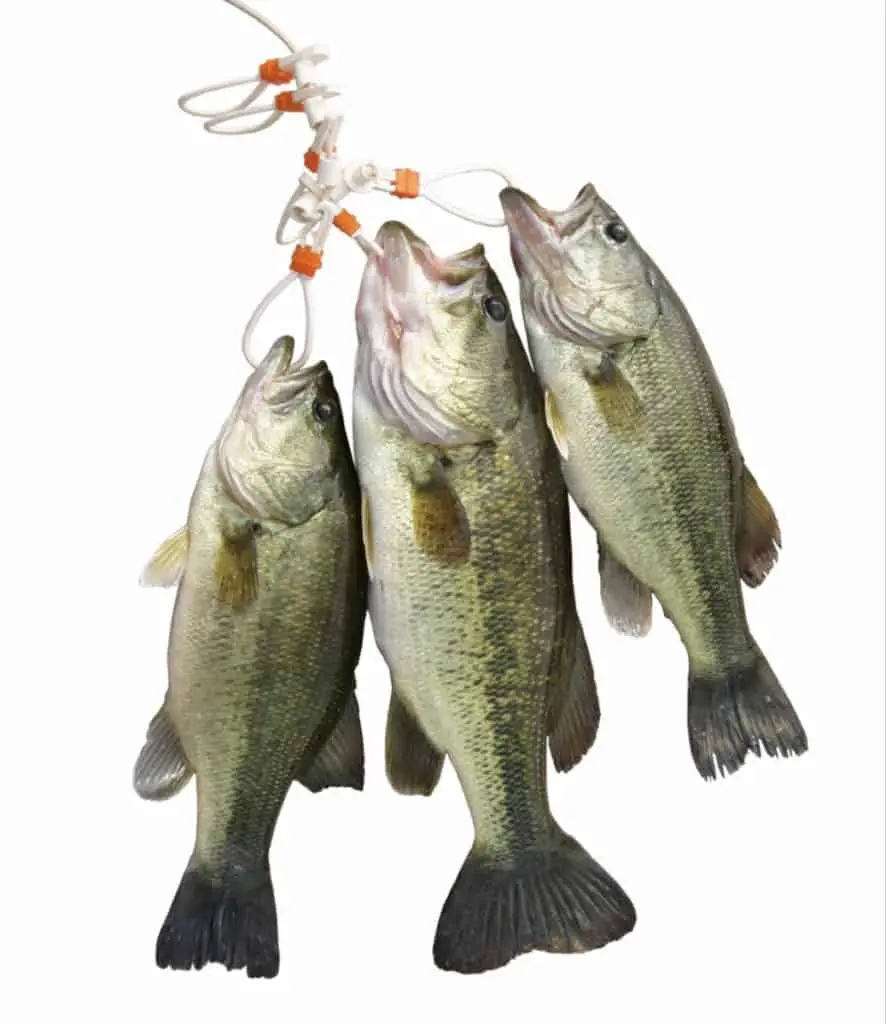
    Stringer Of Fish -Bass on Stringer

    Types of fishing stringers

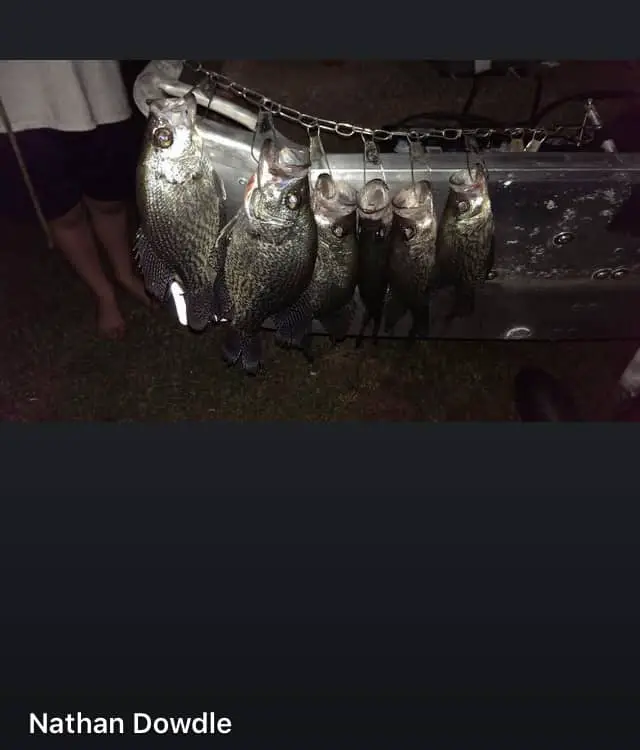
    According to Wikipedia, the definition of a fish stringer is; a line of rope or chain along which a fisherman can string fish so they can be kept alive in water. There are 2 general types of fish stringers; a rope stringer or a chain stringer. Which type is best for your stringer of fish?

    Chain Stringer

    A chain stringer has safety-pin type snaps along the length of the chain and are used to clip onto the fish. The fish stay immersed in the water until you are done for the day. We will cover a little more on chain stringers in a little bit. 

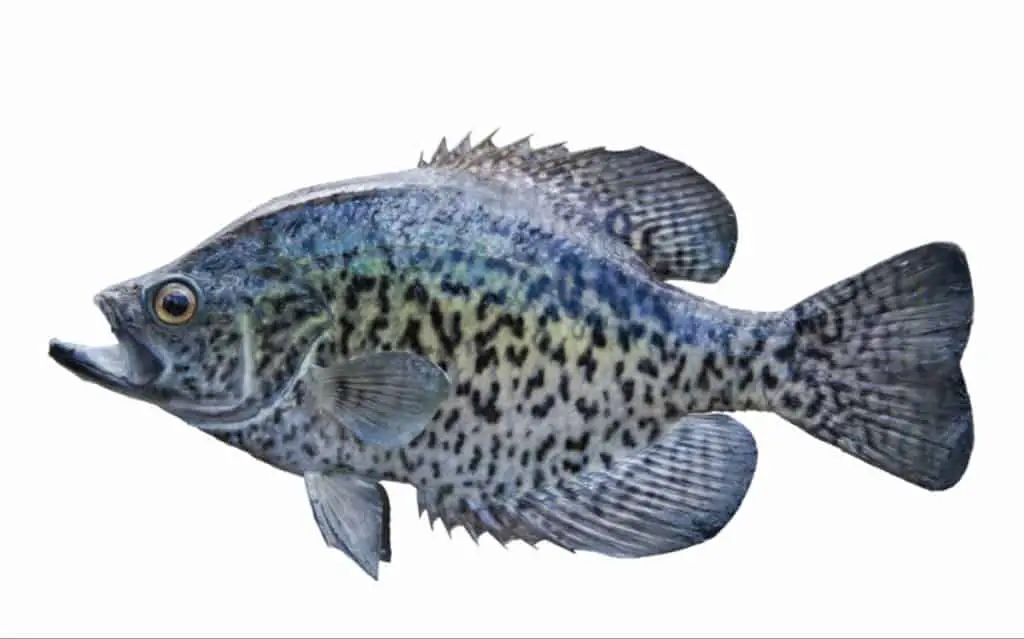
    Black Crappie

    Rope Stringer


    A rope stringer is the easiest type or form. It is made from rope or wire with a stringing needle made of metal or hardwood at one end. (these are the type I use now cause they are easy. When I wasyounger I used the chain ones.) You use the needle to thread the stringer through the gills of the fish. The other end usually has a wire ring that secures the stringer in the dirt. 

    How many times we took off in the boat only to remember  the stringer dangling overboard..FishinMoney

    There are hundreds of styles of fish stringers on the market. Some of them are simple and affordable and some of them are fairly expensive. It all depends on the types of materials used to construct the fish stringer. The heavier weight stringers are going to be more expensive. We are going to take a look at a couple fish stringers that you can purchase from several online stores. 

    “Early to bed…early to rise…fish all day…make up lies,” Author Unknown.
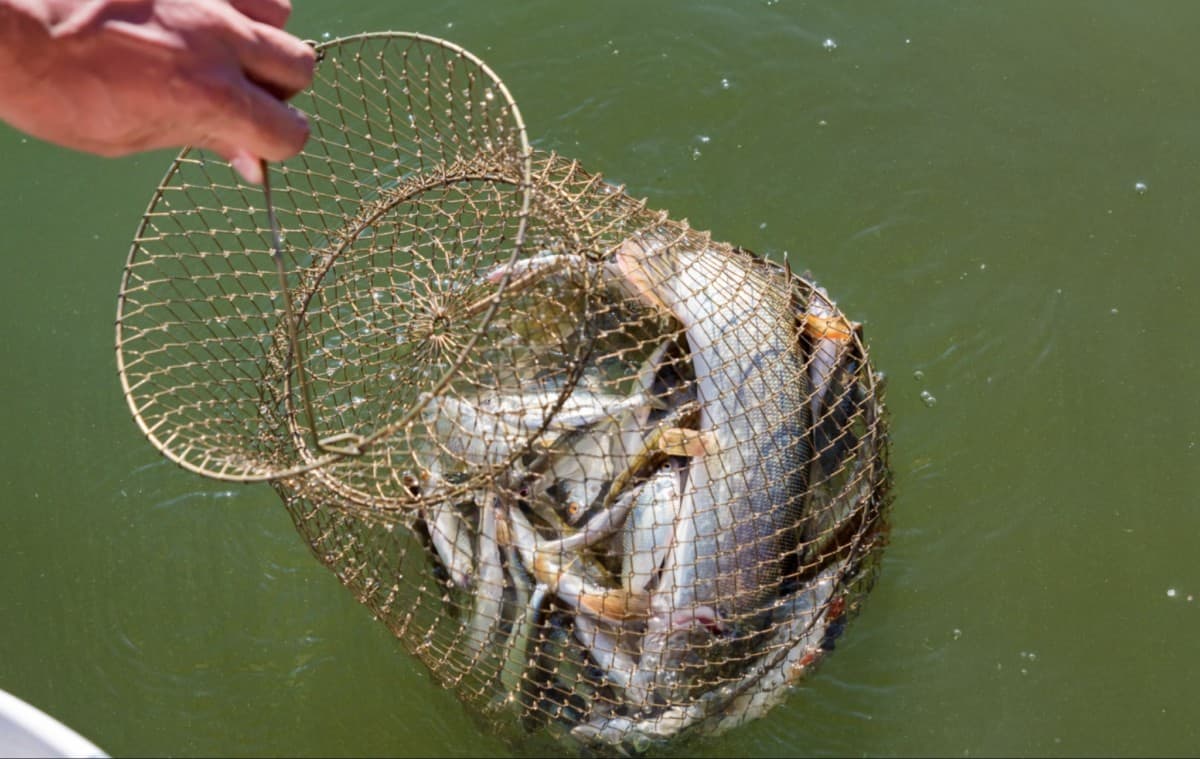
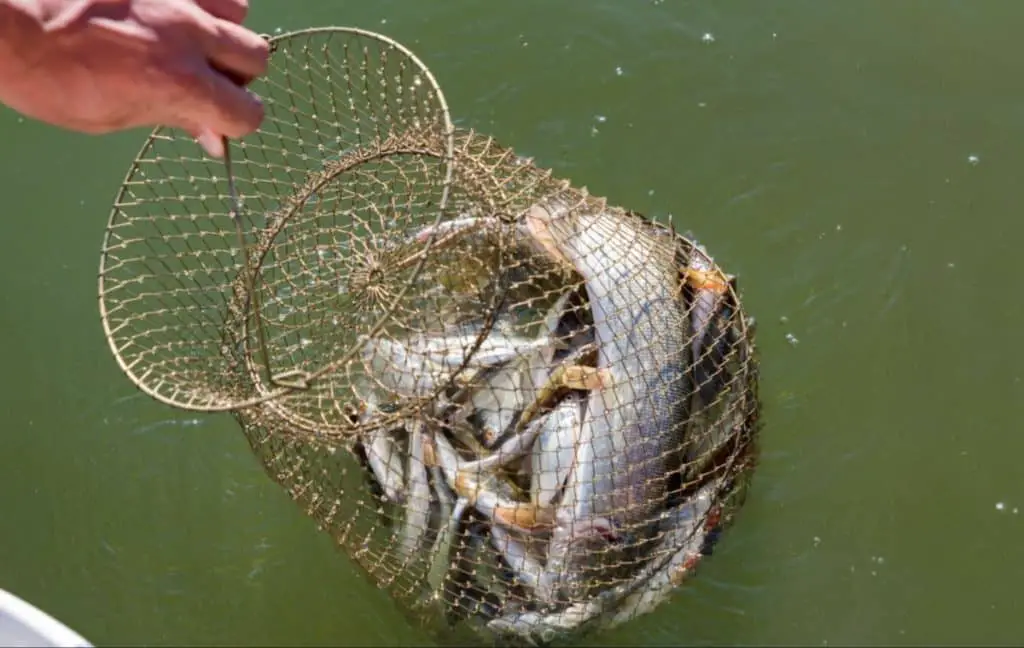
    Collapsable fish basket

    Paracord stringer

    Made by Paracord Planet; 10 foot, 550 pound Paracord Stringer Fish Holder. Very affordable with a metal ring and metal threading needle. It is available in 12 colors and is under ten dollars. The needle has a blunt sharp eds, making it easier to stick into the ground or thread through the fish. With the paracord fish stringer  you won’t have to worry about any metal clanking on the side of the boat and scaring away the other fish. It is perfect for shore fishing, wading, or fishing from the dock.

    Also available online is the JSHANMEI Clip Lock Fish Stringer. This one is made with metal wire and has 5 clips/snaps. It also has a stainless steel fish buckle, fish barrel swivel, superior quality stainless steel rubber covered soft steel wire, alloy ground support stand, and a mountaineering buckle. The snaps on the fish stringer are 5.5 inches long and the widest point is 1.8 inches. The wire rope length is 19.6 feet  and also comes in at under $10. 

    Heavy Duty Fish Stringers

    On the more expensive side of fish stringers, there is the RLQ Heavy Duty Fish Stringer. This comes in 2 colors and 2 sizes; silver or green and 60# or 70#. The 60# stringer is 6 meters in length and the 70# is 7 meters in length. This stringer has 5 clips, a hollow reel, and is easy to handle and store. Use the fish block on this stringer with clams, this helps to keep the fish alive while you continue fishing. The hollow reel reduces the drag and is flexible and smooth. This particular fish stringer comes in at over fifty dollars.

    “I spent most of my money on fishing. The rest I wasted,” Author Unknown.

    If you are a DIY type of person, then there are plenty of options out there for you as well. You can use metal, paracord, rope (nylon) or even an old dog leash to make a homemade fish stringer. These DIY fish stringers were found by doing an internet search. These are not our creations or projects, but the ones we found and thought that you may want to try. 

    DIY Fish Stringers

    This first DIY project was found on spearboard.com. It seems pretty easy, but not sure if the directions are as clear as they could be. Drill a hold in a piece of metal, about 6-8 inches long. If you know how to rig a speargun then you know what to do with this. Get some wire and a crimping tool and crimp it up. Otherwise you could get a beat up wire hanger, make an eye in the middle and tie off to it. 

    “You say I`m a compulsive fishing freak like it’s a bad thing,” Author Unknown.

    As I said, not super explanatory, but if you know what a speargun is and does, then you are going to be able to create this fish stringer fairly easy.

    The next one seems easy enough, only containing 8 steps to complete. It was discovered on tackleunderground.com.

    1. Get cord and wire that is 16-18 gauge
    2. Find a nail or something that is just a touch smaller than the cord or wire 
    3. Wrap the wire around the nail 5-10 times, try to make it as uniform as you can
    4. Feed the cord through the wire loops that you just made
    5. Cut the rope diagonally to create a sharp point
    6. Push the sharp point through the cord from the bottom up
    7. Burn the cord on each end and squash it flat
    8. Crimp the last wrap on the cord. 

    There are also hundreds of videos on YouTube that will walk you through, step by step, on how to make a fish stringer. Some of the videos are by professional or very seasoned anglers and some of them are produced by everyday people like you and I who love to share their ideas and insights with the world. 

    As stated before, you can use paracord, wire, rope, and other materials. You can make them as easy and light or as heavy as you wish, depending on what kind of fish you are going to be catching and stringing. The videos are very easy to follow and when you are done you will have the perfect fish stringer and it will be time to hit the lake and catch some fish.

    I hope you have provided you with the information that you desire in order to purchase or DIY your own fish stringer. You can use these to keep fish immersed in water, until you are ready to let them go or take them home and fry them up for dinner. There are tons out there to purchase, a bunch of DIY projects all over the internet, and many materials that you can use to make the fish stringers, even recycled materials that you may have laying around your home. 

    So, lets get those materials and get to making a fish stringer! Happy Fishing and Be Safe. 

  • How To Keep Fishing Rod Joints From Sticking

    How To Keep Fishing Rod Joints From Sticking

    One of the worst things that could happen on one of your fishing trips is your rod joints sticking. What causes this? How do you prevent it from happening? How do you fix the sticking joints? These are some questions that we are going to answer for you today. There are always other ways and other opinions than what we provide you, so you may have friends, family, or a mentor that will have some ideas that we do not cover here.

    “Work is for people who don’t know how to fish!” Author Unknown.
    Rod and reel

    A joint (or ferrule) is an important part of your fishing rod. They are narrow rings, usually made of metal, and they prevent the end of a handle or stick from wearing out or breaking. There is a male and a female joint (ferrule) on every rod that is made, as long as it is 2 pieces. When you put your rod together you should have a 0.5cm – 1cm gap. The best way to put your rod together is slowly twist it together. Never shove or try to ram it together.

    The main reasons for the sticking joints on your fishing rod are dirt, sand, excessive saltwater, and other debris. To keep your joints from sticking, your best bet and the most recommended solution is to clean your pole after every trip especially if you mostly fish in saltwater. Make sure that you store it in a clean, dry place; preferably covered. 

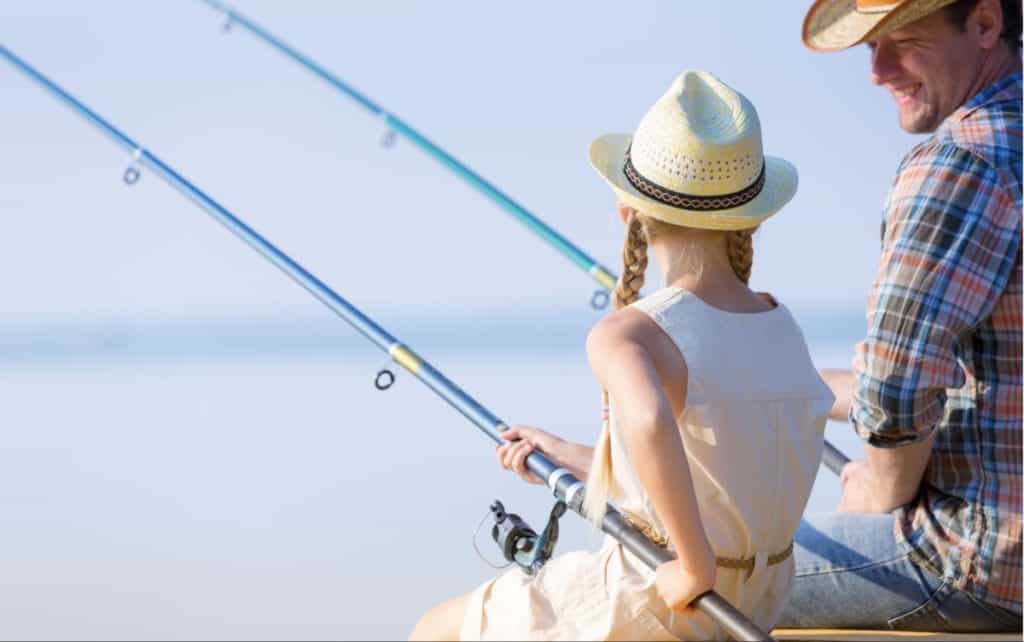
    Father and daughter fishing

    There are many reasons why your joints can stick, as we mentioned above, and there are just as many ways to get them apart. Some are recommended, some are highly disagreed with, some work and some do not work. You could put 20 fishermen in a room and they would all have a different solution to fishing rod joints that are stuck. There is no real right or wrong way to get them unstuck. It is going to be trial and error. What works for you may not work for the next guy, and visa versa. Let’s get into a little more detail on the things that are making the joints stick on your fishing rod.

    Excessive water, heat, and saltwater can expand the male section of your rod overtime and cause them to swell a bit and get ‘stuck’ together. A small grain of dirt or sand, salt, or any other debris that gets into the joints will make them tough to get apart at the end of the season. 

    “Even a fish wouldn’t get into trouble if he kept his mouth shut,” Author Unknown.
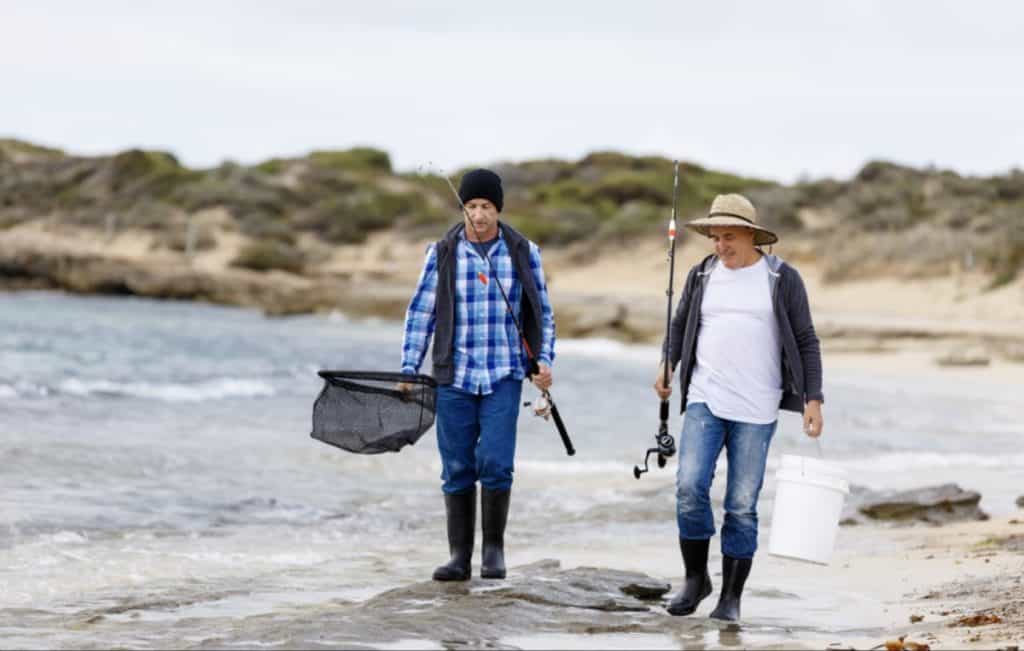
    Friends fishing

    Let us now talk about a few of the ways that you can get your fishing rod joints unstuck. 

    One of the first things that most people do is try to pull their rod apart. A lot of fishermen keep some kind of pads or rubber gloves in their tackle box just for this issue. Be very careful how hard and what direction you pull because your pole could bend or twist in the wrong direction and crack or even break.

    If pulling alone doesn’t work, you may need to tag team the issue with a friend. Kind of like playing tug-of-war. Avoid the eyelets (guides) to ensure they do not get broken off. To try to unstick your joints with a friend; both of you need to put a hand on each side of the joint (as you would if you were working alone). This gives you double the pull power on both sides of the rod. Some fishermen will tell you that this is the worst way to get your rod apart. Because the pole will not be pulled apart completely straight and more times than not you are going to end up with a broken rod. Especially if it is a light spinning rod or a fly fishing rod. 

    “There are two types of fisherman – those who fish for sport and those who fish for fish,” Author Unknown.

    Some anglers have tried the hot/cold method and swear by it. Many will heat up the “female” side of the rod (joint) in an attempt to make it swell or expand, allowing you to easily remove the male joint. This has worked for a few fishermen, but it may not be quite enough for your fishing rod. 

    You can give WD-40 a shot. Let it soak into the 2 joints for a few minutes and you may be able to slide your rod apart. This is the least risky way to conquer stuck joints, but it doesn’t seem to have a very good success rate. 

    The next method that some anglers attempt is to cool down both sides of the joints, believing it will loosen the rod. Some of the easy ways to accomplish this; place a bag of ice (or a bag of frozen veggies) around the joint, or leaving your rod outside on a cooler night. As with the other suggestions, this has worked for some but not for others. 

    Once you get your rod unstuck, be sure to clean out both joints very well. Depending on how often you go fishing and how often you fish in saltwater, you are going to want to clean your pole on a regular basis. We are going to give you a few ways to lubricate your rod, and ways to transport and store your rods at the end of the season to prolong the joints from getting stuck. 

    Some of these are going to seem a bit odd, but they are said to work, by many fishermen. One of the ways to lubricate the male joint is to run the joint up and down on the side of your nose, or threw your hair a few times. Odd? Yes! But the natural oils in our skin and hair are the perfect lubricant for your rod joints. It will make the rod slide together easily and come apart just as easy. 

    “‘Carpe Diem,’ does not mean ‘fish of the day,’” Author Unknown.

    The ultimate way to lubricate your fishing rod joints is to use ferrule wax, which comes with the purchase of some fishing rods. You can also use a candle and run it along and around the male joint for lubrication before you slide the joints into place. 

    Here are some tips to care for your fishing rods, how to transport them safely, clean them at the end of the fishing season, and the best way to store them in the winter. 

    General Care:

    • Never hang lures or hooks from the guides (eyelets). This can scratch the surface of the guides and believe it or not affect your casting. It can also cause issues with your line, if the guide isn’t changed right away.
    • Do not let your lures bang on the tip of your rod by reeling it in all the way. 
    • Never strike your rod on or against something strong or hard. 
    • Do not ‘high stick’ or lift the rod past a 90 degree angle when fighting a fish on the line.

    Transporting your rods:

    • Do not set or lay anything heavy on them
    • Keep rods and tackle/other fishing equipment separate
    • Do not store them, while transporting, where they will be in straight UV light for long periods of time

    You want to transport your rods carefully. This prevents any debris from accumulating in or around the joints. Laying something heavy on the pole can weaken the joints. Keeping all your equipment separated will keep the rod and guides from getting any kind of abrasion damage. Humidity is also a huge factor in your fishing rod joints sticking.

    “Nothing makes a fish bigger than almost being caught,” Author Unknown.

    Cleaning your rod:

    • You want to wash the rod with hot soapy water and allow it to dry completely.
    • Clean the joints well. Wipe down the male ferrule and apply a little bit of wax or other lubricant. Take a Q-tip and clean out the inside of the female joint, making sure there is no dust, dirt, or debris left behind. 
    • Check all of your guides for scratches, and replace them on the spot. Scratches in guides could cause issues with your line, like snagging and even breaking. 

    Storing your rods:

    • DO NOT lean the rod against the wall or in a corner against the wall. Overtime, this will cause an unwanted bend in your rod.
    • DO use some kind of rack to lye your poles on, keeping them up off of the ground to avoid being kicked or stepped on. 

    There you have it, my fellow anglers. Why fishing rod joints stick, ways to get the fishing rod joints unstuck and things to do to prevent it from happening in the future. I hope this was a successful and helpful article for you and I hope that this never happens to you, as it can be a terrible situation. Unfortunately if none of the suggestions work, and none of your friends/family have any solutions or suggestions, you are going to be stuck spending money and buying a new rod. Just remember, depending on how often you go fishing and how often you fish in saltwater, that will determine how often you should take your pole apart and clean it. Getting on dirt, dust, debris and salt out of the joints. Until next time, happy fishing!

  • Stringer vs. Keepnet – What Is better?

    Stringer vs. Keepnet – What Is better?

    If you are going to go fishing and you are looking for the best way to keep your fish alive until you are done for the day, you can use a stringer or you can use a keepnet. (Unless you’re like me and you don’t catch any…) We are going to decipher which one is best and most efficient. So follow along with me, and I will tell you all about each one and give you some top selling stringers. If you know an avid or professional fishermen, talk to them and get their ideas and opinions on the two. The more information that you have, the better, when deciding which one to use. 

    “Calling fishing a hobby is like calling brain surgery a job,” Paul Schullery
    Fish on a stringer Nathan Dowdle Stringer Of Fish

    According to thefreedictionary.com a keepnet is a cylindrical net strung on wire hoops and sealed at one end, suspended in the water by an angler to keep the fish alive that he has caught.

    In review of the DIY article on stringers. A stringer is a line of rope or chain along which fishermen can string fish so they can be immersed and kept alive in the water. Able to still swim freely.

    Stringer vs Keepnet, it is a personal preference. A lot of people have opinions on each one and unfortunately many of the lakes, rivers, and ponds that you fish do not allow the keepnet any longer. So, if you are going to go and fish somewhere that doesn’t allow the keepnet, then you will have to use a stringer if you want to keep your fish alive and you don’t have a boat with a keep tank. Stringers are great for docks, shores, wadding, and fishing from a bridge or pier. 

    Most anglers feel if you are going to release the fish you catch, at the end of the day, then the keepnet is the better option. It will securely hold the fish, without hurting them. If you are using a stringer, as long as you hook them correctly, there will be no harm to the fish either. If they happen to get hooked wrong, the hook/clasp could tear the mouth of the fish and then you are unable to let them go. Keepnets feature a soft mesh, high quality thread that is durable and built to last. 

    Learn How to make your own fishing stringer Here.

    “The fishing was good; it was the catching that was bad,” A.K. Best

    We are going to give you the top 5 tips on using a keepnet.

    1. Make sure to spread it out properly. This will keep the fish in good condition. Weigh down the net to ensure it stays under water. 
    2. Keep the fish out of the sun. Whatever you do, put the keepnet as much in the shade as much as possible.
    3. Don’t mix big fish with little fish. The big fish can bruise the little fish as they are swimming and flailing around. 
    4. When you are done fishing for the day, gently put the fish back in the water, not on the ground or into a bucket. 
    5. Rinse your net in freshwater after each fishing trip and make sure it is completely dry before storing. 
    Stringer Of Fish – Photo by Jonathan Carr II

    Some may ask why an angler would keep fish in a net all day, just to let them go. Why not let them go as soon as you catch and unhook them? Some fishermen actually want to take a closer look at the fish that they catch, and then maybe keep some. On the other hand, most anglers are getting away from using the nets and just let them go, immediately. There are also some anglers that feel the fish in the nets send out distress signals to the other fish, warning them that something isn’t right. Making it more difficult to catch fish, the more you have in the keepnet. 

    “Most of the world is covered by water. A fisherman’s job is simple: Pick out the best parts,” Charles Waterman

    You do need to check the rules and regulations where you will be fishing, a lot of places do not allow keepnets any longer. A lot of fishermen feel the keepnet is a waste of money and makes transferring disease much easier. Catch, take a picture and release the fish. There is no rhyme or reason to keeping them and piling them on top of one another throughout the day. 

    Fish stringers are extremely handy if you are fishing from shore, a dock, wading, or in a boat with no hold tank, as stated earlier. Strings can be made out of metal, nylon rope, or paracord material. 

    Many fishermen prefer the metal/chain stringers because they allow the fish the freedom to still move and swim around. There are 3 main types of stringers that you can purchase.

    • Rope/Poly
    • Lockable snap stringer
    • Paracord stringer
    • DIY stringer
     “Creeps and idiots cannot conceal themselves for long on a fishing trip,” John Gierach

    I included the DIY stringer, because it is extremely easy to make your own and it is affordable.

    The 2 basic fish stringers are the chain, which has safety-pin like snaps along the length of the chain. Usually 6-8, but you can get stringers with 5 snaps and more than 8. The fish will stay immersed in the water until you are done for the day. 

    The easiest fish stringer is the rope/poly, very easy to use and maintain, but durable. It is made from rope or wire with a stringing needle made of metal or hardwood at one end. You use the needle to thread the stringer through the gills of the fish and out of the mouth. 

    There are many styles of fish stringers on the market. Most are simple and affordable, while the heavier duty ones are going to be a little bit more expensive. We are going to know take a look at some of the top selling fish stringers in each ‘category’ above.

    “Be patient and calm – for no one can catch fish in anger,” Herbert Hoover

    Rope/Poly:

    Eagle Claw 12-foot poly Fish Stringer: this is perfect for anglers of any level and ideal for freshwater or saltwater. The poly rope is bright green and easy to spot. This is very convenient and easy to use. There is a needle on one end, that you fish through the gills and out of the mouth of the fish. 

    South Bend Poly Stringer: is made of heavily braided polyethylene cord with a tapered needle for easy stringing. All metal hardware ensures that this will last a long time. Available in 6 foot or 9 foot length. It will keep your fish close, and submerged in the water. 

    “Do not tell fish stories where the people know you. Particularly, don’t tell them where they know the fish,” Mark Twain

    Lockable/Metal:

    Stringer Of Fish Photo by Shane Dobbs.

    Eagle Claw 70-inch Heavy Duty Cable Stringer: this bad boy is excellent for large fish, includes 10 snaps and the cable is heavy duty. The clasps on the stringer are 2 ¼ x 1 ⅛  and can easily hold a 4 pound fish. 

    Berkley 15-feet Deluxe Cord Stringer with SSS: this is a braided polypropylene construction which gives it durability. The stainless steel hooks are super easy to release, but will hold your fish securely. There is a tapered needle for easy stringing, tangle free swivels to reduce twisting and heavy duty to ensure your fish will not get away. 

    Paracord Stringer:

    10 Foot 550 lb paracord fishing stringer has a 1 inch split ring and a metal threading needle. The spike needle measures 3 ½ inches and makes stringing the fish easy. Metal O-Ring is 1 inch in diameter and allows for easy attachment. This is ideal for all game fish and great for keeping the fish strung together. This is available in multiple colors and has a removable inner 7 strand core of 550 lb tensile strength paracord. 

    “The best time to go fishing is when you can get away,” Robert Traver

    Hurricane Stringer with 10 stainless steel snaps is designed for the rugged and stiff saltwater fishing. This amazing stringer is under $8 and is very easy to use, with a tapered needle for easier threading of the fish.  It is a top choice on Amazon in the category of ‘paracord fish stringer’. 

    Lorin Enns Stringer Of Fish

    Keepnet vs Stringer, we have given you a lot of information to ponder. Though you can still do a little bit of your own research, especially on bodies of water that still allow the keepnet. Most people that use the keepnet are the fishermen that do tournaments or contests, and they have to weigh all of the fish together at the end of the event. So again, make sure that you check with the local fish and wildlife before you hit the area and get the okay to use the keepnet. Otherwise, you can go online and check out the stringers that we suggested. See which one would fit your needs the best. The only thing we have to say about the metal stringers, if you are on a boat, they may rattle against the boat and scare away the other fish. So if fishing from a boat it is suggested to use the rope or paracord fish stringer. 

  • RC Fishing Boat Model

    RC Fishing Boat Model

    I don’t know about you but when I was a kid, back in the 80s, I dreamt of the day when I could take a radio controlled boat out onto the lake and attach a fishing line and some bait to it and go out and catch a fish. That’s all that really became of it was just a dream.

    It’s hard to believe that after so many years they actually make radio control boats now specifically for that purpose. Imagine the fun you can have by just sitting back on the shore and driving a radio control boat around until you catch a fish.

    It’s also good for those times when the fishing is so poor that you just can’t catch a fish anyway. This way you have something to do and go out and have fun with it even if there are no fish to catch.

    Not only that but your kids will have a lot of fun with it too. That’s the perfect birthday gift for a youngster who likes electronics cars boats and fishing.
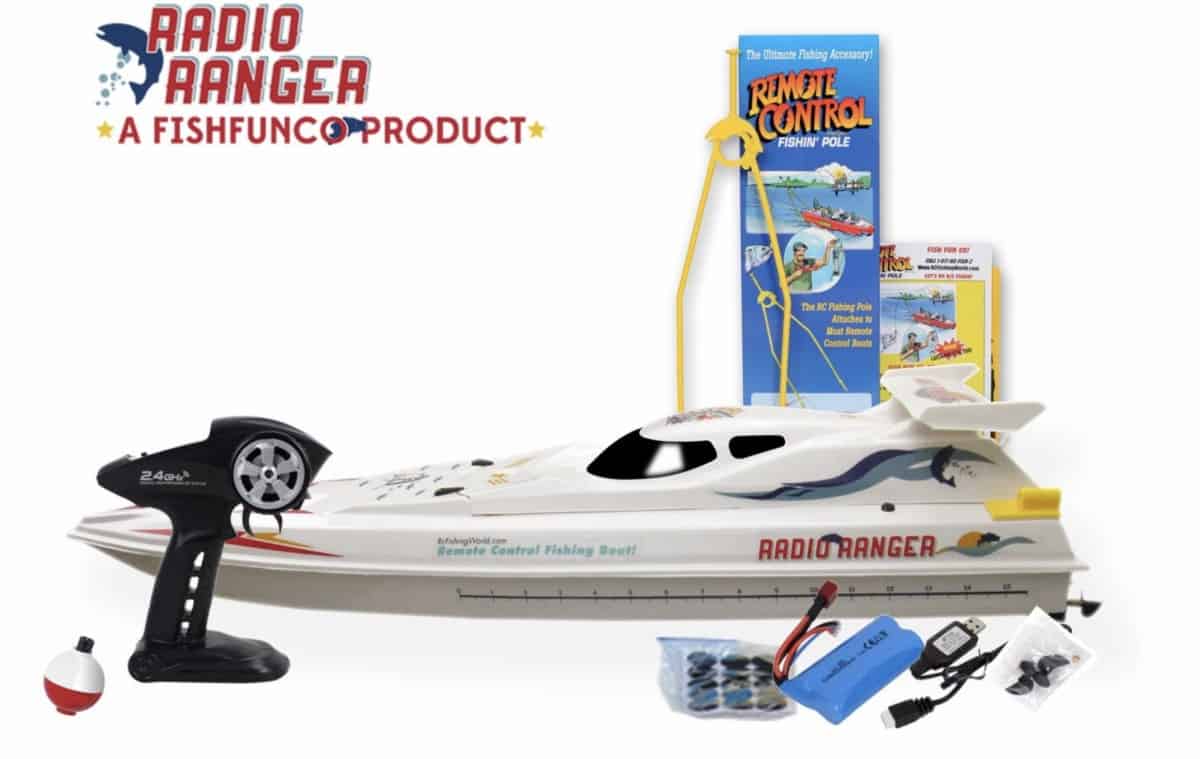
    It’s an all purpose bundle of fun. It’s 35 inches long and it has variable speed for making it able to catch different sizes of fish.

    You won’t believe that this package has everything that you need to go fishing all the way from the batteries, the fishing pole, the string, and even the fishing hook. The only thing that you will need is some bait and you are on the water.

    It comes with a charger for recharging as well so you can re-charge this thing after you have had tons of fun with it. There are even extra battery packs available if you want to spend extra so you have back ups when your power runs out.

    It has a 300 to 400 foot range and it comes with extra props as well. This thing will be tons of fun for you and your family for years to come. Check it out here it’s a perfect gift for the holidays as well.

  • What Do Fishing Captains Make?

    What Do Fishing Captains Make?

    What do fishing captains make?
    According to Indeed the average fishing captain makes $59,000 per year. Some fishing captains make more up into a high $89,000.

    If you are considering becoming a fishing charter captain you should know a few things about how to promote your business.
    There are several ways you can make more money other than just strictly from hiring out to take people fishing. Here are some examples.

    If you would like to find a way to make some money by fishing and writing about it or making videos about it like I am doing here, check out the guys that can teach you how to do it here.

    OK I want to be upfront and let you know that I got all of this information that I am going to share with you from Brant on the fishing channel anglerup with Brant on YouTube.


    To be quite honest I have watched a lot of fishing videos in my time. I am not a charter captain nor do I intend to become one but I’m always on the lookout on how to promote my site and help other people along the way. I can’t tell you how excited I was when I watched this video from Brant. He comes up with ideas on how to increase your income if you are a charter Captain and you can use these ideas even if you are a longshore fishing Captain.

    Many of these ideas will still work for you to make side income. If you do either of these jobs you guys have a lot of Experience Fishing. A lot more than 99% of other people out there and you should take advantage of the fact that you do this daily. You may not think you have a lot of knowledge but in your specific industry you probably have more knowledge than almost anybody else in the world and you need to give yourself credit for that and take advantage of that.

    By doing so it could help you set up your career to be more lucrative and also give you a little side hustle for your later years when you want to slow down a little bit.

    https://youtu.be/4isy3VNBac0

    So in this article I am going to mention some of the things that Brant talks about. And I may expound a little bit on it depending on what industry you’re in. I’m telling you you should watch this guys video because I have not heard Anyone else out there talk like he does. And he’s talking from experience not what if fairytale stuff.
    The first point he makes and I totally agree is that you should never bet your future on only one source of income.

    Yes you can be a fishing captain or a charter captain or even a flyfishing guide etc. but even though you might be able to make enough money to raise a family on that what if something happens? You should always be planning for the future and also planning for changes in the market that may diminish your income. Have a few irons in the fire getting hot just in case your main hustle dries up.

    How to become a fishing guide

    “Reading about baseball is a lot more interesting than reading about chess, 
    but you have to wonder: Don’t any of these guys ever go fishing?” Author Unknown.
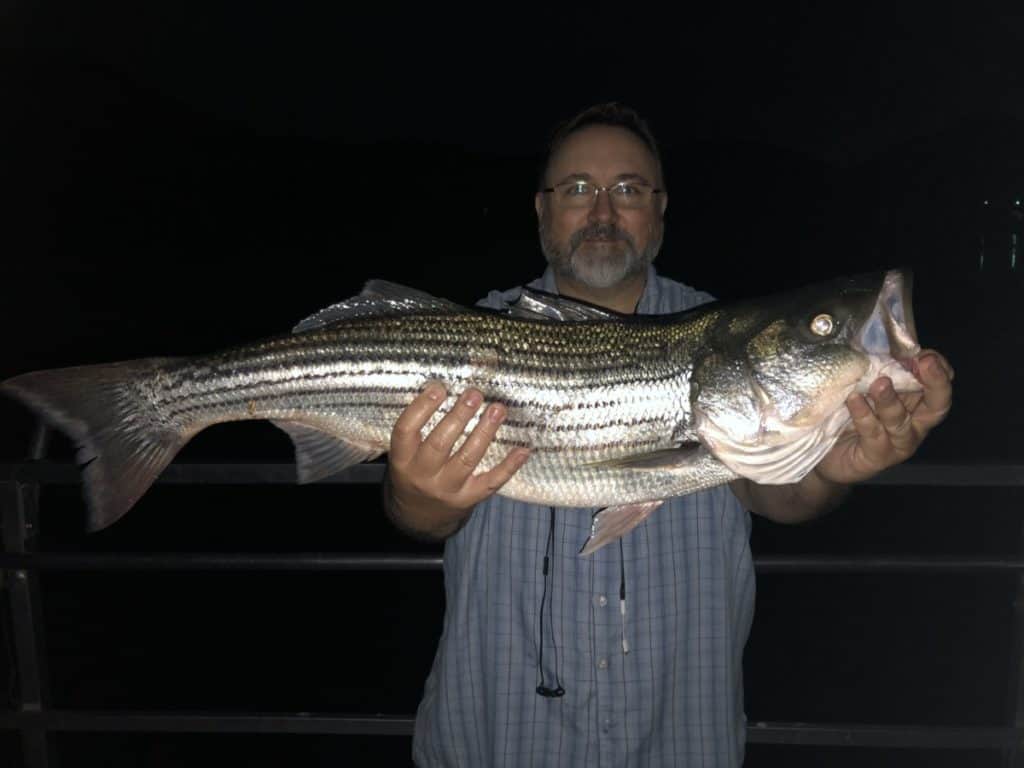
    Darren Enns Striped Bass


    I have lived my life this way and I am not a young man. I’ve always had a Plan B in the back of my head and most of the time while I am working on a plan a and I am also quietly working on Plan B just in case. It would be wise for you to keep this in mind no matter what occupation you have.


    I can’t tell you how many times I thought I was in the job of my life and it would last forever and little did I know three or four years later I was looking at doing something else. Plan for the future always.

    After having said that you might be thinking well, does that mean you think I should do two jobs at the same time? Well yeah sort of. It shouldn’t be that hard though. I will give you some examples of things you can be doing.

    These are things I have been doing in the background for a few years and now it seems like they are all coming together into what could be either a future career or a retirement plan.
    Brant goes on to explain how he filmed his fishing adventures and put them on YouTube

    “The two best times to fish is when it’s rainin’ and when it ain’t,” Author Unknown

    He also took pictures and put them on Instagram. I would add that you can put them on Pinterest, Facebook, etc. If you do this, you will be building up large followings on these platforms and you can monetize this in the future.

    Brant then went on to develop and build the Pensacola Media Group because other fishermen were asking him how he was doing what he was doing. Can you imagine them asking how do you keep your charters full all the time? Because of his social media posts, many people were able to see what he has to offer and after inquiring some of them scheduled charters with him. You can imagine how this would make the other fisherman jealous so when they came asking how he did it, he told them he could show them how and his media group was born.

    But wait that’s not all, LOL. Brant also went on to develop relationships with vendors in the fishing industry. Once they saw his social media following’s and those followings of his customers from his media group, he slowly became wanted by these vendors to promote their products. You can see where he could monetize that as well not only by reviewing and testing their products and promoting their products on social media but being paid to do so. All of this piggybacked on his original job as a charter captain.


    After that he became a voice in the fishing industry and at that point, fishing manufacturers approached him asking him to be a representative for those companies at tradeshows and giving speeches etc.


    Lastly, because Brant has built up such a huge social network and so many friends and colleagues not only on the fishing charters but on the social media and the trade show circuit, he was able to network with people and get involved with real estate joint ventures. He now owns rental properties etc. where he makes positive income as well.

    “No life is so happy and so pleasant as the life of the well-govern’d angler,” Izaak Walton

    I think this young man has his head on straight and he has a lot of good advice for young fishermen who have a dream to take people out on charters. I also think he is willing to freely give his advice on his YouTube channel on how you can do this for yourself not only in fishing but in whatever trade or occupation you have.

    He gives the example of if you like hunting then go hunting every day and do it for a living but find a way to monetize it and find a way to expand it so that you are never stuck with only one income.

    Build several streams of income in case one of them dries up on you one day. You never know what could happen in the future that could change your business and your income so plan around that now.

    Do so in a way that does not take a ton of extra time but maybe only small little steps like taking pictures and posting them on social media channels or like showing up on a Saturday to help out at a trade show booth or by showing off somebody’s handmade lures that you are using to catch all the fish.

    By doing this you will not only help them to promote their businesses but you will gain friends along the way and you will grow your business and your multiple streams of income along the way as well. If you have read this far and you have not gone to see Brants video please do so.

    “The fish is not so much your quarry as your partner,” Arnold Gingrich

    I will leave a link here for you to do that. Some of these ideas I have had and been doing for years but Brant puts them together in a way that draws a pretty picture and in a way that you can understand how this can work to your benefit no matter what job you have. Also by doing this you can raise your yearly income way above the upper $89,000 of the average fishing captain.

    I want to make sure he gets he’s due credit for his video that he put out because it inspired me and I hope it will inspire you too. Keep on fishin!
    Darren.

  • Is It Legal To Sell Fish You Catch? (The Untold Secret)

    Is It Legal To Sell Fish You Catch? (The Untold Secret)

    Some fishermen sell the fish that they catch, legally. But most anglers keep what they catch to feed their families or they catch and release.

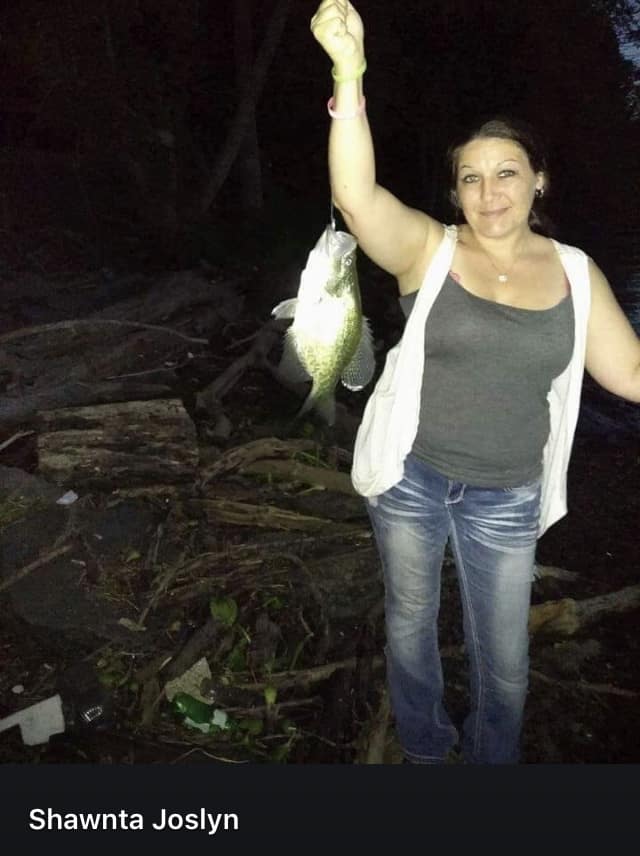
    Photo By Shawnta Joslyn

    It is a relaxing ‘sport’ to many Americans during the summer months. If you are thinking about making some extra money and selling what you catch or opening a small fish market, be sure to check your states rules and regulations closely.

    The general rule of thumb, “ If the fish are caught from an unlicensed or unregistered boat (or other watercraft/vessel) it is illegal. The only time you can sell what you catch is if you are fishing from the shore! There’s More to the story though…

    Did you know I own a fishing memes Facebook page?

    Rules For Selling Fish In Oregon

    Today we are going to cover, more in depth, the rules for being able to sell the fish you catch. We will start by explaining the fish ticket instructions for limited fish selling.

    If you would like to find a way to make some money by fishing and writing about it or making videos about it like I am doing here, check out the guys that can teach you how to do it here.

    This information was researched from Oregon, and it may or may not apply to your state, so please make sure you check with your local game and fish department.

    A limited fish seller permit is going to allow properly licensed commercial fishers the opportunity to sell all species of food fish and shellfish that were caught legally.

    In Oregon you are required to have a valid boat and individual fishing license in order to catch and sell. The fish or shellfish being offered for sale must be:

    https://youtu.be/4isy3VNBac0
    This is one of my all time favorite make money fishing videos!!!
    • Caught from the licensed vessel by the licensed fisher
    • Sold from the boat
    • Sold only to ultimate consumers with the Limited Fish Sellers Permit
    • Thoroughly and accurately reported after the sale.

    If you are an angler that has a Limited Fish Seller Permit you are required to maintain 3 types of records:

    1. A customer receipt book
    2. Fish receiving ticket
    3. Fish dealer monthly report

    The customer receipt books are used for sales to individuals. Normally there are duplicate copies, depending on the type of receipt book you purchase. You keep one and you give the customer one.

    The receiving tickets are provided by the Fish and Wildlife office. They are used to record/report total sales for each landing. You need to make sure that the FIsh and Wildlife receives a copy of each ticket.

    The monthly report is also provided by Fish and Wildlife and it summarizes all Limited Fish Seller sales for the month, in addition to computing the fees owed to the department.

    As I stated before, please check with your local Game and Fish Department. Some rules and regulations may be the same as Oregon or it may be totally different.

    Just to give you an idea of the differences between states, let’s look at California. Their rules and regulations are a bit more intense and strict than in Oregon.

    If you are considering selling your catch from a boat or having a roadside market you will have to obtain certain permits, licenses, and certificates. You also have to have commercial licenses and permits.

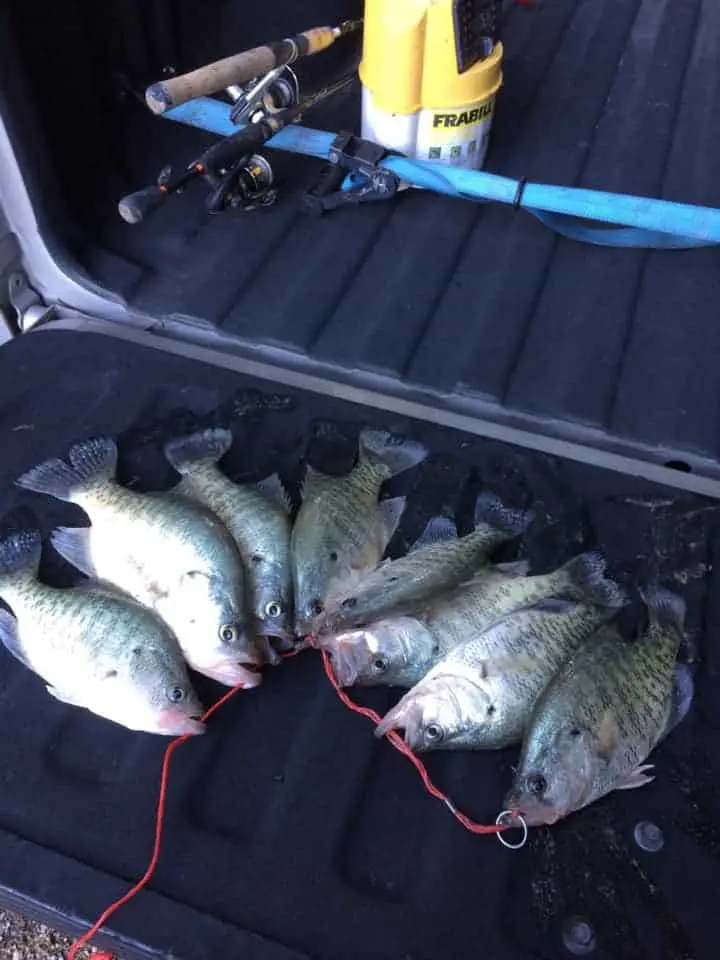
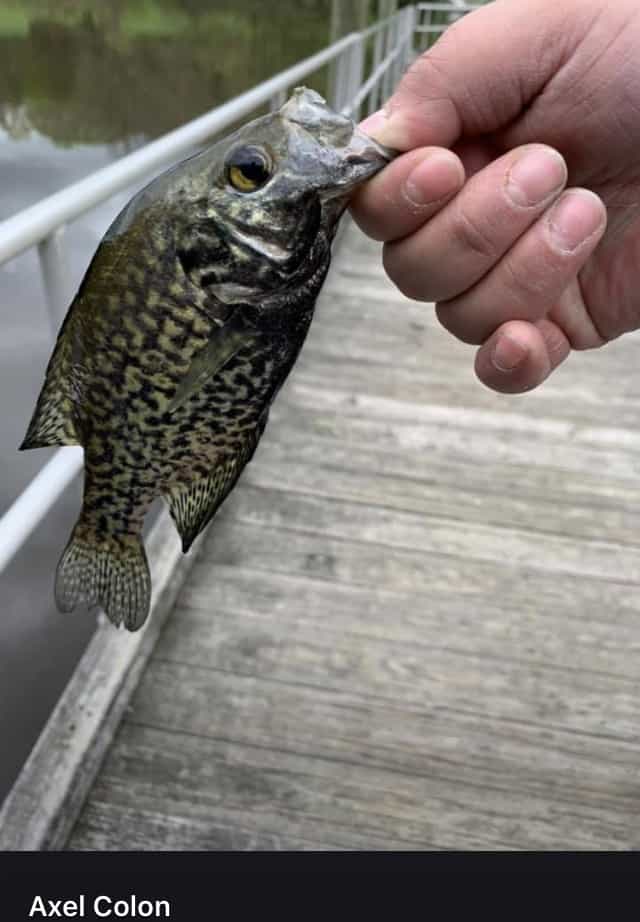
    Photo By Axel Colon Black Crappy

    Selling Fish In California

    When you call your local agencies in California you need to provide them with the seafood you will be selling, the species of the seafood, the product form (whole, smoked, filet, etc.), and the type of market you will be selling from.

    This is going to better assist you in estimating the costs/fees and giving you the correct rules and regulations information to ensure you are in compliance.

    From the Department of Fish and Wildlife there are 4 different licenses/permits that you may be required to obtain:

    1. Retail license- selling all or a portion to the ultimate consumer
    2. Receivers license- selling to someone other than the ultimate consumer (restaurant)
    3. Processors license- if you process for sale or delivery
    4. Multifunction business license- allow you to conduct a combination of the activities listed above

    From the California Department of Food and Agriculture you will need a weigh scale certification. Seafood must be sold by weight, not by piece.

    From the department of Public Health you will have to have a processed food registration. State and local health agencies regulate and assist with seafood safety. The California Department of Health inspects, registers, and oversees the processing, handling, and distribution of food products.

    From the County and City Environmental Health Department you will have to acquire the following:

    1. Temporary food facility permit
    2. Food facility permit
    3. Food safety certificate
    4. Food processing permit
    Fishing Giveaway 2020

    Depending on the type of market and your location, permits and additional fees may be required by local authorities.

    As you can see, there are a lot of differences between Oregon and California in order to be able to sell the fish that you catch. So making sure you have all of your bases covered and you are fully in compliance is essential.

    If you are interested in selling at or starting a small fish market be prepared to follow one very strict guidelines. A lot of people in the United States select a grocery store based on their seafood department so you want to make sure that you have top quality seafood, if you are going to be able to compete.

    Depending on the exact nature of your business you are going to need licenses and permits from the following organizations:

    1. U.S. Department of Agriculture
    2. National Oceanic and Atmospheric Administration Fisheries Service
    3. U.S. Fish and Wildlife Service
    4. Local Health Department

    If you want to sell your fish to a local restaurant you have to be licensed and inspected. Your fish will need to be processed in a local facility that has passed the Manufactured Food Program authorities.

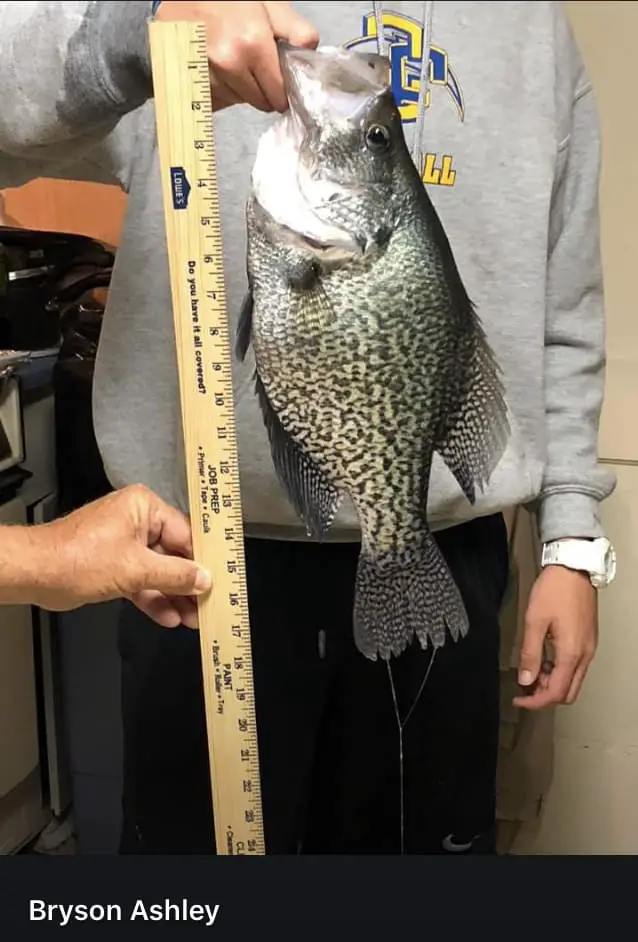
    Photo By Bryson Ashley

    Is It Worth The Hassle?

    I think, especially if I lived in California, I would continue to fish as a sport.

    I don’t want to have to get all of the different permits and things to sell a few fish that I may catch, and then not be getting any decent money out of it.

    Personally I would like to keep it a family/buddy sport during the summer. It makes it fun, and it doesn’t feel so much like a chore or a job, because you are doing it to make money.

    When that happens (doing a hobby for money) the hobby is no longer fun to do.

  • Fish That Are Jumping But Not Biting (Mystery Solved)

    Fish That Are Jumping But Not Biting (Mystery Solved)


    Fish not biting your bait?

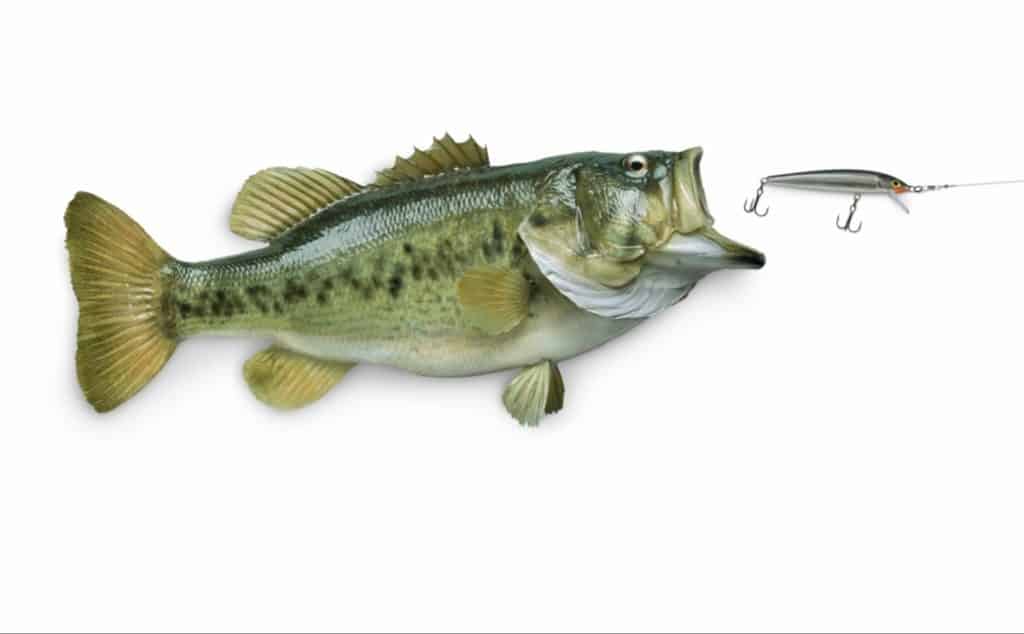
    As frustrating as it can get, even for experienced or professional anglers, everyone experiences it. You can see the fish swimming or you can see the fish jumping, but they are just not biting. (story of our lives right?) Everyone tries to explain it away; using water conditions, water temperature, or many other reasons for the fish to not be biting. 

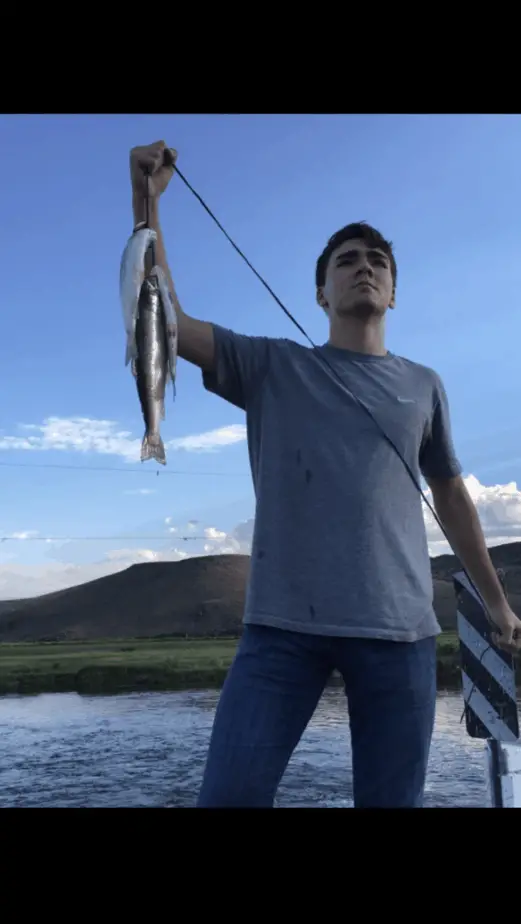
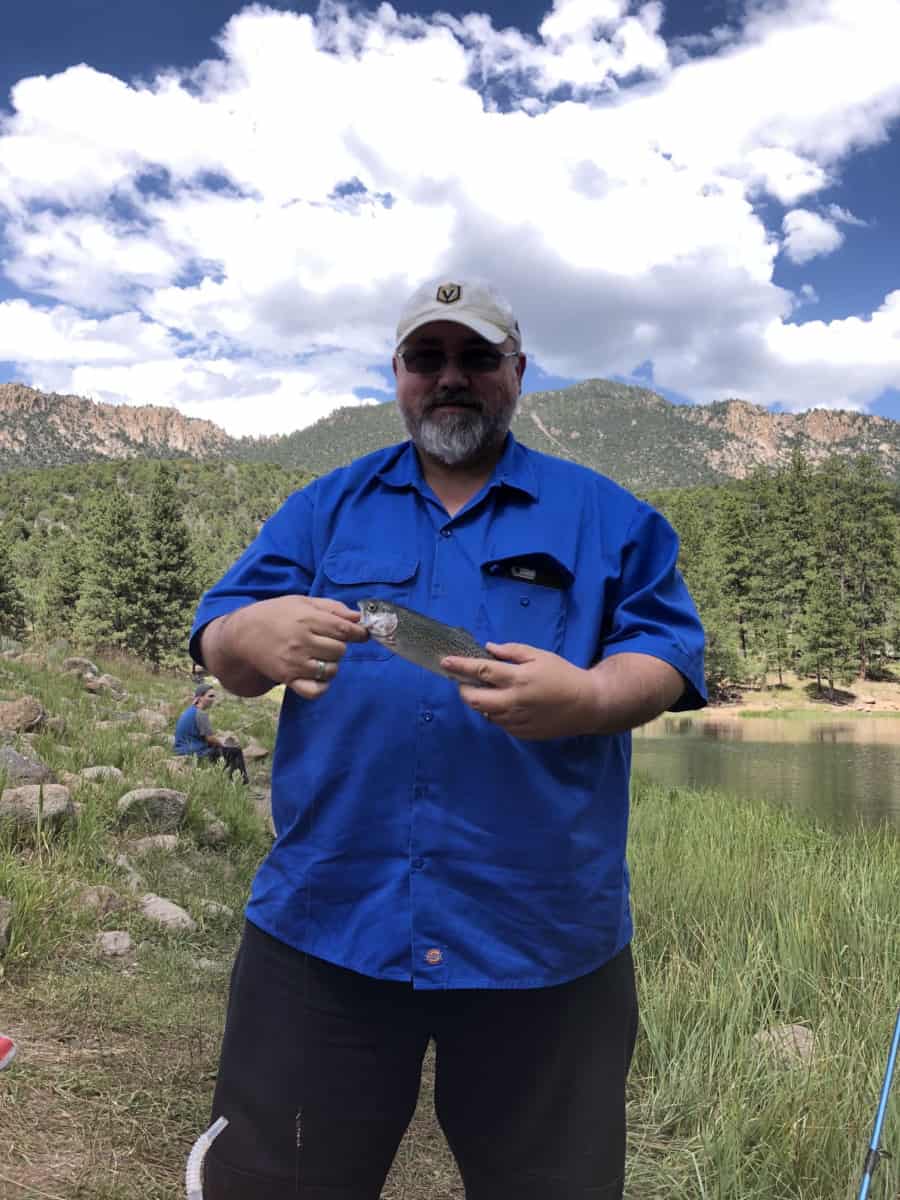
    Darren Enns (author) At Pine Valley Utah catching Rainbow Trout

    There are a wide array of reasons why you can see them jumping (or swimming) but non interested in your presentation, not wanting to bite on your enticing lure/bait. We are going to review some of the reasons, thoughts, and ideas that anglers have reported experiencing.

    Reasons why fish are jumping but not biting…

    • The area is overfished
    • Using the wrong lure
    • Using the wrong color lure
    • Using the wrong sized lure
    • Fish can smell human scent
    • Retrieve speed too slow/fast
    • try fishing shallower/deeper

    You may like this article also- Fish That Are Stalking Your Lure But Not Biting.

    If you are in a tournament, there may be too many fishermen too close together.

    It may be the fact that you just can not figure out what lure/bait the fish are attracted to that day. 

    It could just be that you see them jumping and others catching like crazy, and it just isn’t your day. 

    Professional or not, you are not going to have a successful trip or tournament every time you get out on the water. Some of it boils down to luck or casting just the right lure/bait at just the right moment.

    If you would like to find a way to make some money by fishing and writing about it or making videos about it like I am doing here, check out the guys that can teach you how to do it here.

    Another possibility, when fish are jumping but not biting, is because you are second guessing yourself. You are spending more time changing baits and lures and location than actually fishing. 

    If you change your lure, you need to give that lure time to work ( or not work ). You can not change it every five minutes or expect an instant result on the first cast out. Just as with the bait, you have to give the location you are fishing a fair chance. You can not fish in one spot for 2 minutes to and then up and move to a new spot. Relax and take your time. Give your strategy time to work (or more than 10 minutes to prove it isn’t going to work) before you start changing things.

    Sometimes fishermen are almost too faithful to their lures. Most anglers feel if they have had good luck with a certain lure in the past, then they need to continue to use that lure every time they go out onto the water. This one is my Favorite on AmazonBut, if you see fish jumping but not biting, then maybe you need to give the lure a break, bite the bullet and try something else that is in your tackle box. You may be surprised if you change the lure/bait and try something that you have not fished with in a long time, or even something you have never tried and you actually get a bite.  If you are interested in checking out the best fishing lures you can find them by clicking here

    If you are fishing from shore and the fish are 10-15 feet away and still not biting; it is likely because they detect a shadowy figure. They are not scared enough to swim away, but they are suspicious enough to not strike at your presentation. Especially if you are constantly changing your bait/lure, they get ‘skeptical’ of what is going on, and they begin to not even pay attention to what is being launched in their direction. Try longer casting or finding a place where shadows are not as visible in the clearer, closer water. Fish are smarter than we give them credit for, and when they sense that something isn’t quite right they are not going to engage.

    There are a multitude of other reasons why fish are not biting, whether you can physically see them swimming or jumping, or you are seeing other small signs of their presence.  My buddy Eric has a lot of good advice for freshwater fisherman

    My buddy Eric Rybak has a lot of good advice for freshwater anglers as well. You can check out his site at freshwaterfishingadvice.com


    Photo By @jdbackwoods89

    So we are going to discuss a couple of the reasons to tell whether or not your day of fishing is going to be good or bad, before you even hit the water.

    1. No matter what time of the day it is, when you arrive at the lake/river, assess what the day is showing. What is nature telling you about the day?? If you get out of your vehicle and the wind is calm and quiet, there is no animal movement or crickets chirping, no birds flying anywhere above the lake, and no water movement (the water looks like a sheet of glass) then you can almost bet it is going to be a slow, quiet day. The indication of all the quietness, means that nature is taking a break or being ‘lazy’ and that is a good sign that the fish are docile and not really active at that particular time. 

    So, just the opposite actions of nature, would mean the opposite in the fish biting world. If you arrive at the lake and you can hear crickets chirping, see even the smallest water movement, feel a slight breeze and maybe even see the fish jumping then you can be confident that it is going to be a good fish biting trip. 

    The biggest indication whether it will be good or bad is the birds. If birds are flying overhead then they see fish or bait fish being active and they are hoping to dive in for a snack. If there are no birds flying overhead, then the fish may not be very active. You might have to work hard in order to trigger a reaction bite.

    There is also the chance that you can have calm waters with very little breeze or water movement and still have a great fishing day. If nature is telling you that things are ‘active’ in the area then using fast moving baits to locate the active fish will be your best bet. Spinner-baits and inline spinners are top choice. Once you have taken the time to really focus on what nature is telling you, you can plan your day/strategy on how you can snag the active, jumping, and biting fish.

    2. Another way to get a feel for whether or not it will be a good fishing day is to observe HOW you catch a fish. Focus on the following;

    – what time of day is it

    – where are you – deep water or shallow water

    – what bait are you using – color & size

    – how fast/slow was your retrieval

    – how did the fish strike

    If the fish barely has the hook snagged in its lip, then that is an indication that they are just nibbling around here and there. Now, if the fish swallows your hook and bait or jumps up out of the water to snag what is on your hook then you can safely assume that it is feeding time. Just remember, a feeding frenzy doesn’t last very long, so you want to get that hook/lure back out into the water as soon as you can.

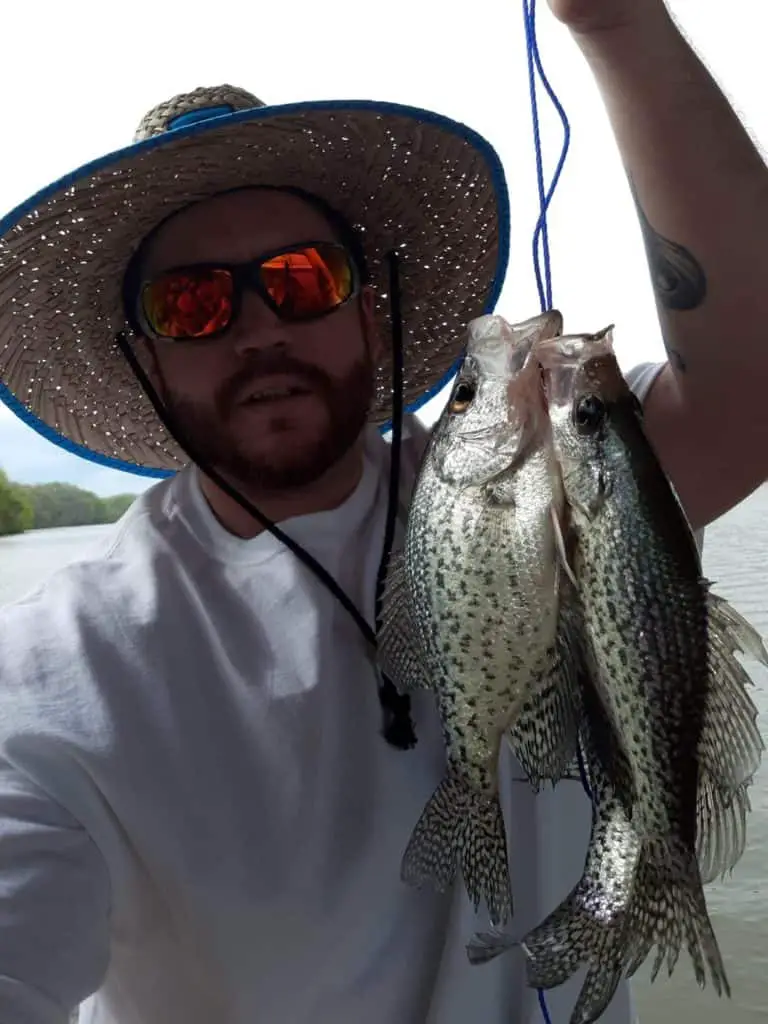
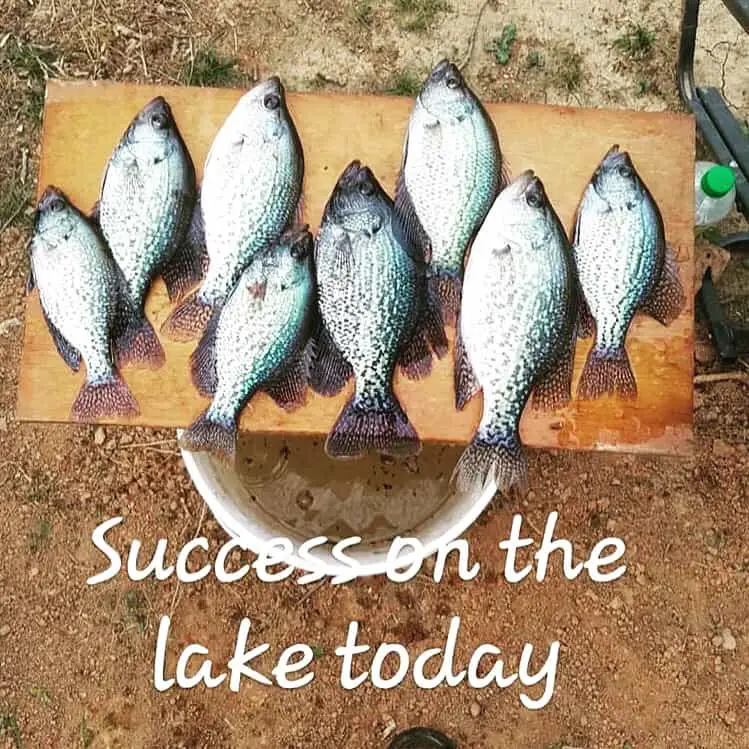
    Black Crappie Photo by @crappiekingaz

    So as you can see, there are a few reasons why the fish may be jumping but not biting. Nothing is ever guaranteed, it is all speculations and what other anglers have experienced and how they have handled the situation of fish not biting. You can make your own speculations, keep track of your own experiences and share them with others. Fishing is never going to be predictable and so you just have to go out and have fun, whether you catch fish or not. Catching dinner is just a bonus!! So go out, relax, and have fun with your friends and family.

    what do you do when you notice the fish are following your lure right up to the boat/shore and then they turn and swim away? A lot of the same principles apply here as with what is mentioned earlier.

     The same principles apply as far as trying to determine whether it is going to be a good or bad fishing day, the moment you arrive at your destination. Here we are going to cover some other possibilities of why this happens and what you can do to remedy the situation.

    Before you go out on the water or find a cozy quiet place on the shoreline, evaluate the weather and what nature is telling you. Come up with a plan on how you want to approach fishing for the day. Stick to the plan, have fun, and be patient. As the day progresses, nature will continue to give you hints about the fish and what you must do to catch them. Make sure that you have all the most popular lures for the type of fish you are seeking out. Color, size, trailers, and any extras that you can think of.

    If you can physically see the fish following your lure, you get excited. You think this is the one, it is going to strike, and then BOOM; it turns and swims away. Your heart sinks, and you cast again. Some anglers believe that the fish are telling you something. They are suggesting that something is not quite right. You are on the right path, doing the right things, but something is just a little bit ‘off’ and it is causing them to swim away instead of bite.

    When this happens, you will then need to begin the process of elimination and experimentation. They obviously like something about the lure you are using but dislike another aspect of it. The easiest thing that you can try is your retrieval speed. But if they are following your lure now, is that really the issue? Some would say that it is not, but others would say that you should still mix it up and find out for sure.

    Before you change your lure try spraying some fish oil or garlic on it. Keep in mind that it’s possible the fish are detecting your scent on the lure and you’ll need to mask it.

    Your next possibility is going to be changing the color of the lure. Not the style/type, just the color. Maybe they like the lure you are using and the size you are enticing them with, but the color is not quite what they are looking for. So, you go through your tackle box and retrieve your various colors. Make sure to give each new change time to work (or not work). As you are changing the lure colors, experiment with the speed of retrieval or the way you are jigging the lure.

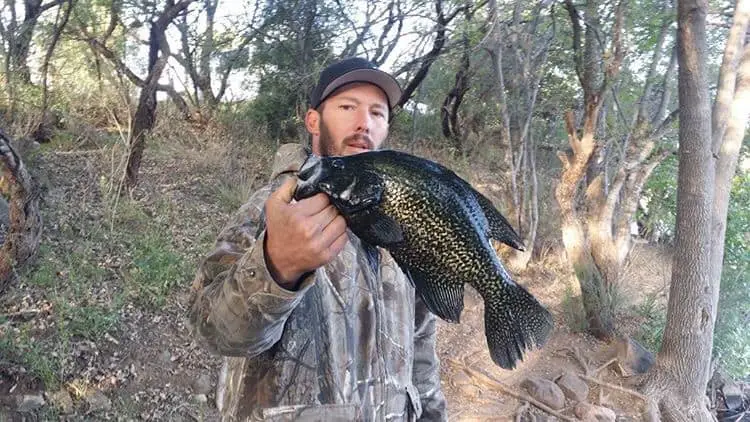
    Black Crappie Photo by @crappiekingaz

    If changing colors doesn’t seem to be working, then some anglers suggest that you go back to your original color but change the size of the lure. Go down a size and see if something smaller is what they are craving. See if your jigging method with a smaller lure entices the attack. It may get a little boring but try to be patient. They are following but not biting the lure for a reason. It is just going to take a little time to figure out what they want. You can also try moving to a shadier spot and trying out some topwater lures. But don’t get discouraged if you don’t figure it out. It just may not be the day to catch any fish. But only to be able to observe them.

    One other way that anglers have suggested, who have had this exact same issue with picky fish; if you are using a jig or a spinner bait, try adding a trailer. If none of these options are working for you it possibly may just not be your lucky day. The fish are just there to tease you and make your mouth water, thinking of the amazing ways that you can cook them up.

    ..-. .. … …. .. -. — — -. . -.– .-.-.- -.-. — — / -.. .- .-. .-. . -. . -. -. …

    As with our earlier paragraph, read nature. What is the atmosphere telling you? Is it calm, quiet, cool, cloudy, and are there birds present? If there are birds present, then you will need to decide if you want to launch your boat into the water or if you may have more luck from the shore. There are so many variables and speculations on why you are or are not having any luck catching fish. Especially when you can clearly see other anglers catching them right and left.

    Fishing Giveaway 2020
    Join my e-mail list and you are entered for my monsterbass box giveaways.

    If you are on vacation and fishing in a completely new area, take a break. Have lunch at a local café or go hang out at the local bait shop and see what the locals are saying. They will know the area extremely well and can tell you different things to try, the ‘lucky’ spots for certain species, the perfect time of day, bait/lure to use, and anything else that may help you out.

    If a certain species of fish is ‘teasing’ you by following your lure, and then shunning it maybe you need to try fishing for a different species all together. Completely change your lure/bait and see if you can entice a different type of fish to strike. It may just be that a species isn’t interested or hungry at that point and instead of stressing yourself out, by trying to figure out what they want, aim for something else. 

    Many bodies of water that hold fish, have many different species swimming around together. You may have to change location completely or you may just have to worry about casting further out. Completely change to top water and go find a nice quiet cove. Troll out deeper or closer to ledges or forage and see what you can entice. There are so many different reasons why fish do what they do and not even an expert has all the answers as to why you are not catching fish.

    When most fishermen go out, it is to relax and unwind from a busy week at work. So, try to focus on that. Enjoy your unwinding time (or your vacation) and not focus so much on why they are not biting. Enjoy the water and the company, if someone comes along, and enjoy nature. Catching fish for a meal or two is just a bonus.