Author: Darren Enns

  • Fishing The Outer Banks Of North Carolina

    Fishing The Outer Banks Of North Carolina

    Fishing the Outer Banks of North Carolina

        Well folks, from the way it’s looking, 2020 is turning out to be a little bit different than anyone thought. With a certain virus going around, everybody’s plans around the world have seemingly come to a screeching halt, and that includes fishing. Since we’ve all been inside for nearly two months, having to work from home and do the best we can to stay safe and stay sane isn’t always an easy task. But while everybody’s been at home, with a little bit more extra time on our hands, everyone turns to the reigning king of streaming platforms, the one that’s been with us through it all: Netflix. On April 15th, Netflix added an all-new original series, an overnight success that is currently ranked in the Top 10 series on the platform right now. The show follows a group of self-proclaimed “Pogues,” or the poorer, working-class population of the outer banks, and their clandestine attempt to recover a lost treasure and uncover the whereabouts of John B.’s lost-at-sea father. The show stars Chase Speck (Stranger Things, One of Us Is Lying) as John B. Routledge, a teenager living on his own in the absence of his mother, who left when he was young, his father, who vanished while searching for a historic shipwreck holding over $400 Million worth in British gold, and his Uncle T. While this series rides the wave of popularity into the limelight, all the outdoorsy folks sitting inside have most definitely been itching to get out on the water. They do their fair share of fishing on the show, but in all reality, what’s the fishing really like in the Outer Banks of North Carolina?
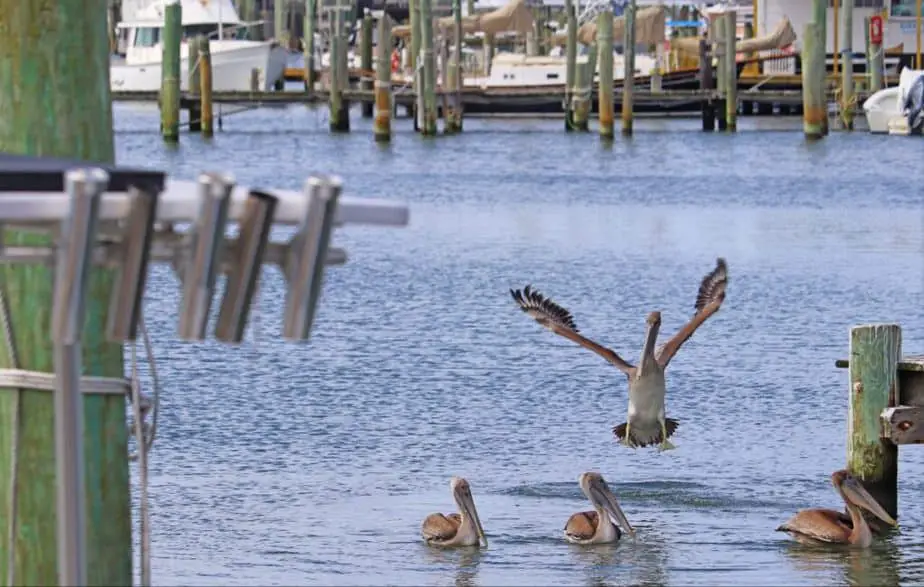
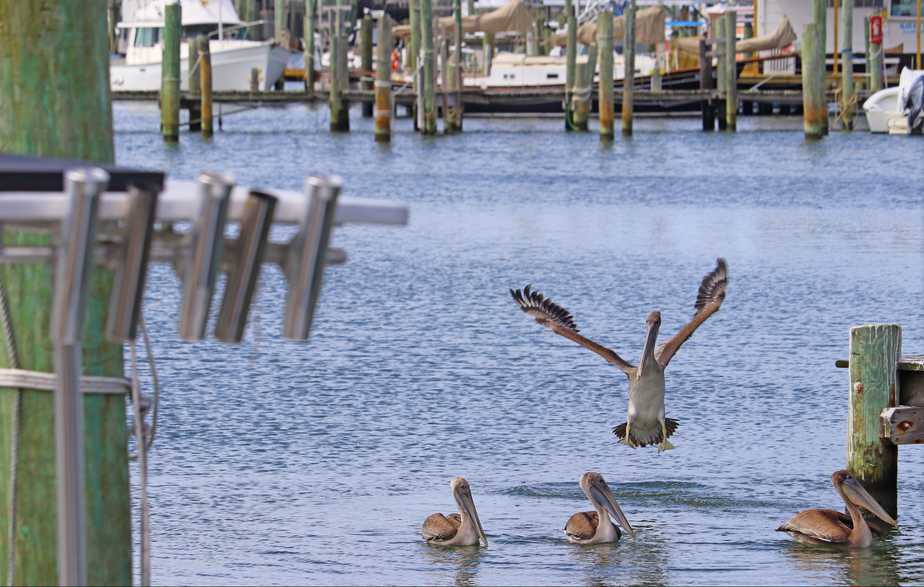
    Outer banks photo

        The OBX and SOBX (Outer Banks and South Outer Banks) are fishing location known to many for having some of the best saltwater fishing  in the United States. The area has a deep, rich history, dating back centuries to the original settlers of the land, the Native Americans. Natives of the Pamlico tribe lived on the Roanoke Island and the surrounding islands/peninsulas until the introduction of English settlers eventually introduced their people to foreign diseases such as smallpox, killing off a great deal of the native population. In 1587, the first Anglo-Saxon conceived of English parents was born in the New World on the OBX island of Roanoke, a little girl by the name of Virginia Dare. The Roanoke Colony, comprised of 115 English settlers, was the first unofficial English colony in the Americas, however the whereabouts of the entire colony remains a mystery to this day, as Governor of the colony John White returned to England for supplies. When he returned three years later, they all were gone, and the only clue as to the fate of the colonists was the word “Croatoan” carved into a tree nearby. Historical significance in the Outer Banks does not stop with the lost colony of Roanoke. On December 17th, 1903, Wilbur and Orville Wright made history by creating and successfully flying the first powered airplane flight on the beaches of a small town on the North Island: Kitty Hawk. With such a deep, historical connection to the founding and development of this country, the Outer Banks are a hotspot for tourists every year, and the number one industry in the OBX? Fishing.

        For a chain of barrier islands that protect the mainland from getting battered by the frigid Atlantic, the Banks are a pretty hot tourist destination. With miles of open-ocean beaches and countless waterways and marshes in the region, it’s plain to see why so many tourists visit this area every year, and it has a lot to do with fishing. Commercial fisheries opened on the Outer Banks at the tail-end of the 19th century, as it was previously inconvenient and inefficient to travel to and from the islands and back to the mainland. Eventually, bridges were built between the islands in order to connect the island chain, allowing fishermen to travel back and forth between islands for a multitude of fishing locations. Fisheries that produced Shad and Herring for the area were left by the wayside in the 1890s, around the time when technologies, developed during the Industrial Revolution, made fishing and running a large-scale commercial operation easier than ever. Fishing for both finfish and shellfish makes up a sizeable part of the economy in the Outer Banks, and all throughout costal cities spanning all the way down the coast. While commercial fishing was a success at the time, overfishing practices nearly put an end to the native fish populations for good. By the 1940s, commercial fishing on a large scale had left several species of fish and marine life fighting for their continued existence in the waters of the banks. Since then, Marine life has returned to a new form of normal, and the network of islands in the OBX have once again become a hotspot for some of the best Atlantic fishing on the East coast. Commercially, the Outer Banks rely on all of its industry to keep it afloat. With small, tightly-knit communities like this, all of their businesses rely on each other, and while the real-estate business and other smaller markets make up a percentage of the workforce in the NC Banks, the true cornerstone of the region is commercial fishing. While the fish-factories once ravished much of the sea life here in the Banks, the rejuvenation of wildlife populations has greenlighted the reliance of the locals on fishing. Freshly-caught North Carolina seafood is a delicacy, meaning that restaurants located in the vulnerable fishing economy must rely, to some degree, on what the catch is for the day. If there’s no fishing, there are no fish, meaning there are less visitors flocking to coastal restaurants boasting “fresh seafood” on every sign. Regardless of the rest of the islands’ economic state, seafood restaurants on the water need fresh sea food to stay in business. The majority of the land in this region is owned by the government, never to see the light of the private eye, however the rest of the population finds a way to make money and keep themselves in business when the tourists get back in their rental cars at the end of the summer and drive back home. While the North Carolina OBX has over 100 miles of coast, the small-town economy and even smaller-town feel makes this tourist trap an amazing place to get on some fish.

    Fishing the waters of the Outer Banks, you find yourself with a wide variety of species to hook up on. While the banks are Oceanic islands and saltwater channels that provide a haven for saltwater species and marine life, freshwater fishing in North Carolina can be a whole other can of worms. For North Carolinans looking to head to OBX for some saltwater fishing will need to purchase a saltwater fishing license, which are available on the North Carolina Department of Environmental Quality’s Division of Marine Fisheries website. In the “Outer Banks” show, John B. mentions that fishing is always good after a hurricane because the storm pushes the crabs out, and the Drum chase the crabs. With the North Carolina shores being a prime location for hurricanes to form, tropical storms and hurricanes are a more-likely-than-not occurrence for those living on the islands. There are several plentiful saltwater fish species that reside in the waters in the Outer Banks. 
    Outer banks fishing
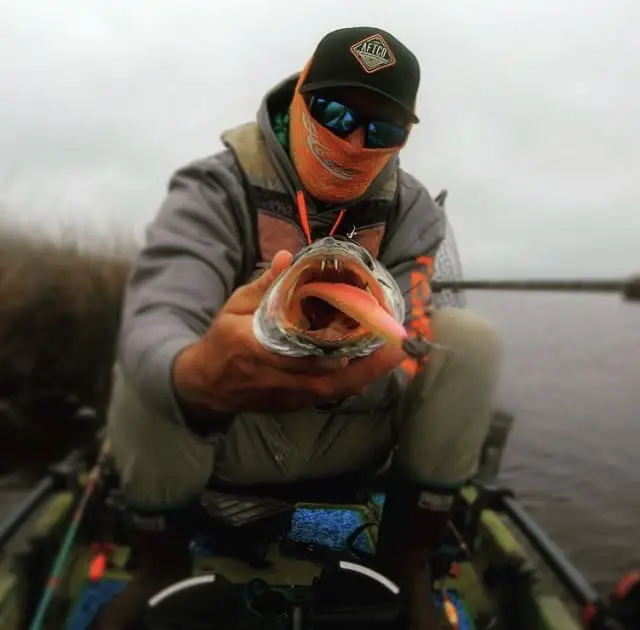
    Photo by Ryan Rhodes @rrhoyography on insta.

    Black/Red Drum:

    Black and Red Drum are some of the most plentiful species in the region, and as most drum populations follow the crab populations, anglers can expect to see and catch Drum just off shore or in coastal reefs. Known to be able to grow to over 5 feet, and weigh-in at well over 100lbs, these species are recognized by East-coast fishermen as staple species. These fish use special teeth to allow them to eat shellfish and other prey with protective shells. Drum respond well to bait, preferably live, as artificial lures have not been as successful.

    Sea Bass/Striped Bass:

    Sea bass and stripers are notorious for their powerful bite, and they too are plentiful in the Outer Banks. Sea bass only grow to about two feet in length, and while they aren’t as big as some of the other species for the region, it doesn’t make sense to categorize the sea bass as anything other than an anomaly. Black Sea Bass are actually able to change their sex based on any given need in a population. For example, in a population more predominantly-female, these fish can use their evolutionary abilities to transform and biologically change their body to function as that of a male fish, thus completely changing sex for the purpose of repopulation. Another Bass species to find is the Bank Sea Bass, which resides mostly in Coastal waters, preferably hard-bottom areas. These fish are not the same color as the black sea bass, taking on more of an olive-greenish-brown appearance. While these Bank Bass struggle to make it past the 12-inch mark, there’s another Bass species lurking in the depths, which can grow to incredible sizes in both fresh and saltwater fisheries. The other very popular bass to chase after in the Outer Banks is the famed Striped Bass, or “Striper.” Stripers in the OBX are notorious for growing to outlandish, enormous sizes. For example, the State record for the largest saltwater Striped Bass came out of the Oregon inlet in the Outer Banks, when Keith Angel reeling in a 64lb monster from the salty depths in 2005. However, there are some land-locked regions of North Carolina’s eastern banks, and in 2012 a teenager named Tyler Shields of Murphy, NC and his buddies pulled a 66.1lb Striped Bass into their boat on the Hiwassee Reservoir, surrounded by the Nanhala and Cherokee National Forests. To this day, Tyler holds the state record for the largest Striper caught, and to think, he caught it in a landlocked area of the Outer Banks. 
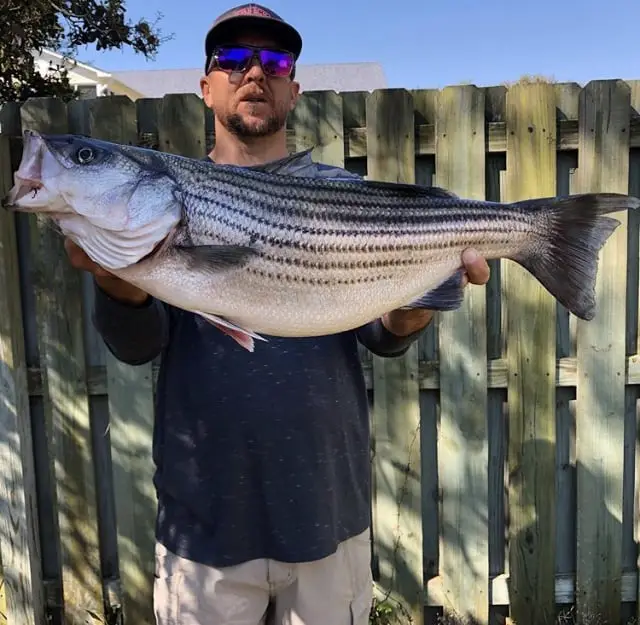

    Photo by Ryan Rhodes @rrhoyography on insta.

    Bluefish/Snapper:

    Bluefish, snapper, “blues.” All nicknames for one of the most popular saltwater fish to chase after, the Bluefish. Bluefish are native to the OBX, with populations of the species sticking around the coastal reef areas and just off-shore. Blues are known to be a delicious eating fish, and the locals in the Outer Banks know the Blue better than anybody as a good eating fish. Some will tell you that Bluefish have an overtly “fishy” taste, almost to a fault, however the way this fish is cooked and prepared has a lot of say in what tastes “fishy” and what doesn’t. Bluefish have extremely sharp teeth, and they’re likely to bite on anything you toss in, artificial or otherwise. In the same family as the “blue snapper,” we have the Red Snapper, Vermillion Snapper, Yellowtail Snapper, and the Silver Snapper as well. These fish, while different in appearance, all can be found and caught in the Outer Banks’ waters.

    Butterfish

    Peprilus triacanthus, otherwise known as the Atlantic butterfish, is also a species to keep your eyes open for when fishing on the North Carolina coast. For anglers looking to hook up on this schoolie, they should fish in brackish water, as the butterfish thrive in the mixed-salinity of the water. This panfish is often fried, boiled, or baked and is a common eating-fish both among commercial fishermen and residential fishermen alike. Young butterfish exist and survive along the sandy sea floor, seeking refuge from predators by hiding underneath schools of jellyfish. This is a real-world example of commensalism, wherein the butterfish are protected by the jellyfish, while the jellyfish remain unaffected by the butterfish. These little guys will bite on small fish chunks, squid, shrimp, and worms.

    Cobia:

    Cobia are large opportunistic predators that reside in the waters of the Banks as well, however these fish are often much larger than anticipated. The Cobia, reddish-brown in color, can grow up to 6 feet in length and weigh more than 100 lbs. These fish are so large, in fact, that they are sometimes mistaken by fishermen as sharks. They are a migrating fish species that requires warmer water in order to survive. During the spring and summer months, the warm water of the Outer Banks provides refuge for the huge fish species, but when the cold winter temperatures start to set in, the Cobia will head south, much like the migration patters of birds. Being opportunistic means that the Cobia will feed on just about anything when given the chance, however their diet is mostly made up of crustaceans and shellfish.

    Croaker:

    The Atlantic Croaker is a fish species referred to by many as “hardheads.” Croakers in the OBX grow to about 9-10 inches, and usually weigh less than a pound each. These little guys, relatives of the Drum family, are called “croakers” because of the peculiar “croak” noise they make when vibrating their internal swim bladder. Drum make a similar, deeper-pitched noise, however this noise is used by male fish as a mating call when attracting female Croaker. The species are delicious when cooked, producing a white flakey meat with rich flavor. Because of their small size, Croaker make for a good-sized portion for one, and its not uncommon to eat a Croaker by oneself.

    Flounder:

    There are three predominant flounder species in North Carolina’s Atlantic waters, each with a different name, region, and appearance. The first one we’ll take a look at is the Gulf Flounder, an oval-shaped fish that lays flat against the sandy ocean floor as a way to Camouflage itself from predators. The Gulf Flounder grows to around 30-35 inches, and has a unique pattern on its body to help mask its location. The Southern Flounder is another flounder species commonly fished in the area, with an average length of 15-18 inches. A third and final Flounder species is the Summer Flounder, with a different pattern on its upward-facing side of its body and measuring around 10-16 inches on average. Although there are three flounder species in the region, they can all be found throughout various areas of the OBX. Flounder prefer to bite on live bait, and shad, minnow, mullet and croaker should get the job done should you need them.

    Hickory Shad:

    The hickory shad is another common fish species found in North Carolina’s eastern waters. This species, a shad, can grow to a maximum of nearly two feet in length, although they typically are found to be about 12-13 inches on average. Although some choose not to eat shad, as they are known to be bony and harder to eat, the white flakey flesh of the hickory shad is often seen as a delicious delicacy for those willing to pick out a few pin bones here and there. Hickory shad, and most shad for that matter, will follow the “light and bright” rule when it comes to picking out your bait. Small jigs in brighter colors near the surface of the water will almost always get some action.

    Tuna:

    Tuna fishing is great in the late-fall to early-summer, when the water reaches around 55-65 degrees Fahrenheit. The OBX makes for an amazing place to venture out onto the water and try your luck at reeling in a big one. With several different species of Tuna plentiful in the area, getting out on the water and testing your fishing skill is never a waste of time. There are few places in the nation, let alone the world, where Tuna fishing is really good, and there’s no topping the warm waters and plentiful fish supply in the Outer Banks. There are several Tuna species that exist here in the region, namely Bigeye Tuna, Albacore Tuna, Skipjack Tuna, Atlantic and Spotted Bonito, Yellowfin Tuna, Blackfin Tuna, and last but certainly not the least: The Giant Atlantic Bluefin Tuna. It’s true, the OBX is one of, if not the best, Tuna fishing location in the US. Yellowfin, Bigeye, and Blackfin Tuna fishing ranges from November to late April/early May. While the early-season bite is rewarding, the true anglers getting out there looking to hook up on a prized Giant Bluefin, and the late-season bite is what they’re after. In March of 2018, a retired Army General named Scott Chambers reeled in the biggest fish of his life, a Giant Bluefin Tuna that weighed in at 877 lbs. The fish measured 113 inches and sets the state record for the largest Bluefin ever caught in North Carolina. The fish was landed on the Oregon inlet of the Outer Banks. For fishermen looking to get in on the action, these massive creatures require the best gear possible, double and triple checked for safely. Bluefin, amongst the other tuna species in the area, will bite on large popper-type lures, as well as plugs. For those bait fishermen out there, Bluefin feed on Bluefish and other smaller baitfish, many of which can be used as bait in order to hook up on a monster.

    Grouper:

    Grouper are another family of fish species that are a particularly sought-after species when fishing in North Carolina’s coastal waterways. There are several grouper species, including the Gag Grouper, the Red Grouper, the Black Grouper, the Scamp, the Calico Grouper or “Speckled Hind,” and finally the Yellowedge Grouper. Gag Grouper are one of the most abundant fish in the Oceans, with the species being found from North and South Carolina all the way to Brazil. These fish follow a similar biological sex-change process as the Black Bass. All grouper fry are born as females, however their evolved bodies have allowed a portion of their population to develop into males. Once they hit sexual maturity at the age of four, the body slowly begins to change into that of a male fish, typically reaching “male” at around eight years old. Because these fish can live for up to 30 years, the Grouper is a slow-developing species that takes its time to complete its biological transformation from female to male, and from adolescents into mature adult fish. For those fishermen looking to catch one of these bad boys, live-bait is the way to go. Whether it be squid, pinfish, etc, the species enjoys chasing after living bait, while artificial baits have been less successful.

    Baitfish:

    Baitfish play an important roll in any fishing community, and for good reason. Think about it, if there are no bait fish, there are no fish in general. Before going out to spend money on baitfish, do a little research on baitfish in your area. Who knows, you might just find a spot to catch your own bait. In “Outer Banks,” John B. describes himself and his rag-tag group of misfits looking for the hidden treasure as “Pogues,” a slang term deriving from the word “Pogies,” another name for Menhaden fish. These small, unattractive-looking fish swim together, and John B. understands this as he compares life on “the cut” to life in the fancier, more upscale areas of the OBX. Menhaden fish make for excellent bait for a number of off-shore and deep-sea species, and they can be caught and used by fishermen going after larger game fish. Other species of baitfish exist here as well, including shad, mullet, minnow, and other smaller species.

    Mackerel:

    There are two species of Mackerel in the Outer Banks, the Spanish Mackerel and the King Mackerel. Originally thought to be a Mackerel, the Wahoo is a close relative of the highly sought-after King Mackerel. These fish are known to be a delicacy among locals and tourists of the area, as the Outer Banks are heavily reliant on the saltwater fishing industry. Mackerel, with their thin, arrow-like bodies, are very fast swimmers, and can dart away in the blink of an eye, thus making landing one an even bigger accomplishment. Wahoo, despite not “technically” being Mackerel, are closely related and are a delicacy in Hawaii, where they are traditionally called “Ono.” While not in the Mackerel Family, the Dolphinfish, a.k.a. “Mahi-Mahi,” also reside in the Banks, and are also an off-shore gamefish any fisherman would go after.  Mackerel, King, Spanish or otherwise, respond the best to a less traditional lure: feathers. The movement of the feathers on the end of the line actually mimics the motion of baitfish, effectively enticing the targeted Mackerel to bite and not let go. This neat little trick is a tried-and-true method for reeling in some of the best saltwater filets you can hook up on.

    Billfish:

    Billfish are a category of fish most easily identified by their sharp nose-like bills and their dinosaur-esque fins erupting out of their backs. There are four primary fish that fall under this category in the Outer Banks: White Marlin, Blue Marlin, Sailfish, and Swordfish. These fish are all known to be delicious when prepared and cooked by the skilled seafood chefs in the heavily-visited tourist areas. Marlin prefer to stay in warmer water, and they will migrate to follow the warm currents near the surface. North Carolina is home to some of the best fishing spots in the world, and the Blue Marlin is what helped keep this region on the map. To this day, the World Record-Breaking Atlantic Blue Marlin, measuring 14-feet in length and weighing a scale-breaking half-ton, is on display at the Graveyard of the Atlantic museum on Hatteras Island in the Outer Banks. Between Blues and Whites, Marlin are a highly-sought-after species of fish. Another big-ticket species that locals and visitors alike try to get their hands on is the Swordfish. While this species is also highly-popular, they are often mistaken for Marlin or Sailfish. Sailfish are easy to spot, as their fans on their back are much larger and wider than the smaller fans of its relative species. All of the billfish in the region make for excellent meals, but you have to know how to get one on your line. According to locals, billfish will bite on both natural and artificial lures, and trolling seems to be the best bet when going miles out to sea to fish for them.

    Inshore:

    With a whole mess of amazing, exotic-looking fish to catch offshore in the outer banks, there’s often a whole lot that goes unnoticed. While the big, flashy charter boats are charging people money to go out to sea and catch fish, the rest of the island population, who work jobs in towns, may also be fishing off of the shore and providing themselves with food that way. In any case, there are amazing fishing spots all throughout the scattered islands that make fishing off the dock just as exciting and rewarding as fishing offshore. A number of coastal and inshore species are staple food items for those living in the OBX. In the Netflix show, John B. is pretty much a ward of the state. Fending for himself by fishing is how he keeps himself fed, and while there’s clearly a difference between TV and reality, he might not be that far off. One species in particular that tickles the fancy of a lot of locals looking to bring home a decent mess of fish is the Spotted Sea Trout. Sea Trout, much like their land-locked, freshwater counterparts, make for a delicious meal, with flakey-white meat that oozes flavor when cooked. Another staple fish species would be the Weakfish. This fish, also known as the Gray Trout, is a relative of the Spotted Sea Trout that always seems to be around. There are numerous other species in the Outer Banks on which locals can rely, including Pigfish, Pinfish, Kingfish, Sheepshead, and a number of other fish that can be caught in the surf, including perch and other small fish. Who says fishing in the Outer Banks requires a fishing charter?

        The Outer Banks of North Carolina is one of the most beautiful, naturally-occuring wonders of North America, with rich historical ties and some of the best fishing in the World. Not a lot of people know about this island chain. Hell, when you think of the world “island,” chances are good the first state that pops into your head isn’t North Carolina. Netflix has a way of taking a little-known corner of the world and making it a fast tourist destination. “Outer Banks” puts that island chain, the same little island chain that provided shelter to explorers, housed the first colonists, and saw the birth of the first English-born settler in America, on the map, and this time it’s much bigger. While the OBX has, for years, been a getaway for North Carolinians, this series has the potential to keep visitors coming for years in the future, desperate for a chance to toss in a line, kick back, and enjoy fishing in “The Graveyard of the Atlantic,” a graveyard teeming with life below the surface.
  • Best Line for Spinnerbaits

    Best Line for Spinnerbaits


    Spinnerbaits are a fast and fun way to fish. I love taking my rod and few spinnerbaits down to the dock and casting beside the weeds. When ripping the lure back quickly through the water, you can feel the extra drag on these lures that comes from the large skirt and double blades they have. The added drag works to create a lot of action in the water that draws quick strikes from the fish. The best line for spinnerbaits depends on how you use your spinnerbait lures.

    You can use a monofilament line with spinnerbaits if you are working the short game and casting close to the dock or boat. However, for those longer casts that fall beside the weeds, a drop off under the water, or other cover for the fish, the lower stretch and visibility of fluorocarbon will work better. Finally, if you are working the spinnerbait through heavy cover, you will want to use a braided line, the fast retrieval through the cover will help hide the high-vis braided line from the waiting fish and the added abrasion resistance will mean less broken lines.

    You can use spinnerbaits with a variety of line types depending on where you intend to cast them. In this primer on the best line for spinnerbaits, we will cover these different use cases and review some of the best brands that the top fishers prefer to use when casting spinnerbaits. At the end, I will give you a few more tips to get the most out of your spinnerbaits and review a few other tackle considerations. With this knowledge, you will soon see success when hitting the water with your spinnerbaits.

    Use Fluorocarbon Line for Open Water & Near Cover

    Unless you are retrieving the line through thick cover, fluorocarbon is generally going to be the best line to use with spinnerbaits. Fluoro strikes a great balance between stretch and visibility.

    Spinnerbaits are designed to create a lot of drag in the water as you reel them in quickly. The speedy retrieval combined with the pull and flash from the blades and skirt help to create the noise and commotion that attracts quick strikes from hungry fish.

    If your line has too much stretch, such as with a mono line, you aren’t going to get the same effect in the water, and the number of bites will decrease. Fluorocarbon line is also going to give you a lot of sensitivity on the line, which is paramount when using a single-hook lure setup

    These lures create a lot of action as you reel them in quickly through the water, which serves to excite the fish and entices them to strike as they think food is zipping past quickly.

    Because these lures are noisy and create a lot of visual cues in the water, they can work well in open water. However, where you will really see their potential realized is if you pull them quickly past places where fish like to lay in wait for baitfish snacks.

    Casting them beside a weed bed or near a drop off and retrieving it at a good pace is an effective way to draw these strikes.

    You can also cast them over a weed bed or some fallen logs and pull them in quickly over the top of the cover with a fluorocarbon line. Just remember that if you want to run the lure through a bed of milfoil, hydrilla, or other weed covers, you want to switch to a braided line for added abrasion resistance.

    Here are a few of my favorite fluorocarbon brands to use with spinnerbaits:

    Seaguar Invizx

    This line definitely earns its title; once it is in the water, it is virtually invisible.

    This full fluorocarbon line has low stretch, good knot strength, and an excellent ability to stay supple at lower temperatures. It is less prone to coiling and will sit nice and flat on the spool, which will lead to less backlashing.

    With a decent resistance to abrasion, this line will serve you well when casting beside and above the cover of weeds or fallen trees.

    Sunline Super FC Sniper

    Another pure fluorocarbon line, Super FC Sniper will help reduce coiling and twisting on your reel. This will give you an enjoyable baitcasting experience and help prevent backlash, which discourages most people when it comes to baitcasting.

    The very low stretch of this line gives you superb sensitivity allowing you to feel every bite on the line.

    The high abrasion resistance rating means you can cast near submerged logs or other thick cover with added confidence.

    Yo-Zuri Hybrid

    This line is not strictly a fluorocarbon line, as you might have guessed from the hybrid name. It is a mix between a nylon and fluoro line.

    However, this means it has a small diameter with very low visibility in the water. It also has minimal stretch, again giving you improved sensitivity.

    The nylon helps to prevent tangles on the line while the fluorocarbon reduces the stretch and adds abrasion resistance.

    The only downside to this line is that it has more memory than other recommended lines, which means that if you spool too much of this line on your reel and it doesn’t get used regularly, it can start coming off in a coil formation.

    As a bonus, this line is also quite inexpensive, with a 600-yard spool costing significantly less than some of the other big brands on the market.

    While many of these fluoro lines offer decent abrasion resistance, if you are consistently ripping that spinnerbait through thick weed beds and near large submerged structures, you will probably want to switch to a braided line.

    Use Braided Line in the Weeds

    Braided lines are much higher vis in the water. However, because you will generally use a braided line with a spinnerbait in heavy cover areas and because you will retrieve it quickly, the fish won’t usually be able to spot the line.

    The lack of stretch also means you have a very high degree of sensitivity. The result is that you will be able to feel any bite on the line, and even if you didn’t hook the fish with the first retrieval, you know where they are and can cast back to the same spot for another chance to reel ‘em in!

    While persistence could pay off when using a highly visible braided line in open, clear water, you will benefit the most when using it in conditions that help to hide the line from the fish. In general, this means through cover as the high abrasion resistance of the braided line is used to its fullest here. Murky waters can also help camouflage things.

    Here are a few recommended brands:

    Spiderwire Braided

    Spiderwire offers an excellent strength line with good sensitivity. They also have a few different colors to help reduce the visibility of the line. I recommend green as you will likely be pulling this line through weeds most of the time.

    Sufix 832 Braided Line Lo-Vis Green

    Sufix also makes a superb lo-vis line in green, which will help keep things hidden in the cover of weeds.

    They have partnered with the makers for GORE-TEX to craft this high-quality line from the GORE material, which gives supreme abrasion resistance in those densely covered areas. This material also helps to reduce the vibration on the line, which will increase your ability to feel bites when using spinnerbaits to create that fish-attracting turbulence in the water.

    Now that we have looked at which type of line to use let’s discuss poundage.

    Use a 17- to 25-Pound Line For Fluoro & 40- to 65-Pound Line for Braided

    I will usually use a heavier line with these high-drag lures as you are reeling them in quickly, sometimes through cover. The drag on the line, combined with the pull from the cover and the quick strikes these lures draw means you want some extra cushion room on the poundage.

    Fluorocarbon Poundage

    Plenty of people use a 15-pound test, but I have lost a few fish at this weight when the line snaps, which is why I will go for a 17-pound line.

    Depending on where you fish and the conditions, you may want to go up to 20; but, I find 17- to 18-pound to be the sweet spot. You may want to buy a few different weights above the 15-pound mark and experiment with them to see what brings in the fish.

    Braided Poundage

    For braided lines in heavy cover, go with a 40-pound test or higher, some go as high as 65-pound test depending on the conditions. The same advice applies here as for fluorocarbon, you are fishing in more substantial cover and want that added security you get from higher poundage. There is nothing worse than losing a fish to a broken line!

    Now that you know what line you need when you are using your spinnerbait, we can look at a few other tips to increase your chances of catching fish.

    Other Tips for Making the Most of Your Spinnerbaits

    Cast and retrieve is the go-to method when using a spinnerbait as this is where you get the best action from the flash and noise of their skirt and blades. Both factors of the spinnerbait can be modified to suit the conditions in which you are fishing. Here we will review the basics of a spinnerbait setup, including the type and color of the blade and the colors of the skirt.

    Three Blade Types & When to Use Them

    There are three common types of blades when it comes to spinnerbaits. Each of them differs in size, which alters the amount of drag, vibration, and flash.

    From largest to smallest, the three types of blades are:

    • ​Colorado
    • Indian
    • Willow-Leaf

    Colorado blades, being the largest of the bunch, create the most amount of drag, which results in more vibration and noise as you reel them through the water. Because of the added vibration and noise, they work well in low visibility situations like murky waters or at night.

    The added drag also means you can reel them in slower, making them great for colder waters when fish are moving slower.

    Indian blades fall in the middle size-wise; they do not create as much vibration as the Colorado blades nor as much flash as the willow-leaf. Their spinning speed also falls in the middle between the other two varieties of spinnerbaits.

    These factors make them great for hot summer days when you want a fast retrieval but need to avoid the flashier baits that can spook the bass.

    These are the least common of the three lure types and are generally used in more narrow circumstances.

    Willow-leaf blades, sometimes just called willow blades, are much narrower. The result is less drag creating less vibration and noise in the water. However, their thin blade also gives them a faster spin resulting in more flash. That means these spinners rely mostly on the visual cues. These lures are the most common of the three varieties.

    With a willow blade, you will have a quicker retrieval, which means you do not want to use them when the fish appear to be sluggish. Use them on warmer days when the fish are more active. Cast them in deeper waters or in and around weeds where the lure’s flash will draw quick strikes from the fish lying in wait to catch a quick baitfish snack.

    The Color of the Skirt and Blades

    Like most bass lures, spinnerbaits come in a variety of colors to suit the conditions in which you may be fishing. I find that more natural colors tend to work best, but if you are fishing in darker or murkier waters, you may want to opt for something more vibrant.

    When the water is really clear, it is best to keep the colors more subdued, go for something more natural as bright colors in clear waters can scare the fish away from striking the lure.

    The blades are doing most of the work in attracting those strikes, and if you go for vibrant, bright, artificial-looking colors, the fish are not going to be as willing to strike on those bright, clear, calm days.

    On darker days, or in stained waters, you can experiment with brighter colors which the fish will be able to see in these conditions.

    Keep these color recommendations in mind for both the blades and the skirt of the lure. Some blades also have patterns that can help increase visibility in dark or murky conditions.

    Best Weather for Spinnerbaits

    One of the best things about spinnerbaits is that they can generate bites in all weather conditions.

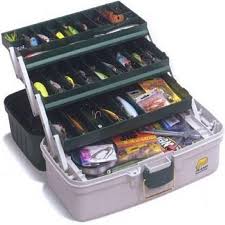
    As we have mentioned above, there is a lot of variation in blade size and color. You can fill your tackle box with lures for any occasion, from cold, murky waters to warm, clear waters.

    I have had the most success with these little beauties on low-light days with a bit of wind because the turbulence and flash help to draw the attention of the fish.

    However, by following the advice above regarding line type as well as blade type and color, you can be successful at any time of year in any conditions using a spinnerbait.

    Other Tackle Considerations

    We’ve covered the best types of lines and given you some tips for when and how to use your spinnerbait, but you want to make sure the rest of your tackle is providing the best chance for catching fish.

    I stick with a casting setup when using spinnerbaits and avoid spinning gear. For your rod, you are going to want something that has fast action with a medium to medium/heavy power rating. I use a 6’6″ rod, but you can go up to 7′ in length.

    Conclusion

    Spinnerbaits are a highly versatile lure, and with a bit of consideration, you can catch a lot of bass using these attractive baits combined with the right type of line.

    Because these lures rely on quick retrieval and use drag to create flash and noise in the water, you want a line with low stretch. Stick with fluorocarbon or braided line. The less stretch your line has, the more sensitivity you have. Added sensitivity results in more catches, even if you don’t hook them on the first run, cast back to where you felt that nibble, and you will be able to trigger another bite.

    Fluorocarbon line works well in open waters or when you are fishing above weed beds and other cover.

    Braided lines will give you added security when it comes to abrasion resistance, but they have increased visibility in the water. This type of line works best when zipping those lures through the weeds or other dense cover.

    Because you are fishing in and around cover, opt for a slightly heavier test line than you might otherwise. 15-pound is a popular option, but I recommend going with something closer to 17 or above as this will lead to less lost fish.

    Use more natural colors and tones for your lure on those bright, calm days as more vivid colors will turn away the fish in clear waters.

    In low light or darker waters, you can step up the vibrancy on the colors so that the fish can better spot and then strike the lure.

    Keeping these tips in mind when choosing your line, your lure, and setting up the rest of your tackle will lead to many successful fishing trips and a lot of fun, especially for the young fishers who love to cast and retrieve with speed.

  • Best Bait For King Salmon

    Best Bait For King Salmon

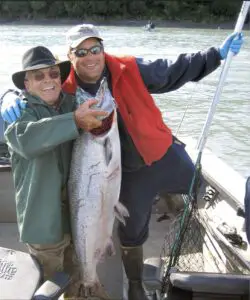
    King salmon is one of the most exciting species to fish for. Catching one will test your experience and skill. To give yourself the best chance of attracting the fish, you’ll need to make sure that you are using the right bait.

    But what’s the best bait for king salmon? Most fishermen have the most success when fishing with roe. However, you can also try using prawns. King salmon will also be attracted to herring. The best bait choice will depend on the conditions in your local area, so feel free to experiment with many bait options.

    While choosing the best bait is a great start, it doesn’t guarantee that you will land the fish. To do this, you’ll need to make sure that the line has been rigged correctly and you are fishing in the right area. Let’s take a look at everything you need to know to catch a king salmon.

    What’s The Best Bait For King Salmon?

    There are many types of bait that you might want to consider using. Roe is one of the most popular options, especially if you want to catch male fish. You might also want to consider using prawns or cut fish like herring.

    There are pros and cons to using each of these bait options. Let’s take a closer look at each of them, and how they are able to attract king salmon.

    Using Roe For King Salmon Bait

    Roe is one of the most common types of bait and is popular amongst salmon fishermen. Roe is another word for the eggs carried by female salmon.

    One of the benefits of using roe is that they contain the pheromones of the female fish. This can help attract the males to the area, as they need to breed. Also, their bright coloring makes it easy for the king salmon to detect them in the water.

    A potential downside is that it can be difficult to get them to stick on your hook. We’ll discuss a technique you can use to get rig the roe later.

    Using Prawns For King Salmon Bait

    Many species feed on prawns. Because of this, most fishermen prefer to use the prawn, to give them the best chance of catching a fish.

    However, this is often used in warmer climates, such as those fishing for King Salmon in Australia. Because of this, the prawn might not be appropriate for those living in colder climates, where this type of prey isn’t as common.

    Using Cut Fish To Attract King Salmon

    A third bait option for you to explore is the possibility of using cut fish. This is where you will cut off a strip of fish, placing it in the water. By doing this, you will allow the pheromones of the fish to spread through the water, attracting King Salmon.

    Often, herring is one of the most popular cut fish options. This is a fish species that most king salmon will be familiar with, as they are common prey. In some cases, you might be able to rig the whole herring, we’ll discuss how to rig live bait later.

    It’s easy for you to catch herring, so you’ll always be able to have a steady supply of bait. If you don’t want to catch your own, most bait stores will stock fresh herring.

    The only potential downside to this option is that the herring might attract the attention of other species. For example, they are popular amongst stingrays.

    How Can I Find The Best Bait?

    There are many different bait options for you to explore. To find the best one for you, experiment with several different types of baits to see which one gives you the best results.

    The key to being a good fisherman is being willing to try multiple approaches, to see which one produces the best results. What works well in one area might not get you any fish in another location.

    Often, different types of baits will work best in different types of environments. This is because the fish’s diets have changed. For example, as we mentioned, prawns are more common in warmer waters, but they might not work in colder environments.

    The more you experiment, the more familiar you will become with the fish in your local area. Because of this, it’s recommended that you try each of these bait options, to see which ones produce the best results for you.

    What Type Of Lure Should I Use For King Salmon?

    While using bait is a great option, some people prefer to use lures. When picking your lure, you might want to choose a lighter lure, which will move freely in the water. Using a spoon lure will also help you capture this swimming motion. You should choose something that will reflect the light.

    When you’re choosing a lure, it’s important to think about the behavior of the fish that you’re trying to catch. Because of this, you might want to choose a lighter lure, this will let you get something that will move freely through the water.

    This freedom of movement will make it resemble a real fish. Things like silicone fins can also help you simulate movement, helping give the illusion that the fish is swimming through the water.

    You might also want to use a spoon lure. The head of this type of lure is shaped like a spoon. So, as it’s dragged through the water, the lure moves up and down, making it look like the fish is swimming through the water.

    You might also want to get a lure that will be able to reflect the light. King salmon are used to a dark environment. Because of this, anything that flashes will attract their attention.

    Like choosing bait, it’s recommended that you experiment with the lures you use, trying out multiple different options. This will allow you to see what works and what doesn’t.

    Should I Use Bait Or A Lure When Fishing For King Salmon?

    There are two approaches to fishing, using bait, and using a lure. Both methods have pros and cons. Because of this, it will often come down to personal preference and the situation you are fishing in. In most cases, you’ll get better results by using bait when fishing for king salmon.

    Most fishermen will try both bait and lure fishing. Each approach will make use of different skills. Because of this, they will appeal to different types of fishermen.

    When fishing with lures, you’ll often need to take a more active approach. Often, you’ll need to cast out, then start reeling in again. This helps the lure achieve a life-like motion.

    However, when you are using bait, you will be able to leave them sitting in the water, with minimal effort. The scent and appearance of the bait will bring the fish to your line.

    Also, when deciding whether or not you want to use a lure or bait, you should think about the type of area that you will be fishing in. For example, if you’re chasing a more active fish, the movement of the lure can help attract them.

    In the case of the king salmon, you will often be better off with the bait. This is because they tend to dwell in dirtier waters. Because of this, they might not be able to spot the movement of the lure. Instead, they will need to rely on the scent of prey to help them find food.

    Ultimately, though, both bait and a lure will be able to deliver excellent results, as long as you are able to perfect your technique.

    Where To Get Bait For King Salmon?

    Once you know what type of bait you want to get, you will need to be able to get it properly. Often, you will have two options. You can either buy from a bait store or you can fish for the bait yourself. Both of these will have pros and cons.

    The best way to make sure that you land a fish is by getting the freshest possible bait. To help you do this, let’s take a closer look at the two options of purchasing bait, so you can find the right one for you.

    What To Look For When Purchasing From A Bait Store?

    For most people, purchasing from a bait store is the best option. When doing this, you need to make sure that you are trying to get the freshest possible bait. Also, you might want to check out the local fishmonger, to see what type of bait they offer.

    If you decide you want to purchase your bait, make sure to get it from a bait store. Some people might try to use bait that they purchased from the supermarket. In most cases, the bait that you buy from the supermarket won’t appeal to this fish, as it’s been designed specifically for human consumption. Often, if it’s been frozen, all the scent has gone, making it unappealing to king salmon.

    When using a bait store, try to find something that is still fresh, rather than bait that has been frozen for a long time. In most cases, the bait will have been frozen in a vacuum-sealed bag. This helps it stay fresh for a long time.

    You might also want to check out the local fishmonger’s markets. This will let you get the best whole bait, so you can cut it up yourself. It will also allow you to connect with other fishermen in the area, who might be able to share a few tips about the best fishing spots for you to check out.

    One of the biggest downsides to using a bait store is the price that they can charge a high price. This is especially true if they are the only options in the local area.

    How To Catch Bait Myself?

    The other option that you might want to consider is catching the bait yourself. There are a few ways of doing this, depending on the type of bait that you are targeting. For example, some fishermen prefer to use a net or bait trap, while others might prefer to use a lure or small bait.

    Catching the bait yourself is one of the best ways for you to make sure that it’s fresh and high-quality. Though it will take a little extra effort, this will pay dividends when you go fishing.

    There are many ways for you to try and catch baitfish. You should try multiple fishing methods, so you can decide which one is best for you. Let’s have a quick overview of some of the most common ways for you to get bait.

    First, you can try to use a net. Often, this will work best in shallow waters. With a friend, hold the net between you and start walking towards the shore. This should trap the smaller baitfish.

    Alternatively, you might want to use a fish trap. These come in many shapes and sizes. However, they often have an opening at one, which the fish can swim into. The other side of the trap ends in a point, so the fish will be unable to swim out again.

    Finally, you might want to try catching the baitfish, using small bait or lures. This can be most effective when targeting a specific species, like herring.

    If you’re planning on doing this, you will often want to try fishing at night. During these times, the baitfish will be moving into the deeper waters, where they will be able to hunt. You will also want to check out multiple fishing grounds, to see which ones the baitfish prefer.

    Before you use any baitfish, you should make sure to check your local government regulations. In some cases, there will be limits on the size or sex of the fish which you can use. Ignoring these regulations can often result in a fine.

    How To Rig Bait To Catch A King Salmon?

    Once you have your bait, you’ll need to rig it up properly. The way that you rig the bait will depend on the type of bait that you are fishing with. For example, if you’re using live bait, you might want to rig the fish through the nostrils or anal vent. In other cases, like when rigging roe, you might want to tie them into a bag, then attach the bag to the hook.

    The way that you rig the hook is one of the most important aspects of fishing, determining how likely you will be to land the fish. Let’s take a closer look at some of the best rigging methods for you to use.

    How To Rig Live Bait To Catch King Salmon?

    There are a few techniques that you can rig the fish, depending on where you are fishing. However, some are the most popular options are rigging through the nose and rigging through the anal vent.

    One of the biggest benefits of using live bait is that it creates movement in the water. It will also produce the strongest scent, giving you the best chance of hooking a king salmon. The rigging method you use will often depend on where you are fishing.

    If you are fishing from a boat, you might want to use the nose rigging method. As the name suggests, you put the hook through the nose of the live bait. If you’re using larger bait, you can run the bait through the lower jaw instead.

    This technique presents a few key benefits. For example, it won’t impact the fishes’ movements, allowing them to swim through the water. This will attract the attention of the king salmon, giving you a good chance of hooking one.

    Rigging through the nose also ensures that the movement of the bait won’t cause the hook to come loose when reeling in the fish.

    Another popular way of rigging live bait is the anal vent technique. The hook should go in the anal vent, near the tail of the fish, and come out in the mid-section. This will give you more control over the movement of the fish. Because of this, it’s perfect for fishing from a more enclosed space, such as near a bridge or around a location that has a lot of underwater obstacles like logs or rocks.

    Like the nose rig technique, this should allow the fish to continue swimming. The king salmon will notice this movement, taking the bait. Also, the anal vent technique that the hook will sink deeply into the king salmon when they bite, giving you the best chance of landing the fish.

    How To Rig Roe For King Salmon?

    Roe is widely considered to be one of the most effective baits when fishing for king salmon. First, rig up the floats that you intend to use. To rig the roe, you’ll need to place two loops over a golf ball-sized portion of eggs. Then, you will be able to place the hook through the thickest part of the loop.

    The first step is to add the floater to the line. This will prevent the line from sinking to the bottom of the river or lake. To add the float, tie a bobber stop onto the line. Then, add a bead and place the float onto the line. Then, tie on a small weight, this will help your line sit in the water.

    Leave a section of the line, then place on the swivel and the hook. This will allow the roe to float freely through the water, getting the attention of the king salmon.

    To rig the roe get a golf ball-sized piece of roe, and mold it into a ball. You’ll now be able to cut off some fishing line and loop it around the roe ball. After each loop around the roe, tighten it up.

    You should loop the line over the roe at least two times, placing the loop in a different place for the second time. When you do this, the roe ball should be securely at the base of the fishing line. You can now place the hook through the thickest part of the roe ball.

    Where To Fish For A King Salmon?

    Once you’ve got the bait and rigged up the hooks, you’ll be ready to start fishing for king salmon. King salmon prefer darker, dirtier waters where they can hide more easily. In most cases, they will be in the deepest part of the river. You will usually have the best chances of catching one when the tide changes.

    To catch a king salmon, you will need to make sure that you are fishing in the right area. In most cases, this will mean using a boat to head out to the middle of the river.

    The king salmon prefers to stick to the deeper waters, so you’ll need to make sure that you are placing your baits close to the bottom of the river. You’ll also need to be prepared to fish when the tide is coming in or going out. These periods tend to bring the most activity, so the king salmon will be on the lookout for bait.

    In general, the range of the king salmon is from California to Alaska. However, recent activity, like building dams, has had an impact on the local populations, making them more difficult to catch. Like many fish, the king salmon migrate throughout the world. Because of this, you might be able to catch them in countries like Australia or Japan.

    It’s best to check your local guides to see whether or not you there is a king salmon population in your area.

    What Techniques Can I Use To Catch King Salmon?

    You can use bait or lures that will reflect the light. You should also think about the way the tide is moving, to determine the best place to cast your line. Finally, you can try using a red line, so it appears invisible.

    There are a few simple techniques that you can use to give yourself the best chance at landing a king salmon. It’s best to try variations of these techniques for yourself, to see which ones produce the best results for your area.

    As we mentioned, the king salmon prefers to stay in the darker part of the river. As a result, they will be more active on overcast or rainy days. You might want to add something that will reflect the light. This will help get their attention.

    Also, as the line sinks into the water, the colors will become harder for fish to detect. By using a red line, it will seem invisible to the king salmon, making them more likely to take the bait.

    Finally, you should cast with the current, allowing your bait to drift along the river. This will make your bait look like a real fish, so the king salmon is tempted to bite. It’s worth remembering that most salmon will want to face into the tide. By knowing which direction the tide is flowing, you will be able to make sure that they detect your bait.

    Can I Keep My King Salmon?

    Before you take your king salmon home, you need to check your local guidelines. Most places will have rules which state that a fish must be a certain size before they are removed from the waterway. If you don’t follow these rules, you might be facing a fine.

    To make sure that you don’t get into trouble with the local fishing authorities, you should read the rules before you head out on your trip. In most cases, there will be limits on the size of your catch. In others, you might only be allowed to take fish of a certain sex. You might also be limited in the number of fish that you can have.

    In some states, you might need to have a license before you can fish for king salmon. In most cases, if you don’t follow these rules, you will be facing a fine.

    Related Questions

    • How big are king salmon? The average king salmon will be between 24 to 36 inches. However, they have been known to get as large as 59 inches.
    • Can you sharpen a hook? If your hook is getting blunt, the chances that it will be able to stick in the fishes’ mouth decreases. Thankfully, you can sharpen a hook using a file.

    Final Thoughts

    There are many types of bait used to catch a king salmon. The most effective are roe, prawns, and cut bait like herring. If possible, you might want to consider using live bait, as this will attract the most attention from king salmon. You can also use lures, with a spoon at the front, to simulate the motion the fish makes when swimming through the water. Regardless of what type of bait you’re using, make sure to rig it up properly and try to fish around the tide changes.

  • Where You Should Fish In Oregon

    Where You Should Fish In Oregon

    When it comes to fishing, Oregon is a very underrated place. All you have to do is either ask the locals or any official from the Oregon Department of Fish and Wildlife. The state even has opportunities for year-round fishing, with options for catching trout, salmon, steelhead, and plenty of warm water as well. Moreover, it doesn’t matter whether you select a local pond or a premier destination, you really can’t go wrong with some of the fishing selections in this state. Of course, if you a true sportsman and don’t want to pick just any spot, here are some of the options that have the best reputations: 

    • Necancium River 
    • Deschutes River 
    • Diamond Lake 
    • John Day River 
    • Nestucca River 
    • McKenzie River
    • Multnomah River
    • Umpqua River
    • Williamson River

    photo by Andrew Bains

    Necancium River 

    The Necancium River is the first option on our list, and it is located near the town of Seaside on the lovely Oregon coast. The Necancium River has become well-known for its steady supply of the winter steelhead breed. 

    They are often available in the Thanksgiving months, as that is usually the time when the hatcheries first start gearing up. The stream starts to brim with this breed because the hatchery will get truly beefed-up with the battlers at this time. If you are able to catch a steelhead during this time, you should not only consider yourself lucky, but you also should ensure that your camera has a solid timestamp as well; the steelheads are usually not plentiful until around December to February. Usually, Christmas time and the first couple weeks of January are prime steelhead fishing season on the Necancium. 

    The supply of winter steelhead on the Necancium will usually number between 500 to 700, but there are some years where the population will even reach upwards of 1,000. Summer steelhead isn’t quite the best on this river, but every now and then an angler might land one; just don’t try to target them on purpose or you might be disappointed. 

    The Necancium is also a good river for trout fishing, especially of the Chinook variety. As a matter of fact, most seasons will see a harvest of at least a few hundred or more. These will usually be present in the waters from October or early November when the stream is flowing well. 

    Of course, the biggest problem with fishing for Chinook Salmon on the Necancium is that they do not have a solid spring Chinook run. However, most of the locals agree that there are some good spots along the river to fish for this breed. One of the most notable spots would be the Big Spruce Hole located at Klootchie Creek Park. As far as general salmon go, they have a solid trout stream when the season is in session. You can expect to catch a decent amount of salmon from late May until October. Not only that, but the native cutthroat trout can be found all year long! 

    Besides trout and salmon, the Necancium River also has many opportunities to catch ocean species such as perch and flounder. This fishing spot is easily accessible from Highway 26 and 101, and there are many public fishing spots available. However, do be aware that some of the better spots are on private property, so you will have to ask permission first before going into these areas. 

    Deschutes River 

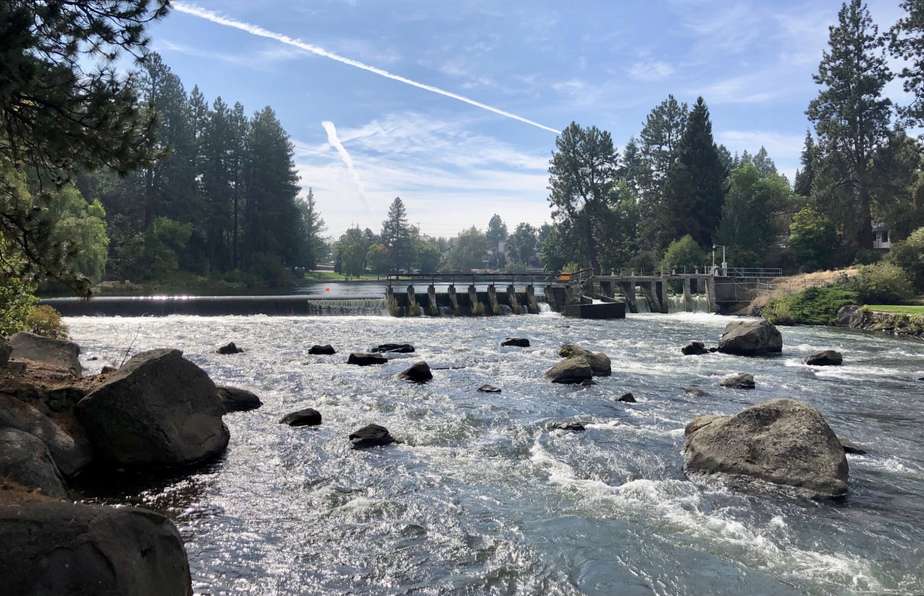
    The Deschutes River is truly one of the best-kept secrets for fly fishers who are focused on the Pacific Northwest. This is because it is over 250 of pure fishing goodness, with a wide variety of great fly fishing spots. You can truly spend your whole entire life just doing fishing on this one river. 

    First of all, because the Deschutes River is so long, it can be divided into at least three different sections. It is comprised of the Upper, Middle, and Lower portions of the river. The Upper Deschutes definitely has some solid draws, simply because this component of the river system winds through snow-capped peaks, unique forests of pine trees, and grassy meadows. This part of the river is home to many unique populations, including loads of rainbow trout, brook trout, and even a decent amount of mountain whitefish as well. Once you make it to the Crane Prairie Reservoir, you will encounter an extremely healthy amount of Brown Trout. However, do keep in mind that the season for Brown Trout is quite short. Consult the authorities for more information. 

    Of course, that is just the first part of the Deschutes River. The middle part of it is available through the city of Bend, you will see an immense amount of water available for fishing in this portion. You will also quickly notice that the Middle Deschutes is good for attracting species that you wouldn’t normally come across. Be aware that the best times to fish within the middle part of this river would be April, May, or June. 

    The lower part of this river is appealing as well. It features an immense amount of both Wild Trout and Steelhead. The Lower Deschutes is also rock-solid when it comes to trout because they feature a population of over 3500 trout for each mile, making the lower portion of this river one of the best trout fishing opportunities within the entire state of Oregon. The yearly return of the summer Steelhead makes this portion of the river not stand out within Oregon, but within the entire western portion of the United States as well. 

    Diamond Lake 

    Diamond Lake is one of those Oregon fishing spots that do well with one particular fish species, and that would be the Rainbow Trout. Diamond Lake has even established a reputation for being one of the crown jewels of Oregon’s family trout lakes. Diamond Lake also has a famous insect population that continues to regain steam even though they were recently severely grazed down by the chubs. 

    Diamond Lake actually makes its home in the North Umpqua River drainage area just east of the town of Roseburg. The game wardens continue to stock this lake with fingerling trout that will pack at least an immense inch or more during their fishing season. Diamond Lake is truly rainbow trout fishing at its finest. One of the main reasons why Rainbows are so popular is because they are a very hardy trout species. They often will survive a winter very well, and they often will grow to an immense size. Moreover, part of the reason why Roseburg’s Diamond Lake is so popular is that anglers will often be able to catch Rainbows of at least 12 pounds or more. 

    If you decide to give Diamond Lake a try, you should be aware that it is highly illegal to fish with live minnows at this lake. Part of the reason for that is because live minnows have a tendency to aid in the population explosion of chubs, which are a fish species that is invasive to the Rainbow trout population. They game and wildlife department has been attempting to remedy this situation by stocking a sterile “tiger trout” breed since 2016. During this same time span, they have also engaged in electro-fishing and netting in order to keep the Rainbow population healthy. 

    Other factors to consider when going to Diamond Lake would be the tiger trout and brown trout within these waters. Oregon’s wildlife department released these tiger trout and brown trout in the hopes that they would do an aggressive feeding on the invasive small fish such as golden shiner minnows and chubs. So far, the plan is working, but for a sportsman, there is obviously one dominant question: can you catch these tiger and brown trout? The answer to that question is yes, but state officials have mandated that you must release them if they are caught. 

    You also should be aware that Diamond Lake has become an increasingly popular area for Oregon ice fishing since state officials designated it as a year-round fishing spot in 2013. However, you should be careful if you elect to do ice fishing. Be sure that the ice is thick enough to support you before you venture out on it. Additionally, you also can take your motorboat out on the lake as well, but be aware that there is a 10 mile-per-hour speed limit on this lake. 

    John Day River 

    John Day is a river that is situated just east of the small town of Rufus, and it is on the Interstate 84 corridor between the larger communities of the Dalles and Arlington. If you are looking for Smallmouth Bass fishing within the state of Oregon, then this is one of the places that you should go. John Day is located on the sunny side of the state, and that means that the smallmouth bass has everything they need in order to flourish. 

    Indeed, if you ask any local outfitter, they will recommend John Day River for catching smallmouth. Some will even tell you that it can even be easy to catch this type of bass during the colder months between March and mid-May. One particular magazine reports that up to 85% of the larger smallmouth bass caught in this river is done during this period. 

    Indeed, even year-round there have been reports of individuals having the ability to catch bass as large as 20 inches, and there are even some sportspersons who were able to catch a hundred or more bass in a single day. Occasionally, one lucky individual will even be able to catch as many as 200. Thus, it goes without saying that this location is probably the best in the state if you are looking to catch smallmouth bass. 

    Of course, there are plenty of good areas where you can fish on this river. Some individuals recommend going to the mouth section, which is conveniently backed up by the Columbia dam to form the John Day Arm. However, there are others who will recommend the more free-flowing area of the river, which is roughly about a four-hour drive from Portland. It’s well worth it though; many have reported tremendous success in these areas further away from the City of Roses. Game officials work very hard to keep the John Day River as thoroughly stocked as possible. That is one of the main reasons why they continually encourage all fishing enthusiasts to observe a strict catch-and-release policy. However, that doesn’t necessarily mean that you cannot keep some of the bass that you catch in the John Day River. One of the best ways to do this would be through simply only keeping the smallmouth bass that are smaller than 10 pounds. Not to mention the fact that the smaller examples of bass usually taste better anyway. 

    Nestucca River 

    The Nestucca River is definitely an Oregon location that has a unique charm all its own. Located at the base of Tillamook County, this river flows into the Pacific Ocean in the town of Pacific City. You can easily reach this river from either Portland or Salem by taking either Highway 101 or Highway 22. Now on to the fishing… 

    If there is one thing that the Nestucca River is known for, it would be some great Steelhead fishing. They have runs from both the early winter and the late winter. They have a plentiful and wide assortment of steelhead throughout the winter season, unlike other rivers where you will have to carefully plan your trip for the challenge of catching a steelhead. 

    When you consider that even on a slow year you will see a steelhead population approaching up to 1,000, you can see why this river is so popular among steelhead fishermen. Moreover, some of the returning strains of steelhead will reach their peak in the latter part of December and the first half of January. 

    Of course, if salmon fishing is your thing, then you will also be in luck at the Nestucca River. Generally, most of the salmon is of the Chinook variety, and they are usually found at many of the downriver locations. Additionally, you will find that you have better chances for steelhead in September and October simply because most anglers have switched their attention to the Chinook instead. 

    Honorable Mentions

    Besides the above five, there are many other great fishing spots within the state of Oregon. The McKenzie River, the Multnomah River, the Umpqua River and the Williamson River are all great options for the sportsman to try. There is no doubt about it; you will enjoy your fishing excursions in Oregon! 

  • All About Magnet Fishing

    All About Magnet Fishing

    Chances are you’ve heard about regular fishing. You have probably really enjoyed trying to catch such species as Smallmouth Bass, Chinook Salmon, and Steelheads. That’s all well and good. However, have you ever heard of magnet fishing? If you think this is simply another version of fishing for your next meal or for that great photograph, then you would be wrong. No, magnet fishing is kind of like metal detecting, but it’s in the water instead of on land. It’s a very fascinating hobby, to say the least. Sound interesting? Have I piqued your interest? Are you considering taking up this neat hobby? Well, when it comes to magnet fishing, here are some things that you will need to keep in mind: 

    Magnet Fishing Defined

    Before you can take up magnet fishing, you will need to know just what exactly it is. Simply put, magnet fishing is using a rod or rope with a neodymium magnet to find different objects in a given body of water.

    If you have ever wondered what types of items might have settled in your favorite body of water, then chances are you would enjoy the pastime of magnet fishing. Indeed, there have been many unique experiences that many of these magnet fishing hobbyists have had. Magnet fishing is a great way to not only incorporate getting out in nature but also elements of history and geography as well. You truly might be surprised at some of the things that end up getting settled on the water floor. Indeed, the element of surprise is something that many magnet fishing hobbyists truly enjoy. You truly never know what you might find next! Add in the fact that this is an inexpensive hobby, and you truly have something that many individuals can truly enjoy.

    Getting Started With Magnet Fishing

    Does this hobby seem appealing to you? If so, you are probably wondering how to get started. First of all, you will need some items to act as the hook, line and sinker. Such things as a thread locker, neodymium magnet, a strong rope, head coverings, some sunscreen and sunglasses, a bucket and brush, knives, gloves, and an up-to-date first date are all considered essential items for any magnet fishing excursion.

    Of course, there are extras you should consider as well. Such things as hand sanitizer, microfiber towels, waterproof boots or shoes, grappling hooks, a portable chair, waders, heavy-duty trash bags, and mesh bags are all things that you could consider to make your experience more enjoyable.

    Magnet Fishing: the Importance of an Effective Magnet

    Of course, it goes without saying that the name of the game in magnet fishing is magnets. Of course, not just any magnet will do. Considering that some of the items you will catch have been in these watery depths for years-sometimes even decades-you will need a magnet of top-notch strength. Part of the reason why you need a magnet that is as strong as possible would be simply because of mother nature. Naturally, some of the items sitting at the bottom of this lake or river will have accumulated various debris such as algae, vegetation, soil, rust, and the like. However, a stronger magnet will not only compensate for these issues, but they will also help you catch much bigger finds as well.

    Getting the Best Magnet For Magnet Fishing

    Of course, there are some characteristics that are a must-have when you are considering a magnet for your new hobby. First of all, a good magnet fishing item will possess a metal that is crafted of neodymium, simply because this element is not only relatively compact, but it also is characterized by a tremendous pull force. This is because a neodymium magnet is a rare-earth magnet, meaning that it can often last for as long as a century or more as long as it has been properly stored. Because these are absolutely the best kinds of magnets money can buy, one needs to be very careful with them. First of all, keep them away from electronics. Secondly, never, I repeat, never, place two of these types of magnets together; they will often shatter from the brute force they generate. In that same regard, all neodymium magnets will have a pull force of at least 500 pounds, and that is the minimum needed in order to have a good magnet fishing experience.

    Of course, if you are really looking to be a heavy-hitter in the field of neodymium magnets, then you will want something higher than just (I say just! LOL) 500 pounds. For example, there is the option of the 800-pound magnet, and this will definitely allow you to lift practically anything out of the water. It is literally the Incredible Hulk of magnets. However, we can even do one better than that: the 1000 pound magnet will help you get even the most sunken water treasure buried in the depths. Consider these options for the magnet fishing time of your life!

    Fishing Magnets: Must Have a Solid Magnetic Field Strength

    Of course, you will want to make sure that the grade of your magnet is as strong as possible. Generally, you will want to have a magnet with a grade of at least N42. It’s also definitely important to realize that Neodymium magnets are graded according to the material they have been crafted with. Simply put, the higher the grade of the magnet, the stronger this magnet will be. This is why you want a number of at least “42” following the “N” designation on your magnet. However, if you can get a magnet with a higher ranking, go right on ahead.

    Either way, you should always remember that the highest rating for this important piece of magnet fishing equipment is N52. If you buy one with this rating, you are definitely going to ensure that you retrieve all kinds of things from the ocean, river, or lake floor. However, even with a device with a rating of just N42, it is sure to ensure hours of magnet fishing enjoyment.

    Be Sure to Get a Good Rope for Your Magnet Fishing

    Of course, getting a strong magnet is just the start. The next thing you will need to do would be to get the strongest rope possible for your magnetic fishing activities. For one thing, you will need a rope that is at least fifty feet in order to allow you to fish in both shallow water and some deep areas. Also, a rope this size will be good if you plan on standing close to the water. However, it does have it’s limitations.

    For instance, if you plan on fishing in an area that is very deep, this rope may not be long enough for you. Moreover, if you are fishing from a bridge or in another location that is far from the edge of the water, you probably should go with a rope that is one hundred feet in length at the very least. Generally, the best rope to use would be one that is comprised of a solid nylon paracord. You will want a rope that possesses solid durability, elasticity, strength, ability to keep a knot in place, and a high abrasion resistance as well. These attributes are important because you might encounter various conditions where the magnet might get snagged on something. Obviously, you would need a highly durable rope in order to get the magnet freed up again.

    It is a common misconception for beginners to believe that all paracords are created equal. Unfortunately, this just isn’t the case. For starters, most paracords will have varying degrees of strength simply contingent on how the cord was constructed. One example in question would be one particular nylon paracord, which is not only fifty feet in length but it also possesses a 4mm type 3 designation as well as seven core yarns that are braided just right to give it a minimum strength of over 550 pounds. When you pair this rope with the 500-pound magnet, you have a solid one-two punch for catching all kinds of items within the water.

    Guard Your Supplies Well

    Of course, like any other hobby, you will have your supplies to look after. In the case of magnet fishing, you should have suitable for each and every magnet fishing excursion you undertake. The minimum amount of gear you need would be a bucket for proper storage of your finds, a brush for proper disposal of your debris, and tough gloves for pulling the rope better and for handling any rusted or sharp metal you might encounter. You should also consider bring a small plastic container for storing any other metal bits you might need for later. This container would be great for storage of hooks, lures, nails, and your grappling hooks.

    Be Sure To Look After Yourself

    Of course, you should strongly consider wearing a hat, sunglasses, and some sunblock simply because of the fact that you will often be doing this hobby in areas with a lot of sunshine. Along these same lines, you should get some insect repellant, simply because being around the water often means you will be closer to mosquitoes. If you are doing your magnet fishing in swamps or wetlands this is especially important.

    Keep Your Knots in Mind As Well

    In order to be successful in this hobby, you will also need to have strong knots. Ideally, the best knot for magnet fishing would be one that is self-tightening because it will provide the most secure hold possible on the magnet. Of course, if you are also a fish angler, then there are probably quite a few knots you already know of that you could try. First-timers often have a lot of luck with the Palomar knots when they go magnet fishing. 

    Just Where Should I Go Magnet Fishing?

    Of course, you’re probably thinking all this information is well and good, but just where are some good spots to go magnet fishing? That’s a good question, and there are actually great places to engage in this hobby. First of all, you want to look for areas that have a lot of history to them. Places such as abandoned quarries, old wells, homesteads with nearby rivers, and old battlegrounds can often yield some very interesting finds. You never know what kind of historical items you might be able to drag up, and who knows? You might even pull up a museum piece addition!

    Of course, even if you’re not into history that much, there are still plenty of places where you can do your magnet fishing. Indeed, some people simply enjoy the thrill of finding something free, the thrill of the chase, if you will.

    For example, one of the best places to do magnet fishing would be in a pond, creek, or a dam. Many individuals have reported some interesting finds in these places for sure. However, just because a place hasn’t been frequented that much by other people doesn’t necessarily mean that it isn’t a good spot. You also could try your luck in countryside waterways or remote streams, simply because you might have a shot at finding something that has been undisturbed for a long time. Of course, any old well or drain would offer you a unique opportunity to engage in this “thrill of the chase.” Naturally, going to a parkside pond would be an example of an opportunity for some unique finds as well. 

    Magnet Fishing Will Often Reward Those Who are Persistent

    If you are persistent, then you will often have a lot of unique finds when you are doing your magnet fishing hobby. People have found all kinds of things from their magnet fishing hobby, including wedding rings, bullets, antiques, and many other things. Of course, even if you don’t find anything of value, you are still doing society at large an incredible favor simply by ridding the waterways of scrap metal pollution.

    In Conclusion

    As you can see, this can be a very rewarding hobby. Even if you don’t land anything of value, just the feeling of satisfaction when you hear that “clink” sound will make your endorphins rise. Of course, you need to make sure that you keep your safety in mind and never fish close to a large metal bridge. You also should make sure that you get permission to do your magnet fishing if your chosen waterway is on private property. All that aside, this is definitely a thrilling new hobby that has taken the United States by storm in the past decade!

  • When is the Best Time to Buy Fishing Gear?

    When is the Best Time to Buy Fishing Gear?

    Fishing can be a highly rewarding hobby, bringing hours of joy. But to take part you’ll often need to purchase some gear. Thankfully, you don’t need to spend a fortune to get what you need. 

    But when is the best time to buy fishing gear? You’ll often be able to get the best prices for the fishing gear during the early spring to last fall period. During this time, there won’t be as many people fishing, so the gear tends to be heavily discounted. 

    Did you know I own a fishing memes Facebook page?

    There are a few other things that you should know when you’re looking for fishing gear. For example, what equipment do you need? Let’s take a more in-depth look at this area, so you can get the best possible fishing equipment. 

    When Will You Get The Best Prices For Fishing Gear? 

    The best time is to wait until the early spring or late fall. During these times, the temperatures mean that not many people are wanting to go out fishing. As a result, many stores are offering big discounts for their equipment. 

    The exact right time to buy will often depend on the conditions in your local area. Ideally, you want to look for deals when no-one wants to go fishing. Because they won’t have as many customers, most stores will be trying to sell fishing equipment by reducing the prices significantly

    This will also allow you to get prepared for the start of the fishing season, with most activities taking place during the summer months. So, this can be a great time to check your equipment and replace any gear as necessary. These discounts might be the perfect opportunity to upgrade your equipment.

    The only thing that you’ll need to purchase on the day is the bait. Having fresh bait will produce the strongest scents, attract the most fish, and give you the best chance of getting a bite. 

    However, you might want to browse through the store during the summer months, when the sport is most popular. This will give you an idea of how much the fishing gear typically costs. By doing this, you’ll be able to recognize when you are getting a good deal. 

    Some fishing stores might reward programs. In some cases, they can offer their members discounts on their products. This will let you further reduce the price paid for your fishing gear. However, before you sign up for anything, you should make sure to look at the fine print, to make sure that there aren’t any hidden charges. 

    What Fishing Gear Do You Need?

    The gear requirements tend to vary, depending on the type of fishing that you want to pursue. However, as a general rule, you will need to have; a rod and reel, tackle box, hooks, and line. Let’s take a closer look at the type of equipment you’ll need to start fishing. 

    Fishing Rod And Reel

    A fishing rod is one of the most important tools that a fisherman has. There are hundreds of different rod and reel options on the market for you to explore. As a result, you should take your time to look through each one, to find the one that’s right for you. 

    In this area, it’s most important to think about the type of fishing that you’ll be doing. If you’re planning on fishing from shore, you’ll often be able to use a cheaper option. But if you plan to go fishing on the ocean, you might want to try and get a more heavy-duty option.  

    Tacklebox

    The tacklebox is a place to store your equipment, like hooks and line. While not an essential part of the gear, it’s still a great way to make sure everything is kept neat and organized, so you can find what you need. 

    If you want to save some money, you can convert an old container into a tackle box, so you don’t need to purchase one from the store. 

    However, if purchasing from the store, make sure to get something large enough to hold all the equipment you need. 

    Hooks 

    Hooks are one of the most important pieces of equipment used to catch the fish. There are plenty of hook options for you to explore. 

    In this area, you might want to think about the type of fishing that you intend to undertake. Generally, the bigger the fish you want, the larger the hook you’ll require. 

    If you can get a good discount on hooks, it’s worth picking up an extra box or two. As you fish, you’ll often damage some hooks, getting them twisted in the animal’s mouth. 

    Line

    The final key element is the fishing line. In some cases, this will be included with the reel, but in other cases, it will need to be purchased separately. 

    If you do need to purchase line, make sure that you are strong enough for the type of fishing you’ll be doing. In most cases, the line will be rated according to the amount of force required to break it.  You’ll also need to make sure that it will be compatible with the reel that you have chosen. 

    Specialized Equipment

    Finally, you might need to pick up some equipment to better suit the type of fishing that you are planning on doing. For example, if you’re planning on doing some deep-sea fishing, you might want to choose a net, to help you lift the fish onto the deck. 

    If you are just starting, it’s best to stick to the basics. This will give you some time to build your skills and learn more about the sport. 

    Where To Get Fishing Gear?

    There are generally two options for those looking for fishing gear. You can either shop in-store, or head online. There are pros and cons to both approaches. 

    First, you can choose to go to a fishing store. This approach has a few benefits. For example, you can physically touch and feel the equipment. This can give you a better idea ofwhether you will enjoy using it on the water. It will also give some insight into the way that it was made, letting you choose high-quality gear. 

    However, might have a more limited range when shopping in-store. This can make it hard for you to get specialized equipment. 

    Alternatively, you can shop online. This will give you a greater range of products. But it can be hard to sort through to find what you want. Also, you won’t be able to examine products before you purchase, instead of relying on product reviews. 

    Related Questions• How much will fishing equipment cost? This often depends on the type of gear you are looking at purchasing. But, in most cases, you’ll be able to purchaseall the fishing gear you need to get started for under $1,000. • Will I need to buy a fishing license? This can depend on the state and your age. Generally, if you’re planning to catch and release the fish, you won’t need to have a license. But, if you want to keep it, you’ll often need to pay for a license. In this area, it’s best to check the local regulations. 

    Final Thoughts

    Early spring to late fall is often the best time to purchase fishing equipment, where most retailers are offering big discounts. For beginners, you just need a few key pieces of gear which are; rods, reels, tackleboxes, hooks, and line. You can choose to get these either online or by heading into a fishing store.

  • Free Fishing Day – What Is It?

    Free Fishing Day – What Is It?

    Fishing is one of the most exciting pastimes and ways of life across the world, and here in the United States, we have true, never-wavering appreciation for the word “free.” Whether that means freedom of religion or free hot dogs on the 4th of July, Americans, for the most part, love having a good time while pinching their pennies in the process. For all lovers of the outdoors, there’s an annual tradition put on by the Fish and Wildlife Departments of each state that allows for a perfect day to enjoy the great outdoors without spending a dime to get in anywhere: free fishing day. Free fishing day is a tradition celebrated nationwide, wherein people from all around the state flock to their favorite fishing spots to enjoy a day of free fishing for the entire family. Taking the kids out for a day of fishing is an excellent way to spend time together, and maybe even take something home to show for it. Anglers across the nation wait in anticipation every year for these events, excited for the chance to get out of the house and enjoy some quality time in the outdoors with that special someone, all-the-while remaining frugal. Rules and regulations vary by state, as well as when Free Fishing Days are put on the calendar. These days it’s especially hard to get all the info you need in one place, so here’s a state-by-state breakdown of upcoming Free Fishing Days to be sure to look out for.   

    Alabama

    According to outdooralabama.com, Free Fishing Day will be on Saturday, June 13, 2020. This will coincide with National Fishing and Boating week, June 6-14th.

    Alaska

    As of the writing of this article, Alaska is the only state in the country that does not hold any Free Fishing Day traditions or events. In a state that’s economy relies heavily on utilizing its natural resources, I can’t say I don’t understand.

    Arizona

    Leading into the National Fishing and Boating week, Free Fishing Day for the state of Arizona falls on Saturday, June 6th, 2020. Arizona offers a wide variety of species to fish for throughout their state waterways. The Arizona Game and Fish Dept. allows for one free day of fishing a year, making this a special occasion that Arizonans can look forward to.

    Arkansas

    The Arkansas Game and Fish Commission held a week of Free Fishing Days in the state of Arkansas earlier this year, opening up a full nine days of free fishing. The state is also expected to host another free fishing event the second weekend in June, this year going from June 12th-14th. 

    California

    Whether it’s an 1849 gold rush or the modern day, it seems like there are always folks headed out to California. For being a state with a population of nearly 40 million, the natural wonders and rich history of iconic Americana make California a beautiful state for city-dwellers and outdoorsy people alike. The Golden State is lucky enough to get two Free Fishing Days per year, with dates scheduled for Saturday, July 4th and Saturday, Sept. 5th. Check wildlife.ca.gov for more information. 

    Colorado

    Free fishing days in the Centennial State are part of the statewide annual Free Fishing Weekend, scheduled for June 6-7th, 2020. Check the Colorado Parks and Wildlife website for more info on fishing locations, tackle, regulations, etc.

    Connecticut

    Free fishing day falls on May 9th, however there are also available dates where anglers can get a free 1-day fishing license. More information on fishing regulations and events can be found at portal.ct.gov

    Delaware

    The Delaware Division of Fish and Wildlife  free fishing days work in conjunction with National Fishing Week, with free fishing for anglers on June 6-7th, 2020. Delaware has a rich variety of fish species to fish from, and on the two free fishing days of the year, you can reap the rewards without spending a dime on a license. 

    Florida

    Blessed with abundant freshwater and saltwater fishing, the Sunshine state holds several “License-Free” fishing days throughout the year, both for freshwater and saltwater anglers. All standard regulations apply, check myfwc.com for more information.

    Georgia

    Free Fishing Day in Georgia is held in accordance with National Fishing and Hunting Day, which falls on September 26th, 2020. General information about fishing in the Peach State can be found at georgiawildlife.com.

    Hawaii

    On vacation in Hawaii and want to fish? Well, friend, you’re in luck. It’s free! There is no requirement for a residential or non-residential fishing license while fishing in Hawaii, as long as you don’t try to sell your catch. Information on free fishing 365-days-a-year can be found at the Hawaii Division of Aquatic Resources page.

    Idaho

    According to the Idaho Department of Fish and Game, free fishing day falls on the second Saturday of every June, making the upcoming June 13, 2020, a day for fun and fishing, no license required.

    Illinois

    Free fishing days in the Land of Lincoln are scheduled for June 19-22nd, 2020. Updates, regulations, fishing spots, and more can be found on ifishillinois.com

    Indiana

    The Indiana Department of Natural Resources has alloted for 4 different free fishing days to fall on various dates during the year. The first is scheduled for May 3rd, while two more days are scheduled in celebration of National Fishing Week as well, making June 6-7th also free fishing days. Finally, one last free day of the year is scheduled for National Fishing and Hunting day, September 26th, 2020. Locals can check In.gov for more information on fishing in Indiana.

    Iowa

    The state of Iowa regulates that Free Fishing Weekend falls on the first Friday, Saturday, and Sunday of June, in accordance with National Fishing week. The Iowa Department of Natural Resources welcomes families statewide to get outdoors and enjoy the fishing that the Hawkeye state has in store.

    Kansas

    According to ksoutdoors.com, the Kansas Department of Wildlife and Parks website, Free Fishing days are scheduled for June 6-7th, 2020 in accordance with National Fishing week. Other information, and updates can also be found here.

    Kentucky

    Kentucky also offers Free Fishing Days the first weekend of June, June 6-7th, due to National Fishing Week. There will be no need for a license to fish these dates. Check fw.ky.gov for more information on fishing, hunting, and outdoor recreation in the state of Kentucky.

    Louisiana

    Free fishing days for Louisiana are scheduled for June 13-14th, the second Saturday and Sunday of the Month. Louisiana residents are invited to spend the weekend fishing without the need for a license. This state has a large variety of species to go after, and the state Dept. of Wildlife and Fisheries hold the annual free weekend following the wrap-up of National Fishing and Boating week, June 6th-12th. 

    Maine

     Based on schedules created by the Maine Department of Inland Fisheries and Wildlife, the state gets two Free Fishing Weekends per year. The first of 2020 took place back in February, while the upcoming free fishing weekend is scheduled for May 30-31st, 2020. 

    Maryland

    Maryland has three Free Fishing Days, two on the first two Saturdays of June, June 6th and June 13th, as well as a Free Fishing Day to celebrate Independence Day on the 4th of July. The Maryland Department of Natural Resources sets these as opportunities for free fishing on an annual basis, allowing residents to make free fishing days a yearly tradition for the whole family to enjoy.

    Massachusetts

    The State of Massachusetts has both freshwater and saltwater Free Fishing Days allotted for dates in June. Dates for free fishing in freshwater falls on June 6-7th, adhering to the National Fishing Week festivities, while free fishing days for saltwater anglers take place on Father’s Day weekend, and dates for that weekend are June 20-21st, 2020. Visit www.mass.gov for fishing information and updates.

    Michigan

    Michigan has an upcoming Free Fishing Weekend planned for June 13th & 14th, 2020. The state holds two free weekends per year, and while the Michigan DNR already held the first free weekend earlier this year, residents of Michigan look forward to tossing in a line during two upcoming days of free fishing.

    Minnesota

    Minnesota, the Land of 10,000 lakes, is said to be home to some of the best fishing in North America. World famous for its Walleye, Northern Pike and Bass fishing, Minnesota’s free fishing days are not an opportunity to pass up. The Minnesota Dept. of Natural Resources has several free fishing dates lined up throughout the year, with more than one holiday or event being celebrated with free fishing dates. One such holiday coming up from June 5th through 7th, 2020 is “Take a Kid Fishing” day, which allows anglers to fish for free, as long as they bring a kid younger than 16 years old along with them. Minnesota regularly holds these events throughout the year, as fishing in the Land of 10,000 Lakes seems to be a source of a lot of revenue for the state. Even sooner than that, Take a Mom Fishing weekend is scheduled for May 9th & 10th, which is an entire weekend of free fishing in celebration of Mother’s day and the mothers that make it all possible. In January, Minnesota holds the first free fishing day of the year,  “Take a Kid Ice Fishing day.” This day gives families another opportunity to get out and fish, just this time it’s quite a bit colder, and you’re fishing through the ice. With those dates already lined up for January of 2021, Minnesota has free fishing opportunities planned out for the remainder of the year.

    Mississippi

    The Mississippi Department of Wildlife, Fisheries, and Parks has marked June 1st & 2nd on its calendar as Free Fishing days in celebration of National Fishing and Boating week. During these days, anglers and fishermen from around the state may take to the river for a day of Free fishing, including the waiving of required permits for those fishing in State parks. In addition to these dates, fishing without a license is also permitted on July 4th, however those fishing within state parks must still have a permit to do so on this date. Mississippi’s MDWFP welcomes all guests for days of free fishing and fun.

    Missouri

    Missouri’s Department of Conservation allots the first Saturday and Sunday after the first Monday of the month of June as the state’s official “Free Fishing Weekend, which this year will fall on June 6th and 7th. An important aspect of free fishing days are the opportunity for those new to fishing to give it a try before they spend the money for a fishing license. After all, why not give it a try? It’s free! Of course, statewide fishing rules and regulations are still in effect, but anglers can enjoy at least two free dates at the beginning of June as the fishing season starts to pick back up.

    Montana

    Montana: Known for its wide-open spaces and great big skies, one treasure you’ll never run out of in the Treasure State? Places to fish. With a wide variety of species and fishing locations, locals from Montana look forward to Father’s Day Weekend every year, a weekend dedicated to catching fish and spending some time with your old man. Montana’s Department of Fish, Wildlife, and Parks mark’s Saturday and Sunday, June 20 & 21st as the dates to add to the calendar for this year.

    Nebraska

    Fishing in the state of Nebraska can be harsh. The state regularly has harsh, hot summers and frigid, miles-below-freezing winters, which can sometimes make fishing a challenge. It takes a lot for a fish to grow up and become strong, and having endured such harsh weather all their lives, fish in Nebraska have got to be tough. For those locals or those planning on fishing in Nebraska, Free Fishing Day has been scheduled by the Nebraska Game and Parks Commission  for the Saturday before Memorial Day, as it is every year. This year’s date falls on May 23rd, giving anglers a chance to bring home the big one.

    Nevada

    Nevada is home to more than 60 native fish species, with the most notable species for the state being the famous Striped Bass out of Lake Mead, the largest man-made Lake in the United States. While people come from all over the country for the warm-water striper bite, making Saturday, June 13th, Nevada’s Free Fishing Day, a dream for those wanting to get in on the action without breaking the bank. According to the Nevada Department of Wildlife, free fishing day here in the desert always falls on the second Saturday in June, so whenever you’re planning that next fishing trip out to Lake Mead, maybe shoot for that date, you and your buddies just might fish for free!

    New Hampshire

    If you’re a New Hampshire resident looking for a day of free fishing, it looks like you’re out of luck until next winter. New Hampshire Fish and Game has already held their annual day of free fishing on January 18, 2020. Fishing the East coast is a challenge all its own, and in New Hampshire, where anglers can enjoy both freshwater and saltwater fishing, January seems to be the best month to allow the locals and tourists a chance to fish for free. 

    New Jersey

    New Jersey’s Dept. of Environmental Protection has been holding both Spring and Fall Free Fishing Days since 2015, and with this year’s dates scheduled to be on June 6th and October 17th, fishermen and women from all around the state can take the opportunity to go out and fish for free on these dates.

    New Mexico

    There are free fishing days scheduled for New Mexico each year, with the annual fishing event day typically taking place on June 6th of this year. New Mexico Game and Fish put on this little shindig every year as a way to let families get out on the water to spend time together in the outdoors. Each year, more and more people flock to their nearest fishing holes, and anglers in the great state of New Mexico are no different.

    New York

    When you think of New York, the first image that pops into your head is most likely New York City, with the towering buildings that reach for the sky, the Statue of Liberty, the Brooklyn Bridge, things like that. However, anybody knows that there is much more to New York than the big NYC. Upstate New Yorkers can appreciate a good day of fishing just like any of the rest of us, and it’s even better when it’s a day of free fishing for the whole family to appreciate, but what about 5 days a year of license-free fishing? New York’s Free Fishing days are Feb. 15th & 16th for President’s Day weekend, June 27th & 28th for Free Fishing Weekend, and one more on November 11th for Veterans Day. Check dec.nyc.gov for more information on fishing in New York.

    North Carolina

    The North Carolina Wildlife Resources Commission only allots for one Free Fishing day of the year, which is always scheduled for the 4th of July in celebration of US Independence. On this one day per year, which is typically already a free fishing day in some states, anybody can toss in a line and fish in both freshwater and saltwater spots completely free for the day, no license or trout stamp required.

    North Dakota

    For those anglers up there in North Dakota, you’ve got a free fishing weekend coming your way. The North Dakota Game and Fish board has made June 6th & 7th a Free Fishing Weekend in celebration of National Fishing and Boating week, as well as the last Free Fishing weekend of the year, December 26th & 27th.

    Ohio

    Free Fishing Days are coming up for the great state of Ohio, with the Ohio Dept. of Natural Resources releasing a new set of guidelines for fishing in 2020, along with announcing Free Fishing Days are upcoming, scheduled for June 20-21, 2020. From now on, the free fishing weekend will be held on the weekend including the third Sunday in June.

    Oklahoma

    Like most other states, the Wildlife Department of Oklahoma has planned their state’s free fishing days in adherence to National Fishing and Boating Week. June 6th & 7th are expected to be some of the biggest days of fishing nationwide, as they are every year, and fishing in Oklahoma will be no different.

    Oregon

    Oregon’s Department of Fish and Wildlife holds several free fishing weekends throughout the year, and as the summer months start to set in, another weekend fishing on the house is soon upon us. Although the state already enjoyed a free fishing weekend back on February 15th & 16th,  June 6th & 7th are set for Oregon residents to try their fishing luck, as well as another two weekends this year, those being August 15th & 16th and November 27th & 28th. This is the final fishing weekend of the year, wrapping up 2020’s free events.

    Pennsylvania

    Free fishing days are a pleasure whenever they roll around, and when you’re really itching to get out on the water and fish, these events are what some people are praying for. Pennsylvania’s Fish and Boat Commission schedule no-license needed, free fishing days on the Sunday before Memorial Day rolls around each year, in addition to another free day for the 4th of July. All rules, regulations, and restrictions will still be in effect, however anglers of all ages are welcome to spend these days fishing for free.

    Rhode Island

    Rhode Island has opened its spring trout season, and with that comes the excitement and anticipation of Free Fishing Days! The Rhode Island Department of Environmental Management has opened May 2nd & 3rd as free fishing days in the state. The trout bite is sweet, and the free bite is sweeter.

    South Carolina

    South Carolina is easily one of the most infamous spots in the United States for fishing. Ever heard of a “Carolina Rig” and wonder where that term came from? Well, there you go! South Carolina’s Free Fishing Days are held every year on the same days: Memorial Day, and the 4th of July. In-state residents and out-of-state visitors are welcomed to come and enjoy what fishing in SC has to offer.

    South Dakota

    South Dakota Department of Game, Fish, and Parks is holding their annual Free Fishing Weekend and State Parks Open House from Friday, May 15th through Sunday, May 17th, 2020. This will allow state residents the chance to visit their favorite fishing locations, including State Parks, and have a great time fishing and enjoying the beauty of their state. Anglers around the state are welcome to try their luck at fishing and enjoy the outdoors.

    Tennessee

    Following along with what many other states have done, Tennessee plans their annual Free Fishing Days in accordance with National Fishing and Boating week as well, however the state’s Wilderness Resources Agency offers fishermen the chance to fish all week long. Starting on June 6th and running through June 12th, 2020, Tennessee residents and visitors can spend some time at some of Tennessee’s best fishing spots and fish for free without having to purchase a license.

    Texas

    They say everything is bigger in Texas, let’s just hope the fish are too. For one prime day a year, Texans and visitors of the Lone Star can visit any of the state’s hundreds of fishing spots and fish for free. In accordance with National Fishing and Boating week, the Texas Parks and Wildlife service have made the call: June 6th, 2020 is the day to get out on the water and see what’s biting, especially on a day where your wallet isn’t.

    Utah

    Utah’s Department of Natural Resources also adheres to June 6th as the state’s official Free Fishing Day. Utah is a state famous for its excellent trout fishing, and as the spring trout season starts to pick up, the early days of June are the perfect time to get out on the water with your family and enjoy the natural beauty of the Earth. Who knows, if you play your cards right, you just might bring home a free dinner.

    Vermont

    The state of Vermont is known for its beautiful trees in the fall, world-famous Ben & Jerry’s Ice Cream, and Bernie Sanders, but what most don’t know is that Vermont has excellent Brook trout fishing. Vermont’s DFW, the state holds two annual Free Fishing Days, the first of which is held on the fourth Saturday of the month, which has already taken place this year. The next free day annually falls on the second Saturday in June, making June 13th the next free day of fishing.

    Virginia

    The Virginia Department of Game and Inland Fisheries is getting a head start on the action this year. As we all know by now, National Fishing and Boating Week takes place in June of every year, this year beginning on June 6th. Virginia’s Free Fishing days are scheduled for June 5th through 7th, giving Virginia residents and visitors of the state alike a head start.

    Washington

    There’s no place quite like the Pacific Northwest, and with a state like Washington, rich in natural beauty and resources, it’s no surprise that the locals get excited for free fishing days. Washington state’s Department of Fish and Wildlife sticks to scheduling free days around National Fishing and Boating week as well, making them one of many states to celebrate the week with free fishing opportunities.

    West Virginia

    Take me home, country roads, to the place, where I can fish for free! West Virginia’s Division of Natural Resources’ free weekend falls on the second Saturday and Sunday in June annually. This year’s events will take place on Saturday, June 13th and 14th, and will allow visitors and West Virginia residents to fish for free, making “almost heaven” a little bit closer to the real thing.

    Wisconsin

    Wisconsin has been America’s Dairyland for as long as we can remember, but one aspect of the cheese state that gives the other states a run for their money is its whopping number of lakes in the region. Sitting at around 15,000 naturally-occuring lakes, Wisconsin officially has more lakes than Minnesota, the “Land of 10,000 Lakes.” Anglers can enjoy those 15,000 lakes and reservoirs on Free Fishing weekend, this year being put on by the Wisconsin Division of Natural Resources on June 6th & 7th, honoring National Fishing and Boating week. Wisconsin also holds a Winter Free Fishing weekend, with dates for January 2021 already planned out. 

    Wyoming

    As the least-populated state in the nation, beating out Alaska, it would make sense for Wyoming to be way down at the bottom, huh? With a population of 578,759 people in the entire state, there’s not a whole lot going on up in Wyoming…that is, until it’s free fishing day. Free fishing day for Wyoming also adheres to National Fishing and Boating week, making June 6th the go-to fishing day for most of the United States. Wyoming Game and Fish invite anglers of all ages to enjoy and appreciate the natural beauty of the state and its wildlife.

    Free fishing is a tradition that we get to look forward to every year because of the way it makes us feel. Humans have been gathering and hunting for hundreds of thousands of years, and fishing in the modern day is a way for us to pay homage to our ancestors who came before us and showed us the way. Now we are living in a world where everything costs money, and whether or not we’re spending our time doing what we enjoy doing, time is far more valuable. If the “free” aspect of free fishing is what you enjoy the most, all power to you, but it’s spending our time doing what we enjoy and enjoying being with those that we’re closest to that we start to realize that “free” fishing day is free for a reason. Everybody deserves an opportunity to appreciate the beauty of the world around us, and when we continue fishing, we keep that idea and spirit alive. Now that is priceless.

  • Best Places To Fish In Wyoming

    Best Places To Fish In Wyoming

    Best places to fish in Wyoming

    Ask any seasoned angler the best places to fish, and one of the destinations will always be Wyoming. It doesn’t matter what type of fishing or which fish you want to catch, Wyoming will have it all. You see, Wyoming has a lot of great fishing options such as rivers, lakes, ice, streams, and even fly fishing.

    When in Wyoming, you will come across several fish, including panfish, bass, crappie, catfish, walleye, salmon, trout, and more. If you are ready to cast your line in Wyoming, here are some of the most amazing spots to begin with.

    Bighorn lake

    Located in Kane, the northwestern portion of Wyoming, the Bighorn lake is an excellent spot for trout, bass, crappie, walleye, panfish, and catfish. This area attracts lots of people every year, especially during the start of spring, when everyone is looking for bass.

    The native shovelnose sturgeon and Sauger species rely on this place for habitat and spawning. This makes it a good spot when you want to catch some of the native species that aren’t seen often. The Bighorn lake also acts as a spawning reservoir for Channel Catfish, Smallmouth Bass, and ling.

    Since there is limited natural migration in this area, it is annually stocked with walleye, which ensures that the fishery is maintained. The walleye used is larger after the strategy for walleye maintenance changed in 2009.

    When at Bighorn lake, you get to decide whether you want to fish from the shoreline or a boat. You can also ice fish, which gives you a lot of options when you love exploring the different fishing methods. You will come across groups of people from everywhere in the U.S ice fishing in this area.

    It is a good spot with beautiful scenery that you can always admire while fishing. Fishing sometimes is about bonding with family and friends. You get to camp and fish while interacting, which is important in today’s society where we hardly find the time. Take your time to enjoy the beautiful sunset and unwind with your family and friends.

    Glendo Reservoir

    This 12,000-acre lake is located in the state’s central-eastern portion at Glendo. It is an excellent fishing location for panfish, crappie, catfish, walleye, trout, and more. You get a lot of options when it comes to the type of fish you want to catch.

    The Glendo reservoir is famous for perch and big walleye fishing with anglers coming from all the different states to get a piece of the action. Now, you get more than 40 miles of shoreline, which makes this area ideal for fishing from the portage of a kayak or the shoreline. You get to pick which method of fishing suits you best.

    The facilities at Glendo reservoir include a restaurant, boat rental, RV spaces with hookups, boat launch, and grocery store. This makes Glendo reservoir a good place to fish for the weekend since you could always make camp.

    Ice fishing is popular in the Glendo reservoir since its relatively safe. What is most interesting about this location is its hospitality. You will find it welcoming and everyone is willing to help. Interact with the local anglers and let them teach you a few new things about fishing that you probably didn’t know about.

    Did you know that the Wyoming state-record crappie that weighed 2 lbs. 7 oz. was caught in the Glendo reservoir? If you want to break a record, then this is the place to be if you ask me. You know what they say, where there is one there is bound to be more.

    Grayrocks reservoir

    Located near Fort Laramie, this 1800-acre lake is home to many different types of fish. Anglers from every state come to catch walleye, bass, crappie, panfish, and catfish. You get to explore more than 20 miles of shoreline on your canoe, boat, or kayak.

    What makes Grayrocks reservoir an ideal place is the fact that it doesn’t get excessive pressure ensuring that you can fish all year round. This means that you don’t have to wait for a particular season to start fishing. You can go on any random time of the year when you feel like fishing. To some people, fishing is a form of therapy, and you need a location that you can fish all year round.

    At the Grayrocks reservoir, you can get to fish from your RV or tent along the south side shore. It is, therefore, more customer-friendly and you can enjoy camping life while fishing. If you haven’t fished from your tent or RV before, then you must visit Grayrocks reservoir

    It is located just 10 miles from the local towns of Fort Laramie, Gurnsey, and Wheatland. you can always get new fishing supplies from these points should you want to extend your fishing period. There are a lot of restaurants, RV parks, and lodging in this area should you need the services.

    Grayrocks reservoir is a great place for anglers who want to make a weekend experience with family and friends. It has beautiful scenery with lots of camping areas and RV spots to ensure that you can have a nice weekend.

    Guernsey Reservoir

    Located in Guernsey State Park, Guernsey Reservoir is a 2400-acre lake that is frequented by anglers every year-round. Some of the common fish species include crappie, panfish, catfish, walleye, and bass. You get 27 miles of shoreline, which is great when you want a big catch.

    The Guernsey Reservoir has three boat ramps and seven campgrounds, making it an ideal location for camping. If you are the kind of person that loves making a weekend out of your fishing, then the Guernsey Reservoir is a good place. You get ample space for camping, and the scenery is amazing.

    The problem with Guernsey Reservoir, however, is that it is severely drained twice per year. At these times, there is not a lot of fish, and you won’t make any great catches. Yes, you could still catch a yellow perch or channel catfish, but it would take you a little bit of time.

    This reservoir includes stone retaining walls, trails, water fountains, and dams that make it a great place to visit with family and friends. On the southeast end is the Guernsey Museum, which exhibits the local culture. Visit the museum and learn about the area’s interesting history.

    It is a good place when you want to unwind and enjoy a weekend away from the daily hustles of modern life. There are so many activities that you can engage in, and you will always have something to look forward to when in Guernsey Reservoir.

    Ocean lake

    This 6,000-acre lake is great for crappie, walleye, panfish, and trout fishing.

    You could always take part in the Family Fishing Derby if you want to have a good time. Lots of people come from different places to compete. If you want to use fishing to bond with your family, then this is a great opportunity.

    North Platte River

    The North Platte River offers several recreational activities such as canoeing, floating, kayaking, stand-up paddleboarding, and fishing. Fly fishing is huge at North Platte River, and you will come across several locals casting a line.

    The North Platte River basin covers almost a quarter of the entire Wyoming state. You, therefore, geta wide area to fish, which means that you can always get that big one. You get to fish bass, walleye, catfish, panfish, and crappie.

    The North Platte River covers a wide region, and you can always get a serene spot somewhere to cast your line. Many anglers take advantage of this fact and just relax while passing the time doing their favorite activity.

    Yellow stone National Park

    With a cool setting of steep canyons, sprawling meadows, and steaming geysers, Yellow Stone National Park is the place to be. This area has a high concentration of streams and public lakes, making it a great place to cast your line.

    The alkalinity level of Yellow Stone National Park is raised by the geothermal activity. This makes it an ideal place for trout, mountain Whitefish, brook, rainbow, and cutthroat. This fish species has been in this area since the 1950s, making it almost too easy to get that big catch.

    If you need to fish in the spring, then go the Firehole River to nymph fish. However, the prime months in Yellow Stone National Park for fish are July and August. The Lewis River will give you a great amount of large migrating fish around the month of October.

    While fishing in this area, keep a lookout for black bears, and bison. You can make a weekend of it when you go at a time when the wildlife is active. There are also great camping locations in the area that you can always check out.

    Jackson Hole

    The Jackson Hole, commonly referred to as the Snake River, is a fantastic location for fishing in Wyoming. There are a number of brown trout and cutthroat that make a good catch when you use the right technique.

    You could fly fish or boat fish in this location according to your preference. The best time to visit Jackson Hole is during spring and mid-summer. Just two-miles from this location is the National Elk Refuge, the first fly-fishing-only stream in Wyoming.

    The National Elk Refuge has clean, clear water that makes it great for beginners who are eager to learn. There is hardly any vegetation making fishing much easier. You can get the chance to introduce a family member to fishing when you visit this location.

    Other prime locations in the area include Pacific Creek, Buffalo River, and Granite Creek. You can always find a suitable location when you visit Jackson Hole. It is not advisable to go between May and July due to runoff from snowmelt.

    Pinedale

    Right at the foot of Wind River Mountains is Pinedale, a little ranching town that provides access to many fishing grounds, including New Fork and Green River. Both of the rivers offer great fishing spots for anglers everywhere.

    The Green River provides 8 miles of public access and includes pools, runs, pocket water, and riffles that make it a great place to start with. You get to catch several fish, including Bass, Catfish, walleye, and panfish.

    The New Fork is home to experienced anglers, and you could catch a mountain Whitefish, Colorado cutthroat, brook, rainbow, brown, golden, or lake trout. It is a region that attracts a lot of seasoned anglers, and you can always learn a thing or two from the experts.

    The fishing season usually starts around mid-June and goes all the way to the end of the year. There is always an abundance of fish because the area does not experience excessive pressure. You will always make a good catch when you use the right technique.

    The Wind River Range

    The Wind River Range has countless beautiful streams, high-elevation lakes, and wild rivers. It is located in Western Wyoming and ensures that you always have an amazing fishing experience. Some of the fish species in this location are rainbow, brook, trout, cutthroat, and the big golden trout.

    It offers beautiful scenery with 13,000-foot peaks and a lot of wildlife that make it the perfect camping location when fishing. You can always enjoy guided horseback trips or backpacking in this remote area. It’s a great place when you want to unwind from the day to day activities of modern life.

    Did you know that the 11-pound golden trout was caught at the Wind River Range? Yes, back in 1948, breaking the Wyoming recorded that hasn’t been broken until now. If you plan on breaking this record, then move to the west side of the range.

    The east side is not frequently fished, and you won’t get a lot of good areas since it’s difficult to access. You will need a tribal license, then hire a tribal guide to fish in those areas. However, the biggest golden is located on the east side making it worth the trouble.

    If you are planning on visiting this region, then the best time to do so is either in the fall or spring. However, understand that snow can render some portions of the Wind River Range inaccessible.

    Grand Teton National Park

    Around ten minutes-drive from the Jackson town, Grand Teton National Park offers the best settings for fishing. It has plenty of banks and bends that offer great fishing spots for cutthroat, catfish, and walleye. You can also get a breathtaking drift boat experience when you visit Grand Teton, National Park.

    The Jenny Lake, located within the park, offers access for anglers who want to get more beautiful scenery. While relaxing, you can fish for lake trout and cutthroat. The best time to visit this location is after the ice melts, which is by mid-May.

    Although the lake lacks shore access, you could always use a canoe or kayak. It will give you a new perspective on fishing if you are not used to fishing from a boat or canoe. you also get to experience the natural beauty of Grand Teton National Park while canoeing to the Leigh Lake.

    The best time to fish is from mid-May after the ice melts. The area is home to some of the most seasoned anglers in the states, and you can always learn a few new things. The locals are friendly, and you will feel at home.

    Conclusion

    Wyoming is undoubtedly one of the best states in the U.S with amazing fishing spots. Be sure that you pack everything you need for fishing, including a camping pack. Wherever you plan on going, you will find it hard to leave without making a weekend of it. The scenery is breathtaking, and there is always something new that you can learn.

    P.S. don’t forget to check me out on YouTube

  • Alabama Fishing License – How To Get One

    Alabama Fishing License – How To Get One

    Here’s How To Get Your Alabama Fishing License.

    Alabama is a state that is located deep in the heart of the Southeastern part of the United States, and until you have actually visited you don’t realize just how much it has to offer. You not only can experience good old fashioned country life, but you also can experience the history of urban areas such as Montgomery and Birmingham. Additionally, if you’re into fishing, Alabama also has a lot to offer. Here is some more information regarding how to engage your passion for fishing in this state: 

    Requirements For Applying For Your Fishing License Online 

    Nowadays, more and more individuals are applying for their fishing license online. Even older generations are enjoying the convenience of being able to do it without having to travel to an office. However, there is still some organization needed and there is some technological know-how required as well. First of all, you should contact the Alabama Department of Conservation & Natural Resources (link here). You should note that their website is called Outdoor Alabama. They have useful information regarding the specific fishing locations within the state and the various catch-and-release policies that they encourage. Of course, if you are going to apply for an Alabama fishing license, you should be aware of some basic information. Consider some of the following: 

    An Alabama fishing license is valid from September 1 until August 31 

    The license will always expire on August 31 unless otherwise noted on the documentation 

    Alabama fishing officials will determine your residency status based on your current driver’s license

    It is good to understand this basic information, but there is a lot more to understand. 

    Just How Does Alabama Determine Residency? 

    If you are a first-time applicant for an Alabama fishing license, this is a good question. The State of Alabama has a very simple process for determining residency, but there are some variables that come into play. First of all, you should be aware that just because you have an Alabama driver’s license that doesn’t necessarily mean you will be considered a resident. If you have any other license from another state at the same time as your Alabama license, for all intensive purposes you are considered a non-resident. The good news is that there is at least one exclusion that you can consider. If you are currently in the military, the state of Alabama will waive the residency requirement, provided that you go to your local license commissioner, probate officer, marine office, authorized Outdoor Recreation Office, Wildlife & Freshwater Fisheries Montgomery Office and you will need to show them your orders of assignment to the state of Alabama or documentation that you are a military resident of this state. 

    What About If I am a College Student? 

    The State of Alabama will offer those ages 17-23 some special advantages if they are classified as a “Non-Resident College Student.” That is, they are in the state of Alabama specifically for pursuing their higher education goals. Of course, they have to be PHYSICALLY PRESENT in the state for this to work. They cannot just be participating in an online program at an Alabama college from an out-of-state location. 

    Answer Your Application as Truthfully as Possible. 

    Of course, whatever your situation might be, you need to answer your fishing license application as truthfully as possible. It is illegal for you to knowingly provide false information on the Alabama fishing license application, and you should be aware that this could cause you problems with getting a license in other state as well simply because Alabama is a member of the Interstate Wildlife Violator Compact .

    What is the Interstate Wildlife Violator Compact? 

    If you are new to the sport of fishing, then you have probably never heard of the Interstate Wildlife Violator Compact. Simply put, this designation means that Alabama has the right to recognize any illegal activity in another state and could deny you a fishing license based upon that. Alabama takes the integrity of their state very seriously. However, now that we have got that out of the way, you are probably wondering about some of the types of fishing licenses out there, such as the lifetime fishing license. 

    Alabama Lifetime Fishing License

    By purchasing an Alabama Fishing License, you are being a tremendous asset to the state economy and their wildlife efforts. You are ensuring that the state is able to provide conservation education to many generations of Alabama residents and helping them make sure that all of their lakes, rivers, and streams remain as pristine as possible for many years to come. Moreover, there are many other advantages to having a lifetime Alabama fishing license. If you want to apply for an Alabama lifetime fishing license, you should definitely consider some of these unique advantages: 

    It will go with you. 

    Really, it’s pretty self-explanatory. A lifetime Alabama fishing license means exactly that. It’s a lifetime, and even if you need to move out of state, the Alabama fishing license will go with you and always be valid. If you own a lifetime license, about the only thing you are required to do in the state of Alabama would be to apply for a daily permit to fish at any of Alabama’s freshwater lakes and rivers. 

    You will get added benefits as well. 

    If you hold a lifetime Alabama fishing license, you will also have the added benefit of being automatically enrolled in a Wildlife Heritage License. This means that you will automatically be able to do the following: 

    Hunt any small game except for water fowl on Alabama’s Wildlife Management Areas

    Be able to shoot on any ADCNR public shooting range 

    Fish on any state-owned public fishing lake (you will still need a daily permit) 

    Be able to do freshwater fishing with hooks in all of Alabama’s 67 counties 

    Conclusion

    As you can see, there is an immense amount of benefits to getting a fishing license in Alabama. Simply put, this state loves outdoorsmen! You can go to Outdoor Alabama for more information on all of the requirements you will need to fulfill before taking advantage of the great natural spots in this state. 

    Be sure to check me out on YouTube.

  • Alabama Fishing Hot Spots – Where to fish in Alabama.

    Alabama Fishing Hot Spots – Where to fish in Alabama.

    In the Southeastern part of the United States, there is a highly underrated and special place. The state of Alabama is an area that has something for everyone. Alabama is a very neighborly place, and it’s also wonderful for the avid outdoorsman. Indeed, fishing spots in this area are almost boundless. All you have to do is obtain your Alabama fishing license, and then you will quickly learn just how many angling hotspots there truly are in this state. Consider some of the following options:

    Fishing Dock

    Pickwick Lake

    Pickwick Lake is a reservoir that is shared with part of Tennessee as it runs 50 miles across from the Pickwick Land Dam to the Shoals region in Alabama just below Wilson Dam. With this fishing spot reaching full pool, it has an acreage of at least 47,500. McFarland Park in Florence has become well-known for their fishing tournaments.

    Pickwick Reservoir has ranked high in many state designated categories, including being ranked #3 the reservoirs hosting at least five or more tournaments; among the top four for “Bass Weight Average”; and among the top five in areas such as “Pounds Per Angling Day” and “Hours For Bass Larger Than Five Pounds.” Alabama Anglers are always looking for that elusive “triple crown” of bass fishing. That is, they want to catch a combination of a largemouth bass, a smallmouth bass, and a spotted bass. They are able to do that at Pickwick Reservoir due in part to the fact that this fishing spot is literally world-renowned for its fabulous stock of smallmouth bass.

    Pickwick lake is divided into several sections, and the best part of the lake to fish at would be the Shoals section. It’s just on the opposite end of Seven Mile Island, and the smallmouth bass there are truly incredible! Indeed, the Smallmouth habitat is so good at this lake that several records have been set as noted by the International Game Fish Association.

    Even if bass fishing isn’t your thing, there are plenty of other fish species to choose from at Pickwick. Crappie, blue catfish and channel catfish are all in high supply at this lake. Sauger are also in high supply during the winter months because that’s their spawning season. You can easily access the Pickwick Reservoir on the south side by going through the Sheffield community; Muscle Shoals, Florence, and Waterloo well all provide you access on the north side.

    Pickwick Lake has always yielded good electrofishing samples throughout the years. For example, in 2012 the electrofishing test showed that there was the highest percentage of largemouth bass over 15 inches in at least a decade.

    Of course, if this is your first time fishing on Pickwick Lake there are certain guidelines you should follow.

    First of all, the best places to fish for the larger examples would be in the deeper parts of the reservoir. If you are using a deep hump strategy or an aquatic weed margin then chances are you will catch as much fish as you want all the way up to your limit. Traditional baits remain a good strategy but other Anglers have been known to use fish head spin rigs, spoons, and 5-inch spin rigs as bait with considerable success.

    Lake Eufaula

    Lake Eufaula is definitely a special place for anglers for sure. Located on the Chattahoochee River, this lake boasts over 45,000 acres with a broad spectrum of different fish species available for you to catch. Formed by the Walter F. George Dam and owned by the US Army Corps of Engineers, Eufaula Lake only requires you to have either a Georgia or Alabama fishing license if you are between the ages of 16 to 65.

    Lake Eufaula has an impressive population of many different species of fish. Their populations have a proven track record of remaining strong and consistent. They have gone through a few difficult years, but anglers continue to be able to catch largemouth bass that are top of the line. In a nutshell, for those that are able to land a largemouth, they can rest assured that they will find specimens that are large, fat, plump and healthy. Spotted bass continue to increase in population throughout the waters of Lake Eufaula. Many anglers looking for black crappie have been impressed as well. They have noticed that they continue to increase in population throughout the recent years.

    The northern part of Lake Eufaula is a bit more undeveloped than the rest of it, but it has the advantage of being just 10 miles away from Eufaula. Another way that the lake makes up for these shortcomings would be being a part of the Eufaula National Wildlife Refuge. Besides fishing, there is hiking, hunting, and observing wildlife at this wildlife refuge.

    Finally, at all parts of the lake, boat access is easily obtained. It doesn’t matter whether you are on the Alabama side with the Georgia side. Additionally, you can easily gauge the current bass population simply by looking at the latest bass tournament results.

    Country singer Duane Propes from the band Little Texas tells fishing stories

    Joe Wheeler State Park

    Joe Wheeler State park is a part of Wheeler Lake, and it encompasses a gorgeous 2,550 acre state park. This area boasts a waterfront lodge, convention facilities, a restaurant, an 18-hole golf course, a full service marina with several docking stations, camping opportunities, a group of community lodges, and several lakeside cabins. bank fishing, pier fishing, and boat fishing are all good options at Joe Wheeler State Park. If you don’t have your own boat, no problem. Joe Wheeler has several rental organizations located right there on the lake banks.

    If you’re a real heavy-duty fisherman, you would do well to have plenty of equipment. It can get fairly deep in certain areas, so you will need the right tools to measure the depths.

    Either way, if you’re an angler, you can rest assured that Joe Wheeler State Park is the place for you! Joe Wheeler is a state park and lake that was formed by the Tennessee River, so it definitely has a lot of fish opportunities. Specimens such as largemouth bass, smallmouth bass, hybrid striped bass, white bass, bream and crappie. The fact that Wheeler State Park is formed by the tremendous Tennessee River makes it very versatile. It truly has something for everyone, including professional anglers or folks who simply want to just fish directly from the bank.

    If catfish is more your thing, then there is no point in neglecting this life. You will still be in luck, because there are many testimonials of those who have landed catfish of even a hundred pounds or more. A good rule of thumb would be to fish with a rod of at least 7 inches with a minimum of a medium action on the rod.

    Another thing that some anglers on Wheeler Lake swear by would be fishing near one of the power lines. This is because it changes the terrain of the bottom of the lake, making it more amenable to catfish because the water will have a “bubbling” effect.

    The beauty of Wheeler Lake is that there are many professional guides out there that will do everything in their power to enhance your experience. They will also be able to tell you everything there is to know about that particular species of fish you are looking to land. For example, they can tell you about catfish, which will usually begin betting around May and will be ready for catching in June.

    Whether you go with a guide or not, you are sure to have a very enjoyable and pleasant fishing experience on Wheeler Lake!


    Lay Lake

    Lay lake is a reservoir that is 12000 glorious Acres devoted to your fishing pass time. This lake is not only popular with tournament fishing, but also with recreational boating as well. The lake offers at least seven public access areas with boat and bank access to a lake included. The Alabama Power Company first impounded this Lake in 1914. Additionally, this lake became very well known for their fishing prowess within that very first decade.

    Located 65 miles south of Birmingham, Lay Lake has a species of fish for everyone. Diverse examples such as largemouth bass, smallmouth bass, crappie, catfish, white bass, striped bass, and hybrid striped bass are all present in Lay Lake.

    If you decide to visit the lake in the summer months, you should head down to the lower end of the water in order to find the best specimens of largemouth bass. Moreover, you will find that using a wireless frog and swim jig is more than sufficient in order to land a largemouth that is especially large. You should always vary your fishing practices accordingly based on whatever type of fish you desire to catch. For example, you should consider wading in the water in depths of at least 18 to 25 feet of water if you want the best opportunity to catch some schooling shad bass instead of the fully grown types. Additionally, another great idea for catching bass would be to venture to Logan Marin Dam. You need to study the current carefully and determine if it is flowing. If this is the case, your best option for catching as much bass as possible would be to use a jig-and-pig. They are available at all bait shops and quite a few hardware stores, and they have developed a solid track record of success for anglers who want to catch a bass of at least five pounds or more. If the Logan Marin Dam has a slower water current, then that is the time where you should strongly consider using a topwater or crankbait lure. These should always be standard in every angler’s tackle box.


    Gulf State Park Pier

    Gulf State Park Pier is truly a sight to behold. Located on the Alabama coastline, this is a great place for you to try your luck at fishing off of the Alabama coastline. It is a wonderful spot for catching King Mackerel and Tarpon, among other things. If you are going to look for King Mackerel in this spot, you should have at least three different rods and reels. You will need such things as live baits (preferably pilchards), blue runners, mullets, and frozen cigar minnows. These are all lures that are perfectly acceptable for landing a King Mackerel.

    Of course, if you are only looking for King Mackerel, the only rod that you should be concerned with would be the 9-foot medium spinning rod with a 10-pound mono line or a 20-pound braided line. It is great for large lures, plugs, and live baits. This spinning rod also can be used to catch cobia and tuna, which are other well-known pelagic species. A pelagic fish is defined as a fish that can inhabit the upper layers of the main open sea. These fish may think they are safe, but they definitely aren’t when you have this type of equipment.

    Another type of rod you can use to fish off the Gulf State Pier would be the seven-foot rod for catching such things as pompano, span fish, whiting fish and other types of small game fish. Moreover, if saltwater fishing is your thing, you are definitely in luck at this location. Not only are cobias, king mackerel, and tarpon available, but also speckled trout and flounder.

    Beginners will find this a great place to do saltwater fishing simply because it is right off of a pier. They will enjoy the fact that you can kill two birds with one stone: you can relax with your friends and family and you can catch fish at the same time. Of course, even with an excellent fishing spot such as Gulf State Park Pier, there are some things to consider. Take a look at the following:

    Solid fishing rod

    There is no question that pier fishing is a huge challenge. However, if you have a fishing rod that has been tested for at least 12-50 pounds, then you are in solid shape for catching some heavy-duty fish!


    Lewis Smith Lake 

    Located about an hour north of Birmingham, if there is one thing that Lewis Smith Lake has going for it, it would be tranquility. Unlike some of these other listings, this Alabama fishing spot seems to have just the right balance. It is not so bland that it doesn’t have good fish, but at the same time it’s not so popular that you would have to share the lake with too many people. 

    One of the most unique things about Lewis Smith Lake is that it is surrounded by natural woodlands, limestone outcrops, and a rocky landscape all enmeshed in a picturesque environment. Lewis Smith Lake is also blessed with crystal clear waters that are naturally self-cleaning. However, this also can be a bit of a curse as well, simply because it can make it more of a challenge to catch finicky fish species such as bass or trout. However, it is well-worth the battle, and your personal satisfaction will definitely be improved if you are able to land one of these specimens. Just imagine the large smile on your face as you hold up your latest trophy in your hands!

    An added benefit to this lake would have to be the fact that there are many different species of fish for you to choose from. First of all, there are many different varieties of bass. Options such as largemouth bass, smallmouth bass, striped bass, spotted bass, and speckled trout abound throughout the waters of Lewis Smith. 

    Of course, your strategy will vary depending on what type of fish you are on the lookout for. For bass, you probably should have some lures that carry a minimum of an 8-pound test in your tackle box. You also should have lures that blend in with the surroundings since this water is going to be more transparent than other lakes. 

    Of course, there are times where you just might have a bad day on this lake. It is a challenging spot, especially for beginners. However, there is at least one backup plan that you can utilize if you are on the lookout for the bass and they aren’t biting. In that case, one of the things that you can do would be to head to the tailrace that is just down from the dam and try your luck with trout fishing. This runs all year-round, and it is based on the Sipsey fork side of the lake and fed by the Warrior River. Additionally, this trout fishery is home to many different species of trout. Whether you are fishing for bass or trout, it is definitely important to have the right bait. One of the things you should look for in this case would be redworms. There have many testimonials of fishermen in this area landing trout as high as 18 to 20 inches simply using this bait!

    Mobile-Tensaw Delta 

    The Mobile-Tensaw Delta is literally known by locals as a vast underwater jungle wilderness. This delta is home to numerous river channels, and they all converge to form into a cluster of hundreds of small islands. This area is known for great fishing, but do be careful. The natural habitat is full of not only bears, alligators, bull sharks, and bobcats, but venomous snakes as well. The Mobile-Tensaw Delta is also prone to about ten feet of flood waters in the fall.

    The Mobile-Tensaw Delta is a region that is appealing to many people because it possesses some truly unique characteristics. Designations such as the flooding make this somewhat primeval location have an earlier fishing season than other Alabama locations. Moreover, there are certain species of fish that are much easier to catch in this area than other Alabama fishing spots. Indeed, if you are a bream fishing enthusiast, you will be in luck here.

    Either way, don’t think for a minute that the Mobile-Tensaw Delta is all about just bream fishing. They also have species such as shellcrackers, blue gills, speckled trout, redfish and even flounder all have immense populations within this area. Indeed, if you are looking for some unique types of fish to catch, this is definitely the place to be! 

    Like other places, knowing the right bait to use is essential for the Mobile Delta, and of course it depends on what type of fish you are after. For redfish, you should consider going for live shrimp. However, be aware that they will go for plastic grubs or crankbaits. Sportsmen have been known to catch redfish of up to 55 pounds.

    Of course, if you have never been to the Mobile Delta before, there are a few things you should keep in mind. First of all, if you happen to encounter a smell similar to a ripe watermelon, that means that you have just come across some bluegill spawning grounds. Additionally, you should be aware that the Mobile Delta area can be a tad bit confusing. However, this can be easily overcome if you simply take a handy GPS unit with you.

    There is also a specific time when you should fish in the Mobile Delta. For example, most individuals recommend that you fish in the Mobile Delta in November and do it by the northern side of the I-65 bridge. Most of the tournaments that take place in this spot are done there, and November is not only a good time for catching some unusual specimen, but the bass are pretty thick during that time frame as well. 

    Fort Morgan Peninsula 

    Fort Morgan Peninsula is located on Dauphin Island, and it is a dream come true for those who enjoy surf fishing. They will find that Dauphin Island is well-known to the locals and gets a lot of tourism because of its appealing scenery and views of the Gulf Coast. They will find the surf fishing very challenging and appealing as well. For many visitors, Dauphin Island and Fort Morgan Peninsula becomes a favorite destination, and some will even return year after year. Indeed, a few people enjoy it so much they even become permanent residents.

    There is no question that the locals at Fort Morgan Peninsula love visitors. They also do everything they can to accommodate fishermen. The first way they do that would be through enlightening them on all of the different types of fish out there that the visitor can catch. Fish species such as redfish, spanish mackerel, speckled trout, king mackerel, white trout, cobia and many others will all whet the appetite of the angling hobbyist. Additionally, they will enjoy Fort Morgan Peninsula because it has an immense amount of exciting action. They will be able to cast their out on the waves and surf and be able to drink in the challenges of a resisting fish. The best time for you to enjoy Fort Morgan Peninsula is when the tide is falling. That is one of the main moments when the tide is falling and when the door is opened for all of your favorite fish to come out. Believe me, there is nothing like the satisfaction you will feel when you are holding one of these large fishes and having your picture taken.

    Of course, if you are going to accomplish this well, you will need to have the correct bait. This might be one of the best fishing spots in the whole state of Alabama, but you still have to do your part. Items such as big blue crabs, mullet, croaker, large podgy, and minnows are all acceptable as bait. Moreover, there are many occasions where you might even encounter a red snapper in this area if you are persistent!

    Of course, if you are looking for something more sizable than this quarry, you are more than welcome to charter a fishing boat and go out into the Fort Morgan waters in search of extra quarry. They will look for such things as billfish, and of course it is up to them whether they keep the catch or not. Many people will simply take their photograph and then throw the fish back. However, if you are interested in cooking your own catch and don’t want to do it yourself, please be aware that there are plenty of fishing restaurants within the area that will be happy to cook it for you.

    It is definitely a wonderful place to go, and after you have tried fishing off the Fort Morgan Peninsula you will probably not want to do anything else! 

    Escambia County Lake 

    Escambia County Lake is a fascinating lake that is known by the locals as Leon Brooks Hines Lake. It is an 184-acre body of water that is a part of a group of 23 public fishing lakes that are managed by the State of Alabama. Escambia County Lake has developed a well-known reputation for having various species of bass swimming within their waters. One of the most prominent types they have would be the largemouth bass, as many anglers to this lake would attest. Moreover, many anglers will tell you that the best way to get this largemouth bass is by utilizing red bait. That is definitely the case on this lake as well. Other methods that anglers on Escambia County Lake have had success with would be by using their shredded plastic worms, keeping their hooks sharp, and simply facing the wind as they angle out on this lake. 

    Besides largemouth bass, one of the fish types you can expect to land here would include such things as redear sunfish and plenty of bluegills. You will not be disappointed with the output of this large, that is for sure! The other pointer you should consider if you are going to stop at this lake would be between May and August, especially during the full moon days. This is when many species of fish are beginning to spawn, and that will make them more readily available than normal time periods. You should also stay in no more than three to five feet of water. Finally, you should keep in mind some of the prime fishing spots for fishing on this lake. Although it is perfectly okay to fish on the pier or on the shore, many individuals find that they have better luck if they charter out a fishing boat and go out on the water. Once there, they are able to catch a much more diverse set of fish than under normal circumstances.

    Guntersville Lake 

    Guntersville Lake might be the last option on this list, but it is every bit as fascinating as the rest of them. Located by nearby Guntersville, this lake has fish such as trout, sunfish, and catfish. It also has many other surprising species as well. Guntersville Lake is also great because it presents a fertile environment for all of the fish species to spawn, possibly endlessly if they wanted to.

    Guntersville Lake has other amenities, such as a stable water level and a good cover. This also helps the lake be a good example for those who want to find giant or trophy bass. They will be thrilled at some of their results here, simply because this lake will regularly produce bass and other fish in the three to five pound range. 

    Whatever species of fish that you are trying to land at Guntersville Lake, you yet again will need to make sure you have the correct bait. Items such as swimbaits, jerkbaits, football gigs are a must for your tackle box in order to produce results on Guntersville.

    Conclusion 

    As you can see, there are so many different lakes to choose from in the state of Alabama. We just barely touched on some of them. There is no question that you don’t need to go anywhere else in order to engage your fishing hobby. You can stay right here in this state and you will be in hog heaven with some of the wonderful natural resources and natural beauty that this lake possesses. Just remember to get all of the proper documentation if you are out of state. But yes, you will have an incredible time in this state for fishing!

    P.S. Don’t forget to check me out on YouTube.