Author: Darren Enns

  • Does the Tide Affect Fishing?

    Does the Tide Affect Fishing?

    You’re all ready for an afternoon on location at your favorite fishing spot. You run through the list of all of your preparations. The right fishing spot? Check. The correct bait to meet all of your needs? Check. The right lures if that’s your method? Check. Going at the right time for the fish you are trying to catch? Check.

    To answer your question we can say with an emphatic “Yes!” that the position of the tides do indeed affect how well you can perform your fishing activities.

    Well, it looks like you’re all set for another successful day of fishing. So why is it even with all of this preparation it can still seem like a hit-and-miss proposition?
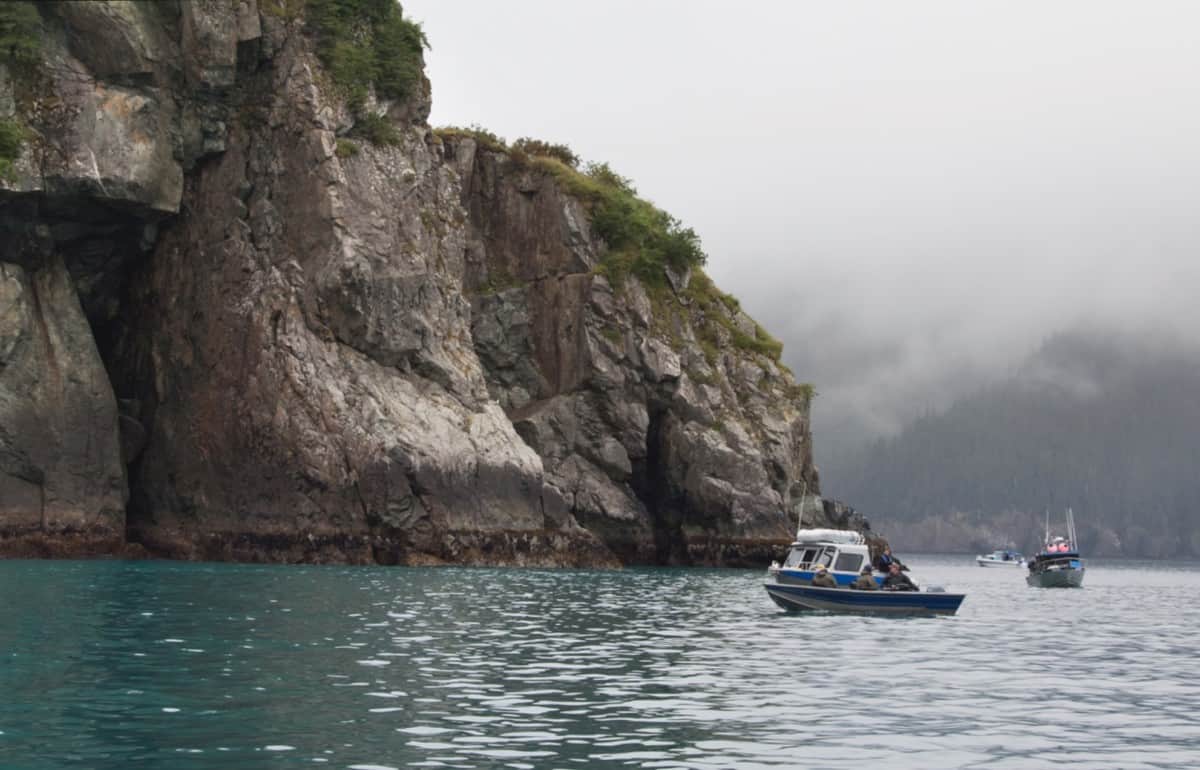
    Why is it that you’re always hearing reports of your fishing buddies catching tons of fish every time they hit the lake, but for you, it always seems like more of a crapshoot? Well, perhaps it’s because even with all of this dedication and preparation, you are still missing one key attribute in regards to successful fishing…

    Get the Best Tide Right on your Watch! See It HERE.

    As a matter of fact, the one thing you are forgetting is perhaps the most important part of most angler’s repertoire. They not only want to get their bait just perfect and go at just the right time, but they also want to allow for the correct positioning of the tides.

    That’s right, the tides. Of course, many of the average, run-of-the-mill anglers will poo-poo this, claiming that it is totally without merit. However, just like you, they are also the ones who are sometimes going home at the end of a fishing trip empty-handed.

    Wouldn’t you rather be like the others, seemingly catching all of the fish you want? Could it be possible that allowing for the tide is the right way to go for catching more fish? It could be, but before we answer that question definitively, a little science is in order. Here is some extra information about those mysterious tides:
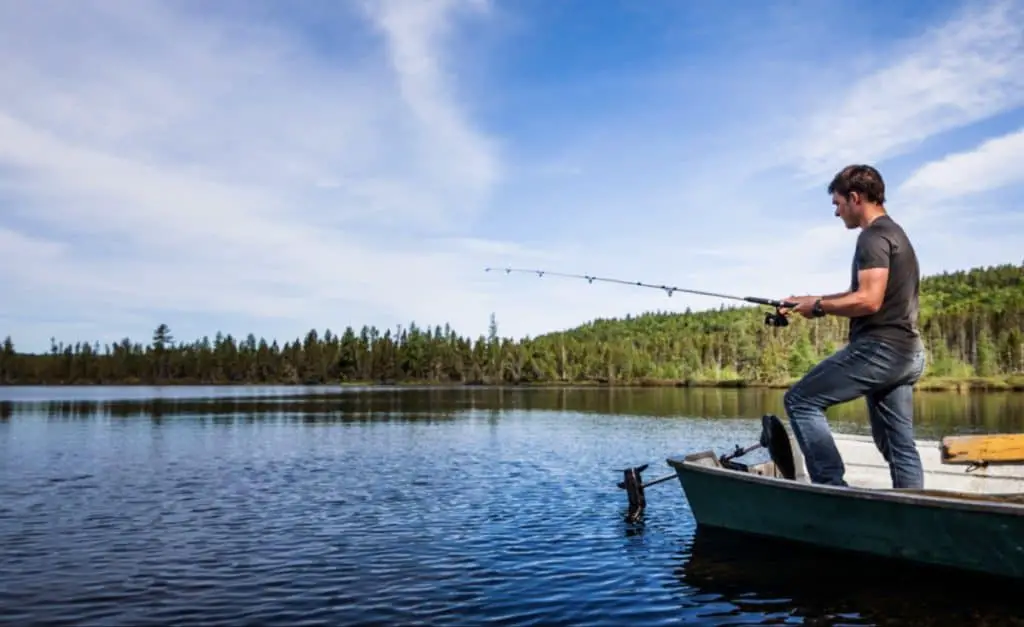
    There is a handy scientific definition for them.

    The first thing that an angler needs to do regarding tides is to understand the science behind them. These tides are beholden to both the sun AND the moon. Although many individuals think that these tides are the result of a horizontal change in the water’s surface, this is only partly true. The tide is actually a vertical change where the waters either get higher or they recede.

    This might seem pretty basic, but there are many anglers who either miss this or simply don’t care at all. However, they should, because the movement of the tides can cause their favorite fish species to bite or it can give them access to other areas of the water that they normally wouldn’t be able to get to. This basic understanding of tides is a great start, but there is much more that an angler needs to understand regarding tides.

    There are several different types of tides.

    Naturally, tides are usually caused by the gravitational forces of the moon. The moon usually has a tremendous influence on the tides, and for one thing, it can cause the tide to rise and move toward the land. This is known as the “flood” tide. However, the moon can also cause the tide to drop back, moving back out into the sea.

    This particular movement is called the “ebb” tide. Of course, there is also a time period where the tide can move either way, known as the “slack” period.

    Within six hours, the tide will go from low to high. Likewise, give it another six hours, and the tide will go down from high to low.

    Tides can also rise or drop a certain amount, and this is contingent on the unique positioning of the sun and the moon in conjunction with the Earth. For example, if the sun and moon are facing the Earth in a direct line, that would make the tides go the highest.

    This is called the “spring tides” and you usually see them either during full moons or new moons. However, when the moon is in the first quarter or the last quarter, the tides will remain fairly constant, with this tide phase being referred to as the “neap tides.”


    Of course, all of this is highly-technical, scientific stuff. Those who are simply fishing hobbyists are often happy as a lark simply just getting out on the water, enjoying the waves, and simply seeing if the fish are biting. However, for those who take fishing more seriously, they are akin to the woman who was trained as a classical violinist and someone told her, “I would give my life to play as well as you do” and the woman simply replied, “I did.”

    Much like this female violinist, these anglers want to look at every avenue in order to catch the most fish possible. So, with that in mind, we can say with an emphatic “Yes!” that the position of the tides do indeed affect how well you can perform your fishing activities. Of course, when it comes to the tides, anglers can be delineated into at least three different camps:

    The Casual Salt Water Angler

    This first group of salt-water anglers will pay little, if any, attention to the tides. Of course, they don’t catch as many fish as the other guy might, but as mentioned above, for them catching fish is just the icing on the cake. They are more of a fishing hobbyist than anything else. Simply put, they just enjoy going to their favorite fishing spot, nothing more and nothing less. If this describes you, then all the more power to you and enjoy your time out on the water.

    The “I Know A Little Bit About the Tides But Not Very Much” Type of Angler

    This next type is the one that knows that the tides have something to do with how much fish they will catch on a given day, and they might even acknowledge (or complain) about it with comments such as, “Well, the fish aren’t biting today, it must have something to do with the tide.” However, they either don’t have the time or don’t want to take the extra effort to plan for the tides during their fishing routine. These guys are a little bit above the rung of the other guy, but not by much. However, if this describes you and you’re happy with it, that’s fine.

    The “I Want To Know as Much as Possible About the Tides So I Can Catch More Fish” Type of Angler

    These guys are truly in a class by themselves, simply because of the fact that they don’t treat fishing just as a hobby, but as the sport that it deserves. They realize that you get out what you put in, and they are willing to do as much research as possible to determine how the tides can affect their fishing prowess.

    They also realize that even if the tides are in a favorable position, that doesn’t necessarily mean that the current of the waters is going to do them any favors either. If you are in this category, then read on, because the rest of this article is for you. Here is some extra information about tides and those that study them that you should know about:

    First of all, there is a whole discipline focused around what is called “surf fishing.”

    You often can tell if someone is a surf angler because they will make remarks like “fishing the tides.” In a nutshell, these anglers will go out when they believe that a certain stage of the tide is favorable for them to catch more fish.

    In many circumstances, these anglers have learned how to be a tide angler simply because they have fished a given location for years and they have learned that area’s tide simply through trial and error. Indeed, many of these anglers can get so proficient at this given area that they can almost predict in advance whether the tides on any given day will be favorable for catching fish.

    A moving tide is often better than no tide at all.

    Even though a surf fisherman who isn’t familiar with a given area is definitely at a disadvantage, they can still use their knowledge about the tides to their advantage. The first good rule of thumb is that it is often better to have a moving tide or current than nothing but still, slackish water. This is why many anglers study the tide very closely when they are ready to go fish in it.

    Novice surf anglers will want to pay close attention to the start of the tide in particular.

    Ask any experienced surf angler, and they will tell you that the most productive time for fishing the tide is when the tide first starts to come in. Gaming anglers in particular love the incoming tide because they know that’s the most likely time for them to catch such fish species as channel bass, striped bass, bluefish, weakfish, and many other varieties. However, these fish will have a tendency to scatter when the water becomes slack and they will be much more difficult to catch during this time.

    Pay close attention to the outgoing tide as well.

    If you have been doing tide fishing for any length of time, then you are also aware that you have to pay close attention to the outgoing tide as well. With the outgoing current, you will want to transfer  

    your targeted area either a little bit further down the river or closer to any beach areas that your fishing spot might have. Either way, whether the tide is going in or going out, a little bit of tide knowledge will definitely make the difference between coming home empty-handed or having a cooler full of fish.

    Understand the best tides for fishing.

    Of course, it can be helpful to understand which tides are the best for your fishing endeavors. Ideally, the best time to tide fish would be when it is either at flood tide or ebb tide. If you aren’t sure when the tides will occur at a given location, don’t fret; there are several tide-predicting manuals for the more popular fishing spots or you can even download a tide-predicting app on many of today’s cell phone models.

    One of the reasons you should be aware of the high tide is because it will bring out tiny crustaceans that usually hide under the sand. No, you aren’t fishing for crustaceans, but if you are looking for a large gamefish this is crucial information because it won’t be long before they show up for the crustaceans in search of a tasty snack. Gamefish also have a tendency to lie in wait during this tide for these crustaceans as well.

    Even when the high tide flows out, it can still be advantageous to you because it will often trap fish in reefs, inlets, rocky spots, or even bridge foundations or piers. This means that if you decide to boat fish during this ebb tide it could be advantageous to you.

    Be aware of the currents created by the different tides.

    Another thing that most tide anglers realize is that the tides will also bring in currents. If you have ever heard the phrase “do not swim against the current”, you should be aware that this applies to swimming fish as well. Unless they are spawning salmon, they will simply let the current transport them. Moreover, if you are fishing for the larger catches, they will often use these currents to ambush smaller prey. You can definitely use that knowledge to ambush them instead!

    Be sure to safeguard all of your fishing equipment if you want to try low tide fishing.

    One of the factors many anglers forget when fishing in lower tides would be the condition of their equipment. You have to be especially careful when fishing in low tides simply because the lower elevation of the water has a tendency to damage the motor of your boat. Yes, the fish might do better during this time, but it really isn’t worth it if your boat is harmed!

    Naturally, the best way to sum up the answer to the question in the title is that yes, tides do indeed affect your chances of having a successful fishing experience. In all honesty, the more you invest in understanding the tides, the better chances you will have at catching a larger amount of fish! Check the tides before you go right here.

    Are you seriously looking turn your hobby into a business? I recommend joining Income School. I’ve been an Income School member for a little over a year and joining was the best decision I’ve made in working toward my business goal.
  • Best Rod For Finesse Fishing

    Best Rod For Finesse Fishing

    As a fisherman, if you have spent enough time in the hobby, then it wasn’t long before you realized that there are many more variations to fishing than what the beginner might notice. Indeed, there are many different ways to fish, including the utilization of many different baits.

    Of course, most people simply just use live bait, but with all due respect, others realize there is a whole world of fishing that these individuals are missing out on. Indeed, there are fishing hobbyists who have worked for years perfecting different techniques to get finicky fish to come out of their shell and bite their bait.

    Finesse Fishing Method

    This is especially true for bass, who is known for being one of the smarter varieties of fish. Of course, this is a good option for those who want a challenge. Moreover, one of the best ways to land this elusive bass would be through the discipline of finesse fishing.

    Finesse Fishing Explained

    What is finesse fishing, you ask? Well, it’s simply yet another method in the fisherman’s arsenal for coaxing out finicky fish. Of course, it takes some practice to get it right; it’s not something where you can go out immediately on the lake and do it absolutely right. Finesse fishing is all about attention to detail. It’s all about finding the correct placement for your bait and the correct location for your rod and reel. It is basically about finding a certain specific way to present your bait to the fish. Naturally, this method of fishing is very detail-oriented, and proponents of this fishing method are very careful about every item within their fishing equipment.

    Of course, this all begs the question: which rod is best for this type of fishing? Well, that is definitely open to a lot of debate among finesse fishermen, so here is some extra information regarding the discipline of finesse fishing:

    Finesse Fishing: A Brief Introduction

    We’re getting down to the nitty-gritty here, but first things first: you have to understand what the word finesse means and what “finesse” means in relation to fishing in the first place. The word “finesse” is defined as “intricate and refined.” Thus, when it comes to fishing, this simply means that no detail is overlooked. Take a look at some of these extra considerations.

    Finesse Fishing is More of a Small-Handed Fishing Version Rather Than a Heavy-Handed One.

    What do we mean by that? Well, the best explanation is that finesse fishing for such species as bass will entail utilizing such equipment as a spinner with smaller action, a soft plastic that is much thinner than normal, and a spinning action with a subdued action that will still feature a good spinning gear.

    This is in direct contract with the normal heavy bass fishing methods, which usually feature such things as a huge, bulky lure, a fast-moving production, and a bait casting operation with a lot of heavy action. This is all well and good, and it does catch a lot of bass throughout the year. However, these methods do not allow

    for such things as the clear water, cold fronts, or the fishing pressure scaring the bass away. If you want to fish for bass all-year-round under most circumstances, you will need to have more than one fishing method in your arsenal. This is where finesse fishing methods come in.

    Now that you’ve realized that finesse fishing DOES have a purpose, let’s have a look at some of the best rods for the practice:

    So Just What Makes a Good Finesse Bass Fishing Rod Anyway?

    Now that we’ve laid the groundwork for those who are beginners in finesse bass fishing, it’s time to discuss the importance of using the right rod for this type of fishing. Either way you slice it, selecting the best rod for finesse fishing is a topic all to itself, and there is naturally a lot of debate regarding which one is best.

    The job of this blog entry is not to promote one rod over the other, but whichever brand you select, there are some must-have characteristics and attitudes you need in order for you to have the best finesse fishing experience:

    When it comes to the bass fishing old-timers, take their views of finesse fishing rods with a grain of salt,

    Chances are, anyone who has been bass fishing out on the lake for any length of time has either considered or went ahead and tried finesse bass fishing. This discipline is like everything else; some have tried it and liked it, but some have tried it and not cared for it.

    Those who don’t care for finesse bass fishing will usually immediately criticize the rods that are used for the finesse strategy. Their complaints will usually go something like, “Well, these finesse bass fishing rods are good for nothing whippy spinning rods that only work part of the time. Seriously, you need to have a tight line paired with a tiny bait, or it’s nothing more than a piece of junk!”

    Yes, they will get THAT adamant about it. However, this description isn’t necessarily true, and you owe it to yourself to decide on your own what you think about finesse spinning rods. Of course, this leads us to our next point.

    Finesse bass fishing rods are actually quite versatile and durable.

    Naturally, when it comes to finesse bass fishing rods, not all of them are created equal. When selecting the best finesse fishing rod, it will often boil down to four words: shock absorption and backbone.

    That’s right: if you are looking for the best way to catch these stubborn basses out of season or in less-than-perfect weather, you need a rod that can withstand just how tough these little creatures can be!

    The shock absorption on your finesse rod will allow you to withstand an incredible fight from even the most stubborn bass. Moreover, the shock absorption on a fishing line will also help you be able to land this bass without the hook being torn straight through the little one’s mouth entirely.

    Naturally, it can be difficult to find a finesse fishing rod with the right shock absorption or backbone, but like everything else in life, it pays to read the fine print. Much like you read the small details on all your grocery store items in order to prevent an allergic reaction, you should do the same with your fishing rods to make sure they can handle a stubborn bass.

    Finesse rods need to have the right configuration for your needs.

    Along these same lines, you should go with a rod that is precisely calibrated for this bass fishing strategy. Many anglers have found success with a rod that has a 70/30 calibration.

    That is, the rod will have a 70 percent backbone, which means that the rod will remain stiff and continue to hold up even under the immense pressure of even the strongest and most determined bass. Simply put, even though bass might appear to be small, there are some of these creatures that are so ripped that they have been known to break many different fishing rods.

    This is why you want a rod that is 70 percent stiff, if just for the purpose of having the strength to control that fish in his watery domain. Moreover, you have to realize that you are trying to fish for these basses in the same place that you would normally cast a regular spinner or a jig.

    Hence, yet another reason why you need a rod with at least a 70 percent stiffness. However, do be aware that even if you keep in mind getting a rod with this degree of stiffness, we still aren’t done yet.

    That’s right: we also need a rod that has the 30 percent calibration as well. Having a rod with a 30 percent tip means that you are able to withstand a lot of shock to the bottom part of the rod that usually comes with casting all of these light lures. This also means that your rod will have the flexibility to keep the line strong even when you do encounter a stubborn fish.

    Of course, there is no question that this rod is very versatile. However, there is definitely one small problem: if you aren’t an experienced angler, how can you tell if you are handling (or planning to buy) an appropriate 70/30 rod? Usually, a good rule of thumb is to simply just know how to properly handle the rod.

    For starters, you should simply just test the model yourself. You would do this by holding the rod with your left hand, and then run your fingers along the handle by the reel seat. At the same time, you should also pull down on the rod tip with your right hand.

    Watch carefully, seeing just where the tip begins to stop flexing. If you have an authentic 70/30 fishing rod, you will immediately notice that it stops flexing just about a third of the way down the shaft of the rod. The beauty of this method is that you can employ this practice with just about any rod you are considering buying in order to fully determine the true action of the piece.

    While 70/30 is a good calibration to keep in mind for those just starting out in finesse fishing, this calibration is by no means the only model that you can use.

    After you have gotten some practice with finesse fishing under your belt, you also could consider a 60/40 model, simply because many finesse fishermen do not like to stick with just one calibration. Additionally, some finesse guys like a 60/40 rod because it will usually hold up better for a litany of light wire fishing activities.

    Many finesse fishermen also like this model because it is great for either split shotting, drop shotting, or any other occasion where you might be fishing with a smaller hook.

    The length of your rod is important too.

    Of course, you also should pay attention to the length of your finesse rod as well. Interestingly enough, there really isn’t any one length that will work best; it kind of depends on what goals you have in mind. For example, you might want a rod that is 6 1/2 feet if you are fishing in a tightly covered area or if you

    are putting your bait out in an area that has a lot of debris, such as boulders, rocks, branches, or dock beams. Alternately, you might want to go with the slightly longer seven-foot finesse rod model if you intend to make longer casts out into the water.

    A seven-footer is also good for finding the bigger fish that stay further out and might normally be more easily spooked.

    Find your own “lingo” for what kind of finesse rod you are looking for.

    When you are shopping for a finesse rod for the first couple of times, one of the things you immediately realize is that there is no such thing as a “one-size-fits-all” description among rod and reel companies.

    Simply put, it varies. Some companies will say their rod is “medium”, and that’s all well and good, but you could take that exact same rod to another company and they might classify it as “medium/heavy” or even “medium/light” with another company!

    This is why it is so useful for you to simply go with the 70/30, 60/40, or 80/20 method. Yes, it might sound like you are talking about motor oil calibrations, but it’s a lot less confusing and much easier to get the rod you want that way.

    Don’t be afraid to experiment!

    Finally, there is no getting around the fact that you might need to go through some trial-and-error before you find the best rod for this type of fishing. This means being patient and trying out different rods until you find the one that is best for your own unique finesse fishing situation. Simply put, the best rod for finesse fishing is the one that fully meets your unique finesse angling expectations. There is no “one-size-fits-all” variety. Just try everything out until you find the right one for you.

  • Can You Fish For Koi?

    Can You Fish For Koi?

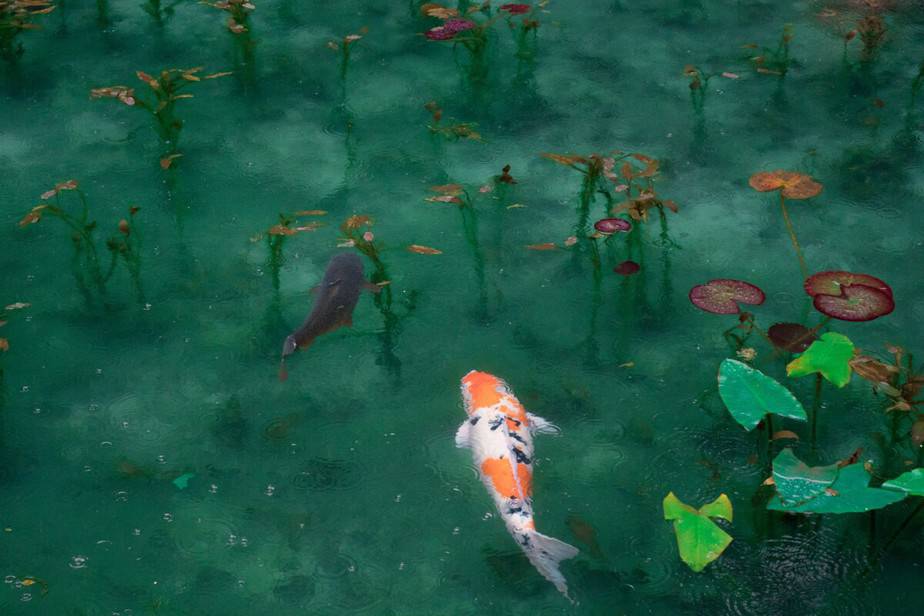
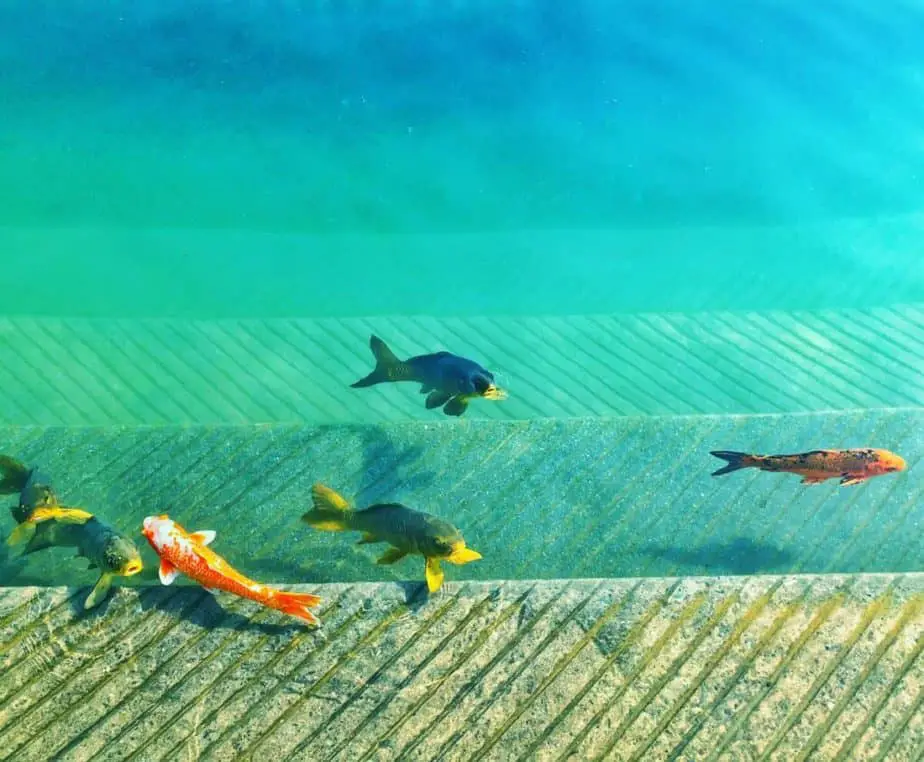
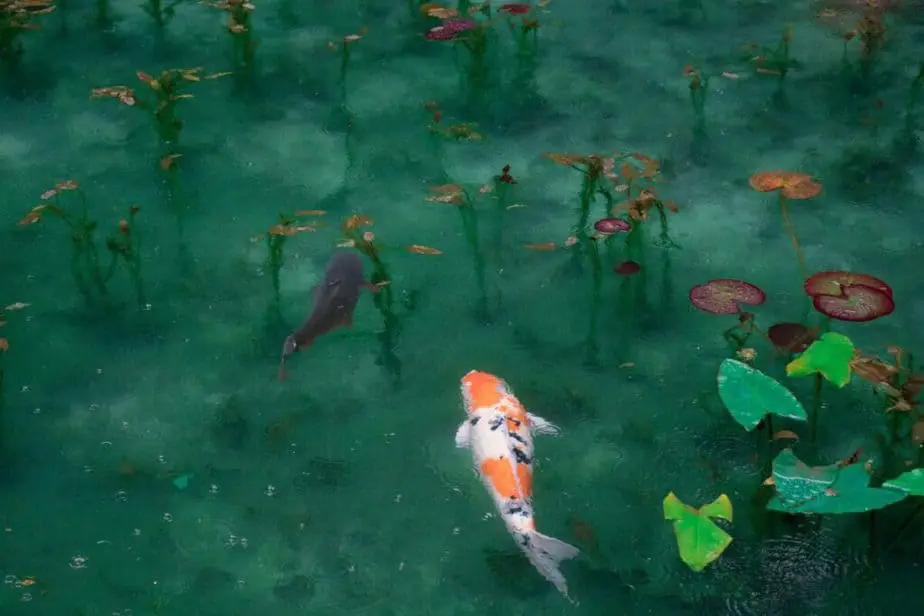
    Perhaps one of the most unique varieties of fish in the world today would have to be the koi fish. They have a strange and wonderful history, dating back to the 1600’s when they were discovered by Chinese fishermen. This type of Asian carp was almost immediately revered for their unique colors and interesting size.

    In the wild, this unique breed of fish can grow to as much as 36 inches in length. They are usually bottom feeders, feasting on plants, algae, or moss.

    They also will eat insects, bugs, and disposed human food. Of course, now that we have gotten the introduction of the koi fish out of the way, here is the one question you are probably wondering: can you fish for these koi? Surely it would be an interesting challenge, so why not try it? The answer to that question is yes, in most cases you can, indeed, fish for koi. However, you need to do your homework a little bit first.

    At the time, the main colors of this fish were red, blue, white, and black. It wasn’t long before they became well-known throughout Asia, and they caught the eye of several Japanese individuals, who began breeding the species on a larger scale and eventually making koi with wonderful rainbow colors.

    In the early 1900s there were many other countries that began breeding this species as well. Various European countries as well as the United States and the United Kingdom began a large-scale breeding operation of this fish, and it wasn’t long before they became very popular indeed.

    The 1920s and 30s saw a boom in the production of koi fish that even a century later hasn’t really stopped. The unique look of these fish definitely gives them a lot of appeal, and that is probably part of the reason why many private individuals and well-off businessmen started breeding them to be in their home aquariums or private ponds.

    Moreover, these fish are not considered native to North America. However, they have been bred so long that there are now quite a few areas where they have been spotted in the wild. The US states of Arizona and Texas in particular have large populations, and there was even one report where there were over a hundred koi together at the same time in various locations in Colorado.

    How did these koi fish get to where they are now? The answer to that question is not very clear. However, some say that these koi might simply have been dumped into the water by a fish owner who had grown tired of them. Of course, it doesn’t necessarily matter how they got into the water, they continue to increase in number.

    Where is it legal to fish for koi?

    The first baby step you have to take before you can hold up one of those kois for your congratulatory picture is to make sure that you stay within the law while you are fishing for them. There is good news and bad news here. First of all, let’s get the bad news out of the way first: If you live in Maine, you cannot fish for koi. In that state, it is illegal to buy, sell, own, or even simply maintain that breed of fish within any jurisdiction within the state of Maine. The good news is that for the rest of the United States, there is absolutely nothing unlawful about fishing for koi. In fact, there are even a number of states that will allow public ponds to hold private fishing tournaments that are mostly devoted to fishing for koi.

    How do I fish for koi in the first place?


    Of course, this all is probably begging yet another question for you, which is, “how do I even start to fish for koi?” Well, a good rule of thumb is to remember that koi are a member of the carp family, and so you should employ strategies that are similar to fishing for other types of carp. Consider the following:

    Use a clear line.

    With koi you should always remember to use a very clear line simply because the koi tends to be a very smart fish. Like their carp cousins, they actually can discern a fishing line if it is colored and that will spook them and make them run away. Of course, you can use a braided line if you want lightweight material, just remember that there needs to be a fluorocarbon or other clear type of leader on it if you want the koi to bite.

    Use a light line.

    You also should consider using a light line for koi fishing, simply because it will give you the best chance to feel the tug on your line when a koi finally strikes. Like other carp, koi have a tendency to just slurp on the line and it can be very difficult to feel the bite unless you are an experienced hand. Additionally, having a light line will allow you to cast your small bait much further out than normal.

    Even if you manage to land a larger koi, like all other members of the carp family they do tend to have a smaller mouth. If you are fishing for smaller koi, you can probably get away with just using a line that is six pounds or under. However, for larger koi you should try your luck with a line that is larger than 12 pounds.

    Remember that koi tend to be very skittish in general.

    Much like carp, koi are definitely a very skittish lot. They have a tendency to be very nervous when they see humans. However, one of the main ways that you can get koi to play ball with you would be through either a leading technique or a drag and drop method with your bait. These methods have a proven track record of success throughout the years.

    Moreover, you should also strongly consider asking around about the particular fishing spot that the koi are swimming around in. To be perfectly frank, if you are told that the koi used to be family pets, then there’s a possibility they might be more used to humans and not as skittish. However, unless you have an experienced guide, always error on the side of caution and just presume the koi will be skittish.

    What bait should I use for catching koi?

    Of course, the other wrinkle you should consider is in finding the best bait for finding your koi. While we have determined that it is perfectly legal to catch koi in most jurisdictions, we still need to determine what these little critters will go after. Moreover, understanding their behavior or the type of line they might require would be valueless as well if we don’t have a full understanding of the bait. Thus, you should keep the following in mind:

    Are you fishing for koi in an area that gets a lot of foot traffic?

    If the fishing spot you have chosen gets a lot of human visitors, then you should use this to your advantage. Just think about it from the fish’s perspective. A koi that gets a lot of human visitors will become accustomed to feeding off the scraps of food that a human will either let carelessly slip into the water or feed them intentionally.

    What does this mean to you, as an individual who is intentionally trying to catch a koi fish? Well, it’s pretty much self-explanatory: when it comes to catching koi you can use pretty much anything you want for bait. Thus, items such as bread flies and pellet flies are something that you definitely should keep continually stocked in your tackle box if you are going to start a collection of pictures of you holding up your latest koi catch!

    Think the way that the koi think.

    When it comes to bait, you often have to get in the mind of the koi in order to find an effective source of bait. For example, you should remember that koi just LOVE spoiled human food, hence the reason why they are so easy to catch in places that get a lot of foot traffic.

    Thus, one of the things you can do would be to get some corn tortillas and let them lay out in the sun for a few days. Once they get their corners a bit bent-up, then you can cut them in half and then use them as koi bait when you go fishing. However, this does beg yet another question: what do you do if the koi do not respond to the bait?

    Well, in that case, you would need to do something to get the koi accustomed to the bait that you are using. Let’s take using bread as bait, for example. If the koi do not seem to like bread, then you should simply take a few days where all you do is just FEED THEM. Simply enjoy the pond and just throw some bread crumbs in the water and watch the koi get used to it.

    If they do show some interest, then after a few days you can proceed with using the bread as bait on your fishing hook. Additionally, you could simply try just tossing a few pieces of bread in the water and then try to fish the koi with a cast net. Many fishermen have even had trouble picking the net up after using this method!

    Finally, you should realize that, like other fish, the koi will definitely respond to the changing seasons. When the temperatures drop, it is going to be much more different to catch this species simply because they just don’t eat very much during the colder months.

    Again, this is another situation where proper preparation is the key to a successful fishing experience. If you are going to fish for koi for any length of time, you really would do well to invest in a good pond thermometer. Additionally, if the water is cold, that doesn’t necessarily mean that the koi won’t bite; however, it does mean that you will need to be more persistent in order to allow for their slower metabolisms.

    Don’t forget that koi are bottom feeders.

    Like catfish and many other species, koi are also bottom feeders. That means that they have a tendency to feed off the bottom of the river or stream they are in. Thus, when you are trying different baits, you would do well to consider a bait that bottom feeders like.

    Baits such as bucktail jigs, live insects, spinners, and anything that might cause a dragging motion on the sand are all good options that you can use to try to land a koi.

    Along these same lines, you also could utilize various other leading techniques or you could employ the use of moss flies, algae flies, glo bug areas, or pellet flies. Even many beginning koi fishermen have found luck with some of these strategies.

    Don’t be afraid to try many different approaches in your attempts to catch koi.

    In conclusion, if you’re ready for a challenge, you definitely will find it if you attempt to fish for koi. There is no question that they are definitely a finicky being; one day, you might not be able to keep them out of your net or off your line at all, but the next day, you might be lucky to get a nibble at all.

    Don’t be afraid to be persistent with attempting to catch these creatures. Moreover, if you hear of a new strategy for catching this strange new breed of fish, you shouldn’t be afraid to try it out. They wouldn’t be discussing these koi fishing strategies if they didn’t work well for them.

    In conclusion, there is definitely always a need in fishing to “push the envelope” and try to find new things to fish for. What better way to establish some new bragging rights than by fishing for koi? Considering how much of a challenge catching this fish can be, it will make you feel that much better when you are holding up your prize and posing for that picture!

  • Best Boat For Fishing And Watersports

    Best Boat For Fishing And Watersports

    Fishing remains one of the most popular outdoor activities, with thousands of people taking part each weekend. However, to make sure that you have the best experience, you need to make sure that you choose the best vessel.

    So, what’s the best boat for fishing and watersports? The best boat will depend on what you’re looking for. The number of people, the way you intend to use it, the features you are getting, and the type of environment you want to use it in all affect the type of boat that you purchase and how much you can expect to pay. To save money, you can purchase a second-hand boat. If taking this option, make sure to inspect it carefully before you decide whether you want to purchase it.

    Once you find the right boat, you need to make sure that you register it and get all the necessary documents and safety equipment. You’ll also want to make sure that you are performing regular maintenance, to keep the boat in excellent condition. By doing these simple actions, you can get a great boat that will last for a long time.

    Fishing boat

    As you can imagine, finding the right boat for you will depend on many different aspects. Let’s take a closer look at each of these areas, so you know what to look for when purchasing your boat.

    What Should You Look For When Purchasing A Boat?

    Deciding to buy a boat is a big choice, so you want to make sure that you weigh up all your options. When you are buying a boat, there are a few key elements that you should look for, to make sure that you are getting a good deal. These are;

    • The size of the boat
    • The amount of horsepower
    • The type of features that are available
    • The price
    • If purchasing second-hand, the condition of the vessel

    Let’s take a closer look at each of these factors, so you have a better idea of what to look when you’re purchasing a boat.

    How Big Does My Boat Need To Be?

    There are a few factors that can influence how big your boat should be. In some cases, you might want to think about the way that you want to use the vessel. You also need to think about the number of people that will be coming aboard. As a general rule, the further offshore you intend to go, the bigger the required vehicle.

    When thinking about how big your boat will need to be, you’ll need to think about the way that you want to use it. This is often the biggest factor that will influence how big it will need to be. As an example, if you want to use it for commercial fishing, you’ll a big deck. However, if using it for watersports, speed might be more important than the size of the boat.

    You might also want to think about how long the average trip will be. For example, if you’re staying on the boat overnight, you’ll need to have a place to sleep.

    Also, the number of people that you want to have on-board will determine the size required. The more people who will be coming on the trip, the bigger the boat will need to be. This will ensure that there’s plenty of space for everyone to move around.

    You might also want to check the local regulations. In some cases, there might be legal requirements that state how big the vessel will need to be to accommodate the group.

    If you want to purchase a bigger boat, you’ll need to find a marina that’s going to be able to store it for you. Generally, you’ll need to pay a higher rental fee for the dock. For smaller vessels, you’ll be able to store it at home, using a trailer to take it to the water.

    However, the biggest factor that will influence how big the boat needs to be is the type of area that you want to use it in. If you only want to use it in-shore, you might be able to get away with a smaller vessel. However, when you move off-shore, you’ll face rougher weather conditions and require a bigger boat.

    To give you a better idea about the size of the boat that you should purchase, we put together this handy table.

    Area Where You’ll Be Using The Boat Recommended Length
    Bay/Lake Between 20 to 30 feet (6 to 9 meters)
    Inshore Areas E.g. River Deltas Between 17 to 20 feet (5 to 6 meters)
    Offshore Fishing Above 30 feet (Over 9 meters). The further offshore you go, the bigger the boat required.

    How Much Horsepower Does My Boat Need?

    Another important factor for you to consider is the amount of horsepower that your boat will need. Generally, the heavier the boat, the more horsepower you’ll need to move it. You might also want to consider how fast you want to travel. When deciding the amount of horsepower, you’ll need to follow government regulations.

    Deciding on the size of the engine required should be a relatively uncomplicated process. In most cases, the vessel purchased will stipulate the amount of horsepower you need. It should be listed on the capacity plate, which is issued by the Coastguard, and should be found on the stern of the boat.

    You’ll need to make sure that you’re following local regulations. If you don’t, you might be charged with overpowering the boat. In this case, you might face a fine and have to change the engine that you are using.

    Overpowering your boat can also be a significant safety concern. You’ll be exposing the bow of your boat to too much force. Over time, this can end up damaging the vessel, costing you a lot of money to repair.

    The amount of horsepower that you’ll need will often depend on the way that you intend to use the boat. For example, if you intend to use the boat for watersports, such as tubing or water skiing, you might want higher horsepower, to allow you to achieve higher speeds. However, if you want to use the vessel primarily for fishing, you probably won’t need as much horsepower.

    Another important consideration is how much your boat weighs. The heavier the boat, the more powerful the engine will need to be. As a general rule, you’ll need to be able to get one horsepower for every 25 to 40 pounds.

    What Type Of Features Can Come With A Boat?

    When you buy a boat, you might also want to consider the type of features that will be included. There are dozens of different features that might come with a boat. For example, you might find one that comes with a navigational system. How important these features are will depend on the way you want to use the boat. If necessary, you will often be able to add these later.

    There are many different options that you can explore when deciding which features you want to include. For example, many newer boats are equipped with some electronic equipment. For example, they’ll be some kind of GPS to guide you.

    More advanced boats will generally have more sophisticated electronics. For example, you might be able to find a way to find play your music over loudspeakers. These features can be a great way to help you relax on your fishing trip, but they aren’t necessary to the overall functioning of the boat.

    Most electronic equipment can often be retrofitted, this will allow you to upgrade it over time. However, when doing this, make sure to hire a qualified electrician, to make sure that it has been done properly.

    Your engine might also contain several features. For example, if you have an outboard motor, you might want to get something that comes with an electric start, which allows you to start the engine quickly. How important these elements are will depend on the way that you intend to use your boat.

    Finally, you might want to consider how you intend to use the boat. This might impact the type of things that you will be looking for. As an example, if you want to use the boat for fishing, you might want to get a live bait well. However, if you intend to use the boat for watersports, you might want to have a space that you will be able to relax.

    What’s A Good Price For A Boat?

    Often, when you’re looking for a new boat, you’ll have a limited budget. The biggest impact on how much the boat will cost is how big it is and the number of features it has. Generally, though you’ll be able to get a decent boat for around $10,000. If you want a bigger, more luxurious vessel, you can expect to pay around $450,000.

    The biggest element that will affect the price you’ll need to pay is the size of the boat. As the vessels get larger, the purchase price increases. You’ll also need to factor in a bigger engine to move it around.

    To get you a better idea of how much you can afford to spend, let’s take a look at the lowest price that a boat of this kind will cost. If you want to add in more features, expect the price to increase.

    Boat Size Starting Price
    Between 16 to 20 feet (4.8 to 6 meters) $10,000
    Between 21 to 25 feet (6.4 to 7.6 meters) Between $50,000 to $100,000
    Between 26 to 30 feet (7.9 to 9.1 meters) Between $150,000 to $300,000
    Between 32 to 36 feet (9.7 to 10.9 meters) Between $200,000 to $450,000

    It’s important to remember that the costs extend beyond initially purchasing the boat. For example, as we mentioned, you’ll need to decide how you are going to store the boat. The bigger the vessel, the more you’ll need to pay to store it at the marina. You’ll also need to pay for the running costs of the vehicle, like keeping the engines fueled.

    To make sure that you’re getting a good price for the vessel, make sure to investigate the different options on the market. This will give you a better idea of what you can get for your money.

    What To Look For When Purchasing A Second-Hand Boat?

    If you don’t have the money to purchase a new boat, you can get a used one. To make sure that you are getting a good deal, you should thoroughly investigate the boat. First, you should make sure that it’s been serviced regularly. You might also want to have a professional inspect the boat, as they’ll be able to spot issues that you might miss.

    Buying a second-hand boat can be one of the best ways for you to save a lot of money. However, this process doesn’t come without some risks. The best way to make sure that you are getting a high-quality boat is by thoroughly inspecting the vessel.

    The first thing to look for is the boat’s maintenance records. This will give you a better understanding of any issues that the boat has faced in the past. However, more importantly, it will tell you that the owners have been taking care of the vessel by booking it in for regular services. When looking at the log, make sure that the vessel has been taken to a trusted marine mechanic, so you know that everything has been done properly.

    You should also inspect the boat for damage. You should check that all the electrical systems are working properly and that there is no rot. However, one of the biggest things that you’ll need to look for is signs of leakage. This can sometimes result in water marks on the inside of the vessel.

    Because this is such a big investment, you might want to hire a qualified inspection service. They’ll be able to look at the boat for you. This will let you get a clearer idea of any potential issues that you might be facing.

    You might also want to check that the boat hasn’t been reported as missing or stolen. This will help you make sure that the person you’re talking to has the legal authority to sell you the boat.

    Finally, double-check what type of things will be included with the boat. In some cases, sellers can post deceptive pictures, which might not make it clear what you’ll actually receive. Taking a few minutes to clarify what’s included, before you agree to the sale, can save you a lot of headaches in the future.

    What To Do After Purchasing The Boat?

    After you’ve found the right boat for you, there are a few things that you should do. First, you’ll need to make sure that you register the boat. Often, this will be a legal requirement. You’ll also need to make sure that you have a boater’s license. Finally, you’ll need to make sure that you have all the necessary safety equipment on board.

    After you purchase a boat, you need to make sure that you are following your legal obligations. This means making sure that the vessel has been set-up properly. Let’s take a closer look at some of the things that you need to do.

    Do You Need To Register Your Vessel?

    You are legally obligated to register your boat with the state authorities. The way you need to register, and how long the registration will last often depend on where you live. Because of this, you’ll need to research the local laws, to make sure that your vessel is compliant.

    The registration process is an essential part of owning a boat. Coastguards are allowed to pull you over and check these documents. If you haven’t registered the boat properly, or don’t have the correct paperwork, you might face a significant fine.

    As we mentioned, each state has a slightly different registration process. You’ll need to register your vessel in the state you live and intend to boat in. You can often find registration information and fill out the necessary paperwork online. If buying a second-hand boat, discuss whether the previous owner has registered the vessel.

    After you’ve registered everything properly, you’ll need to make sure that you clearly display your registration number, which is like the license plate on your car. You’ll need to place this on the front and starboard side, at the front of the vessel. There are a few rules to follow when doing this, to make sure that the numbers are easy to see.

    How Can You Get A Boater’s License?

    There are a few ways that you can get a boater’s license. First, you might be able to complete the course online. You might also be able to attend a physical location, for a training session. Finally, you’ll need to pay for the course and get your certificate.

    In some states, if you were operating a boat without the proper licenses, you might be issued with a fine. Thankfully, the required training won’t take long, with many taking just a few hours.

    In most cases, you won’t have any problems finding a suitable course. There are many different providers available in each state. These will teach you the basics of maritime law, so you can control the vehicle properly. For example, you’ll learn about the speed limits and what certain flags mean.

    After you’ve completed the course, you’ll be able to take control of the vessel. If you get a certificate, it’s recommended that you print it off and keep it on the boat. This can be vital for providing that you have the required qualifications.

    What Safety Equipment Do You Need To Have On Board Your Boat?

    When you purchase your boat, you’ll need to make sure that you have the necessary safety equipment on board. In most states, it’s required that you’ll have floatation devices, like life jackets. You’ll also need to have something to signal your position.

    There are a few legal requirements that you need to fulfill when heading out on a boating holiday. If you don’t have all the necessary equipment you might face a fine. The required safety gear can be broken into three categories; flotation devices, fire extinguishers, and signaling devices.

    First, you’ll have to make sure that you have life jackets. If you’re doing a watersport where you’re towing someone behind the boat, like a water skier, they’ll need to be wearing a life jacket. Children under 12 will also need to have a life jacket whenever the boat is moving.

    You’ll also be required to carry a throwable flotation device, which can be used to help anyone who has fallen overboard. Legally, you only need to have one of these devices, though you might want to carry a few, just in case.

    Third, you’ll need to have a fire extinguisher. The type of extinguisher you’ll need will depend on the size of the boat.

    Finally, you’ll need to have a signaling device. In this area, the requirements depend on the size of the boat. Generally, you’ll need to have some way of visually signaling your position, like a flare. You’ll also need to have some audio signaling device, such as a whistle, in case you get stuck in a fog.

    How Should You Take Care Of A Boat?

    After you’ve spent a lot of money on purchasing your boat, you need to protect your investment. First, you’ll need to regularly check that the motor is still in good condition. You might also need to inspect the outside of the boat, checking that there are no holes or cracks. Finally, you might want to get the vessel serviced by a professional every year.

    The best way to make sure that your boat is kept in good condition is by maintaining it each year. In this area, one of the most important areas to take care of is the engine. There are a few potential problems that you might want to look out for.

    First, you want to make sure that all the moving parts are kept well lubricated. You should also inspect all the wiring, making sure that it’s still attached firmly. If needed, replace the spark plugs. Finally, every three months, drain the gearbox oil and replace it.

    You should also take the time to inspect the outside of the vessel. In some cases, you might notice that the paint is starting to crack. If this is the case, you’ll need to fix the problem quickly, before the boat starts to develop a leak. Also, clean the exterior with a hose after each trip.

    You should also make sure that you are regularly cleaning out the bilge. This part of the boat can easily trap in dirt and grime. The longer the dirt stays in the bilge, the harder it will be to remove. Also, dirty bilge water can be an indication of a bigger problem, like a leak in the fuel line.

    By inspecting the boat regularly, you’ll be able to spot any issues while they are still relatively minor. If left for too long, the problems will get worse and become more difficult to fix.

    Even if you take good care of your boat, you should book it in for a professional service every year. In many cases, a professional mechanic will be able to spot problems that you didn’t know that you had.

    Related Questions?

    • Why are boats so expensive? There are a few reasons. First, they need to be built to withstand being in the water, which means that they need to use tough materials. Also, if getting a watersport boat, they need to cope with traveling at high speeds. In most cases, the boat construction process is very labor-intensive, requiring a lot of skilled workers.
    • How long does a boat last? This depends on the way that you use it. Generally, though, boats are replaced after 10 to 20 years of use. However, if you care for it well, it will be able to last for 60 years without any major problems.
    • What’s the best time to buy a boat? You’ll often be able to get the best deals in December. During this time, there are generally low sales figures. Because of this, most dealers will be able to give you a significant discount to entice you to buy.

    Final Thoughts

    Owning a boat can be a great investment, especially if you love fishing and watersports. To make sure that you get a good deal, there are multiple areas for you to look for. You need to make sure that you consider the size, horsepower, features, and price. If purchasing second-hand, give it a thorough inspection to make sure that there are no nasty surprises. Once you buy the boat, you need to make sure that it’s been set-up properly. Finally, you’ll need to make sure that you are taking care of your boat by performing regular maintenance.

  • Can You Fish For Carp at Night?

    Can You Fish For Carp at Night?

    If you have fallen in love with fishing for carp then chances are you probably want to try to fish for them all the time. Morning fishing for carp? Sure, let’s do it.

    Fishing for carp in the afternoon? Go for it! Why not? Evening fishing for carp? Yes, let’s go to the lake! Of course, all of this is all well and good, but what about fishing for carp at night? If you were nodding your head on the first three but scratching your head on the last one, that’s really unfortunate.

    Listen Up!

    Many advanced anglers would tell you that the very best time to fish for carp is at night. some reasons include: there are less people to contend with at night, the sun is less harsh at night, and carp are very much in feeding mode at night, and are even, perhaps, more likely to bite at night.

    When it comes to indulging in your carp fishing hobby, there is absolutely no reason to sell yourself short. You fish for this species of fish the other three portions of the time that the Earth is rotating on its axis, so why not at night as well? Of course, I can hear the complaints now…the fish are too finicky, the carp are too hard to see, it is too dark!

    Can it even be done at all? The answer to that question, it definitely can be done as long as you fully understand the differences between day fishing for carp and night fishing for carp. There’s no reason to throw up your hands and say that it’s impossible to night fish for carp as long as you keep some of the following things in mind:

    Realize the differences between fishing for carp during the day and fishing for this species during the night.

    Naturally, the first thing you need to realize is that there are many differences between fishing for carp during the day and fishing for them during the night hours. Simply put, some of your tried-and-true methods for day fishing simply will not work so well during the night.

    I have a secret…

    First of all, you will be at a fairly strong disadvantage at night simply because you won’t be able to see as well as you would be able to during the day. One of the ways that you can remedy this is to simply be as prepared as possible. For starters, you should fully study the area you are interested in during the day.

    This will make you more familiar with your surroundings and better able to work on the area at night.

    Additionally, you will need to be sure that you have at least two different light sources with you when you go night fishing. Items such as a high-quality head torch and a hand torch or a small lantern could literally mean the difference between you holding up your large carp in the nighttime sky or just going home empty-handed.

    Of course, you also want to make sure that you don’t shine the light on the water so much that it disturbs the fish. Just using the light to help you see is perfectly fine; keep it away from the water.

    Finally, another area where you should prepare ahead of time for night fishing would be with your rods. There is no question that it can be very frustrating attempting to get a snag and continually having to re-tie your rods in the dark. Thus, you should simply have a few rods ready to go for when you decide to have your next night fishing excursion.

    Don’t worry about your bait!

    Of course, what with all of this extra preparation you have to take for night fishing for carp, you are probably wondering about your bait. Well, here’s a little bit of advice that you can definitely take to heart: when it comes to worrying about the bait you use for night fishing, don’t. The good news about night fishing is that all of the bait that you use during the day to catch carp will work every bit as well duringthe evening.

    This means that it is perfectly fine for you to take your dough baits, corn, boilies, and even nightcrawlers if you decide to fish for carp in the darkness hours.

    Prepare ahead of time.

    When it comes to carp night fishing, “prepare, prepare, prepare” should always be your mantra. Of course, another word about bait is in order here. While you can definitely use the same bait for carp that you use during the day, you should always make sure that the size of the bait is acceptable. In a nutshell, you want to make sure that your bait is solid enough, strong enough, and large enough to be able to attract the carp on the next evening that you are fishing for them.

    If you get bait that is too small, what will typically happen is that yes, you might attract a few carp, but you will also much more often tend to attract smaller types of fish. Since you don’t want that, you should only use bait that the carp will be attracted to in the first place!

    Keep yourself warm.

    You might think that as long as you simply just do night fishing during the summer months, you would be clear for keeping warm during the nights. However, even in these warmer months, you might be surprised just how cold things can get at night.

    That is why you should invest in a decent sleeping bag and you should make sure to pack a pair of extra thick socks. Taking along a light jacket probably wouldn’t hurt either.

    Don’t neglect your back either.

    You may not think much about your back while you are fishing during the day, and that’s all well and good. However, the sport of fishing takes on a whole new dynamic when you are fishing at night. It is during this time that you are more likely not to spot uneven surfaces, and when you repeatedly cast from this less-than-level ground, the muscles you use to do it will begin to strain your back. This is yet another reason why you should use a flashlight: simply put, you should occasionally check the ground before you cast

    Let me tell you one thing you are definately going to want to do…

    You also should consider investing in a good bed chair to sit on while you are casting out your line. Taking it easy while casting out in the water will ensure that you can enjoy the sport of night fishing for many years to come without racking up costly chiropractor bills in the process. If you have a few years on you your back will thank you.

    Conclusion

    If you haven’t tried night fishing, then it is definitely time that you give it a shot. The worst-case scenario is that you don’t care for it, but it really could become an enjoyable pastime for you. Give it a try today (or rather, tonight!).

  • Tips For Bass Fishing In The Rain

    Tips For Bass Fishing In The Rain

    If you are a novice angler, then chances are you realize you have a lot to learn. When it comes to fishing, there are actually a surprising amount of misconceptions out there. One of the main ones that seems to never go away would be the idea that fishing should only be set aside when the days are as nice as possible. Yes, you will definitely be more comfortable if you set aside a day with nice weather in order to engage in your fishing pastime.

    However, being comfortable and being at your fishing spot when you are getting a lot of bites from the fish can often be two separate things. Take fishing in rain, for instance. It often is a prime opportunity to get yourself involved in a fish feeding frenzy. Simply put, anything that changes the makeup of the water will often also change the behavior of the fish. Whereas rain might scare us away, rain actually will often make fish such as bass be much more active.

    Speaking of bass, have you ever considered trying to fish for them in the rain? Believe it or not, bass LOVE the rain. They will be very plentiful during this type of weather because they are less likely to detect a human presence. This means they are more likely to take your bait. Are you ready to get a bit wet in order to give bass fishing in the rain a shot? Here are some things you should pay attention to:

    Take a good, long, hard look at the runoff that the rain creates.

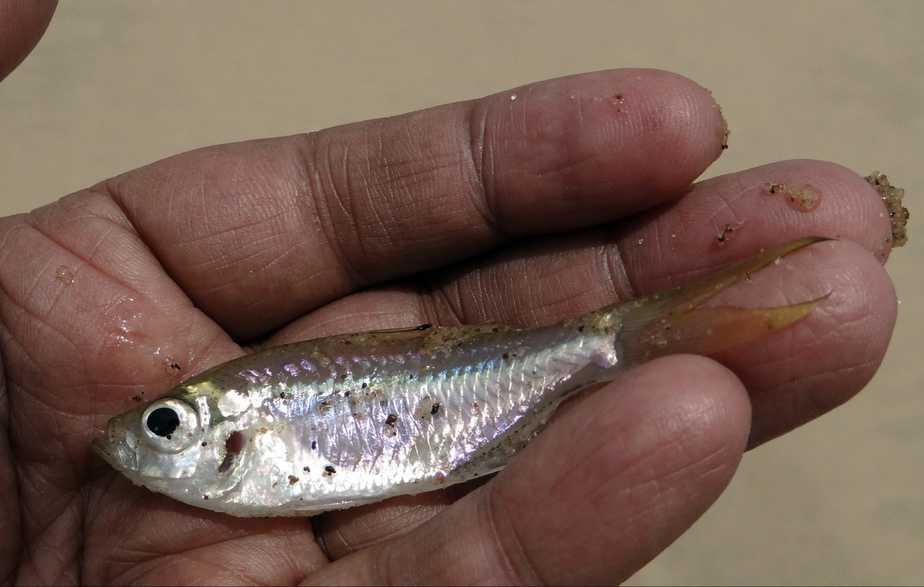
    When your favorite fishing spot encounters rain, you will have runoff, which is rain that hits land and then washes off into the water. Characterized by the excess amount of water that you see in the lake, you will notice this extra water first of all simply because of the excess gravity. Although some runoff will simply just seep into the ground, other portions of the runoff will be in the form of excess water. Besides the fact that this runoff is an important part of the water cycle, it also helps a variety of life forms. To put it mildly, if you have runoff in your favorite fishing spot, you will have extra nutrients. These extra nutrients will attract baitfish, and now let us illustrate an important truth for some of you bass fishing beginners: in the aquatic world, the big fish will eat the little fish. Thus, the beauty of this runoff is that to a certain degree it will do the work of bait for you. The runoff will attract minnows, shad, madtoms, hellgrammites, and many other smaller fish types, and that in turn will make the bass come running.

    Are you seriously looking turn your hobby into a business? I recommend joining Income School. I’ve been an Income School member for a little over a year and joining was the best decision I’ve made in working toward my business goal of making money online.

    Of course, you also have to understand the nature of runoff in the first place. Water runoff into a lake or river will usually not occur unless there has been a torrential amount of rainfall. Indeed, the amount of rain will determine the exact size of the runoff and how long it lasts. Moreover, if there has been enough rain, you can definitely expect the runoff in the waterway to last as long as a few days.

    If you notice that your fishing spot is encountering plenty of runoff, that usually means that you should investigate other spots of the lake as well just to get the big picture. You see, the places with the heaviest runoff will also often have the hardest current. Where there is current, there is a greater likelihood of encountering bass, simply because they love the current.

    Another characteristic of runoff you should be aware of would be changes in water clarity. This common water runoff byproduct happens just after the runoff mixes with the ordinary water. Believe it or not, this is actually an awesome thing, simply because of the fact that it is an easy tip-off to you that yes, there is some run-off occurring in this particular area. Moreover, it usually means that there are going to be some worms and grubs that will begin feeding on the associated microorganisms and minerals that are now present in this water. However, that isn’t the only thing that occurs. Obviously, these grubs and worms will attract the baitfish, and that in turn will attract the bass that you are just itching to catch.

    While there is no question that fisheries receive a lot of benefits from this water runoff, it is also up to you to fully understand what type of runoff it is. Yes, there are some runoff types that can be detrimental to your bass fishing activities. You need to know if the runoff is from melting snow or a colder type of rain, because this can negatively affect the metabolism of the bass. They will naturally seek out warmer water, thus making this particular spot not so good as a fishing location for them. If this is the type of runoff you are encountering, it is probably best for you to head to the main part of the lake in order to try your bass fishing luck.

    Play to the aggressive personality of the bass.

    The one thing that sets bass apart from other fish would have to be the fact that they have a very aggressive personality. On a rainy afternoon of bass fishing, you absolutely need to keep that in mind. Largemouth bass in particular are very aggressive, and they are extremely opportunistic when it comes to their feeding habits. Many anglers have found largemouths with frogs, crayfish, small mice, snakes, crayfish, and even birds within their mouths. But, what does the fact that bass are aggressive have to do with you fishing for them in the rain? Quite a bit, actually. First of all, they are going to be feeling like a kid in a candy store when they are in a waterway that has a lot of rainfall. This means that you probably won’t have as much luck if you try to fish for bass in the same spot that you always go for. In rainfall, they will be much more finicky and they will have more of a tendency to move on. That’s why you too have to keep moving around, simply because the bass will literally be acting like a big huge football defensive lineman at a restaurant buffet line.

    If you have social media or a blog or even a business in fishing like a fishing guide, you can make money by giving away $10 store credit to your friends and followers. Click Here to find out how

    Yet another reason why you need to move around a lot more when you are bass fishing in the rain is because these creatures will often have a designated travel route they will take in order to get to the baitfish. If you move around the waterway, you will have a better chance of determining where the travel route of the bass is, hence a greater chance of catching them while they are on their journey.

    This is also a situation where you will need to present your bait much quicker than normal. The bass will not stay in one spot as long as they normally do, so introduce it into the water as quickly as possible. Using a spinnerbait is still a good activity during this time, but make sure that you speed it up or simply just troll the top of the water.

    Now is as good a time as any to take up topwater fishing.

    Remember how I just said that bass are much more aggressive during this time period? Well, this is definitely true if you are attempting to fish during a downpour, and this is a great time for you to cut your teeth on topwater fishing. Bass can get so incredibly aggressive during one of these downpours that they are literally jumping from the water. Thus, this type of fishing can be defined as the simple act of attempting to entice a bass that is literally jumping out of the water right before your very eyes. Simply put, you throw out your topwater lure and it will often vanish almost instantly, and you will immediately feel a tug on your line. If you have elected to go with a topwater fishing strategy during this rainy time period, here are a few tips you should keep in mind:

    Keep the docks in mind.

    One of the first things you want to do if you are engaged in topwater fishing is to orient your lures near the docks of your fishing spots. This is because the docks are often a favorite place for male bass to hide after spawning in order to protect their female mate’s eggs. Thus, if you position your lure as closely as possible to the shadiest parts of the dock, then chances are you just might have some luck catching a high-quality bass.

    Watch the speed of your lure.

    Working a topwater lure is entirely contingent on the temperature of the water. A good rule of thumb is that the cooler the water temperature might be, the slower your retrieve on your lure should be. If you take it slow, you might have a shot at catching bass on their specific path.

    Don’t hesitate to make a bit of noise with your bait.

    If there is some wind accompanying the rain, then you are more likely to have more luck if you use a noisy bait such as a chugger type or one with a propeller such as a buzzbait. These baits are easier for the bass to notice, especially in the choppy waters.

    Work your lure at a steady pace.

    When you notice a bass giving chase to your topwater lure, that is the time for you to work your lure at a rate as steady as possible. If you stop the retrieve, your target fish might turn away from your lure. You definitely have to be smart in this case.

    Cast your line out long and deep.

    One of the keys to solid bass fishing in the rain if you still have a clear lake would be to cast your line out as long as possible. You can use a braided line if you have working plugs and are driving them along the surface. The no-stretch quality of a braided line will make the hook better if you have a bass striking your line from a long distance away.

    Consider using spinners.

    In rainy bass fishing weather, spinners can basically be your best friend. These spinners are a very versatile type of bait indeed. They are very popular among bass fisherman because they possess a smooth and flowing movement which fools the fish into thinking they are a baitfish. Within the rain, these spinner baits work even better because they will reflect any light that they have. This makes them an incredible asset for you during those rainy days when the water is murky. They should always be matched up with a good topwater lure and you will have a combination that is just about unbeatable.

    You will need to spread out.

    Again, we cannot emphasize this enough: if you want to catch plenty of bass during a rainy time period, you are going to have to spread out as much as possible. Naturally, there are a lot of old-timers out there that think they can outsmart the bass, and they actually take pride in it. These individuals will definitely stick to one spot, even in the rain. However, this new generation of bass fishermen realizes that the bass will be going crazy during a rainstorm, so they will move around instead. You might as well go with what works, and if the bass are moving, well, then you need to be moving around as well. You should work really hard at “beating them at their own game”, so to speak. In the rain, the fish will be moving because they will want to eat, so play the game with them and you will catch them MUCH more often.

    Following these tips will help you catch more of that wonderful bass in the rain. It is definitely worth getting a bit wet if you are going to be catching more bass!

    Hey FISHMONGER – make sure to check out my FISHING RESOURCES page.

  • Are Bass Easy To Catch

    Are Bass Easy To Catch

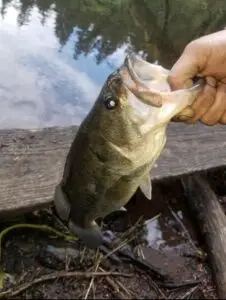
    I live in North America, where bass is the most popular game fish. Since I knew I would be out on the lake a ton this summer, I wanted to know how difficult it really was to catch some bass. So, I dove deep into my research and reeled out the real answers.

    So, are bass easy to catch? The answer is that it can be, and this depends on a wide range of variables. You should take into consideration where you’re fishing, what time of year it is, what bait you’re using, and what size of bass you’re looking for. Relatively speaking though, because bass are so predatory, it does make them easier to catch. Continue reading to increase your chances of catching one.

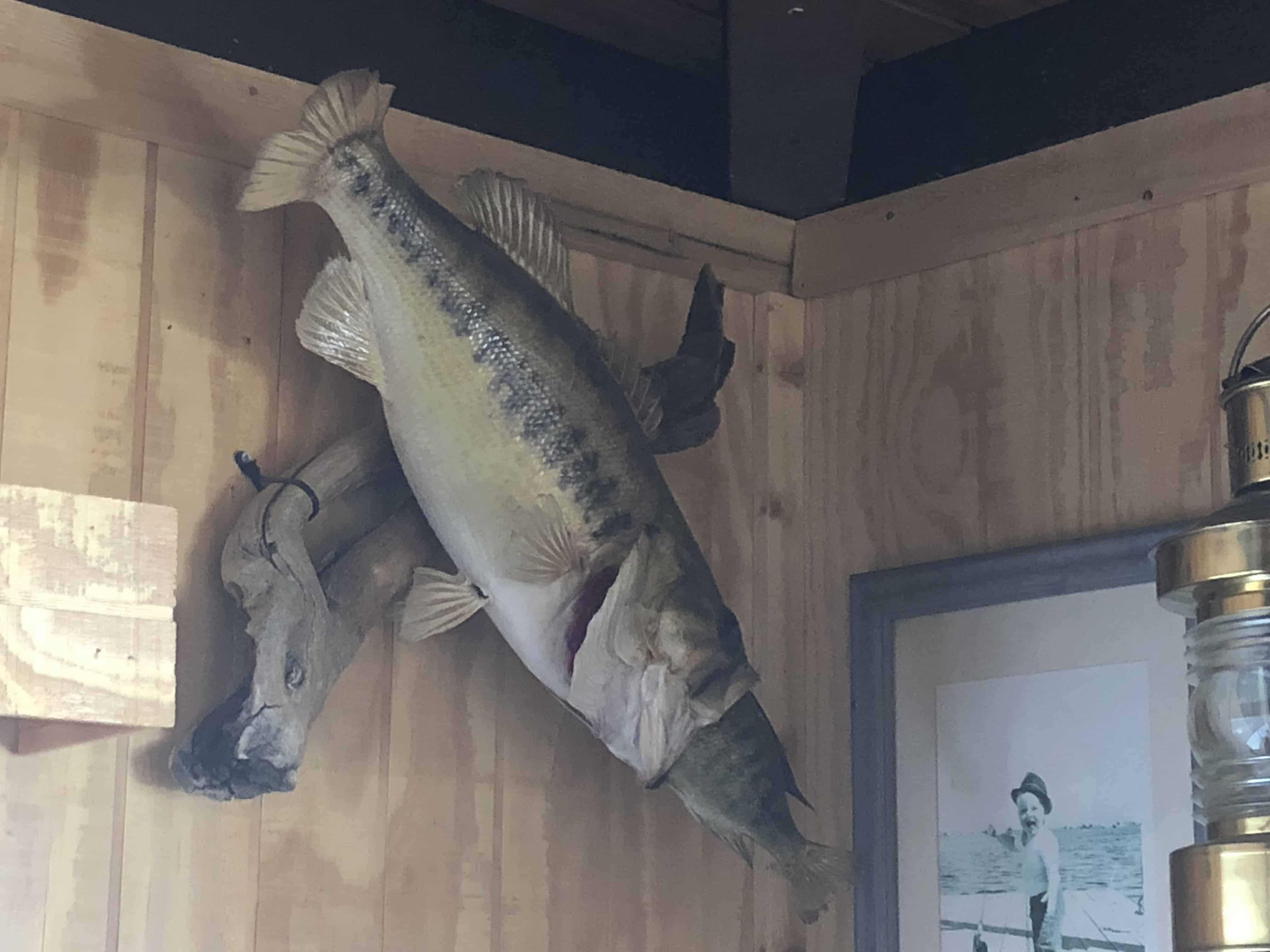
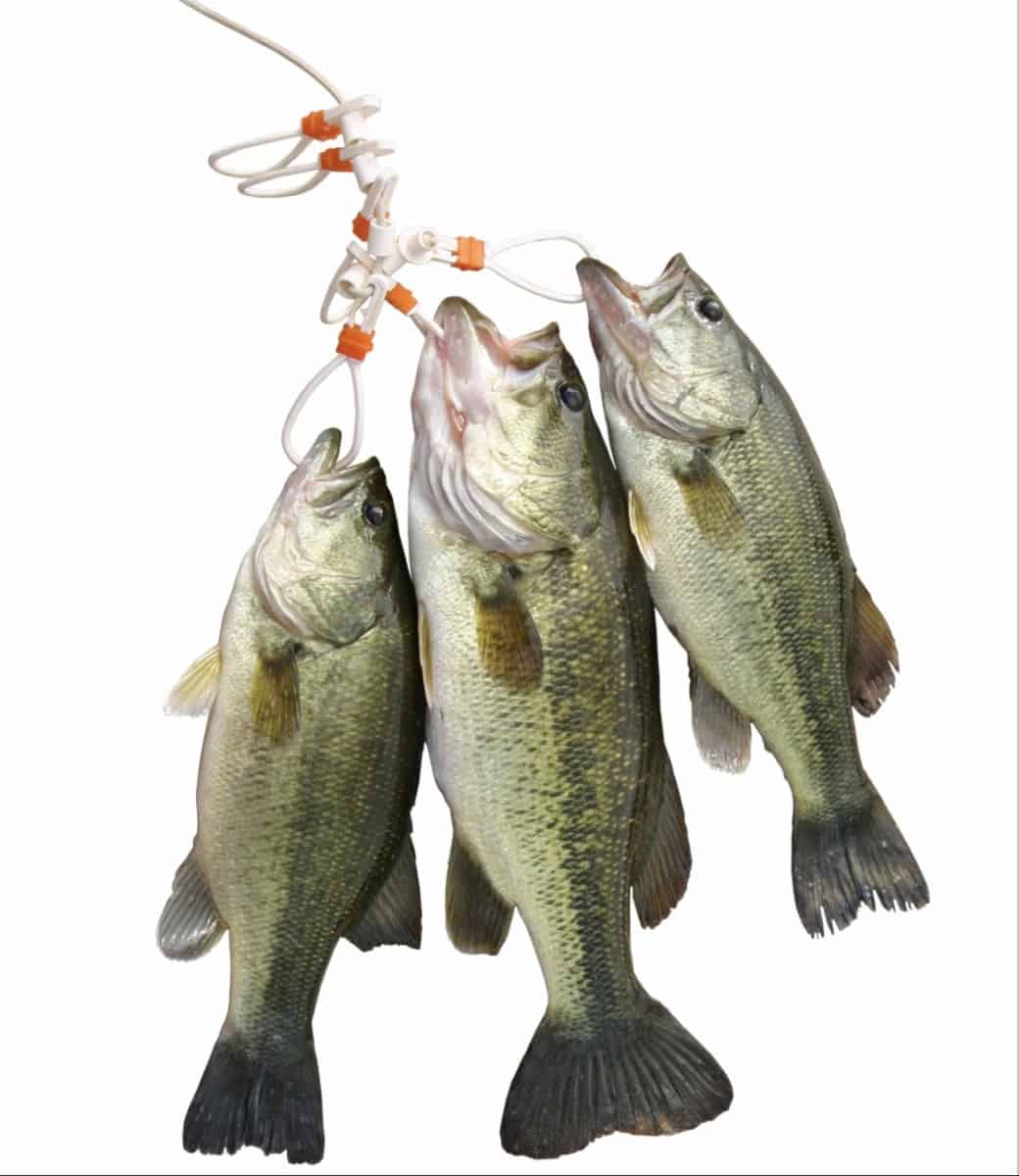
    Bass photo by @Andrew Lindsey Fishing Spots App

    Fishing for bass is surprisingly a much more intricate and strategic affair that I had initially thought. While a lot of it is within our control, there is a strong element of luck involved.

    The Level of Difficulty in Catching Bass

    Let’s face it: catching bass can be tough. While there isn’t a one-size-fits-all answer, there are a multitude of factors to be considered and techniques that can be utilized to maximize your chances of finding bass. Firstly, if you find cover, you’ll likely find bass. Bass love to roam in cover since it helps them to easier ambush their prey – this includes rock, wood, boat docks, grass, lily pads and more.

    Secondly, bass eat different live prey depending on their ecosystem. Make sure your lure imitates the type of forage that the bass in your local waters are feeding on. This means that you need to do your homework beforehand.

    To be effective in catching bass, you need to be versatile. Depending on the season and the location, your circumstances when fishing can vary greatly, so you shouldn’t get too comfortable with one technique. Keep changing your locations and getting accustomed to different fishing conditions, and you will be more skilled in catching bass easily.

    You also need to understand how the weather plays a part in fishing for bass. Weather conditions have a dramatic effect on bass behavior, and it’s a key factor in becoming a great bass angler. Cloudy days are ideal for bass fishing, since bass tend to be more active and willing to hunt for prey, thus exposing themselves. Also, windy days stimulate bass to bite, which can help you in your endeavor.

    Finding the Right Equipment

    The first thing you should make sure you have is the right lure. The three main types of lures that are best for catching bass are crank baits, spinner baits, and plastic worms. You can use any of these successfully at any time of the year, but one conscious choice you will have to make is the choice in color. Usually, you should have two of each lure in your tackle box: one in a natural color, and one in a vibrant color.

    Crank bait are tiny lures that look like small, live fish. There are two hooks, with three points each for each lure – one at the tail, and one under the belly. They also have a flat plastic area on the lip of the fish. Spinner baits have two main parts – one arm that has large, curved metal blades, while the other arm is the same length, but with a hook on the end. Sometimes, the hook is covered in a plastic wig that hides the hook or hooks. The spinner arms are often also shaped like a fish, making them look like the crank fish. If you want to fool the fish into thinking the bait is injured, be sure to use a spinner bait with a red or pink head. This works particularly well in shallow cover, around wood, stumps or clumps of grass.

    Plastic worms look like large earthworms and have a hook embedded into them. They’re effective, as the fish is hooked as soon as they try to eat the worm, but requires more patience. A pro tip from professional anglers is to save the plastic worms that have gotten torn up from prior fishing trips. Bass like to ambush wounded prey, so a beaten worm is perfect to attract bass, especially in shallow water.

    Alternatively, if you don’t want to use lures, you can also use live bait to trap your bass. Some common types of live bait to use are worms, minnows or crawfish. Worms are easiest, since you can keep them refrigerated in dirt if you don’t use them all in one trip. They’re also easy to keep and carry around. Crawfish and minnows are harder to handle because you must keep them in a water bucket while you fish. If you’re going to use minnows, bass prefer the shinier ones, and ones of the creek variety. Alternatively, you can use frogs, insects or salamanders.

    Next, you can pick from two preferred reels for bass fishing. The main difference between the two is the level of experience needed by the person doing the fishing. A more experienced fisherman can use a spinning reel, also known as an open-faced reel, since it requires more dexterity to maneuver. A spin cast reel, also known as a closed face reel can be used by a beginner, since it doesn’t demand any advanced moves.

    The power of a rod is its weight capacity, and it’s usually indicated on the side of the rod. If you plan on catching larger bass, you need to rod with medium to medium light power. If you’re catching smaller bass, you just need a rod with lighter power.

    Choosing When and Where to Fish

    It’s widely agreed among the fishing community that the best time to fish for bass is during the pre-spawn. This is when fish are waking up from the winter inactivity to start the mating cycle. To start, the water temperature will begin to rise to about 55 or 60 degrees, and the males and females will rise within the waters to interact with each other. Due to them being dormant for so many of the colder months, they generally emerge quite angry and aggressive during the pre-spawn. This pre-spawn period usually falls around the early spring, and lasts the whole season.

    During pre-spawn, you can catch bass closer to the shore, and closer to the surface of the water. However, remember that if you catch a female during this period, you should let her go so she can next and populate the water with more bass.

    No matter the season you end up fishing for bass in, be sure to use a map to strategically plan where you’ll be fishing. Proper maps will show you the depths of waters in different areas, and will point out drop-offs under the surface of the water. Since bass typically lurk near the bottom during non-peak times, it’s good to linger in these areas, especially during pre-spawn.

    Further, it’s important to consider the time of day when it comes to searching for bass. The best time of day to catch bass is in the early hours of the morning and the last few hours of the day. The bass is more at ease with biting when the sun isn’t overhead, so getting to it either an hour before sunrise or after sunset is always a good idea. Bass don’t like direct sunlight, so look for shaded areas if you’re there during the day – anywhere away from extreme light and heat. They also like to be near areas that are covered, so you can fish near objects, vegetation or obstructions in the water, like a fallen stump or tree in the water. Of course, you’ll have to be more careful that your lures or hooks don’t get stuck on these objects.

    A trick to getting under docks and other structures is to stop halfway instead of following through when casting your bait. This makes the lure hit the surface of the water a few feet ahead of your target, sending the lure skittering across the water.

    The ideal weather condition is a cloudy day with a light breeze as this allows fish to roam and get comfortable cruising up to shallower depths, and feeding on anything in their paths. These conditions are ideal for fishing top water baits over vegetation, rocky points, or a big sand flat. This could very well be one of the most exciting ways to catch bass, since you can see everything as it happens.

    If the sun gets high on a warm day, the smallmouth bass will push down to deeper water. In this case, the best thing to do is to toss a tube out and let it sink to the bottom, slowly dragging it back to the boat. If you get a bite and the tube slows down, you can use the drop shot technique to put more fish in the boat. However, it’s important to remember that smallmouth can still be in shallow water, and a wacky rigged bait placed near a dock, tree, or vegetation will entice anything nearby to come out and eat. In short, this technique catches fish…not necessarily bass.

    Now on the other hand, largemouth bass can be easier to track at times, with a high sun. They become easier to pattern as they gravitate towards vegetation with overhanging cover like lily pads, eel grass, arrowheads, and the like. You can bait it up close and personal, by putting your bait in the fish’s face. If you drop it near them, a bite will come quickly, so you’ll have to be ready to set the hook and get your fish out.

    On windy days where boat control can be difficult, head over to a wind-blown point, shoreline, or shoal and set yourself up facing into the wind. The wind acts like a current, delivering bait to the fish who are waiting for an easy meal. Your aim should be to bring your bait right into their faces.

    Another thing to consider is how to find the right location to fish, having considered what size bass you’re tracking. If you want to learn how to catch bass, the first thing you need to know is how to locate the ideal habitat for this warm water fish species. Largemouth bass will more likely be found in shallower areas of freshwater ponds, lakes, reservoirs, and slow-moving rivers that contain some type of cover in the form of vegetation, brush, trees, or structure. One of the key largemouth bass fishing tips to remember is that you’re more likely to find these fish close to cover. Regardless of whether you are fishing from the shoreline or from a boat, you should gravitate towards any submerged trees, vegetation, docks, bridges, or changes in bottom depth. Just as when learning how to fish for any other species, finding spots that offer cover or structure is a good first step.

    Learning the Proper Techniques

    If you decide to catch bass with crank bait, you’re tricking the bass into striking, since your bait holds the appearance of injured, weak fish in the water. To use the crank bait, decorate your line with lure and cast your pole into the lake. If you are fishing in a calmer body of water, make sure you’re using steady, even pulls and reels with the bait to mimic a live fish. If it’s windy or the waters are choppy, switch between fast and slow reeling.

    Spinner baits have bright, spinning blades that attract the attentions of bass and pulls them close, since the movement bothers them. The problem with spinner baits is that bass often bite at the blades instead of the hook, making it more difficult and time-consuming to hook a bass.

    Using a worm for bait is probably the easiest of all methods, since all you need to do is cast your worm-adorned line into the water, and let it sink to the bottom while you wait. You don’t need to do anything else, except be sure to add weight to your worm to ensure it sinks down to the bottom.

    Bass are extremely attracted to live prey. If you want to hook the fish with live bait, the best technique is to constantly move around your line to mimic the live fish, worm or frog. Since your bait is either completely dead or almost there, you need to either keep reeling your pole either in and out or back and forth.

    Bass have boney jaws, so be sure to sharpen your hooks, to better penetrate the fish. Also, once you catch your first bass and put it in the livewell, you can see what it was feeding on. Bass are known for spitting up what they were eating, which will help you to decide which lure to cast for the rest of the day.

    Of course, this wouldn’t be a complete article on how to catch bass without discussing the drop shot rig. You can fish drop shot rigs in any type of water, including deep waters, shallow waters, and all in between. A drop shot rig consists of line tied to a hook with a trailing leader that comes to an end with a weight, so that the weight is at the bottom and the hook and bait are above it. While you have the option to choose from many hooks, weights, and bait options for your drop shot rig, we’ll only be discussing a general set-up.

    Since the drop shot rig is a delicate technique, you’ll need to choose a light line with low visibility. You can use fluorocarbon in 6-8 lbs., or a lighter braided light with a 2-foot fluorocarbon leader – both are great choices. Next, you need to a split shot or drop shot hook, preferably size 1-1/O. These are perfect for finesse fishing and most companies have good drop shot hooks to choose from. These are generally great for close range baiting, providing the most action and natural motion. Most drop shot weights possess a crimped swivel that makes it easy to clip onto your line, but weights from 1/8 oz. to ¼ oz. that you can tie on will also work, but use your own discretion. It depends on the roughness of the water and other variables.

    Nose hooking the bait is a good way to start, but you can also do wacky rigging or Texas rigging with a straight shank or wide gap hook. Firstly, you’ll need to take the drop shot hook in between your fingers and put the line through the top of the hook eyelet, and then pull it through enough that you will have at least a foot or more tag end to make a leader. After you have enough line, you should make a loop with it and thread the line back through the bottom of the hook. While holding the loop on the bottom side of the hook and leaving a longer tag end on the top side, you should make a single knot with the loop and take it over the front of the hook, giving you the makings of a knot. Next, you should wet the line with saliva and cinch it tight, leaving you with a tag end. With that end, you will next take it through the top of the hook and pull it tight to cinch the hook straight on the line. Then, just put your weight on the line by clipping it on the tag end or tie it if necessary. Once you’ve done all that, you have a drop shot rig!

    If you pair the best early season bass lures with the best fishing techniques, you can hook a bass no matter where they are hiding. If you’re heading out to do some bass fishing, a little extra help never hurt. Here are a few more early spring bass fishing tips to set you up for success this season:

    • Cast for repeat results: One of the best tips for early spring bass fishing success is to keep note and pay close attention to what is working for you and what is not. Since bass behavior changes often with the fluctuating weather and temperature in spring, each day on the water may call for a different approach. Once you find a technique that wins you a bite, repeat the same cast and retrieve to catch a few more – but never get too comfortable, as there are many factors at play.
    • Fish out the area: Bass usually congregate in the same areas in spring — meaning if you catch one, you may catch a dozen more in the same spot. After your first catch, continue casting in the same area. If you do not get a second bite, try different angles in the same area before moving to a new spot.
    • Pay attention to water conditions: The constant change in spring weather can make it a challenge to locate bass. However, by paying close attention to the water conditions, you can find bass more quickly on each subsequent spring fishing trip. Once you find an area where bass is congregating, take a mental note of the water color, depth, temperature and bottom conditions. Consider the location of the ridge or point relative to channels and flats. This information and data will help you track down bass more quickly next time!
    • Watch for birds: When fishing with jerkbaits or crankbaits, watch for areas where birds are diving to catch dying baitfish. These will often be spots where hungry bass are also congregating and where jerkbaits and crankbaits will be most effective.
    • Use the wind to your advantage: On spring days when the water is clear, bass can see your bait more clearly and be more cautious with regards to biting. On the positive side, wind can help to disturb the surface of the water to attract bass better. If you are not getting any bites on a clear lake, try again when the wind picks up.
    • Fish the mudlines: If you are having trouble locating bass on a spring day, you should look for mudlines created by wind and waves. Bass will often hide along the edges of mudlines where they have the advantage over baitfish which are drawn there to feed on plankton. You can benefit from using brightly colored lures, drag your line across a mudline from the muddy water into the clear water. Bass will usually strike just as the bait emerges.

    With the right techniques and a little bit of luck, you can reel in a big bass to start the season right.

    At the end of the day, fishing is like any other sport – the more you practice, the better you get. Keep learning and keep fishing!

    Related Questions

    Where should I hook the live bait? The most popular place to hook them is in the middle of the side, towards the top. This allows them to swim around more easily when submerged. Keep in mind that you should be careful not to puncture the swim bladder.

    What pound of line do I need to catch bass? For larger fish, I will usually try and hit 10 lbs. Since in bass habitat you’ll generally find a ton of lily pads or other vegetation, so you need to make sure that your line is strong enough to get the fish through those weed structures.

    How much of it is attributable to luck? In an investigation which spanned more than 20 years, researchers at the University of Illinois offered an explanation as to why fishing success in certain lakes varies from year to year. The simplest explanation of the results of the investigation is that some bass is just easier to catch than others, and that there is a vulnerability trait can be passed onto their offspring. In short, once all the easy fish are caught, only the tougher fish and/or their progeny remain.

    Four years after the start of the research project, the lake was drained and approximately 1,700 fish were collected – 200 of which had never been caught before. The bass was then sorted, and the 200 were designated as Low Vulnerability (LV) bass and released, since they were not prone to being caught. Those caught four or more times were designated as High Vulnerability (HV) fish and released into different ponds to spawn. The progeny of the two lines were then marked and released into common ponds; this process was repeated for several generations over 20 years.

    It was found that the offspring of HV fish were easier to catch than the offspring of LV bass, even after generations of breeding. With bass, females lay the eggs but leave the caregiving to the males, which guard the nest and stay with the offspring for 8 to 10 days after they hatch. If a male happens to be an HV parent, it’s not surprising if they take off from the nest site, leaving offspring vulnerable to predators. Meanwhile, nests guarded by LV males, which are better at resisting lures, remain intact, and their progeny maturing into fish that are good at resisting baits. That’s the luck factor that plays a part in bass fishing, so be sure to keep track of where the HV bass are!

  • Best Fish To Catch And Eat

    Best Fish To Catch And Eat

    Part of the joy of fishing is the ability to eat what you catch. When you know the hard work that went into landing the fish, you will appreciate the flavors even more.

    So, what are the best fish to catch and eat? There are dozens of species that you will be able to enjoy. However, some of the most prized include salmon, walleye, perch, and catfish. It’s best to check what’s available in your local area when deciding what species to target.

    However, catching the fish is just the first step. You also need to make sure that you can make sure that it’s safe to eat and prepare the fish safely.

    What Are The Best Species To Catch And Eat?

    There are dozens of species that will be perfect for you to eat. For example, many fishermen enjoy salmon, walleye, perch, catfish, and rainbow trout. Often, the best fish for you to catch and eat will depend on your local area and the type of species that are available.

    Though there are hundreds of fish species available, many fishermen prefer to focus their efforts on landing a few prized species. Let’s take a quick look at some of the most popular species.

    Salmon

    Salmon is widely regarded as one of the tastiest types of fish, appearing on menus around the world. It’s also widely available in stores. However, to get the best possible flavor, it’s often recommended that you catch the fish yourself.

    There are many different types of salmon, depending on where in the world you are fishing. Each of these tends to be good to catch and eat. For example, you might have King Salmon in the area. These fish tend to have a lot of fat. In other cases, you might want to try to get the Coho, which has a very distinctive color and flavor.

    Walleye

    This is another highly sought-after freshwater fish. This is because it offers a sweet taste. When cooked properly, this fish will often melt in your mouth. Also, compared to other fish species, there often won’t be many bones for you to contend with, making this fish easy to prepare.

    Perch

    Another common type of fish to catch and eat is the perch. This can be seen through their increased use in aquaculture. When cooked, they have a sweet, flaky flavor. They are also relatively high in fat and low in protein.

    There are many different perch options for you to explore. For example, white perch are often considered the best to catch and eat. However, the yellow perch is easier to land and will also provide a delicious dish. The only downside is that they tend to be smaller fish, so you might need to catch a couple to form a meal.

    Catfish

    Another prized fish species is the catfish. There are a few reasons why this type of fish is so popular. First, they tend to be easy to catch. In some cases, you might be able to land one when fishing from the beach.

    Another reason why they are so popular is because of the amount of meat that the catfish contains. These can be one of the largest types of fish, with one catfish providing a lot of meat.

    Rainbow Trout

    Finally, some people might prefer to try to catch and eat the rainbow trout. This type of fish is known for being easy for you to catch. Many people have been able to land one when fishing from the shore.

    Like the perch, these are widely used in aquaculture. Because of this, you’ll often be able to find a rainbow trout in most stores. This gives you the perfect chance to practice your recipes, so you’ll be able to prepare and cook your fish perfectly.

    Comparison Table For The Most Popular Species

    To make it easier for you to compare the different species to catch and eat, we created this simple data table.

    Fish Species Average Size Location Where Found Average Weight
    Salmon Between 58 to 120cm, depending on the species. North Atlantic and Pacific Oceans. It’s also found in North America, around the Great Lakes. Between 4.2 to 34kg, depending on the species.
    Walleye Around 80cm Canada and the northern United States Around 13kg
    Perch Between 10 to 25cm Throughout North America, Canada, and in the Atlantic and Arctic Oceans Around 1.1kg
    Catfish Between 30.4 to 61 centimeters, though certain species have been known to be much larger, reaching 2 meters. North America, Europe, Australia, New Guinea, and Madagascar. Between 1.3 to 37kg, depending on the species
    Rainbow Trout Around 40cm North America, South America, Australia, South Europe, and New Zealand. Between 2.3 to 9kg.

    It should be noted that the above table is based on general estimates about the fish populations. There are many factors, like the habitat, which can affect the fish size and weight. For this reason, you might want to seek more specific advice about populations in your area.

    Also, while these are some of the most popular eating fish, they aren’t the only ones that you can try. For example, tuna, mackerel, and barracuda are all very popular choices.

    How Can I Find Which Fish Are In My Local Area?

    Where you live will often impact on the type of fish species that you will be able to catch. In most cases, you’ll be able to find a guidebook that lists some of the most popular types of fish that can be found in your local area. In other cases, you might want to hook up with other local fishermen.

    As we’ve seen, there are dozens of different fish species to catch and eat. However, they might not be available in your local area. To solve this problem, you might want to try to purchase a local guidebook. Often, this will outline some of the most popular types of fish that you can find in your area, and where you should be fishing for them.

    There are also several popular fishing magazines for you to check out. These can often provide lots of great tips, and tell you more about the latest products available on the market.

    If you can’t find any guidebooks, you can try talking to other local fishermen. There a few ways you can do this. For example, you can visit a local fish market, to see the kinds of catches that other people are making. In some cases, the professional fishermen might even be able to suggest some spots for you to check out.

    You might also want to check out some online forums. These can be great spaces for fishermen to meet and exchange tips. They might also be able to give you some excellent tips to improve your technique.

    However, the best way for you to catch a fish is by relying on your personal experience. Get out on the water, and try to see what fish are in your local area. The more often you can fish, the more your skills will grow, giving you the best possible chance of landing the fish.

    Can I Legally Keep The Fish I Catch?

    This often depends on the size and sex of the fish. In some states, you might need to have a license before you will be able to fish for certain species. You might also have to follow a catch limit. It’s best to check your local state guidelines.

    In order to protect local fish populations from overfishing, it’s common for states to put some regulations in place. These will often change the way that you will need to fish.

    One of the most common restrictions is limiting the size of your catch. For the fish to be considered legal, it’ll need to be a certain length. To make sure that your fish meets the guidelines, measure it carefully. If it isn’t long enough, you’ll need to release it.

    Another common restriction is limiting the number of fish you will be able to catch each day. For example, you might only be allowed to catch three salmon per day, to conserve the population.

    You should also be aware that some states might require that you have a license before you start fishing. If this is the case, you’ll need to make sure that you registered and have paid the fee, before you head out on the water.

    These regulations vary significantly from state to state. Because of this, you should make sure that you check your local rules before you start planning your trip. Penalties for breaking these rules can include fines and, in serious cases, jail time.

    How Do I Know If A Fish Is Safe To Eat?

    While there are many types of fish species that are safe to consume, there are others that may be poisonous. When fishing, it can be very difficult to tell the potentially dangerous fish from the safer species. As a general rule, you might want to try and avoid anything that has a spiky spine or is brightly colored. You should also opt for smaller fish, rather than the bigger ones.

    There are a few ways for you to spot a potentially venomous fish. The first thing to consider is where you caught the fish from. Most venomous species tend to be found in shallower waters. Another potentially dangerous area the reef, with many of these species being poisonous.

    You might also want to look at the coloring. Bright colors can sometimes indicate a warning to predators, warning them that species is poisonous. In other cases, dull colors might indicate that the fish eats plankton. If this is the case, eating them could be potentially harmful.

    Another potential warning sign that the fish could be dangerous is spikes along the spine. This is often a defense mechanism, to try and stop predators from attacking. The spikes can make the fish harder to handle, sometimes causing you to cut yourself. You might want to take along a pair of gloves for this purpose, so you don’t cut yourself when releasing the fish.

    You should also try to avoid pufferfish. These can be dangerous if eaten. In some cases, they might also contain spikes around the body, which have the potential to cut your skin.

    Finally, before you head out on your trip, take the time to familiarize yourself with the local species. This will allow you to spot which ones could be dangerous. If you are unsure about any fish species, it’s safest to avoid eating them.

    In most cases, you will need to remove the hook and throw the fish back. However, there are other times where you might be legally obligated to catch and kill the species. This is most common if the species is invasive, and the government is trying to stop the spread. Check the local regulations, to see if this applies.

    How Can I Avoid Mercury Poisoning When Cooking Fish?

    It’s impossible for you to detect a fish that has high levels of mercury without getting it scientifically tested. For this reason, it’s recommended that you avoid eating larger fish species, as these will often contain the highest mercury levels.

    Sadly, mercury poisoning has become a bigger problem. Often, it’s caused by environmental degradation, with the potentially dangerous chemical working its way through the ecosystem.

    In most cases, you can eat fish with low levels of mercury without any problems. However, as the mercury levels rise, so does the risk. In some cases, this has been linked with brain development issues in children. For this reason, pregnant women and children under six tend to be at the highest risk for mercury poisoning.

    To try to limit the amount of mercury you ingest, you should try to stick to smaller fish. These tend to have lower amounts of mercury. There are also some species of fish that you might want to avoid entirely. For example, you might want to avoid king mackerel, shark, marlin, and tuna, as these tend to have the highest mercury levels.

    However, your best defense is to try and eat a more varied diet, instead of relying solely on seafood. In most cases, you can eat fish once or twice a week without any negative consequences.

    How To Prepare Your Fish For Eating?

    Once you’ve caught your fish, you will need to start prepping it for eating. The first thing that you need to do is clean your fish and remove the scales. Then, you’ll need to gut the fish and remove the bones. Once this is done, you’ll be able to cook the fish and serve it.

    For many people, the process of catching and preparing fish is one of the most difficult things to do. Thankfully, this doesn’t need to be the case.

    Let’s take a closer look at the basics that you need to know to prepare your fish.

    How To Scale A Fish?

    When preparing a fish, the first thing that you need to do is clean and scale it. To scale a fish, you will need to run a knife along the fish. This will remove the scales. Once you’ve fished, wash the fish under water, to make sure that all the scales are off.

    Once you catch your fish, you should try to keep it on ice. This will ensure that it will stay fresh, preserving all the flavor for when you decide to cook it.

    When you are ready to start the cooking process, you’ll need to scale the fish. Though you can purchase specialized tools to help you with this, you will be able to use a simple knife. To scale, scrape the knife along the outside of the fish, keeping the blade at an angle.

    As you do this, you’ll notice that the scales are coming off. You should be a little more careful around the fins, as these can be very sensitive.

    When you have finished scaling the fish, make sure to run it under water. This will make it easy for you to spot any areas that haven’t been scaled properly.

    How To Gut My Fish?

    Once you’ve finished scaling, you can move to the gutting process. To do this, you’ll need to cut through the mid-section, running from the lower vent of the fish to the top of the gills. Once done, you should be able to stick your fingers into the cut and remove the guts from the fish. Then, you can remove the gills.

    Often, gutting the fish is one of the most complex parts of the cooking process. First, you will need to make sure that you have a sharp filleting knife. This will make it easier for you to cut through the fish.

    The first cut that you’ll need to make is between the lower vent and the gills. To make it easier to find these locations, you might want to place the fish on its side. The vent should be closer to the tail and might be a small hole.

    Once located, insert the fillet knife, and start to cut your way up the fish. Try to make this cut as straight as possible. When you reach the gills, near the head of the fish, you can remove the knife. Don’t be worried if you encounter any bones. We’ll discuss how to remove these later.

    After you’ve made the cut, you’ll need to stick your fingers into the cut, to remove all the internal organs. Because this can often get a little messy, you might want to wear gloves. When removing the guts, you want to feel behind the head. You’ll often feel a connection point. Pinching and removing from here, should allow you to remove the guts smoothly. For some larger fish, you might need to use a knife to remove the guts.

    After this stage, you might want to put some water into the cut, washing it out. The next step is to remove the gills. These can often produce an unpleasant flavor when you are eating the fish.

    To do this, you want to feel inside the head of the fish. Often, you will be able to see the gills. For some smaller fish, you should be able to pull the gills out. However, for larger fish, you might need to use a knife or scissors to cut the connection point between the head and the gills.

    How To Remove Bones From Your Fish?

    The final stage in preparing your fish is removing the bones. The best way to do this is by running your fingers along the flesh of fish, feeling for any bones. When you find one, gently work the end of it out of the fish, allowing you to use tweezers to remove it.

    In some places, you might want to leave the pin bones in, while cooking the fish. However, for most people, this isn’t a good idea. If you’re not careful, these small bones can become a choking hazard, sticking in your throat.

    To remove a pin bone, you need to finish cutting through the fish, creating two fillets. Lay them out on the bench, with the spine of the fish facing upwards.

    The next step is to run your fingers along the flesh. You should be able to feel the small bones. When you come across one, using your fingers to gently work the end of it out of the fish. Once it’s sticking up, you can use tweezers to remove it.

    If you’ve skinned the fish, you can run the knife along the spine of the fish. This will bring the bones to the surface, making them easier to remove.

    As you remove the bones, try to apply pressure as evenly as possible. In most cases, the bones won’t be deep in the fish. Because of this, you’ll be able to remove them easily.

    You should run your fingers over the spine a few times, to make sure that you have removed all the bones. Once you’ve done this, you can start preparing the fish to be cooked. If you’re not going to cook it immediately, keep the fish on ice, to help preserve its flavor.

    How Do I Know My Fish Is Cooked?

    The final step of the preparation process is cooking the fish. There are a few methods you can use to cook the fish, from steaming to pan-frying the fish. How long you’ll need to cook the fish for will depend on the size of your catch.

    The way that you cook a fish will often depend on your personal preferences. There are dozens of recipes available online for you to try. There are plenty of cooking methods for you to try. The most important thing is to cook the fish evenly.

    The length of time that you’ll need to cook the fish will depend on the size of your fish. The smaller the fish, the faster it will be for you to cook.

    As a general rule, you might want to follow the 10-minute rule. This states that you’ll need to cook the fish for 10 minutes for every inch of thickness. If, for example, the fish is two inches thick, you’ll need to cook it for 20 minutes.

    There are a few simple ways that you can know that your fish is ready to eat. First, you might want to look at the appearance of the fish. When cooked, it will lose its raw appearance, becoming white.

    You should also use a thermometer to measure the internal temperature of the fish. A safe temperature range is between 140 to 145 degrees Fahrenheit (60-62 degrees Celsius).

    Related Questions

    • How long will fish stay fresh? Once you’ve caught your fish, you want to keep it on ice. This will preserve the flavor and make it last longer. You want to eat it within two days. Once you cook the fish, you’ll often have two to three days before the leftovers start to go off.
    • How can you humanely kill a fish? There are a few options when killing your fish. First, you can give it a hard hit to the head. In most cases, this will kill it instantly. However, for larger fish, you might need to hit it a few times. You can also hit the fish in the head, to stun it, then leave it bleed out. The most important thing to remember is to kill it quickly, so it doesn’t suffer.

    Final Thoughts

    There are dozens of fish species that you can catch and eat. Some of the most prized include; salmon, walleye, perch, catfish, and rainbow trout. However, you will need to check your local area to see what is available and make sure that you are following the fishing rules. When you’ve caught your fish, you’ll need to start preparing it. You can do this by scaling, gutting, removing the bones, and cooking it. Once done, you’ll be able to serve and enjoy the delicious meal.

  • Best Bait for Longnose Gar

    Best Bait for Longnose Gar

    You’ve heard of bass, trout, salmon, walleye, and even bluegill, but there are many other incredibly unique species of fish that you could angle out for. One of the best examples of this would have to be the Longnose Gar. This fish species has largely remained unchanged for the last fifty million years, so you can rest assured that long before you were trying to catch this elusive specimen, there were duck-billed dinosaurs roaming these same banks during the Cretaceous period that were every bit as dumbfounded as you are! Of course, once you’ve (accidentally) caught this captivatingly strange fish, you want to do so again. The problem is that this fish seems to defy all of the rules. But where there’s a will, there’s a way. If you want to have your taken with one of these elusive creatures. you have to understand their habits, their anatomy, and the focus of this article, which will be the best bait you need in order to catch them. Let’s take a look at their anatomy first: 

    Definitely recommend when fishing for gar, use a hook and live bait. Gar will be easiest to catch this way. So what bait to use? Try minnows, goldfish (if legal in your area) or perch. These will give you the best chance at getting a gar.

    Gar literally have the longest nose on a fish you’ve ever seen in your life, hence the name “longnose.” First of all, the longnose gar has a mouth that is very long, narrow, and bony, and my apologies for being a bit tongue-in-cheek here, but the design literally almost resembles a Simpsons character. However, once you get past your laughing and snickering, you start to realize that there is going to be some very unique challenges to catching this fish because of their anatomy. First of all, the longnose doesn’t do well with fish hooks. They literally have to go very deep into this fish’s mouth; otherwise the hook will either break off your line completely or the fish will get away. 

    You also have to take other considerations into account because of this fish’s bony mouth. Namely, their behavior regarding bait is going to be much different as well. One of the things that most fish will do is to immediately strike at the bait that you cast out. However, this is the first area in which you will have to adapt in regards to the longnose gar. For starters, they will treat their bait differently than other fish. Instead of striking at it quickly and suddenly, the longnose gar will bite it and then chew it for an extended period of time. In all honesty, they will usually carry on with this behavior for a surprisingly long period as well. Of course, if you are looking to land some longnose gar, there are other things you should be aware of before we even get into the bait. Consider the following: 

    Naturally, hopefully we have established just how unique the longnose gar is among the long list of fish that you can catch. However, you should be aware of something else regarding the longnose gar: simply put, you need to make your cast count. Consider the following elements: 

    Patience is the key. 

    If you are fishing for breeds such as longnose gar will require you to act according to their terms. They will generally follow most baits you throw at them, but they will take their own sweet time in attacking it. You will need to slow reel in your lure just past their line of vision and let them follow it for several yards. 

    Fish for them by sight. 


    One of the best (read: only) ways to fish for longnose gar would be to fish for them by sight. Thus, when you spot that characteristic long nose on this gar, you should cast your line out just past the dorsal fin of the gar. Moreover, you should use polarized sunglasses when you are out on the water, simply because they will reduce glare and make most images sharper and clearer. Make sure you are constantly scanning your eyes both on the outside of the boat and on the sides of the boat too. 

    Be as accurate as possible with all of your casts. 

    If you specifically target longnose gar, you have to be as accurate as possible. They will usually strike your bait or lure if it is cast out just past the lure of the fish and adjacent to their body. Make sure your bait or lure is at the optimum amount of six to eight inches past the side of the fish. 

    Also, when you throw out your cast, you need to make sure you remember that the longnose gar is a reactive striker. They will usually float quietly while their prey swim by, then they will aim their jaws sideways so they get an easy meal. 

    Best bait for the gar. 

    Now, it’s time for us to get on to the bait. There are several examples of bait that will appeal to longnose gar, and this is definitely a time to get as technical as possible. Consider some of these pointers when selecting the best bait for your next longnose gar trophy picture: 

    Take a good look at your lures. 

    There are several specialized lures that you can use in order to land the perfect longnose gar. First of all, one of the best lures would be the crankbait. These types of lures are normally used for bass, but they can do double-duty quite well for longnose gar. The lures are usually three to four inches in length and ideally they should run just below the surface of the water for maximum effectiveness. Choosing a bright color on one of these lures is an excellent decision; like all other fish longnose gar are absolutely attracted to brightly-colored items. 

    Of course, along these same lines, there are definitely some flipping sticks that you should be aware of as well. Your best option would be to use a 7.5 foot flipping stick if you want to appropriately tackle the gar you come across. This large option for a flipping stick will absolutely be powerful enough to take on these gar, who are well-known not only for their unique anatomy, but also for fighting the lures tooth and nail. Your braid line should be in either the 50-pound or 60-pound bracket; you often can even use these without a leader if you so desire. 

    Other lures you can look at would be the ones that are specially catered just for the longnose gar’s habits and personality. These lures are usually characterized by hookless apparel that will simply get stuck in the teeth of the longnose gar. These lures are usually called “rope flies”, and they most often are homemade; many readily available materials can be pressed into use. 

    One good example of a solid rope fly for a longnose gar would be a design where the rope strands are attached to a hook or jig and then you simply have the hook cut off at the bend as well. You also should attach a rubber-core sinker or a split-shot, making the fly weighted. This gives it the ability to cast much more easily. Another reason why many swear by weighting down the fly is because it will give your rod a more solid up-and-down action, making it much easier to catch fish within the water. 

    Another rope fly you could use would be one that consists of a quarter-inch nylon rope, cut with a center core and having the individual strands unbraided. The nylon strands will usually extend out about twice the length of the fly, and you can put this whole creation through a ring with a threader from one of those sewing machine bobbins. Another advantage to using nylon for your homemade fly is that it will allow you to get creative. You can easily add the color from a permanent marker if you are looking for a fancier shade and for a better way to attract these picky gar. 

    Finally, yet another popular rope fly can be constructed by cutting a 3 to 6-inch piece of nylon rope (preferably 3/8′ in size) and thread it into a hook shank, wrapping it into a jighead, hook, or a spinner bait that you would use in place of a worm. You should fuse this rope together with a flame, making a hook shank. Finally, you should make sure the melted rope is completely covered over by a braided line or thread. You can use epoxy to make the line as durable as possible, allowing for multiple casts into the water. Place the nylon strands at the top of the head of your homemade bait, then you will be off to the races. This bait will be just what the fishing pro ordered, as it will get tangled in the teeth of the gar, impeding its snout and allowing you to reel it in. 

    Hooks 

    Although it is difficult, you can also use hooks for bait when you are fishing for gar. However, because of the gar’s long bony mouth and their lack of flesh, this could prove to be difficult. However, there are ways that you can do it. First of all, you could hook up a baitfish with either a #6 or #2 treble hook set or floating rig. Usually, what will happen is that the gar will grab up this bait sideways and they will take it and try to swim on their merry way. Yet again, this is a situation where patience is the key. You need to wait until the gar tries to follow the bait, then you should proceed to firmly set your hook. You will usually have the best luck with a quick-strike lure or rig consisting of a multiple treble hook. If you are going to throw the fish back, you want to make sure they don’t incur an injury because of your hook. However, this is an easy thing to happen when you are fishing for gar, so many gar anglers avoid hooks entirely. 

    Wire Snares 

    Believe it or not, you also can employ wire snares such as the ones used to catch rabbits for your gar fishing activities. You would start by getting part of a two-foot stainless steel wire and wrapping the end around a barrel swivel. You would utilize the free portion of the wire and put it through a lively baitfish, preferably just above the dorsal fin. Then you should swing the free portion of this wire back toward the swivel portion. Make a loose loop that will slide easily through the leading part. After tying your main line directly toward the swivel, you are now ready to cast your rig into the shallow portion of the water. A gar will usually grab the bait quickly, as this will be accompanied by a firm pull and then the snare will tighten around their beak. 

    Jugs 

    Finally, you can use jugs as a good bait source in order to catch gar as well. If you have ever been in the deep south and came across a piece of PVC pipe or a sturdy branch attached to a large soda bottle, then you have just come across an amateur fisherman’s fishing tools. They will usually have a 2-foot wire attached to the other part of the branch. On the other end, there will be a large hook that is baited with cutbait or livebait. You will often see several fleets of these jugs on a large river on a given night in many parts of the country. After these items are drifted across shallow flats, they will usually attract some of these gar who will proceed to swallow the bait. Immediately after this the angler will grab the pipe or limb and then reel in the fish. 

    Conclusion 

    With a little bit of knowledge, persistence, and trial-and-error, you will definitely find the right bait option for all of your angling needs. There is no question that the longnose gar is a challenging specimen to try to catch, from their long, boney nose to their unusual intelligence. But what these immense amounts of bait options, you will surely find the right option for you. 

  • Are Trout Magnetic

    Are Trout Magnetic

        To most fishermen, a day out on the water doesn’t seem like the time nor the place to make a comparison between two very unlike things, but the truth of the matter is this: humans and trout have a lot more in common than we’d like to admit. We both, as species, can be stubborn at times, we’re both attracted to shiny new things, and, let’s face it, we both spend most of our time around bottom feeders. But today’s focus is not so much about what makes us similar, but about identifying and becoming more aware of the differences we have with one another in our animal kingdom. One thing is quite unique about these fish, a biological ability held by their kind that separates us from them: magnetosensitivity.

    Magnet-sensitive


    Magnetosensitivity, for those who are still unaware of what that is, is a truly primal animalistic trait that allows a select few fish species access to underwater navigation through the use of magnetic poles. Certain species of fish have the special, fairly uncommon ability to use magnetic fields as a way of finding food, shelter, identifying other trout and sticking to a set path to avoid becoming lunch for nearby predators. This is an incredible evolutionary trait developed over millions of years, making for a finely-tuned sense of magnetic sensitivity for today’s modern trout populations to use at their own freewill. But does this mean that trout are magnetic? Well, not exactly. Let’s take a closer look. 

         Rainbow Trout are a notorious fish species amongst river systems and waterways in the American West, and after being introduced to man-made bodies of water over the last 100 years, Rainbows have become a staple species to anglers and the surrounding ecosystem. Thanks to the efforts of conservationists and the National Department of Fish and Wildlife, Rainbow Trout are stocked regularly in our nation’s backyard ponds and streams, as well as in major lakes and important ecological locations. Trout of many different species can be caught in the American Southwest, with states like Utah, Nevada, Idaho, Colorado, Arizona, and California, among others, becoming a haven for the freshwater fish species to call home.

    The spread of “stockers,” otherwise referred to as “Stocked trout,” didn’t just happen overnight. While populations of wild Rainbow Trout have existed for millions of years, efforts to avoid overfishing has allowed the DFW to control how many of a species are released into waterways at a time, assuming anglers and other fish species are on the hunt for them. It can take millions of years for a population to spread throughout various waterways, but thanks to the use of the Rainbows’ keen trigeminal cranial nerve, this fish knows how to get around.

    @Andrew Lindsey on Fishing Spots app.

         The trigeminal cranial nerve is the fish’s brain is the part of the brain where all of the magnetic sensitivity originates. How it functions and how it is used are mysteries solved by marine biologists at Auckland University in Australia who, in recent studies, conducted tests to observe how the use of magnetic pulses and activity make Trout and their trigeminal cranial nerves react.

    Trigeminal Cranial Nerve

    The study included the placing of a small trout inside of a container surrounded by a coil, at which point a very fast, split-second magnetic pulse was applied to the coil, and the reaction was observed and recorded. Researchers were able to prove, through the use of these tests, that the Rainbow Trout’s specialized internal navigation system can and will respond to magnetic activity in the water when it is presented to them. Finally understanding the complex makeup of a fish species is one thing, but pinpointing a definite understanding as to the existence of magnetic cells within fish is a major scientific discovery. These are huge feats in the world of marine biology, as it gives us an inside look into how the wildlife of a certain population communicates and navigates with one another at a level much deeper than just the surface.

         Having proven the abilities of the Rainbow Trout, researchers and marine analysts around the globe now have important insight into how fish think, how they make decisions, and how their animalistic instincts function. Speaking of instincts, the recent discovery of magnetite, the most abundant of the magnetic iron ores, in a layer beneath the Rainbow Trout’s olfactory tissues (nose tissues) further perpetuates the research that goes into understanding our underwater counterparts.
    Magnetite particles in the nose respond to magnet-sensitive nerve fibers to create neurological activity, something scientists have been deciphering for over 20 years but have only recently been able to fully understand. According to the US National Library of Medicine and National Institutes of Health, other Rainbow Trout studies have also been conducted with reference to the use of varying types of light.

    “In the present study, we demonstrate the role of the trigeminal system in the perception process of different magnetic field parameters by heartbeat conditioning, i.e. a significantly longer interval between two consecutive heartbeats after magnetic stimulus onset in the salmonid fish Oncorhynchus mykiss,” the research report states. “The electrocardiogram was recorded with subcutaneous silver wire electrodes in freely- swimming fish. Inactivation of the ophthalmic branch of the trigeminal nerve by local anaesthesia revealed its role in the perception of intensity/inclination of the magnetic field by abolishing the conditioned response (CR).

    In contrast, experiments with 90° direction shifts clearly showed the normal conditioning effect during trigeminal inactivation. In experiments under red light and in darkness, CR occurred in case of both the intensity/inclination stimulation and 90° direction shifts, respectively. With regard to the data obtained, we propose the trigeminal system to perceive the intensity/inclination of the magnetic field in rainbow trouts and suggest the existence of another light-independent sensory structure that enables fish to detect the magnetic field direction,” the report continued. 

    Rainbow Trout Navigation

         Research as to how Rainbow Trout navigate is of much greater importance along the Pacific coast, where the euryhaline-branch of the species spends much of its life travelling upstream to lay eggs in the warm spring months, only to return to the ocean to the cold, brackish waters of the Pacific Ocean estuaries. Steelhead Trout, also known as simply “steelheads,” are a branch of the Rainbow Trout species that lives its life differently than other “resident” trout of the same species. While Steelhead and Rainbow Trout are the same exact species, Oncorhynchus mykiss, steelhead make the yearly journey back inland for spawning season, a time for Trout and Salmon populations to lay their eggs and complete the life-cycle once again.

    Young fry remain in the stream for several years after spawning, where they will grow large enough to one day swim out to sea. During their years out in the ocean, these trout tend to turn from their olive-colored, spotted skin to silvery, much-larger mature fish. After several years spent in the ocean, female Steelhead will use their highly-tuned sense of navigation, thanks to their unique gift, to return to the same streams and redds ( underwater gravel nesting beds) where they spawned years prior, only to lay their eggs and return to the ocean to come back some day and repeat the cycle once again.

         The navigation skills of all animals are very important, including humans. As humans have developed our own ways of getting around for thousands of years, so, too, have the abundant life below the surface. These fish travel for thousands of miles during their lifetimes, only to return to the same place that generations before them have always called home. It’s kind of an inspiring feat for fish to take on, but nature never ceases to amaze. The absolutely amazing evolutionary traits we hold close to us are tools designed to guide us through life, and whether that’s an 85-year-old man or a 5-year-old Steelhead Trout, we all have to give it our best fight. After all, when trout aren’t fighting for survival against the elements, they sure can put up quite a fight against an old fisherman. This is just the beginning for animal kingdom exploration, and we as humans have got our work cut out for us.

          Humans will never stop learning, but then again, neither will Rainbow Trout. I guess humans and trout have more in common than I’d previously thought. It’s funny, humans have spent years and years studying the complexities and intricacies of the Rainbow Trout’s navigation, and the answer they were searching for was there all along: right beneath their noses.