Category: Crappie Fishing

  • Crappie Habitat

    Crappie Habitat

    Crappie are one of the most popular freshwater fish in the country. The main two species of crappie are the black crappie and the white crappie. They are distinguishable by their color and pattern. While the black crappie has a beautiful pattern of black dots on its sides that are in a sporatic pattern, the white crappies pattern tends to have verticle stripes.
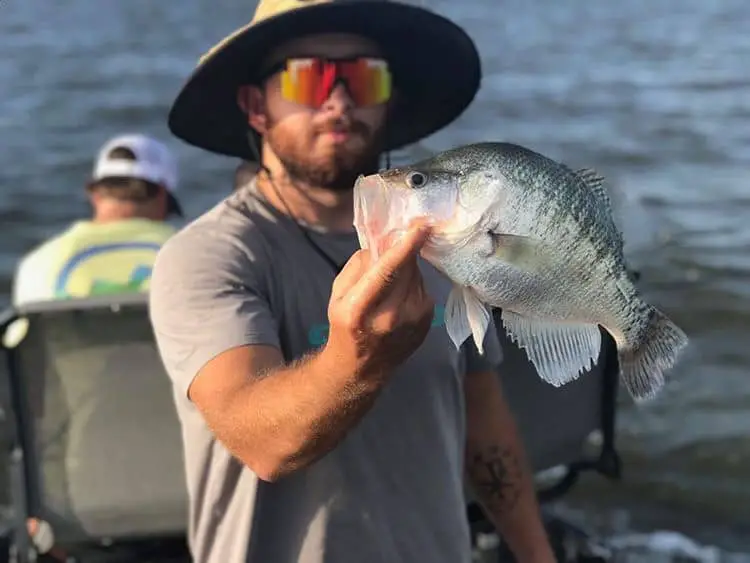
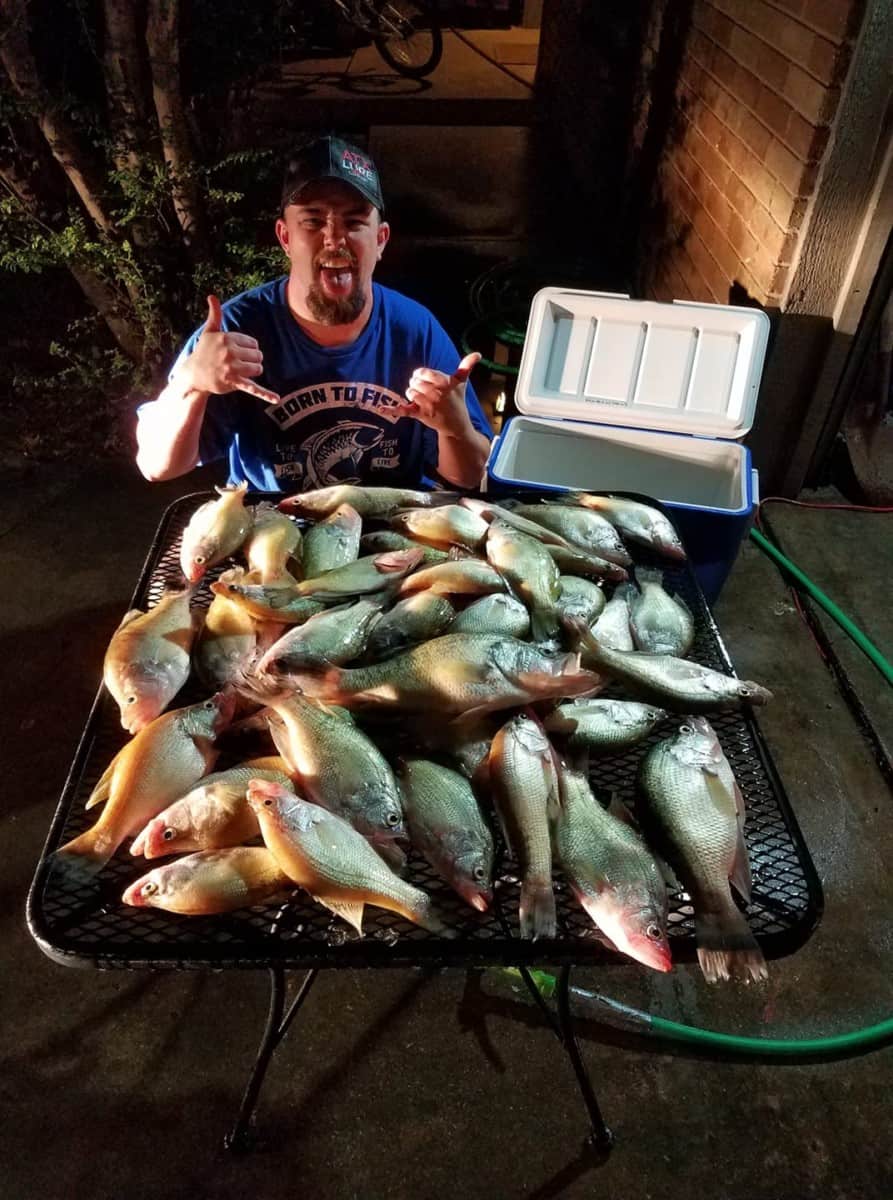
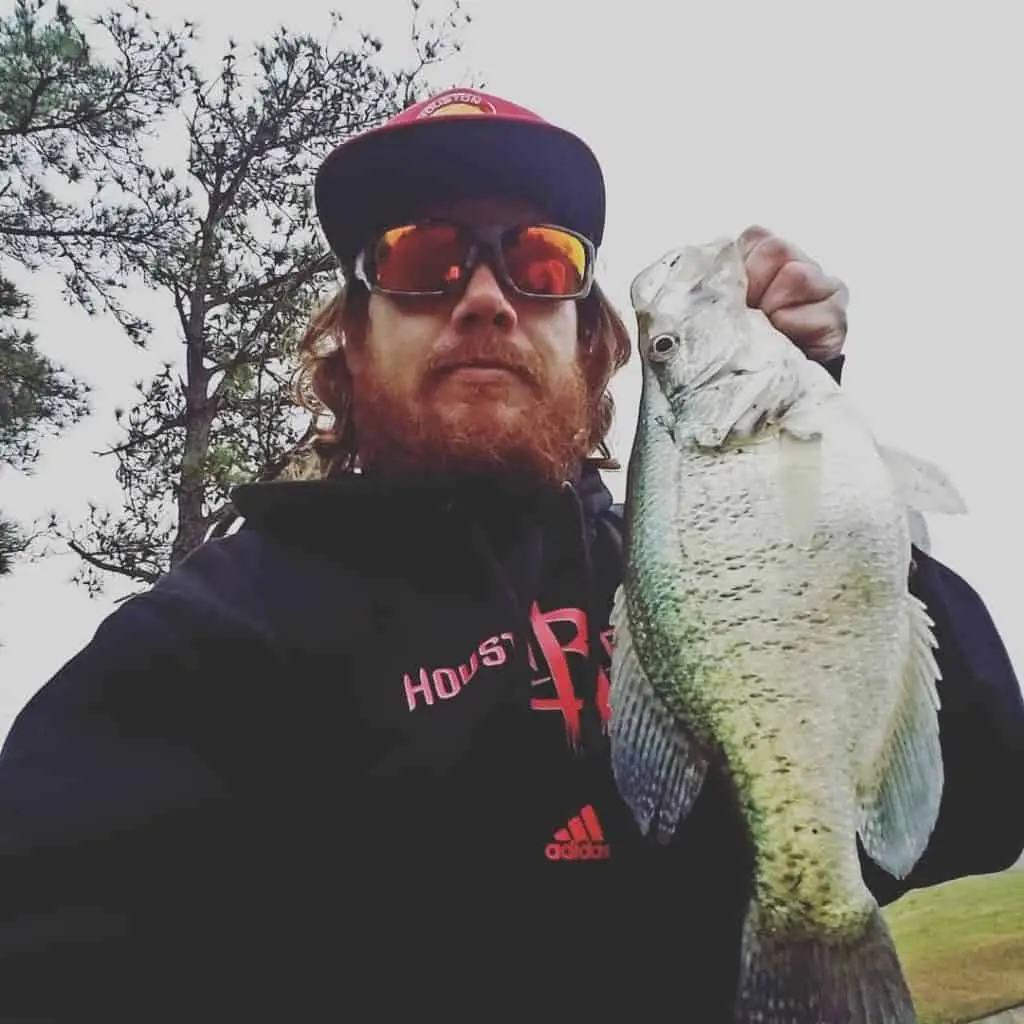
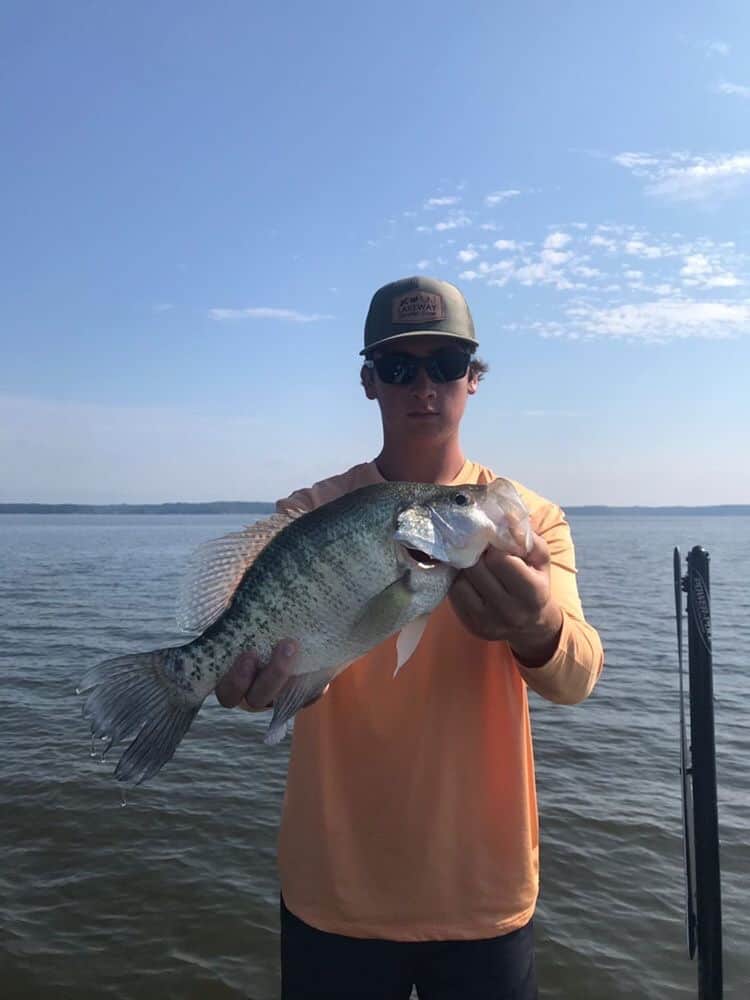
    @chesley1990 with a slab of a White crappie

    We are going to be discussing the crappie habitat today. We will explore the two fish together and then separately. The males, from both crappie species, turn black during spawning. They also lose all markings at other times of the year. Water clarity, forage, and other factors will define their habitat.

    In different bodies of water, in different parts of the country, their diets can be a little varied. Generally the black crappie prefer clear water, more shade and heavy forage. White crappie can be found suspended in open water, but tolerate muddy/murky water better than black crappie. The diet of black crappie consists of insects, crawfish, and worms. White crappie prefer shad and minnows. 
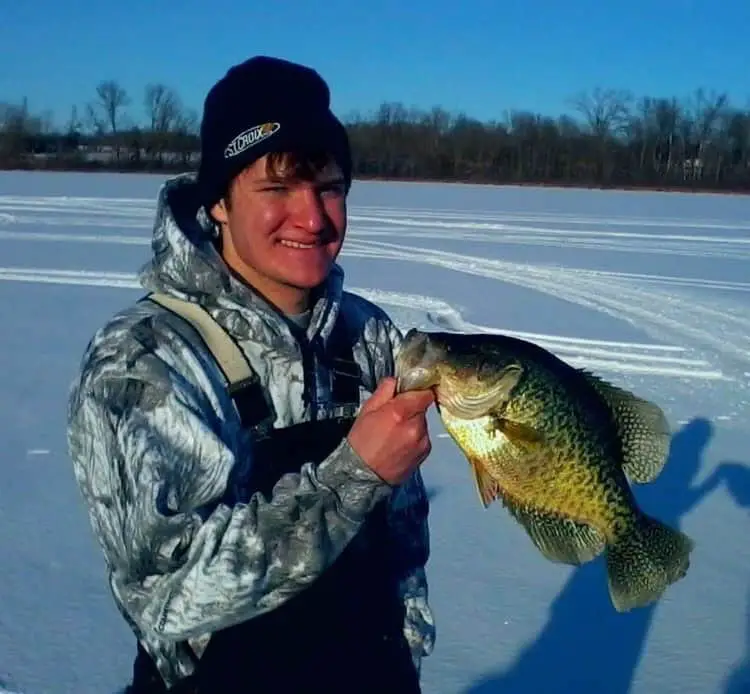
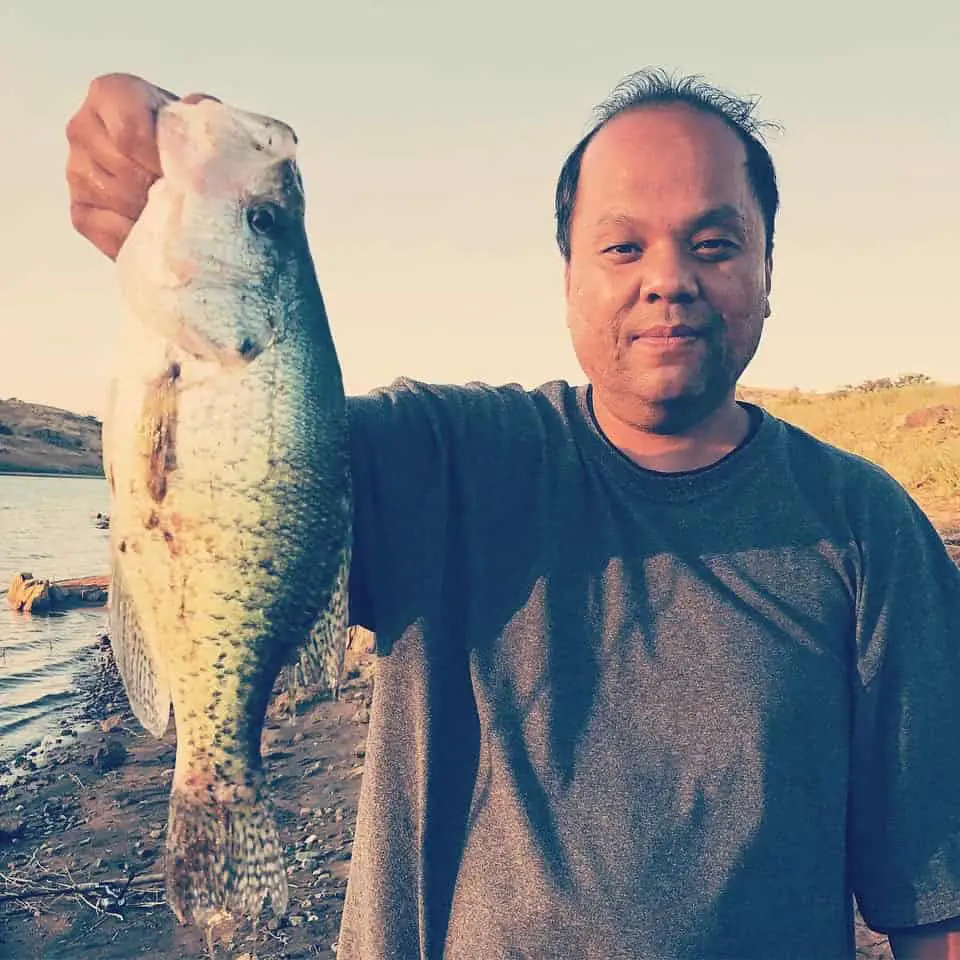
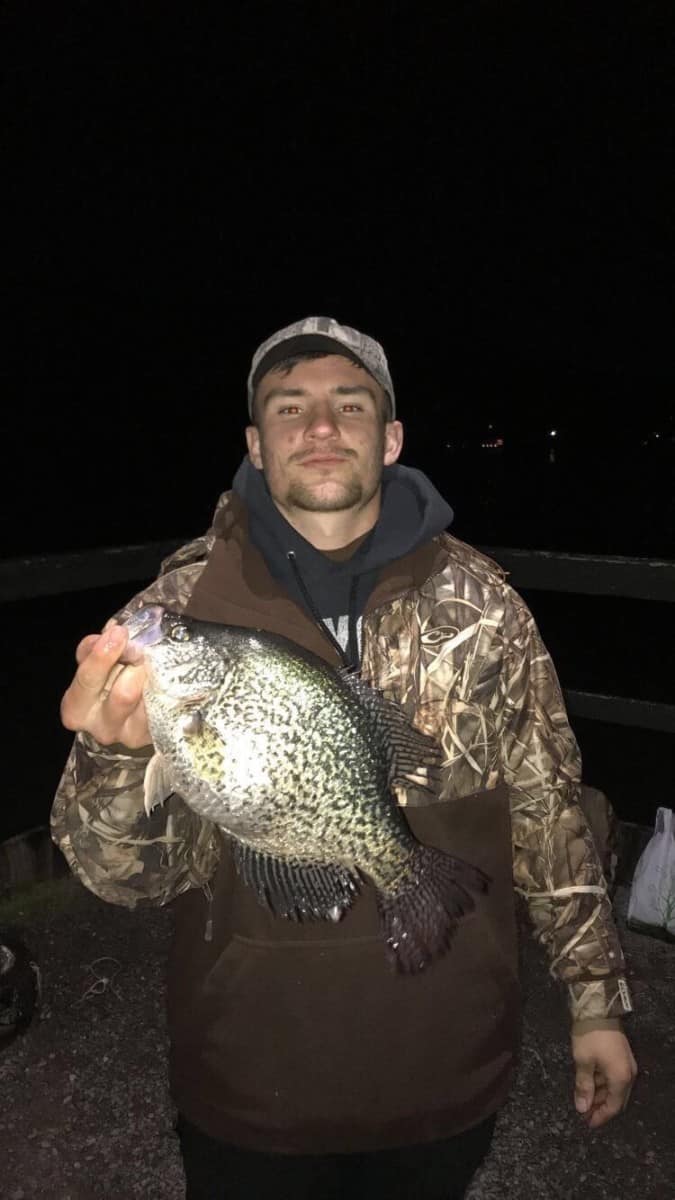
    @mikemaroney showing his black crappie catch

    Crappie were originally stream fish in Oklahoma, but are now found all over the country. Both species do best in lakes over 500 acres. Neither species do well on farm ponds because it will be over populated, quickly. White crappie, also known as goldring or silver perch, has a silvery color with brown or green shades on its back. They also have a white belly. The white crappie normally does not get over 2 pounds and they usually live 2 to 7 years. As an adult they measure in between 9 and 10 inches. The current world record for white crappie is 5.2 pounds.

    White crappie can be found in reservoirs, lakes and large rivers. As stated earlier, they are more suited for the murky waters. If there is very little forage, the white crappie population will be larger than the black crappie. In lakes and reservoirs larger than 5 acres, white crappie are abundant. In the mornings and the evenings they are found in open water. During the day you can find them in quiet, shallow water (6-12 feet deep) and will be surrounded by structure.

    White crappie are found in or near the Hudson Bay, Great Lakes, and the Mississippi River basins. This expands from New York and south Ontario west to South Dakota and down south to Texas. They flourish in waters that are warm with more silt than the black crappie. If white crappie are living in a river, they are going to be found in areas with no or very slow current. Examples are; backwaters, oxbows, and sloughs. When they spawn they deposit their eggs in poorly made nests in shallow water or on plants. 

    When you are out fishing for white crappie, focus in/on areas with a lot of structure. Rock piles, stumps, fallen trees, and shallow coves. Look for hanging rocks, sunken logs, and natural coverlets. This will protect them from preying fish. 
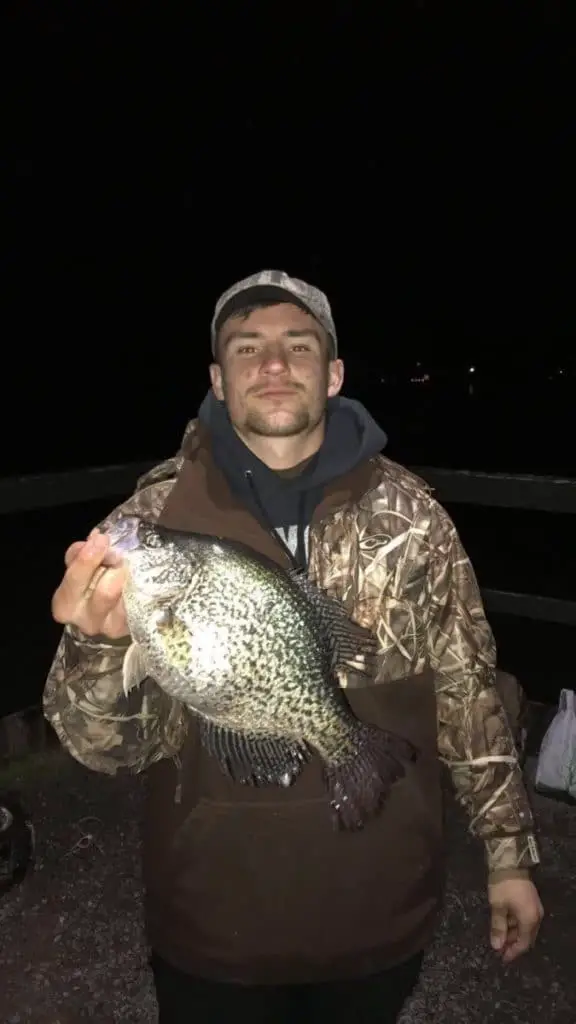
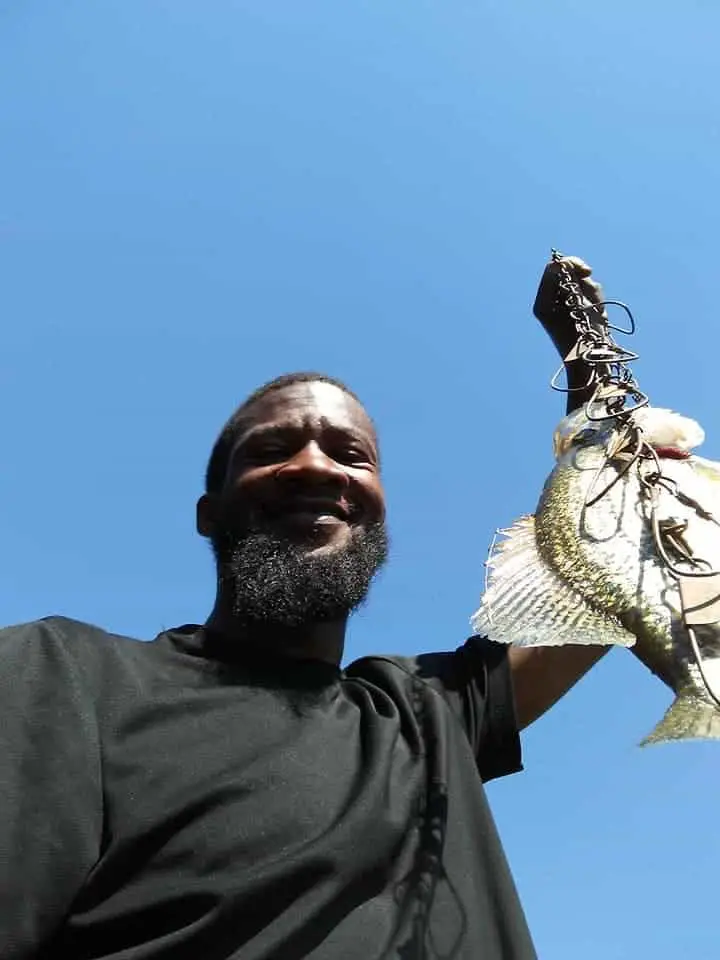
    Photo by @_vadimvak With a very big black crappie

    Black crappie have laterally compressed body and are usually silver-gray or green in color. The black crappie is normally 4 to 8 inches long and has dark spots all over its body. The maximum black crappie length is 19 inches and the published maximum weight is just under 6 pounds.

    Black crappie habitat includes reservoirs, lakes, navigation pools in large rivers, and borrow pits. They prefer little to no current, abundance of forage and/or submerged timber, and clear water. You can also find them in ponds, streams, sloughs, and lakes. As the white crappie, black crappie can be found in the Mississippi River Basins, the Great Lakes, and the St. Lawrence River. 

    Black crappie will form schools in clear water, over mud/sand, among vegetation. The native range for the black crappie; Virginia to Florida long the the Atlantic coast and southwest along Gulf of Mexico. In the spring, just before spawning season, you will find black crappie building nests by clearing gravel, mud, or sand from the bottom of the water so that females can lay their eggs. The male black crappie will guard the nest for 5 days or until the juveniles begin to emerge from the eggs. 

    The black crappie has many more nicknames than the white crappie; calico bass, crappie, grass bass, speck, speckled bass, and a few more. When black crappie are feeding, spawning, or if it is winter season you will find them in shallow water. Any other timeS they will be in deeper water, hiding from their prey.

    A team of scientists tracked crappies that live in he Kentucky Lake, a huge reservoir on the Tennessee River. They compared the habitat of both the black crappie and the white crappie as they observed them living in one body of water. Here are some of their findings. 

    Fishing Lake Morena For Crappie? Discover what bait to use.

    During pre-spawn both species were observed on flats that were adjacent to channels (both primary & secondary). They noticed that white crappie were located on deeper flats than the black crappie; normally 10 feet or deeper. The next most used habitat was river channels, both deep and shallow. Their population was made up of 33 percent white crappie and 43 percent black crappie.

    When actual spawning season arrived both species of crappie changed habitat. They went from the deeper water to flats that were less than 8 feet deep. Flooded shoreline brush was preferred by the black crappie. It was after spawning that the team noticed the most apparent habitat change. Both crappie species move out to the nearest ledge, creek channel, or other structure; undergoing what is believed to be a brief post-spawning period. Black crappie seemed to stick closer to the spawning areas than the white crappie. 

    Even as temperatures started getting close to 80 degrees, black crappie still did not move away from the spawning area. White crappie, however, moved to deep river channels. You could find them around channel drop-offs, ledges, and holding on deep flats. The black crappie chose to remain in or near stumps, vegetation, and flooded brush as shallow as 2 feet. 

    As you can see, to a point, black crappie and white crappie share similar habitat. This mostly happens around pre-spawn and spawning times. Even in the same body of water, they go their separate ways after they spawn. Both species have their own habitat, primary food source and ways of spawning. 

    One thing that is the same, no matter whether you catch black crappie or white crappie; they both taste delicious. 

    I hope you enjoyed reading and that you get a chance to fish for crappie in your area soon. If you would like to read more about crappie in the winter time check out this article that I wrote.

    I have many articles about the striped bass too. Here is one you might like to check out.

    Grab more tips and be informed about new posts in my monthly letter. Enter Below.
    [wpforms id=”408″ title=”false” description=”false”]
  • ICE FISHING CRAPPIE – AT NIGHT

    ICE FISHING CRAPPIE – AT NIGHT

    Ice fishing is kind of a scary concept to a lot of people, but ice fishing at night? That sounds very intimidating, but exciting at the same time! Nevertheless, night ice fishing is the best and most prime time to catch crappie. It can be very rewarding and extremely exciting and challenging all at the same time. Bonus, the trembling technique maneuvers the jig in a way that is irresistible to crappie. Brrrrr

    Do you need an Ice Fishing Flasher? Heres some good choices!

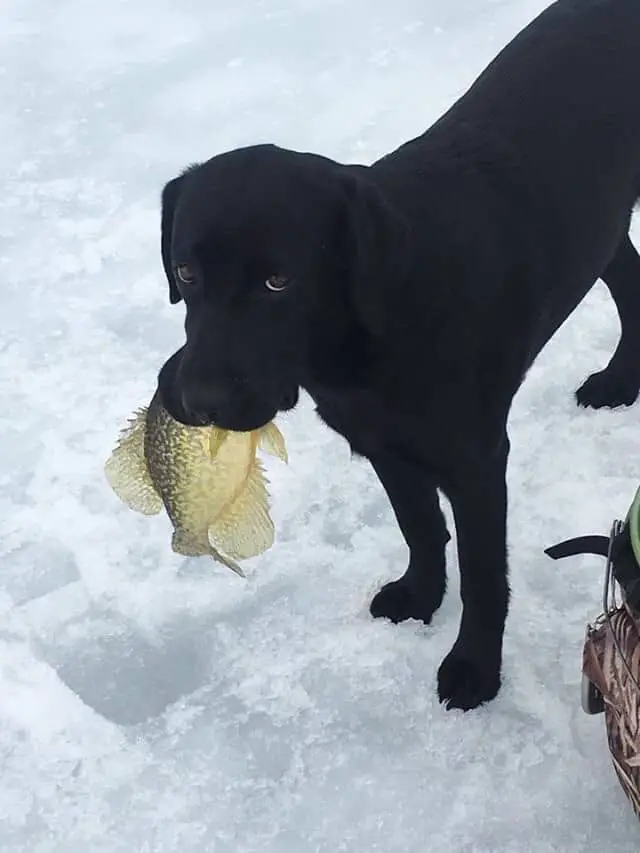
    Lab Retrieving Fish Photo by @PrescottFisheries

    If you are on the right lake, in the right spot, with the right bait/lure then you should be successful at fishing for crappie at night, under the ice. If you have a GPS system, use it! It will help you locate reefs, humps, and points. These are the best spots for crappie catching, whether it is day, night, ice fishing or summer fishing. Got an LED fishing light? Even Better for catching those crappie at night. Check out my favorite night time crappie fishing gear HERE.

    Crappie will feed on larvae and worms that come up from the reef or hump. Be patient during the lulls in between the whirlwind of feeding crappie. You will have to be quick on your re-baits to catch as many crappie as you can during the spurts. Especially if you want to out fish your buddies.

    Did you know I own a fishing memes Facebook page?

    Ice Fishing Crappie With Lights

    Something that you may not realize for night ice fishing for crappie, colored light will attract them. Green is the best color, but clear works just as well. Other colors work, but do not penetrate the darker water as well as green. Green also doesn’t have as much glare to it as some of the other colors. The light, whether color or clear, not only attracts fish but it also attracts shrimp and insects. Plankton will gahter in the water around your light, which in turn will attract the crappie.  If it doesn’t work then go home and Dim-Sum-Lights…(I’ll leave that one for you to figure out)

    You can ice fish at night in many locations around the United States and Canada. Here are just a few of the places that have great ice fishing;

    • Saskatchewan
    • Ontario
    • Wisconsin
    • New York
    • North Dakota
    • Minnesota
    • Vermont
    • Greenland

    PLEASE Be Safe On The Ice

    4+ inches of ice can support a persons weight, so please do not try to go out on ice that is not at least 4 inches thick. Most of the places above will likely have at least 10+ inches of solid, clear ice to fish on.

    Equipment For Ice Fishing At Night

    Check out these Recommended Ice Fishing Boots from Amazon.

    The equipment for ice fishing is very basic. If it is warm enough outside that your fishing holes will stay open and it isn’t too windy then just your chair, a lantern, and your poles and lures will be perfect.

    If it is colder or if you have to endure that biting cold wind, then you are definitely going to want some kind of portable shelter and a source of heat. Portable shelters are easy to take down, fold up and strap onto an ATV or snowmobile and move to another location. This one is highly rated and you’ll be glad you brought it.

    You do not need it, but it is very helpful to have a very good sonar to help locate the suspended crappie. Most anglers will have 2 ultra light jigging rods. If more then 1 line is allowed then some fishermen will have a flat rod or dead stick in their second drilled hole. 

    Photo By @caleb_Coursey4

    Crappie bites are very light and subtle, so you have to watch the tip of your pole very closely. Another reason that you need a light source when ice fishing at night. If your sonar shows that there are crappie checking out your bait, be mindful; crappie are sneaky and love to come up underneath your bait and just take the whole thing into their mouth.

    There will still be an ever so slight change in your pole and you set it and snag the sneaky crappie. Some anglers will use a spring bobber to help identify the subtle bite of a crappie.

    Occasionally at night, ice fishing, your second pole may snag a decent sized bluegill. If you get really lucky, you could also walk away with a walleye or two from your second hole.

    Use Your Sonar Ice Fishing

    When you are ice fishing at night, use your sonar to find large weed flats that are 6-10 feet deep. You may have to go out and do this during the day, and mark your spots so you know where to go after dark. Steeper breaks are better during mid-winter ice fishing. They tend to be 10-14 feet deep, and crappie love the deeper water.

    Some anglers say the moon phase plays a roll in catching crappie. There are fishermen that swear by not fishing for crappie two days before or two days after a full moon. But they will fish as close to the new moon phase as possible.

    Other anglers say that close to both the new moon and the full moon phase seem to fire up the crappie. Some anglers also believe that you can catch bigger crappie, while ice fishing at night, if you get out to your spot within 2 hours of a front moving in.

    To find the best crappie fishing areas, you need to know the layout of the lake you are wanting or going to fish on. It will define whether or not the crappie are going to suspend themselves or sit just above the bottom. To know the layout well, you are going to have to do your research before the ice hits or you can also look at maps of the area to figure out where you need to be. The basin shape, water depth, and structure are very important factors. 

    Baits for Ice Fishing At Night

    In nighttime ice fishing for crappie not only do you want your small live minnows but you will also want to keep a variety of different jigs on hand; vertical, horizontal, and 45 degree angle models. You will also want to put, just a couple, glow painted or natural baits for the crappie that you come across with lock-jaw. 

    It is said that late January through February will be your best time-frame of finding crappie under the ice. It is very common to see anglers who fish for walleye, changing up their gear to attract crappie. You will normally find crappie 15-45 feet under the ice. The size of the lake will help to dictate or define the depth in which you will find crappie.

    There are anglers who will drill 15-20 holes, at various depths, about 2 feet apart. You can then go back with your sonar to see if you can find any suspended crappie.

    Ice fishing is fun, no matter whether it is during the day or at night. Night ice fishing for crappie (or any other species) is exciting and challenging, making your catches a little more rewarding.

    Please always make sure that you are taking all the night time ice fishing safety precautions. Tell someone the vicinity that you are going to be fishing, make sure you have a lantern (or 2), a good heat source, and make sure that the ice you are fishing on is at least 4+ inches thick.

    After you are 110% sure that you have taken all of the safety precautions for night ice fishing, the next most important thing to do is to have fun!!

    Fishing Lake Morena For Crappie? Discover what bait to use.

    Grab more tips and be informed about new posts in my monthly letter. Enter Below.
    [wpforms id=”408″ title=”false” description=”false”]
    Hey FISHMONGER – make sure to check out my FISHING RESOURCES page.

  • Unique Hacks To Attract Crappie To Your Dock

    Unique Hacks To Attract Crappie To Your Dock

    Crappie and docks go together like peanut butter and jelly or hot dogs and baseball. Docks offer crappie, also referred to as slabs because they are the perfect pan-fish, a great mix of forage and cover. Many anglers over look docks and their potential as far as crappie fishing, especially when the temperatures begin to soar. We’ll look at how to catch crappie from a dock and also how to attract crappie to your dock if you own one.

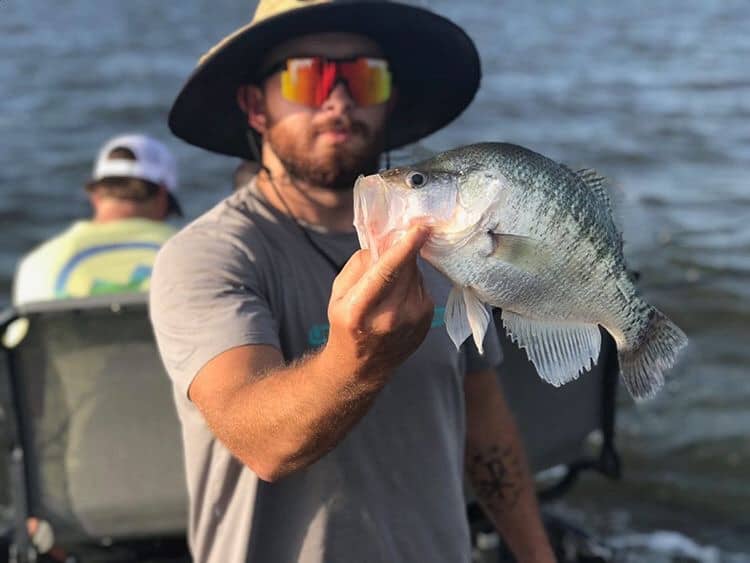
    Photo By @chesley1990

    Many docks have crappie taking cover from the sun as fish move to spawning season and throughout the summer. The key is finding the best places and structures on your favorite lake. One Minnesota angler says that the docks that extend into the water at 4+ feet deep are ideal for catching crappie.

    Getting crappie from the dock doesn’t really require any special tackle or techniques. Most anglers prefer spinning gear and say that is is hard to beat. To be successful at docking, I try to find the most active crappie first.

    On cloudy days, crappie will swim out into open water. When this happens you will want to toss out a jig and bobber along the edge of the dock. The best casting targets should include dock corners inside and out. Try casting around cement blocks that are anchoring the dock, old posts or other structures that attract crappie. Just try not to get your line tangled on the old mans boat. It makes them kind of grouchy.

    On sunny days, the crappie will hide in the shady places located inside the perimeter of swimming platforms or fixed docks. The best way to reach fish in these situations is to use a side-arm cast. This will ensure your rig gets under the dock. Plus your friends will think you’re cool.

    Here are 5 top ways to attract crappie at your dock:

    1. live minnows: one of the main food sources of crappie, combine the minnow beneath a cork. This method is simple and very effective. 

    2. jigs: if you are not having success with a live minnow, consider a lead head lure. These are easier to control when you are fishing in brushy areas.

    3. Experience with colored jigs: colored jigs will help you navigate various water conditions. Depending on the depth of the water, certain colors are going to work better than others. So when you stock your tackle box, make sure you have a wide variety of colors on hand. 

    4. Use lots of lures; if your live minnows and jigs are not working you have one more option, lures. A spinner-bait is one of the best choices of lure if you are casting further distance. If you are fishing for crappie in winter or summer try a jigging spoon. These will submerge very quickly so you can better catch the crappie that are deep in the water. 

    5. Upgrade your pole: the classic option for crappie fishing is the cane pole. These could work against you though, due to the fact that the crappie have a very soft bite. For increased sensitivity, choose a pole made of graphite or carbon-fibre. You will catch more crappie than you think.

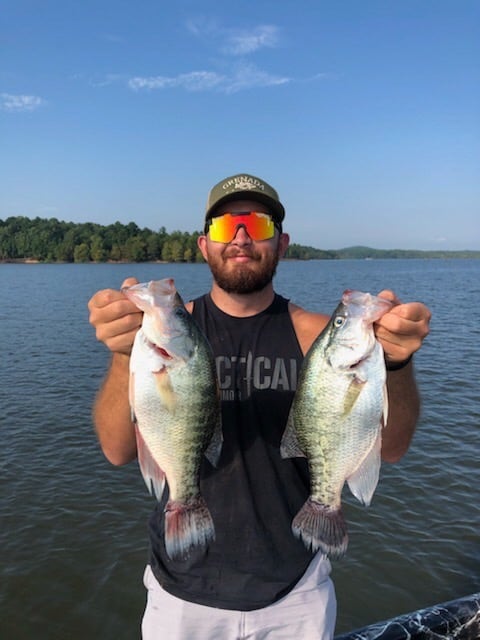
    Photo By @chesley1990

    Some of the ways to attract crappie to your dock are

    Use a fish light, provide aeration, create a home and cover,  & keep the dock free of muck and trash and ice in the winter.

    Use Fish Lights

    Fish lights are fun and affordable and they will attract bait-fish to your dock. Green and white are the best and preferred colors by anglers (and crappie). Aeration benefits the lake environment and the well-being of the fish. Depending on the area size, there are a few aeration products that you are able to choose from. Do thorough research to find the best aeration system for your needs. 

    Provide Them Cover

    Use an old tree, place in your lake/pond to crate a home for the crappie. A spruce style tree is your best option for your dock area. Crappie will use these for sanctuary. What better use for that Christmas tree that you need to get hauled out of the house? Keeping your dock/shoreline clean makes perfect sense. This creates a thriving environment for the crappie (and other fish species).

    Melt the Ice

    Use lake rakes when you can. In the winter months you want to keep your dock free of ice. This will allow any gases trapped under the water to be released, saving your crappie from an untimely death. Research different de-icers that are available to keep an open area around your dock thawed out. Here’s a popular brand. Kasco Deicer 

    Floating docks and piers are normally man-made and a favorite fishing spot for crappie anglers. But be careful, some docks offer great fishing, while other docks will have very few to no fish using it for shelter. The best indication that it is a great dock; forage!

    Photo By @chesley1990

    There will not only be an abundance of forage but there will also be a great deal of shade, protection and deep water. Crustaceans, grass shrimp, and minnows will feed on the plankton and then the crappie will feed on them. If it is an older dock, it will have a lot of algae growing on it. The algae attracts bait-fish and bait-fish attract crappie. 

    Attract The Feeder Fish

    Here’s an idea for you if you want to keep the crappie around your dock. Go get a battery-operated fish food dispenser. ( Here’s the Grand-daddy of fish feeders)You know like the one for aquariums. Fill it full of cornmeal and set it to feed two times a day. This will keep the shad or minnows around because they know every day there’s going to be food. We all know what happens when there are shad and minnows around our dock. That brings in the crappie. Your neighbors will wonder why you’re always getting all the fish off of your dock and they can’t get any from theirs. Here’s one thats not too expensive. KUIENSI Automatic Fish Feeder

    Provide Shade In Summer

    The most critical element is shade and protection. A wooden dock just about a foot above the water is ideal. The bright sun forces the crappie to go deeper or under the docks to find shade. The cross-members and posts fro the old wooden docks provide protection ad shade for the crappie.

    Deeper water will hold fish year round, while shallow water is best in certain seasons. The water needs to be at lease 6 feet deep to attract crappie. Brush, stakes, trees and other man-made structures will usually be found at the end or under the docks. This provides cover for the crappie and can usually hold a larger concentration of fish. 

    Photo By @chesley1990

    If you are going to fish from a boat, close to the docks, be mindful. If there is any kind of current it can result in the boat bumping the dock and the fish being scared/scattered away. The owner won’t be too impressed either.

    The recommended way to fish close to a dock from a boat; start fishing near the bank. When it is cloudy or there is low light start at the end of the dock. Work your way slowly around the dock. Be sure to work each cross-member and post diligently as you go. 

    If you follow all of the tips and tricks, mentioned above, when crappie fishing from a dock you will be successful. Just do a little research on the area to make sure the dock isn’t going to be a dud and will have a productive day and a great dinner. 

    Need CHUM ? Here’s an article you might like about chum for crappie.

    Grab more tips and be informed about new posts in my monthly letter. Enter Below.
    [wpforms id=”408″ title=”false” description=”false”]

    Hey FISHMONGER – make sure to check out my FISHING RESOURCES page.

  • 5 Stinky Ways to Make Crappie Chum -And Ruin Your Relationship

    5 Stinky Ways to Make Crappie Chum -And Ruin Your Relationship

    OK, so you’re thinking about going Croppie fishing and it occurred to you that if you up your chances you could have a lot more fun. So you started thinking “how can I help my chances?” Well, an old fisherman once told me that the best way to up your chances when you are fishing any species of fish is to chum the water around where you are fishing. 

    Of course you need to make sure that is legal on the lake or river where you are going to be dunking a worm. 

    Let’s get a little more specific and ask the question; what are some of the best ideas for chum for Crappie fishing?

    So, I’m going to name a few but then I am going to tell you what are some of the top performers out of the list. 

    My goal here is to write an article that might have one or two things in it you have not heard of before. However, I also want to leave you with some good ideas of what you can use and have good luck with. 

    So without further delay, let’s go check out some of the things that I have been told work for other anglers and what has worked for me in the past.

    OK, let’s say you are sitting on a boat in the middle of the lake in the fall time and you just want to hang a jig and up your chances of catching fish in that spot. All the best thing to do is to attract the main food source of the crappy. That would be minnows or shad. 

    • Use Cornmeal
    • muse crushed egg shells
    • use a sponge soaked in fish oil
    • use garlic and gelatin
    • use chopped fish

    Use Cornmeal

    One person came up with the idea of using cornmeal spread all around the boat and then hanging a jig down below. Seems like it could make sense because corn powder is finely  ground and it will take a long time for it to sink to the bottom. If you sprinkle a little corn powder around your boat every 15 or 20 minutes, there will always be corn powder slowly fluttering toward the bottom lake. This will attract the small fish that want to come and eat the corn meal and in turn this will attract the larger crappie that you seek. 

    You see it’s not a question of throwing something out there that the crappie are after it’s a question of attracting the bait fish that the crappy seek. 

    Crushed Egg Shells

    Let’s Move on and give you another idea. I heard one angler talk about breaking up your egg shells from breakfast in the morning and taking those with you to the lake. You break them up very fine drop them in the water around you they flutter to the bottom and they attract the bait fish. At this point I probably do not have to say what happens after that but I will anyway, the bait fish are attracted to the egg shells and the Crappie then come because they are attracted to the bait fish.

    One angler that I came across on YouTube has the video channel that bears his name Matt Mattson. He has a video called how to make a fish attractor. 

    Soak A Sponge in Fishoil

    In his video he explains using a peanut butter jar or something similar with a sponge inside, he punches a hole on top of the lid and in the jar he pours fish oil. 

    So the sponge holds the oil and he ties a fishing line around the jar and lowers it to the bottom of the lake around his dock. He says in this way he is able to keep fish hanging around his dock because there is always a scent of fish oil there. 

    Special Garlic Mix

    Another idea is to mix your own gelatin/garlic mixture to spread on your fingers and your lure in order to mask your scent or the scent of the rubber lure and give the fish something more appetizing smelling.

    Minced Fish

    Now here is one of my preferred methods. You get out some old fish out of your freezer or go down to the store and buy you some mackerel or some kind of stinky fish and then you take that with you and try to ditch all the cats on the way home. 

    Once you get home, make sure your wife’s not looking and you grab her food processor and quickly add all those fish to it. Turn it on the highest setting until it looks like peanut butter. Then you take that and put it in a mesh bag. The kind of mesh bag I’m talking about is the kind that you can get at the dollar store for your laundry. 

    Once you get it in there you take and put it in a used plastic grocery bag and mark on it liver and onions. That way the kids won’t get it out and try to cook it. As if the kids would cook anything… 

    Hey FISHMONGER – make sure to check out my FISHING RESOURCES page.

    However with my luck they will grab the one thing they’re not supposed to. Anyway when you’re ready to go fishing you take that bag out of the freezer and assuming you’re not too badly mangled from your wife beating you for using her blender, you tie that to a rope and throw a few rocks in with it and drop it to the bottom. Once that peanut buttery mackerel/nasty fish starts to thaw out, you will be attracting all kinds of baitfish around you. Either that or you’ll totally pollute the water to where you don’t want to go swimming once it gets hot. 

    Other Ideas

    Anyway this seems to work pretty good. I’ve seen people throw all kinds of stuff in there like dog food, bread, even hot dogs. Use your imagination. If you don’t use all of the fish peanut butter you can always take it out of the water throw it back in the bag and stick it back in the freezer and use it for next time. It might save you a beating. 

    Or it might get you another beating for putting that in the freezer. Anyway, you should catch a lot of fish if you use this method but you might want to wear a lot of padding when you get home. 

    You know come to think of it what you might want to do is get your wife a new food processor so you can have the old one. This idea may save you a little skin and help to keep your relationship strong.

    No matter which way you choose to do it, chumming is always good if it’s legal in your area. It definitely brings in the fish and now it’s just up to you to catch them. 

    So go out there and chum them up and stack you up some slabs. Have a good time while you’re at it and make lots of memories. Hopefully your wounds heal up quickly and you can have a good time fishing. Bye for now.

    Grab more tips and be informed about new posts in my monthly letter. Enter Below.
    [wpforms id=”408″ title=”false” description=”false”]
  • Winter Fun- Ice Fishing For Crappie

    Winter Fun- Ice Fishing For Crappie

    Trout, Walleye, and Perch are popular fish to catch while ice fishing. But did you know you also have a great chance to catch crappie?? I am sure you did, if you are an avid fishermen, but if you are a beginning angler, it may be a good source of knowledge for you.

    Photo By- Chiia Herr Nice Sized Crappie

    Your geographical location will determine which species of fish is going to be most popular. But one thing is for certain, jigging is the best method to use when ice fishing for crappie and most other species. Before we get started on the where, when and how of crappie ice fishing, lets look at some important things to know and understand about this species. 

    Fishing For Crappie On The Ice

    Some say that crappie should not be able to be caught ice fishing because they are a warm water fish. But is has been shown in the most northern country areas, winter is the best time to snag a crappie.

    Often an overlooked winter hang out, vegetation, is not popular with anglers because their lines get snagged. One professional angler rarely goes deeper than 8 feet, but is always looking at large thick areas of forage with his underwater camera. If you are ice fishing for crappie, it isn’t much different than spring or Sumer fishing as far as what time of day is best. Crappie heavily feed between mid-night and 2 in the morning, but before dusk and dawn is a good time as well. 

    There are a few standard items that you will need when ice fishing for crappie (and other fish):

     1. Auger (power) (Here’s a Battery Powered Auger)

     2. sled (to haul supplies)

     3. chisel

     4. bucket (used for bait or caught crappie)

     5. sonar (portable)

     6. jigging rod with plenty of jigs and other bait

     7. a chair or some other kind of seat. 

    To give yourself the optimum chance of finding and catching crappie under the ice, you should have a minimum of 2 holes approximately 3 feet apart. If you are going to be fishing after dusk/dark make sure you have a lantern with you. Not only does it help you to see, but it gives off enough heat to keep you comfortable.

    Check out these Recommended Ice Fishing Boots from Amazon.

    Using Sonar While Ice Fishing For Crappie

    It is best to keep your sonar in the hole you are fishing in or one that is no more than 1 foot away, making sure you keep a close eye out for fish signals. It is recommended that you use your favorite jig tipped with live bait.

    Where do you go to ice fish for crappie? Some suggest going back to where you were catching them during the spring and summer seasons.

    We are going to give you the top 5 ice fishing places where you are sure to catch crappie. 

    • Lake of the woods, Minnesota
    • Devils Lake, North Dakota
    • Lake Michigan
    • Antero Reservoir/Chambers Lake, Colorado
    • Lake Winnebago, Wisconsin

    “More Honorable Mentions Below”

    FishinMoney

    Ice Fishing Lake Of The Woods For Crappie

    Lake of the Woods, Minnesota: located on the border of Canada, makes it accessible by both the United States and Canada to use for ice fishing. Within the boundaries of the United States it is the second-largest freshwater lake. there are 317,000 acres and 67.73 miles of self-sustaining and healthy water. The maximum depth of Lake of the Woods is 210 feet. When ice fishing you will encounter 14-20 inches of ice. Make sure you check out their ice fishing packages!

    Ice Fishing Devils Lake For Crappie

    Devils Lake, North Dakota: known as one of the most popular ice fishing spots for many species, including white crappie. Devils Lake is a spot that is better suited for the more experienced anglers. The fish are bigger here, but the weather is beyond bone chilling. Devils Lake is 122,000 acre lake with 300 miles of shoreline. You can usually count on having safe ice in mid-December through March. You can find maps available at most bait shops that you point out locations all over the HUGE lake, to make your crappie trip worth the drive. 

    Ice Fishing Lake Michigan For Crappie

    Lake Michigan: easily reached by many states, it borders Michigan, Illinois, Wisconsin, and Indiana. There are many places for ice fishermen to stay, in the area and there are tons of amenities available; harbors, bays, and marinas to name a few. The water surface is 22,300 square miles with a length of 307 miles. The average depth of the water in Lake Michigan is 279 feet with the maximum depth reaching 925 feet, and to think; crappie like to stay on the bottom (or close to it). You better bring a lot of fishing line with you. 

    Ice Fishing Antero Reservoir |Chambers Lake For Crappie

    Antero Reservoir/Chambers Lake, Colorado: providing freezing, yet beautiful spots to ice fish for crappie, come to the Rocky Mountains. Both places offer great fishing opportunities and results no matter what species. Another great place in Colorado to ice fish for crappie is Eleven Mile Reservoir. Open 365 days a year, 7 days a week, this reservoir is 3,400 acres. Along with ice fishing for crappies, don’t forget to hit the many ski slopes in Colorado. 

    Ice Fishing Lake Winnebago For Crappie

    Lake Winnebago, Wisconsin: this area offers a variety of fish while on the ice, including crappie. Lake Winnebago is also known for it’s sturgeon-spearing. It is located in east central Wisconsin and is a freshwater lake. The maximum depth is 21 feet, with 137,7000 acres and 215 miles of water and 28.58 miles in length. You have several  islands along the west shore that you can stake out and ice fish for crappie. 

    Photo By Justin Robinson – Slabs Anyone?

    If you are an avid fisherman who prefers to ice fish for crappie as opposed to spring/summer, then I hope we were able to give you some good information to at least get you started on your journey to ice fish for crappie. As with any other methods of fishing, make sure you know the rules and limits before you carve a hole in the ice. There are general rules across the boat, but certain things to follow for each specific area. Make sure that wherever you decide to go, get all the rules and regulations when you pay for your license. That way there are no misunderstandings or mixed catches while you are on your trip. As always my friends, happy fishing!

    Hey FISHMONGER – make sure to check out my FISHING RESOURCES page.

    Ice Fishing Kinkaid Lake, Southern Illinois For Crappie

    Kincaid lake is located in southern Illinois in Jackson County not far from Murphysboro. You were find sandstone rock formations along with rolling hills. There are many hickory and oak trees in the area and the stumps that are found in the lake are great hiding places for Croppie. If you find them during the warmer months of the year, you may have found a great place to go ice fishing for them in the winter. Keep in mind wherever you are fishing during the warmer months and finding stumps and hiding places for the crappie that those will be good places to go try to find them in the winter. This lake also contains largemouth bass, Muskie, Bluegill, Catfish and Walleye. Lake Kinkaid is known for its large crappie as two pound crappie are caught here every year so don’t hesitate to load up the family and take an outing there. Pets are allowed on leashes and there is also camping spots available.

    A great place in nice weather to fish for Crappie is Realfoot, Tennessee

    The Crappie here are White Crappie. This lake was formed in the 1800’s by an earthquake and the lake itself is downright loaded with cypress stumps. Hundreds of places for the minnows to hide from the gamefish and so the Crappie will do the same and just patrol around these tree stumps until they find your bait waiting to feed them. It’s a blast.

    So enough of talking about where to go, It’s time to make plans and pack up the truck. There are so many places to explore. I suggest picking on off of this list and going out with your family for an adventure. Don’t forget to follow normal safety practices and all of the fishing regulations as well. You’ll have a blast and make sure to send me your crappie photos.

    Grab more tips and be informed about new posts in my monthly letter. Enter Below.
    [wpforms id=”408″ title=”false” description=”false”]
  • Crappie Bait for Lake Morena

    Crappie Bait for Lake Morena

    Photo By LaVelle Phillips

    So you want to do some research to help insure that your day on the lake will be productive and fun as you fish for crappie and other species on lake Morena. 

    C-mon I know the underlying idea is that you want to have bragging rights with your buddies and family…Am I right? 

    Well that’s ok. I don’t blame you eather way. It’s a smart thing to do to try and be ready. So in this article I will list out some of the top picks for baits that you might want to bring along as you try to slay Crappies on the lake. 

    Have you ever gone fishing and had a great time catching fish all day and then when you returned for another day of fun, been disappointed because you got skunked?

    Fish can be finicky creatures and they have a certain pattern they follow year after year.

    For starters you need to have the right bait for the right time of year.

    This could explain why you got skunked all by itself and it’s certainly something that needs to be discussed.

    So let’s go through the seasons in order to give you a better idea what you need at the right time when you will be fishing.

    Spring, aaaahh spring. Many anglers favorite time of year for fishing. The crappie have been lethargy in the cold winter water and they are famished and ready to go to the buffet.

    This is good if you’re fishing because the fish tend to be hungry and more active. 

    You may want to give them what they’re looking for. For starters you will find that The crappie are on their nest because it is the spring spawn. The crappie are on their nest guarding their eggs and they will bite at just about anything so it makes it easier than other times of year to catch crappie. 

    During these times you might want to use a bobber (These Kind Work Very Well) with a short leader and a very small weight or a jig head. When fish responding they will be in very shallow water on their nests so make sure your leader is short. It is recommended that you use maybe about a 1 foot liter between your jig head and your bobber. There is a short time when this is happening that you can catch more crappy than you would believe. If you are a little early you will be fishing during the pre-Spohn time. During this time you will have to find where the Croppie are hanging out. It will be in shaded 10 to 20 foot deep areas where they have some cover but it will most likely be in the coves because they will stack up and stay in one spot before the spawn and this tends to be very near where their spawning beds are.

    Hey FISHMONGER – make sure to check out my FISHING RESOURCES page.

    So the trick is to find the shallow areas in the coals with responding beds are and then back off to deeper water. You can try a barber with about a 3 foot leader and a jig head and see if you can find them suspended about halfway down. Once you find them there will be many huddled together in the same area. Some calls will contain crappy and others will be empty with no fish there. Find the clothes that have the fish and stick to those. The other thing to keep in mind is once you find the pre-Spawn Croppie, you have also found where their beds will be because they will make their beds in the same area in the shallows so if you are coming back anytime soon look for them in shallower water in the spring time. 

    Photo By Joseph Walker Nice Slab

    The beautiful thing about springtime Croppie fishing is that you don’t even really need a boat. You can do just fine off the shore because they are huddled up in the shallows anyway. You’re probably going to want to move around a lot until you find a large group of fish beds but when you do, you can do just fine off the shore anda boat is not necessary. There’s really no change from the way we described it previously, however as you walk down the shore instead of casting directly out into the lake, you will want to cast up shallow to the bank in front of you as you walk. If the Croppie are on beds they are going to be in very shallow 4 to 6 feet of water so your leader should be about half of that or even as short as 1 to 2 feet. Cast for a while in front of you, then work 10 or 20 feet and do it again until you find the beds. Keep in mind crappy like to make their nests on hard ground so look for rocks and gravel on the shore and these might provide great places for the crappy out in the water to have their beds.

    Summer

    OK we all know it gets hot in the summer. The fish feel the heat to as the water temperature rises. Just like us they want to get out of the sun and try to cool off. This means that if we are going to catch fish in the summertime we are going to want to look at areas where the Croppie have cover. If there are trees sticking out of water this would be a good place for cover and so you can check there for Croppie. Good places to check would be under bridges where the pillars go into the water and especially dogs that hang out into the water. Docs provide exceptional shade grumpy and keep them out of the sun. So it’s a great place to check and see if you can catch Croppie there in the summertime. What should you use for bait? Live bait is almost always best so try to catch live bait with a cast net. If you can’t catch a live bait or if it doesn’t seem to be working, another good idea is to use a jig. You’re going to want to use a very small one. Start with a 1/32 ounce jig head and add a plastic or a small shad or a tube or a short warm. Do you want to be fishing about the middle of the water depth where you are at not on the bottom or on the top.

    Fall 

    And the father are a couple of things to keep in mind. Usually in the fall the Croppie tend to be spread out more than the rest of the year. That means that you are going to have to cover more surface area in order to find where the fish are. If you find some crappy in the cold, and you catch a few fish out of there, you may have to move to another code to find more. This is different than win crappy our bedding because during the spring time when they are betting they are usually bunched up in the shallows meaning that there are more fish per square foot and it’s a little easier to find them. The other thing that you need to keep in mind in the fall time is to use very natural looking jigs and fish them a lot slower. You need to keep these beds in front of the fishes face a little longer because they may not be as active as they are during the rest of the year so slow down, be patient, find where the fish are and find what depth they are at and you will have a lot more success but you may need to cover more water. 

    It should be mentioned that when you are fishing for Croppie do you want to make sure you are always using very light tackle. 2 to 4 pound test is plenty unless you are catching very large fish. The average Croppie can we cut just fine on 2 pound test, keep your jigs very small. 1/32, 1/16, 1/64 ounce jig heads are the ones you probably want to try. In the fall you can put a little more leader between your barber and your Jig head. Maybe try between 2 to 3 feet when you’re fishing in 8 feet of water. 

    In the phone it might be a good idea to fish on the north side of the lake up to about the middle of the lake. If you look at where the sun is, it will be warming up the north side of the lake little bit better. Many Anglers feel that this is a good way to up your chances.

    So here’s a free tip for you. When you’re fishing in the fall in order to help your chances, fish with a jig on the bottom of the line like normal, but add another hug about 18 inches up and fish with a live shadow me now on this one. Not only will it give the Croppie a choice but Live bait sends out vibrations in the water that are crappy can feel with its lateral line and you will up your chances this way as well. That’s a free tip don’t tell anyone I gave that to you ha ha Ha.

    Winter 

    So in the winter time, it’s likely that the oxygen will be down lower in the water. This means that the fish might be quite a bit deeper. In order to catch Croppie you can use the same jigs that we usually talk about but you’re going to have to fish them deeper so you probably have to ditch the bomber. Instead of using a barber Castro do you get out where there is cover and on top of bushes and let it slowly sink down while reeling it back very slowly. Very slowly. Again in the winter you are going to have to have patience and try a lot of spots until you find where they are hanging out. Fish always love cover so if you can find grass or bushes or docs or columns or trees in the water this will be your best bet. Keep in mind that they may be much deeper than in the spring time and summer time. Once you do start catching fish, try to find out the depth that they are at and that will give you a good idea work to finish the rest of the day. Once you find a school of fish and you catch three or four out of that school it’s possible that they might shut down even though there are fish there they stop biting so you might need to move and find another spot. Stay on the move, keep patient, and have a lot of fun.

    So there we go, use your small jig heads and baby shad swimmer or small worm or tube jig and you’re ready to go. Now you know how to fish for Croppie throughout the year. Remember to keep your gear a very lightweight and the more you practice the better you’ll get.

    Grab more tips and be informed about new posts in my monthly letter. Enter Below.
    [wpforms id=”408″ title=”false” description=”false”]


  • 6 Best Crappie Fishing Lakes In Arkansas

    6 Best Crappie Fishing Lakes In Arkansas

    So What are the 6 best Crappie fishing spots?

    Beaver Lake

    Beaver Lake is located in northern Arkansas Near Rogers. It boasts a shoreline of nearly 500 miles and is a lake that is man-made by a dam that crosses the white river. You can catch many species of fish there including crappie, largemouth bass, bluegill, channel catfish, blue catfish, Flathead catfish. In the summertime, you will do well with a chartreuse jig On a 1/16th ounce jig head. Fish under the docks and let it drop all the way to the bottom and then reel it up slowly. Bam! Fish on!

    Photo: Ethan E.

    Arkansas, a southern state that borders the Mississippi River. There are many parks and wilderness areas, encompassing rivers, caves, mountains, and hot springs. There is one other thing that Arkansas is well known for; crappie fishing! Arkansas actually boasts 6 of the countries top 50 crappie lakes; which we will cover in more detail. 

    Here is a Crappie Fishing Resources Checklist

    Resident, non-resident, and lifetime fishing licenses for age 65 and older will cost $10.50. You must have a fishing license if you are 16 years of age or older. The limit on crappie in Arkansas is 30 a day, but anything under 10 inches MUST be returned to the water as soon as possible. There are some exceptions on certain waters, so make sure you check all the rules and regulations when you pay for your license. 

    Some of the top rated crappie fishing lakes in Arkansas that any angler can enjoy are –

    Lake Nimrod

    Lake Nimrod: 3,550 acres and it is the oldest lake created by the U.S.. Army Corps of Engineers. Boasting 77 miles of shoreline, Lake Nimrod ranked number 12 on the list of the top 50 crappie fishing lakes. This is one of the lakes in Arkansas with area-specific regulations, though they do not affect the limit or anything.

     1. legal to use spears

     2. handicapped-accessible fishing piers 

    There are a large number of venues to fish on Lake Nimrod, making it feel as though you are crappie fishing from many fisheries at one time. You have miles upon miles of backwater, tributaries, and river bringing in anglers from all over the United States. Each evening, from the Anderson Branch Tournament area, Lake Nimrod hosts tournaments from 5:30-9:00 p.m. at $22 a boat. You can catch many species of fish, including crappie. Anglers can sometimes catch up to 100 white crappies a day. Minnows and jigs or anything small that easily fits in their mouth is the best bait to use.

    These Jigs Work Very Well

    The best time to catch crappie is when they are having a feeding frenzy, so i hope you are a night owl, because it is from midnight to 2 a.m.. But you can catch them fairly easily before dawn and before dusk. 

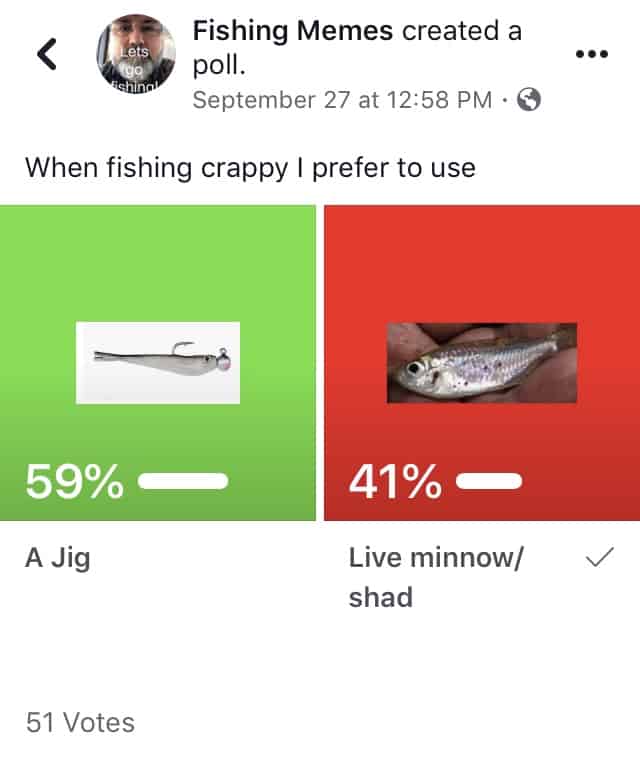
    I did a poll on my facebook site. Looks like a lot of people like their jigs for Crappie. Yah I know it’s spelled wrong in the pic but Facebook wouldn’t let me fix it 🙂 Feel free to use my poll on your digital media but please give a shout out to FishinMoney.com

    Lake Conway

    Lake Conway: Approximately 8 miles long with 52 miles of shoreline on 6,700 acres. The average depth coming in at 18 feet. Lake Conway is home and host to the Crappie Masters State Tournament, which is held every spring. Logs, snags, and stumps throughout Lake Conway, have provided havens for the crappies. Weighing in at 1 1/2 to 2 pounds, visitors from all over the country come here for the abundance of crappie. It is recommended to fish for crappie around live Cyprus trees in spring. Crappies grow quickly in this area due to the abundance of forage. A  2 1/2-year-old crappie, on average, will be 11.4 inches long. As with other lakes in Arkansas, crappie prefer small live minnows, they will very rarely bit on dead bait. Make sure that you purchase crappie minnows that are no bigger than 2 inches long. To make your minnows swim more quickly, take a pair of nail clippers and clip off a tiny piece of their lower tail fin. This will make the crappie swim faster.

    Lake Dardanelle

    Lake Dardanelle: top-ranked in Arkansas, number 9 on top 50 lists for best crappie fishing spots in the United States. It is nestled in the River Valley. 34,300-acre reservoir with over 315 miles of shoreline. Dardanelle can be an anglers paradise with all the different species available, but a challenge because of its size. Two hot spots on Lake Dardanelle; Spadra Creek and Little Spadra Creek. These areas offer 5-10 foot depths that will jump to 2-3 foot flats. Half pound to 1 pound crappie can be found in the woody cover on the flats. In clear water, it is suggested that you use clear colored lures making sure they resemble what the crappie would feed on normally. Use bright-colored lures on sunny days and in darker water. For a double whammy, use a jig and a live minnow together. 

    Lake Greeson

    Lake Greeson:  a prime recreational resource in Arkansas, it is 12 miles long and 7,000 acres, located on the little Missouri River. Giving you clear waters and steep rocky ridges that form islands and peninsulas. The max depth is 180 feet and it is one of the five diamond lakes in Arkansas. Some specific regulations for Lake Greeson;

     1. No fishing within 100 yards of Narrows Dam

     2. No more than one rod or pole at a time

     3. No other devices can be used to catch fish

    Lake Greeson is also one of the lakes that is located within the Ouachita River. Not only can you do some great crappie fishing, there is also 15 parks that offer; biking, boating, swimming, and camping. You can use 10-16 foot jigging poles, that way you are less likely to get hung up on the treetops and brush piles. Once again, small live minnows or jigs that resemble minnows are going to be your best bet to catch the crappie on Lake Greeson. A jigging pole specifically made for Crappie is the B’n’M Sam Heaton Super Sensitive 11-Feet 2 Piece IM6 Rod

    Lake Hamilton

    Lake Hamilton: another one of the lakes also located on the Ouachita River it is a 7,200 acre reservoir near Hot Springs, AR. Not only is it a great place for crappie fishing but it is a huge tourist attraction as well. Crappie are normally in huge schools in the deeper brush, about 45 feet under water. Some anglers are using slip bobber rigs and small minnows. You want to position your bait over the school, but prepare for subtle strikes.

    Lake Hamilton is hosting the first ever Crappie Expo and tournament this year. October 4-6, registration begins at 7 in the morning on the 4th and the tournament starts at 11 a.m on the 5th. In between you can visit over 100 crappie related companies. What better wat to learn some tips, tricks, and see the hottest new lures, and participate in a huge crappie fishing tournament. 

    There ya go! The top 6 places in Arkansas to catch crappie. If you take a family vacation and there are others who are not as big into fishing as you are, there are many other things for them to see and do, while you are at one of these beautiful lakes catching dinner. 

    Grab more tips and be informed about new posts in my monthly letter. Enter Below.
    [wpforms id=”408″ title=”false” description=”false”]
    Hey FISHMONGER – make sure to check out my FISHING RESOURCES page.