Category: Uncategorized

  • All About Magnet Fishing

    All About Magnet Fishing

    Chances are you’ve heard about regular fishing. You have probably really enjoyed trying to catch such species as Smallmouth Bass, Chinook Salmon, and Steelheads. That’s all well and good. However, have you ever heard of magnet fishing? If you think this is simply another version of fishing for your next meal or for that great photograph, then you would be wrong. No, magnet fishing is kind of like metal detecting, but it’s in the water instead of on land. It’s a very fascinating hobby, to say the least. Sound interesting? Have I piqued your interest? Are you considering taking up this neat hobby? Well, when it comes to magnet fishing, here are some things that you will need to keep in mind: 

    Magnet Fishing Defined

    Before you can take up magnet fishing, you will need to know just what exactly it is. Simply put, magnet fishing is using a rod or rope with a neodymium magnet to find different objects in a given body of water.
    If you have ever wondered what types of items might have settled in your favorite body of water, then chances are you would enjoy the pastime of magnet fishing. Indeed, there have been many unique experiences that many of these magnet fishing hobbyists have had. Magnet fishing is a great way to not only incorporate getting out in nature but also elements of history and geography as well. You truly might be surprised at some of the things that end up getting settled on the water floor. Indeed, the element of surprise is something that many magnet fishing hobbyists truly enjoy. You truly never know what you might find next! Add in the fact that this is an inexpensive hobby, and you truly have something that many individuals can truly enjoy.

    Getting Started With Magnet Fishing

    Does this hobby seem appealing to you? If so, you are probably wondering how to get started. First of all, you will need some items to act as the hook, line and sinker. Such things as a thread locker, neodymium magnet, a strong rope, head coverings, some sunscreen and sunglasses, a bucket and brush, knives, gloves, and an up-to-date first date are all considered essential items for any magnet fishing excursion.

    Of course, there are extras you should consider as well. Such things as hand sanitizer, microfiber towels, waterproof boots or shoes, grappling hooks, a portable chair, waders, heavy-duty trash bags, and mesh bags are all things that you could consider to make your experience more enjoyable.

    Magnet Fishing: the Importance of an Effective Magnet

    Of course, it goes without saying that the name of the game in magnet fishing is magnets. Of course, not just any magnet will do. Considering that some of the items you will catch have been in these watery depths for years-sometimes even decades-you will need a magnet of top-notch strength. Part of the reason why you need a magnet that is as strong as possible would be simply because of mother nature. Naturally, some of the items sitting at the bottom of this lake or river will have accumulated various debris such as algae, vegetation, soil, rust, and the like. However, a stronger magnet will not only compensate for these issues, but they will also help you catch much bigger finds as well.

    Getting the Best Magnet For Magnet Fishing

    Of course, there are some characteristics that are a must-have when you are considering a magnet for your new hobby. First of all, a good magnet fishing item will possess a metal that is crafted of neodymium, simply because this element is not only relatively compact, but it also is characterized by a tremendous pull force. This is because a neodymium magnet is a rare-earth magnet, meaning that it can often last for as long as a century or more as long as it has been properly stored. Because these are absolutely the best kinds of magnets money can buy, one needs to be very careful with them. First of all, keep them away from electronics. Secondly, never, I repeat, never, place two of these types of magnets together; they will often shatter from the brute force they generate. In that same regard, all neodymium magnets will have a pull force of at least 500 pounds, and that is the minimum needed in order to have a good magnet fishing experience.

    Of course, if you are really looking to be a heavy-hitter in the field of neodymium magnets, then you will want something higher than just (I say just! LOL) 500 pounds. For example, there is the option of the 800-pound magnet, and this will definitely allow you to lift practically anything out of the water. It is literally the Incredible Hulk of magnets. However, we can even do one better than that: the 1000 pound magnet will help you get even the most sunken water treasure buried in the depths. Consider these options for the magnet fishing time of your life!

    Fishing Magnets: Must Have a Solid Magnetic Field Strength

    Of course, you will want to make sure that the grade of your magnet is as strong as possible. Generally, you will want to have a magnet with a grade of at least N42. It’s also definitely important to realize that Neodymium magnets are graded according to the material they have been crafted with. Simply put, the higher the grade of the magnet, the stronger this magnet will be. This is why you want a number of at least “42” following the “N” designation on your magnet. However, if you can get a magnet with a higher ranking, go right on ahead.

    Either way, you should always remember that the highest rating for this important piece of magnet fishing equipment is N52. If you buy one with this rating, you are definitely going to ensure that you retrieve all kinds of things from the ocean, river, or lake floor. However, even with a device with a rating of just N42, it is sure to ensure hours of magnet fishing enjoyment.

    Be Sure to Get a Good Rope for Your Magnet Fishing

    Of course, getting a strong magnet is just the start. The next thing you will need to do would be to get the strongest rope possible for your magnetic fishing activities. For one thing, you will need a rope that is at least fifty feet in order to allow you to fish in both shallow water and some deep areas. Also, a rope this size will be good if you plan on standing close to the water. However, it does have it’s limitations.

    For instance, if you plan on fishing in an area that is very deep, this rope may not be long enough for you. Moreover, if you are fishing from a bridge or in another location that is far from the edge of the water, you probably should go with a rope that is one hundred feet in length at the very least. Generally, the best rope to use would be one that is comprised of a solid nylon paracord. You will want a rope that possesses solid durability, elasticity, strength, ability to keep a knot in place, and a high abrasion resistance as well. These attributes are important because you might encounter various conditions where the magnet might get snagged on something. Obviously, you would need a highly durable rope in order to get the magnet freed up again.

    It is a common misconception for beginners to believe that all paracords are created equal. Unfortunately, this just isn’t the case. For starters, most paracords will have varying degrees of strength simply contingent on how the cord was constructed. One example in question would be one particular nylon paracord, which is not only fifty feet in length but it also possesses a 4mm type 3 designation as well as seven core yarns that are braided just right to give it a minimum strength of over 550 pounds. When you pair this rope with the 500-pound magnet, you have a solid one-two punch for catching all kinds of items within the water.

    Guard Your Supplies Well

    Of course, like any other hobby, you will have your supplies to look after. In the case of magnet fishing, you should have suitable for each and every magnet fishing excursion you undertake. The minimum amount of gear you need would be a bucket for proper storage of your finds, a brush for proper disposal of your debris, and tough gloves for pulling the rope better and for handling any rusted or sharp metal you might encounter. You should also consider bring a small plastic container for storing any other metal bits you might need for later. This container would be great for storage of hooks, lures, nails, and your grappling hooks.

    Be Sure To Look After Yourself

    Of course, you should strongly consider wearing a hat, sunglasses, and some sunblock simply because of the fact that you will often be doing this hobby in areas with a lot of sunshine. Along these same lines, you should get some insect repellant, simply because being around the water often means you will be closer to mosquitoes. If you are doing your magnet fishing in swamps or wetlands this is especially important.

    Keep Your Knots in Mind As Well

    In order to be successful in this hobby, you will also need to have strong knots. Ideally, the best knot for magnet fishing would be one that is self-tightening because it will provide the most secure hold possible on the magnet. Of course, if you are also a fish angler, then there are probably quite a few knots you already know of that you could try. First-timers often have a lot of luck with the Palomar knots when they go magnet fishing. 

    Just Where Should I Go Magnet Fishing?

    Of course, you’re probably thinking all this information is well and good, but just where are some good spots to go magnet fishing? That’s a good question, and there are actually great places to engage in this hobby. First of all, you want to look for areas that have a lot of history to them. Places such as abandoned quarries, old wells, homesteads with nearby rivers, and old battlegrounds can often yield some very interesting finds. You never know what kind of historical items you might be able to drag up, and who knows? You might even pull up a museum piece addition!

    Of course, even if you’re not into history that much, there are still plenty of places where you can do your magnet fishing. Indeed, some people simply enjoy the thrill of finding something free, the thrill of the chase, if you will.

    For example, one of the best places to do magnet fishing would be in a pond, creek, or a dam. Many individuals have reported some interesting finds in these places for sure. However, just because a place hasn’t been frequented that much by other people doesn’t necessarily mean that it isn’t a good spot. You also could try your luck in countryside waterways or remote streams, simply because you might have a shot at finding something that has been undisturbed for a long time. Of course, any old well or drain would offer you a unique opportunity to engage in this “thrill of the chase.” Naturally, going to a parkside pond would be an example of an opportunity for some unique finds as well. 

    Magnet Fishing Will Often Reward Those Who are Persistent

    If you are persistent, then you will often have a lot of unique finds when you are doing your magnet fishing hobby. People have found all kinds of things from their magnet fishing hobby, including wedding rings, bullets, antiques, and many other things. Of course, even if you don’t find anything of value, you are still doing society at large an incredible favor simply by ridding the waterways of scrap metal pollution.

    In Conclusion

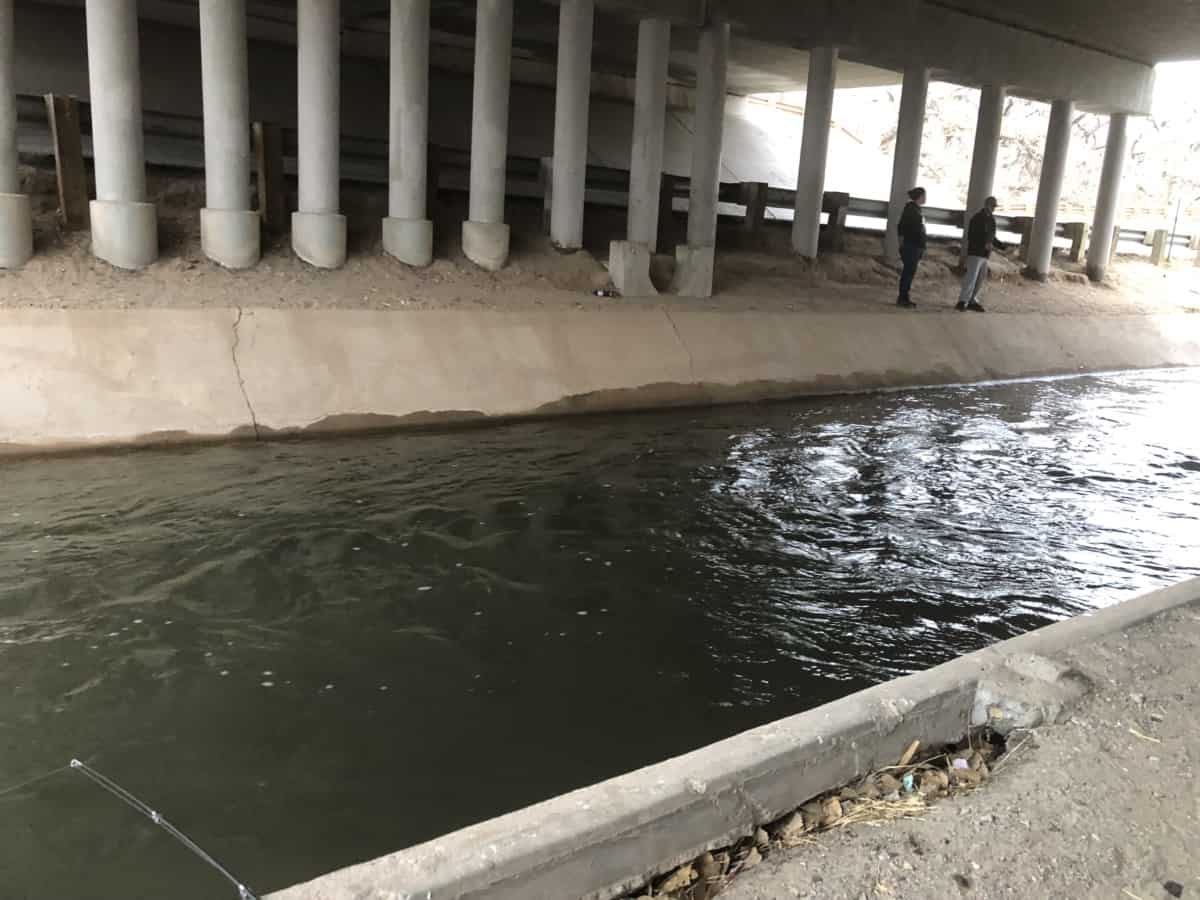
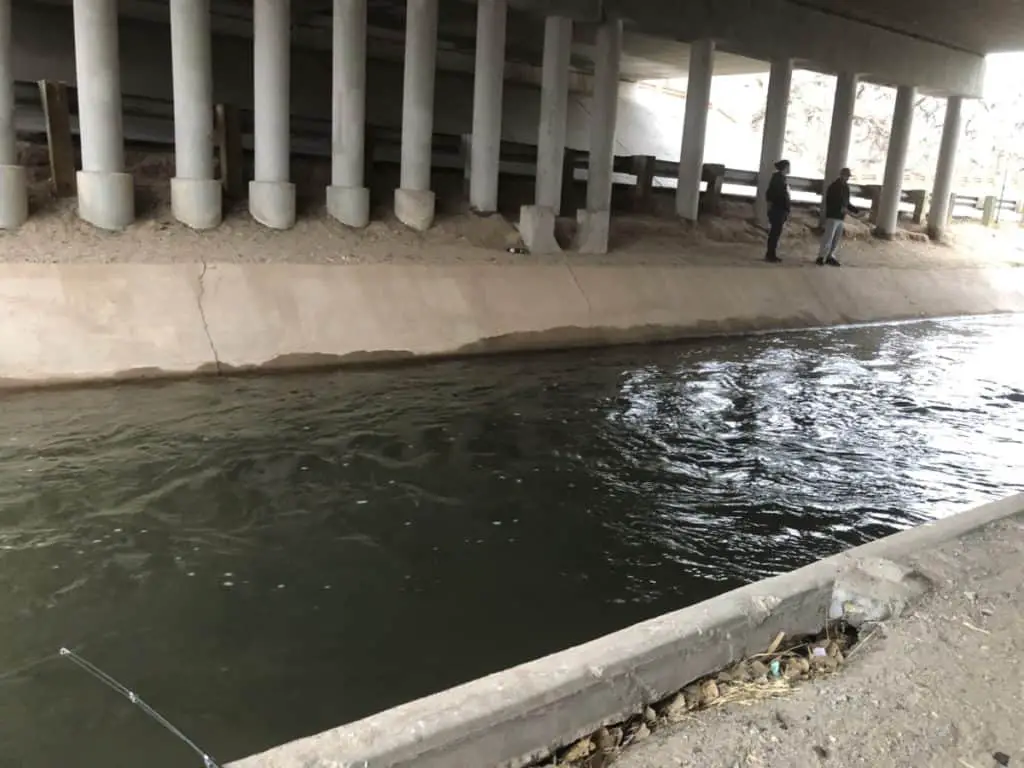
    As you can see, this can be a very rewarding hobby. Even if you don’t land anything of value, just the feeling of satisfaction when you hear that “clink” sound will make your endorphins rise. Of course, you need to make sure that you keep your safety in mind and never fish close to a large metal bridge. You also should make sure that you get permission to do your magnet fishing if your chosen waterway is on private property. All that aside, this is definitely a thrilling new hobby that has taken the United States by storm in the past decade!
  • What Human Foods Can Fish Eat?

    What Human Foods Can Fish Eat?

    When it comes to taking care of your fish, you definitely realize that there is nothing more important than making sure they have the proper diet so that they get the nutrition they need.

    What Human Foods Can Fish Eat?

    That is why making regular trips to the pet food store is a must. Of course, most of the time it is best to go ahead and give your fish flakes, feeder worms, and other recommended items for their food. However, did you know that in many cases it is perfectly okay to give them human food as well?

    First of all, it is entirely possible that your fish craves some variety in their diet. Secondly, what if it is the weekend and you got busy and forgot to replenish your supply of fish food? Both of these situations are instances where you might consider giving your fish human food. Of course, it is important to know what human food is good for your fish and what is not so good for your maritime companion. Here are some guidelines:

    It depends on the breed of the fish. 

    Is your fish a herbivore, a carnivore, or an omnivore? For example, for a carnivore such as a piranha, you actually could get away with giving them chicken or meat. However, you want to make sure that the human meat you choose for them doesn’t have a large number of preservatives because it could damage their intestines.

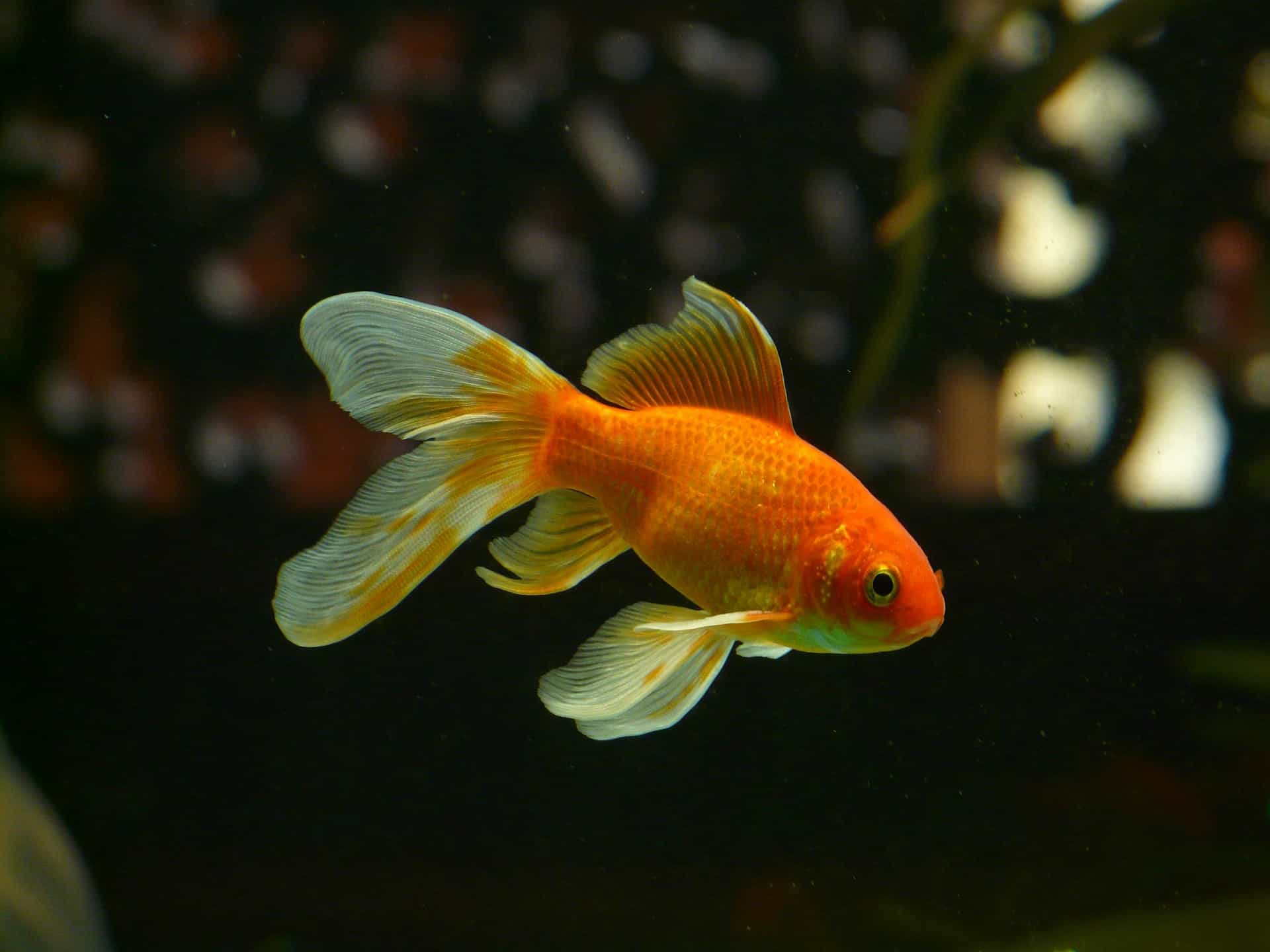
    Aquarium fish like goldfish will usually eat vegetables such as peas. All you have to do is break the peas down into manageable chunks for them. Red leaf lettuce is good as well on occasion. You could even try giving them cooked carrots which will enhance their orange color. Betas will usually be able to eat vegetables as well. Here is some extra information regarding each breed: 

    Goldfish

    goldfish

    As noted before, peas are a great example of people’s food that you can give to your goldfish. All you have to do is remove the shells, rinse them with water, heat them up in a saucepan, and then place them in the fish tank for your goldfish to enjoy.

    Goldfish are a breed that is prone to constipation, which can make them feel bloated, be lacking in appetite, be lethargic, have clamped fins, and have difficulty swimming.

    It can even be fatal if not taken care of properly. However, the good news is that an occasional diet of peas will often prevent this condition from happening in the first place! 

    A goldfish can also eat many other salad items as well. Foods such as red leaf lettuce are a good choice because they are easy for your goldfish to chew and they won’t cause any digestive issues. Of course, you should avoid cooking the lettuce because it could break off in strands and cause your goldfish to choke.

    If you are going to feed your goldfish lettuce on a regular basis, you will want to invest in a lettuce clip so the lettuce doesn’t float on the top of the fish tank. You also can microwave these and other lettuce until they are slightly wilted and that will make them easier for the goldfish to chew. Avoid giving them any type of rhubarb lettuce, and do not give your fish more than 30 seconds worth of food. 

    Finally, you might also consider giving your goldfish carrots. This well-known orange vegetable not only contains natural compounds that will enhance their orange color, but it will provide them some variety in their diet. Make sure to cook the carrot and then finely chop it before putting it in the aquarium. 

    Besides the above examples, goldfish can also eat spinach, turnip greens, kale, radish leaves, cucumbers, garlic (in moderation), and mealworms because of their omnivore status. You should avoid feeding them wax worms and beta foods. 

    Betas 

    Besides goldfish, betas are also another popular choice for the fish hobbyist. They are a truly fascinating fish breed, as they come in many different vibrant colors and they are known as labyrinth fish.

    This designation means that they can take in oxygen from their gills but they also can take them from the air. Naturally, with a fish as unique as this you will want to make sure it only has the best diet possible. Can they have human food? Here are some considerations: 

    Yes, a beta fish can have human food, but it must be very specific. 

    In a lot of ways, a beta fish can be more of a challenge to care for than a goldfish, but as long as you follow it to the letter, there are still a few human foods that a beta fish can eat. For example, like their goldfish counterparts, they can also eat peas as long as they have been de-shelled.

    Peas will also help the betta fish get their needed fiber as well. Betas can also eat many different varieties of green stuff as long as they are chopped up as finely as possible.

    They can eat corn, as long as it has been boiled and it is just one kernel. The beta can have mango, but only if the fruit is eaten within the first 30 minutes. If the beta snubs it, you will have to remove it right away or it will become toxic to the fish tank.

    Finally, a beta can have tuna as long as it hasn’t been saturated in oil and it can have unseasoned shrimp. 

    There are some things that you should NEVER feed to a beta fish. 

    Finally, there are some foods that are absolutely a no-go when it comes to the beta. First of all, you should avoid feeding them bread. While it won’t necessarily harm them per se, it doesn’t possess any nutritional value for them either.

    Feeding the plants isn’t a wise move either, simply because they are carnivorous creatures and they will not eat it, eventually starving themselves in the process.

    Any type of stringed vegetables such as carrots, beans, and bananas are terrible for their digestive tract. Finally, you should avoid giving your beta any type of farm-grown meat derived from chickens, pigs, or cows, simply because this meat will not appeal to them and it also has additives. 

    Of course, although goldfish and beta are the most popular fish to have, they are by no means the only fish that enthusiasts have either. If you have some other breed of fish, you definitely should do your diligence to determine just what type of human food you should give them.

    P.S. I’d Love Your Support On YouTube

  • Best Fishing Spots In Oklahoma 

    Best Fishing Spots In Oklahoma 

    Oklahoma Fishing

    Located in the South Central region of the United States, Oklahoma is bordered by Texas, Missouri, Arkansas, and Kansas. There are over 1200 square miles of water that offers some of the best fishing opportunities. Oklahoma boasts over 200 dam created lakes and has the nation’s highest number of artificial reservoirs. Oklahoma is the 28th most popular state. So get your fishing rod and lets explore.

    Oklahoma is a warm water fishing state. Among the lakes, ponds, streams, and rivers you can fish for a large variety of species. This list includes; largemouth bass, smallmouth bass, walleye, stripers, crappie, catfish, saugeye, and more. Lake Tenkiller, Lake Eufaula, and Vinita State Park are a few hotspots that we will cover more in depth where fishing reports are awesome.

    I want to start by telling you what some of the lakes are known for and then we will delve deeper and reveal the 5 best spots and what species you are able to catch. I will also cover fishing permits, cost, safety precautions in some areas, fishing gear, and more. 

    These six lakes are among the best fishing lakes in Oklahoma.

    1. Lake Tenkiller is considered the prettiest lake in Oklahoma
    2. Lake Murray State Park in Ardmore, OK is considered the clearest lake
    3. Broken Bow Lake is the deepest lake in Oklahoma at 185 feet
    4. Talawanda Lake is the oldest lake in Oklahoma (1902)
    5. Lake Texoma (bordering Texas and Oklahoma) is the biggest lake, with a water volume of over 2 million acre-feet.
    6. Lake Eufaula second largest lake in Oklahoma with water volume of 2,099,000 acre-feet

    Two major rivers in Oklahoma: Red River and Arkansas River. Both of these rivers flow into Oklahoma from all six of the neighboring states. 

    Oklahoma major bodies of water in surface area are: Lake Eufaula at 105,000 acres and Lake Texoma at 88,000 acres. 

    Flood control, water supply, recreation, fishing, and wildlife are just a few of the reasons for all of the lakes around the Oklahoma area. 

    Oklahoma Fishing License and Cost

    Of course any place that you go fishing requires you to have a fishing license as long as you are over the age of 16. If you are a resident of Oklahoma an annual fishing license will cost you $25. If you are a non-resident then you are going to pay $55 for an annual fishing license. A 2-day license for residents is $15 and a 6-day license for non-residents is $35. If you are under the age of 16 years old, you will not need to purchase a fishing license. There are 2 days a year, within the first week of June, that are FREE. For 2020 the date is June 6th and 7th. As always, please make sure you grab a fishing regulations booklet. It will provide you with all the rules, regulations, expressions, statewide daily size and limits. 

    More Of The Best Fishing Spots In Oklahoma

    Hunting, Harley’s, and Fishing are a way of life in Oklahoma. There are so many beautiful lakes to choose from, one will have a hard time deciding where to visit/vacation. Unless you have friends or family that live in the area, the internet will become your best friend as you plan your fishing trip to Oklahoma. That is the best way to find out all of the information that you can like where to catch your PB Rainbow Trout.

    Click to tweet


    Some anglers in the state consider the following places the best 5 in Oklahoma. 

    1. Vinita Lake Park in Vinita, Oklahoma.

    This was formerly known as Bull Lake. Vinita Lake is 45 acres in size and offers anglers the challenge of catching bass, crappie, and catfish. The lake has a maximum depth of 8 feet. Because of this, and for the safety of all fishermen, gas powered motors are prohibited. Though you are more than welcome to use kayaks, canoes, and 10-foot bass boats with electric trolling motors. Vinita Lake Park is located 3.3 miles Northeast of downtown Vinita. The daily limit for black bass is 6 with only 1 being over 16” long. There is also a limit of 6 for the channel catfish. Vinita Lake Park is a premier fishery of largemouth bass. There are boat ramps, fire rings, and picnic tables. But unfortunately there is no camping on site. Here is a link for more info about Vinita Lake Park.

    1. Medicine Creek, Medicine Park Oklahoma.

    Even when the trout are not biting, you can enjoy the scenic and peaceful sitting/view. This creek runs through the middle of Medicine Park, a “cobblestone resort community”.

    Besides fishing you can enjoy swimming, beautiful views, and a scenic walking trail. At gorgeous Medicine Creek there is a designated trout area. It is located downstream from Gondola Lake Dam. This creek is regularly stocked throughout the winter, so you should have a blast when fishing the area. Granite rocks line the banks of the cree, making it easily accessed by all. Trout season at Medicine Creek is from November to March 15th. With trout being able to survive in cold water, Medicine Creek is stocked every 2 weeks. There is a 6 fish daily limit of any size. In Medicine Creek the trout like to hang out around waterfalls. 
    Here is a link for more info.

    1. Lake Eufaula State Park, Checotah, Oklahoma

    This lake is listed as one of the hottest fishing spots, along with a premier vacation spot. At Lake Eufaula you will have the chance to catch crappie, sunfish, bass, walleye, and catfish. There is even a kids fish pond for the youngsters who are not quite ready for the big lakes and bigger fish. Lake Eufaula boasts a tackle shop and marina. When it is chilly outside, there is an enclosed fishing dock that is free to use. It is 2,853 acres located Southwest of Checotah. There is approximately 4,458 square miles to find all the fish that you desire. There are also campsites that can be reserved, tent camping, 18-hole golf course with pro shop and putting green, indoor and outdoor fishing dock just to name a few amenities. You can try your luck with blue catfish, channel catfish, white bass, crappie, sunfish, and largemouth bass. The lake is 102,400 acres of very promising fishing. 

    1. Bernice Area at Grand Lake State Park

    Grand Lake is probably one of the best known lakes in Oklahoma. It is one of the top bass fishing lakes in the country. In 2016 they hosted the Bassmaster Classic. There are 1,300 plus miles of shoreline. Small and bass, crappie, multiple varieties of catfish, and hybrid striper are available for a good challenge. Located in Delaware County, Bernice State Park is 88 acres in size. Located close to Bernice, Oklahoma in the Northwest corner of the Grand Lake O’ the Cherokee. Grand Lake boasts the biggest population of spoonbill/paddlefish in the United States. There are 10+ professional fishing guides ready to show you the beauty of the Grand Lake, the hotspots around the lake, and how to catch the most fish possible in a day. Not only can you enjoy tremendous fishing but you can also take advantage of camping, cooking out with friends/family, and just enjoying the beauty of the water and its surroundings. Bernice State Park also has a playground area, boat ramps, shelters, trails, and a nature center. Bernice State Park is also called the “crappie capital of the world”. 

    1. Lake Tenkiller

    Imagine 13,000 acres of water and over 130 miles of shoreline. Not to mention 70 miles of floating and 8 miles of trout fishing. At Lake Tenkiller not only can you fish for large and smallmouth bass, channel catfish, white bass, and spotted bass, you can also enjoy the following;

    • Scuba diving
    • Camp
    • Hiking
    • Golf
    • Water sports
    • Hunting
    • Scenic nature

    Lake Tenkiller has 3 floating restaurants, 24 boat ramps, and many islands to see. Anglers say that this is a water paradise with fishing all year round. In the river below the dam you have a shot at catching striped bass, bream, walleye, and trout. If you prefer to fish in colder winter months, there are 3 heated fishing docks. Lake Tenkiller also offers man local resources to guide you in finding the best areas to fish. The current state record was set by a gentlemen back in 1996. He was from Gore, OK.

    Other Lakes in Oklahoma

    There are many many other lakes all over Oklahoma that also have excellent fishing and amenities. You will have a hard time deciding on where to go. 

    There is the ever popular Lake Texoma. On the border of Texas and Oklahoma. You will need to make sure that you have the proper state fishing license. If you are fishing on the Texas side, then you will need a Texas license. If you are fishing on the Oklahoma side, then make sure you have an Oklahoma license. To be on the safe side, you could purchase both. You have ample opportunity to catch trophy sized blue catfish, smallmouth bass, largemouth bass, crappie, gar, and paddlefish.

    Also available in the Sooner state:

    • Flint Creek
    • Quanah Parker Lake
    • Deep Fork River
    • Glover River
    • Broken Bow Lake
    • Upper Mountain Fork River

    Facts about Oklahoma Fishing

    In 1974, the state of Oklahoma declared the white bass the state fish. This was to aid in representing the importance of lakes and sport fishing within the state. You can find the white bass in lakes and rivers all over the state of Oklahoma.

    There are 20 different species of fish located in the Oklahoma lakes and rivers. Among them are the small and largemouth bass, striped bass, spotted bass, and hybrid bass. There are also 3 different species of catfish; channel, blue, and fathead. Not to mention white and black crappie among many others. 

    Oklahoma has over 1 million surface acres of water, with more man-made lakes than any other state. 

    Final Thoughts

    Y

    There you have it folks! The abundance of lakes and amazing fishing in the beautiful state of Oklahoma. You can hunt and catch a large variety of fish. The bad news,  we didn’t mention even ¼ of the fishing spots in Oklahoma. So, you may have an easy decision on vacationing in Oklahoma but not where you are going to stay or fish while you are there. We have given you the top 5 lakes that anglers from the state recommend. We also provided you with a list of some of the other lakes around the state. Now it is your job to do just a little more research, and pick one ( or maybe 3).

    Oklahoma is an exquisite state all year round. The weather begins to warm and the leaves begin to change in mid- March. So you can beat the fishing rush, by vacationing a little sooner in the year. 

    There are many attractions to see and places to visit. You may just have to stay for the whole summer and then you still won’t  see even half of what Oklahoma has to offer. So, let’s pick a destination in Oklahoma to take that next vacation and then get to researching the many lakes that are close and the fish that you are able to catch, in each spot. Happy Fishing!!

    You can make extra income writing about fishing.

    P.S. I’d Love Your Support On YouTube

  • What Fishing Dock To Buy

    What Fishing Dock To Buy

    So you are looking into buying a dock, for your residential use. There are many options to choose from. There are also many companies that construct docks and that can be cost-effective and easy on your pocketbook. Do you want a floating dock, that can be removed in the severe weather or during the winter months? Do you want a permanent dock that can not be moved or taken down?

    As stated in a previous article, you will have to choose between a floating or stationary dock and you have 3 materials to choose from. Some of the best docks can be found at Tommy docks or E-Z docks. There is a large price range, depending on what you are looking for. The suggested type would be a plastic floating dock. But that is only 1 of your options. 

    Fishing Dock

    With the multiple options out there we are going to do our best to dissect and find the best ones that will suit any need. We will provide the top 3 classic docks, style, material, and website information for companies whom you can contact when you are ready to buy your dock.

    Important Steps/Things to Know

    Before you can purchase or have a dock installed there are certain procedures you should follow. One of the first to be done is to check all the rules and regulations for your area. Some private lakes only allow floating docks that are set on floats or drums. Take a look around the area and see what some of the other residents have. You may also have to get a permit to have the dock built. 

    You also need to consider installation and future maintenance. If you will be removing the dock in the winter months then you want something that is light-weight and easy to assemble/disassemble. Wood docks are going to take the most maintenance. A fresh coat of paint or stain will be needed each year. Plastic docks take a simple power wash every now and then. The aluminum docks will also require a sweep and a power wash every other week, depending on usage. 

    One last step is to analyze the situation. Do you want a simple dock for fishing, swimming or a boat? Do you want something a little bigger like a sundeck so you can entertain friends and family? Once you decide that, then you can begin to shop and figure out all of the regulations for building a dock. Look over the space in which you want to build your dock, do some measuring to get an approximate size, optimal material, and primary function.

    Top Deck Companies

    Shoremaster: This company was started in Carlos Minnesota. They construct dock lifts and all types of boat and fishing docks. They also produce a full line-up of waterfront materials all over the United States and Canada. Their products are durable and built to withstand all weather conditions. You can learn more about Shoremaster and its products at www.shoremasterllc.com

    E-Z Dock: Founded in 1991 they were (are) dedicated to designing docks that have more options and last long-term. Their products are customizable and very versatile, giving you the option of a simple floating dock or a multi-boat marina. E-Z Dock products are light-weight, strong, stable, and very low maintenance. E-Z Dock is a part of PlayPower Incorporated. More information can be found on their website at www.ez-dock.com.

    Tommy Docks: The company was started in 1987 with the design and patent on a dock bracket system. Based in Wisconsin, the company is still going strong today & is in all 50 states and 2 countries. Tommy Docks pride themselves on high quality, user-friendly DIY systems on the market. You will experience outstanding stability and strength no matter what configuration you purchase. You can do it yourself effectively and effortlessly whether you want an elaborate set-up or something simple yet unique. Check out www.tommydocks.com.

    Top 3 Classic Docks

    1. Piling Docks: this type of dock consists of wood and is a permanent structure. They can be constructed of concrete or steel pilings as well. The pilings are driven deep into the ground, normally three times their width in depth. A steel framework is then constructed for the walkway and covered in composite decking wood, or concrete. 
    • PRO: extremely stable, not a lot of maintenance, and good for deeper water
    • CON: expensive, can be damaged by ice movement, does not fluctuate with the water levels. 
    1. Pipe Dock: This type of dock is less permanent and usually made out of aluminum. Pipe docks can be constructed in the L-Shape, T-Shape, straight, or U-Shape. Best in shallow water, it is suggested that they are used in at least 8 feet of water. Because of the nature of the pipe dock, it is recommended that it be placed on an even & firm lake bottom. 
    • PRO: environmentally friendly, can be disassembled in winter and re-installed in spring, and they are very affordable.
    • CON: can not use with fluctuating water levels, can not be placed in deep water, and it is not set up with mooring, which is needed for larger boats.
    1. Floating Dock: if you are a knowing or intelligent boater this is a great Do It Yourself project, or you can purchase the system for a variety of dock manufacturers. The floating device on a floating dock is 1 of 2 systems; a framework that is placed atop floating barrels or modular floating pieces. You can construct in your own unique shape. 
    • PRO: rises and falls with the changing water levels, a lot more affordable than permanent docks, and will work for all lake and shoreline sediment types. 
    • CON: not as stable in rough waters as some of the other dock choices. 

    Various Uses for your Dock

    Entertaining: a lot of people view docks as a place to tie off a boat, and they feel they shouldn’t be used for anything else. But, there are docks on the market that are specifically designed for entertainment purposes. A dock can be the perfect place to barbecue with friends, enjoy the quiet beautiful water, and just have conversation and fun.

    Swimming: have you ever done a cannonball off of a dock in the heat of the summer: If not, you have no idea what you are missing! Look for a dock that will work for swimming and make sure swimming is allowed in the area that you are placing the dock. The kids and even the dog will have a blast running and jumping off of the end of it into the cool water. 

    Fishing: serious fishermen children, and individuals without access to a boat fish from a dock. There is nothing more relaxing than sitting on a dock, slightly rocking with the waves of the water, in the sunshine waiting for a fish to bite. It is the perfect place for children to learn to fish (and to learn some patience). It will allow you to form memories with family and friends. 

    Mooring: the place to dock/secure your boat. Mooring insures your boat isn’t going to float away while you are on the shore enjoying a nice lunch in the shade. It also makes it a whole lot easier to load and unload the boat, and for the passengers to get on and off.

    Before you begin installing your dock, here are the main things you should consider;

    • Laws: find out city, county, and state laws before building. You may need permission or a permit.
    • Shoreline: is it rocky, grassy, or sandy? Is there a gradual descent or a steep descent? Is it level or is it uneven? This will give you an idea of pre-prep work that you may need to do.
    • Ever-changing depths: very important to know the depth of the water If the depth changes then you need an approximate calculation of how much it could fluctuate. Especially if you are planning on doing a stationary dock.

    Frequently Asked Question:

    These questions (and answers) were found on the internet and we are providing them for you to help in your quest for a fishing dock.

    How much does it cost?

    Building a dock can range from about $2,700 to $20,000 depending on the style, size, material, and configuration of the dock. Assembled docks can range for $1,000 to $50,000-$75,000 for high-quality, permanent docks.

    How high above water should your dock be?

    The underside of the dock should be at least 6” higher to provide for the fluctuation of the water during the different seasons. Do NOT set it lower!

    Can I leave my floating dock in the water during winter?

    Floating docks can be left assembled during the winter months as long as they are tied up in a protected area, such as a small channel or bay. 

    How much weight can a dock hold?

    Rollin and sectional docks can hold 30 pounds per square foot. For a floating dock, the capacity will depend on the size of the floats that are used. 

    How deep should dock posts be buried?

    Bury the pilings 4-6 feet into the ground. This should give you a tight secure fit. Mark each piling with spray paint. This will make it easier to ensure all your pilings are installed at the same depth.

    How long will my dock last?

    Your dock should last you an average of 15-20, with no maintenance. If you do routine maintenance, you should be able to add as much as 10 years extra to the dock’s lifespan.


    You can make money by writing about fishing. Here’s how I do it.

    What routine maintenance is recommended?

    It is recommended that you do annual pressure washing with a high-quality deck wash, hand inspection of the decking materials and every 5 years (if you have a wood dock) you need to reseal it. 

    So, sit down and decide what your primary use of your dock is going to be. Then you can get some product catalogs from the companies we mentioned (or others) or you can look online at the different styles and materials. You also need to decide if you are going to DIY your deck or if you are going to hire a company to come in and construct it for you. If you are going to hire someone, call around and get some estimates. 

    Once your deck has been built, invite your friends and family over. Do some fishing, swimming, and some entertaining. A dock will also add value to your home, should you ever decide to sell. So what are you waiting for, let’s get going on that research and decide what style of dock is going to serve your needs the most. As always my friends, happy fishing!!!

    Do you like this type of writing? If you think you could write like this and you are interested in earning an extra income, follow this link to find out how I do it.

  • Fishing Dock Ideas

    Fishing Dock Ideas

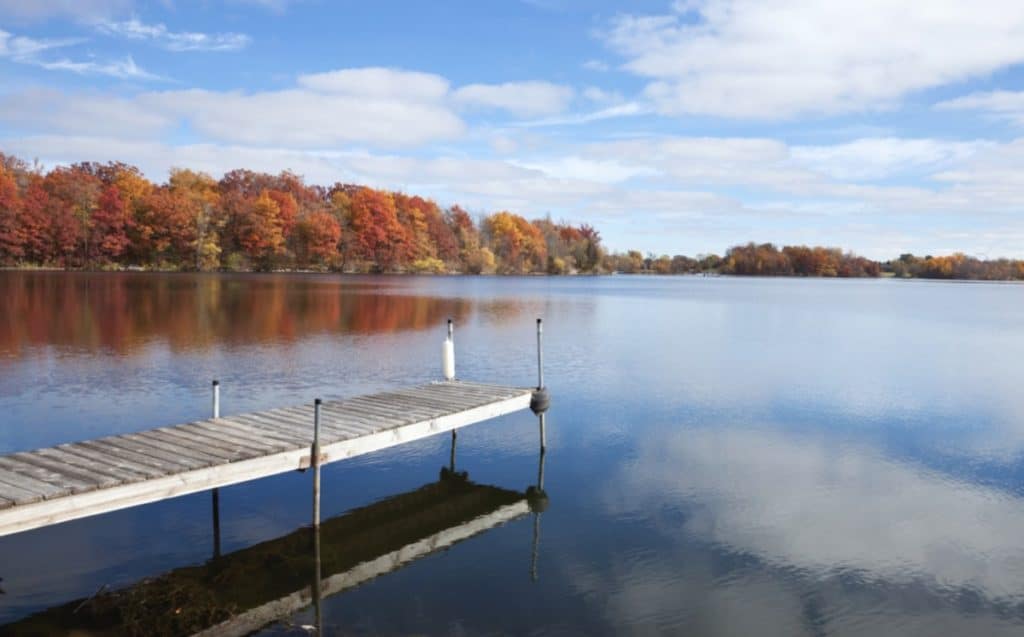
    Are you ready to entertain and enjoy a personal/private dock? If your property sits on a harbor, river, lake or ocean front then having your own dock would be perfect. Almost a must have, especially if you have a boat. Question is, what type of dock? There are a few types/styles of docks to choose from. It all depends on your preference and what will coincide with your home. 

    Floating docks, piling docks, and pipe docks are your choices if you want a removable dock. These are docks that can be taken down and put in storage for the winter or in areas that have severe storms. There is also the permanent dock. You have 2 options here; a crip dock or a suspension dock.

    Are you a writer at heart looking to earn a little extra money I’m writing about fishing or the outdoors? Click this link to find out how I do it.

    You have a few choices of materials as well; wood, aluminum, or plastic. We are going to break all of this down for you. Including pros and cons, cost, and whether a DIY kit or hiring a contractor is the best. People use docks for fishing, boat storage, swimming, entertaining, or maybe even for morning coffee as they watch the sunrise. So you have to first decide what the primary purpose of your dock is going to be and that will help you determine the style and material that would fit your needs the best. 

    Removable Docks

    • Floating Docks: these are placed ver airtight drums. There are normally large platforms and they float on the surface of the water. One advantage to the floating dock is that it rises and falls with the water level. Floating docks are ideal in areas where a permanent or fixed dock is not feasible; sea, lake, or river bed. They are usually available as pre-built sections. This allows you to be able to configure them in almost any shape that you choose. 
    • Piling Docks: this type of dock uses long wooden beams that are inserted deep underground in the water. Using either an attachment containing rollers, hoops, or both the dock is connected to the beams. Just like the floating dock, the piling dock will rise and fall with the water levels. Piling docks are more expensive but very stable and strong. They are more suited for use as a fishing dock or for larger boats. WIth this type of dock you need to carefully plan out the construction. Do not cut corners or second guess once you start, or it could cost you thousands of dollars. 
    • Pipe Docks: besides being built with an aluminum frame, that has removable decking, pipe docks are similar to the piling dock. They are also less expensive but also less stable. Pipe docks are recommended for nothing over 8 feet deep. Pipe docks also need to be removed in the winter to prevent freezing of the pipes. This dock may be less expensive but can be a lot more work than the piling dock or the floating dock and they are stationary, which means they do not move with the changing of water depth.

    Permanent Docks

    • Crib Dock: constructed from wooden crates or frames, called cribs, and are placed along the bottom. The crib dock is a custom-built, permanent wooden frame that are then filled with large rocks and covered with decking. They essentially extend the shoreline and the one big downfall is that they can disturb wildlife and the natural water flow. Because of this, some areas don’t allow you to put a crib dock up. They are extremely stable but very expensive.
    • Suspension Dock: via cables and anchors the suspension dock hangs over the water. Unfortunately these are very time consuming and expensive because of the engineering involved in constructing them. They have a modern yet unique appearance, and will catch everyone’s eye. If your suspension dock is made of wood or aluminum they may endure damage during serious storms. This can become costly when making the repairs. You must consider all of the construction carefully before you begin building your suspension dock. These are stationary docks and any errors or short cuts in the construction could be very costly, again, because of the engineering involved. 

    After you choose the style of the dock that you would like from above, you will then need to choose which material that you want your dock constructed with. When looking at material you will want to consider durability, upkeep, damage risks, and initial cost. You can also look at purchasing a fishing dock kit (to DIY your dock) or you can talk to a contractor about building your dock for you. Here are your material choices;

    • Wood Docks: these are beautiful docks and very appealing to the eye (and the neighbors) as well as great for entertaining. But there are a few draw-backs, such as the lifespan, the safety hazards, and intensive upkeep. You will also need to take these factors into consideration.
    1. Cost: of course it will vary depending on the type of wood you choose. On average it is going to run $3.50 to $7.50 per square foot for hardwoods and cedar.
    2. Insect Damage: if the wood is untreated you re looking at being infested with beetles, carpenter ants, carpenter bees, and termites. 
    3. Upkeep: such as sealing and painting which are only temporary solutions. Rotting and degrading will eventually happen with continuous exposure to rain, saltwater and freshwater. This means replacing boards, or even the whole dock. 
    4. Repairs: piling or pip replacements are very expensive. You also have the possibility of dry-rot and possible safety hazards like weakening of boards and splinters. 
    • Aluminum Docks: these are normally assembled with interlocking edges and will have a water-tight seal and it will be gapless. Some of the other factors and considerations are as follows;
    1. Cost: with a higher initial cost because they are pre-built, it normally runs approximately $10 per square foot.
    2. Durability: weather and scratch resistant, plus 3 times stronger than wood. 
    3. Upkeep: aluminum can corrode. It will also become dull over time due to the corrosion. The best way to clean the aluminum is with water, baking soda and a wire or wool brush.
    4. Repairs: these will be very minimal as far as repairs go, because you don’t have to worry about wood rot or pests nesting in your dock. 
    • Plastic Docks: the plastic dock is extremely cost effective for every budget. Like the aluminum dock, the plastic variety has longevity and durability. These docks are easy to install, has fewer draw-backs, and more benefits. Plus easier to maintain. 

                       A.  Cost: these can save you a ton of money in the long run because you will         

                             not have costly repairs or replacement parts like the wood and aluminum                      

                             docks. 

                       B. Durability: polyethylene (plastic) docks will not rot or corrode, giving you                                                                

                            more time on the water. A plastic dock section is very easily replaced if it                

                            happens to get damaged and is very inexpensive to replace. 

                       C. Upkeep: using a broom to sweep it off and occasionally cleaning with hot             

                            soapy water is all the maintenance that a plastic dock is ever going to           

                            need. 

                        D. Repairs: most plastic floating docks come with a warranty against cracks,                                 

                          breakage, leaks, and ultraviolet deterioration. Plastic docks are considered 

                          to be the best investment and longest lasting. 

    As you can see, there are many different dock ideas out there. You will need to decide how much money and maintenance you want to put in. Most options listed above are perfect for swimming, fishing, entertainment, and docking your boat. Make sure you review all of the potential safety hazards when choosing your style and material.


    You can make money by writing about fishing. Here’s how I do it.

    There are a lot of different ways that you can configure a dock, depending on which style you choose. The size is up to you as well. You can make them as unique and one of a kind as you want to, and still stay within your budget. Review any companies carefully and make sure you get all permits, if needed, before building or having your dock built.

    If you are considering a do-it-yourself fishing dock kit, then please be sure to read our blog post on that topic.  There is a lot of useful information there that will help you choose the perfect style and kit for your needs. I hope you enjoy your new dock with your friends, family, and even your neighbors. Fishing, swimming, and entertainment! The perfect way to build lasting memories. 

    I wrote another Post about docs called Fishing Dock Kits Here.