Category: Trout

  • Fishing Willow Beach – Catch Fish Near Las Vegas

    Fishing Willow Beach – Catch Fish Near Las Vegas

    Can You Fish at Willow Beach?

    Willow Beach is a long-time classic fishing destination. It’s a part of Lake Mohave on the Colorado River. The black rock canyons are just below Hoover dam and are part of Lake Mead National Park. Its Cold waters are on the north of Lake Mohave.

    I’m going to share stuff here that you won’t find anywhere else.

    Back in the day, they used to catch huge
    rainbow trout out of that little beach. I remember when I was a kid they had a café in by where the
    store is. Other Species we caught were Carp, Catfish, and Bass.

    Inside the café, we used to go there to eat breakfast in the mornings before we went
    fishing or we would go fishing early and come to the café after a couple of hours of fishing.
    Inside the café.

    The walls were lined with hundreds of pictures of anglers with their catch. These
    were all rainbow trout at the time and you had to have a trout over 5 pounds to get on the wall.


    There were also taxidermy trout on the walls along with other wildlife that you can find in the
    area. If I remember right there was a bighorn ram mount at the front entrance.

    Later on, as I grew up in the 80s and 90s the decor changed a little bit. The trout pictures were still on the wall
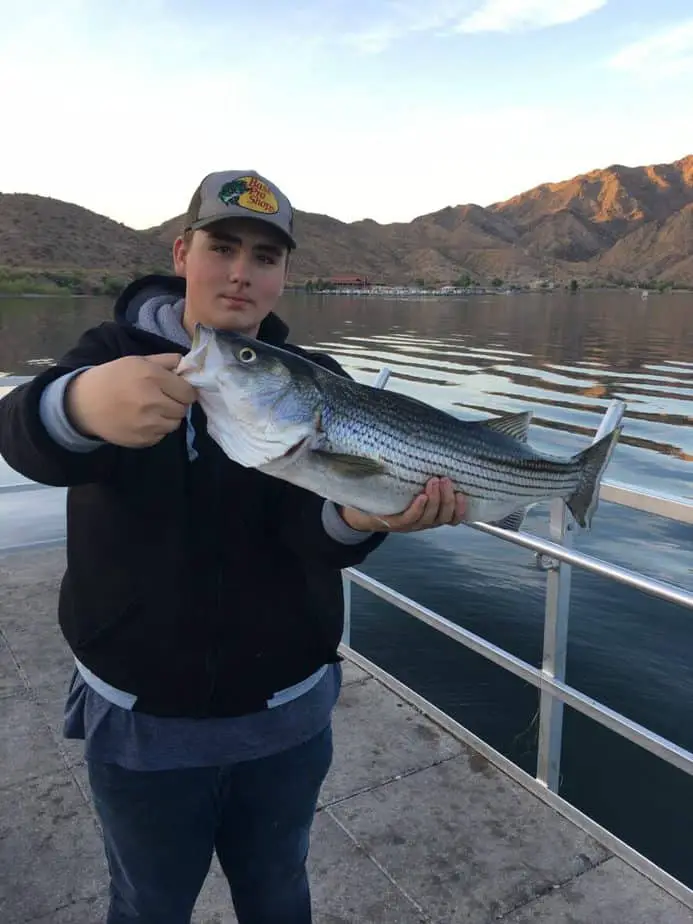
    but the trophy at the front of the store was in a case and it changed to a striped bass.

    Around this time striped bass got out of Lake Mead into the river system. They had a heyday eating up
    trout.

    Because of that, they grew to enormous sizes. I can’t remember exactly but I seem to
    recall a striped bass in the display case that was over 60 pounds if I remember right.

    This place is the iconic big fish travel destination. There have been people coming here for decades to
    catch big fish whether they be trout or striped bass.

    Willow Beach, Arizona is a popular destination for fishing enthusiasts living in Las Vegas, Nevada. One of the main reasons for its convenience is its proximity to the city. Located just an hour and a half drive away, it is a relatively short drive for those looking to escape the hustle and bustle of the Las Vegas strip and enjoy some peaceful time on the water. Additionally, the drive to Willow Beach takes you through beautiful desert landscapes, making for a scenic journey.

    Another reason for its convenience is the variety of fish species that can be found in the area. Willow Beach sits at the base of Hoover Dam, where the cool water released from the dam creates an ideal habitat for a wide range of fish species. Anglers can expect to catch rainbow trout, striped bass, catfish, and even the elusive razorback sucker.

    The fishing itself is also convenient at Willow Beach. There are several boat ramps, fishing piers, and shore fishing spots available, providing ample opportunities for anglers to cast their lines. The park also offers several amenities, including restrooms, picnic areas, and campgrounds, which are perfect for those who want to make a weekend out of their fishing trip.

    Willow Beach also offers a great option for those who want to fish without the need of a boat, as the fishing pier is open all year round. This is a great option for families, and the park is also well known for its educational programs that teach kids about the importance of conservation and the different species of fish found in the area.

    Willow Beach, Arizona, envelops you in a tranquil oasis of serenity, where the gentle lapping of the Colorado River against the shore creates a soothing symphony of nature.

    Finally, for those who are new to fishing, the park staff and local fishing guides are always willing to offer tips and advice to help make your fishing experience a success. With all these factors combined, Willow Beach offers a convenient and enjoyable fishing experience for those living in Las Vegas.

    I took a 100 person survey on facebook if people like bass fishing best or trout fishing best. Here’s the results.
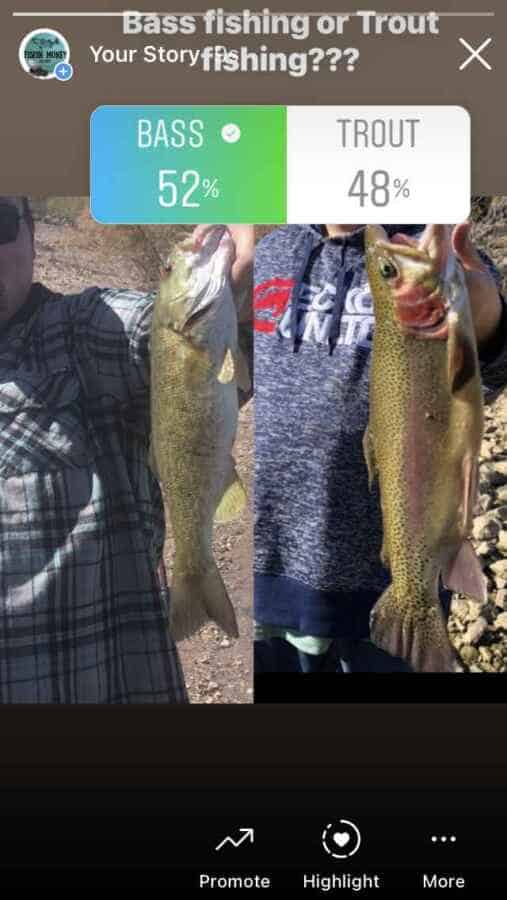
    poll

    Can You Swim at willow beach?

    There is no swimming allowed at the marina but if you go outside the buoys you can swim. You should be warned that the water is ice cold year around though.


    Do I need an Arizona fishing license to fish at Willow Beach?


    There is a lot of confusion unless you already know about whether you need a license to fish at
    Willow Beach or not.

    First of all yes you do need a license to fish at Willow Beach. However, if
    you have a Nevada license that will work as well.

    It doesn’t matter if you are on a boat or on
    the shore as long as you have a Nevada or an Arizona license you are good to go.

    Do I need a stamp for Arizona or Nevada at Willow Beach?

    The answer is
    no. Some time ago they did away with the stamps. Now when you buy the license it is included
    with the license if you get it in Nevada or Arizona does not matter.

    Do I need a trout stamp at Willow Beach?

    Again the answer is no. Back in the day you
    used to have to buy a trout stamp but nowadays that is included with the license as well no
    matter which state you come from Arizona or Nevada.

    [ninja_tables id=”80473″]

    Do I need a stamp for a second pole at Willow Beach?

    Once again the answer to that is no. It is
    included with the license and you can have up to two poles but a maximum number of three hooks
    between the two poles.

    So I usually fish one pole with one hook in the other pole with two
    hooks.
    At the end of this article, I will give you a willow beach fishing Report for 2021


    Can I catch striped bass at Willow Beach?

    The answer is absolutely yes you can.

    What are the
    recommendations for catching striped bass?

    Well you can do it similar to the way you do it in
    Lake Mead- bait fishing with anchovies that are frozen.

    Cut them in thirds and put them
    on a standard worm hook. Use about 1 ounce of weight and toss them out there about as far as
    you can get them.

    If you are on a boat you can do the same thing or you can go upstream a ways and float down slowly with an anchovy on the hook slightly above the bottom.

    Another
    recommended way to catch striped bass is using baits that mimic baitfish. Either a lure that
    mimics a shad or one that mimics a trout or even bluegill.

    These are terrific to use because
    the bass and the striped bass love to eat these smaller fish, especially trout.

    In case you did not know trout are stocked at Willow Beach every Friday. When this happens it’s like buffet time for
    the striped bass. This would be a good time to throw out a swim bait that looks like a trout.

    last but not least you can use live bait which you can get from my buddy mike wigglerarmy.com

    Can I catch trout at Willow Beach?

    Again the answer to this is an astounding yes.

    How do you catch trout at Willow Beach? I would suggest the old standby Berkeley power bait and fish
    somewhere around the picnic area by the store or the fishing pier over by the hatchery.


    Probably the best place to catch trout. Anywhere in between that is able to be official legally is
    good as well. If you have a boat or kayak you can go up or downstream and fish The coves. The
    trout like to hang out in there as well and you can catch some real big trout at Willow Beach.


    Both of my sons have caught 5-pound trout there. In case you were wondering yes this was
    recently it was 2020.
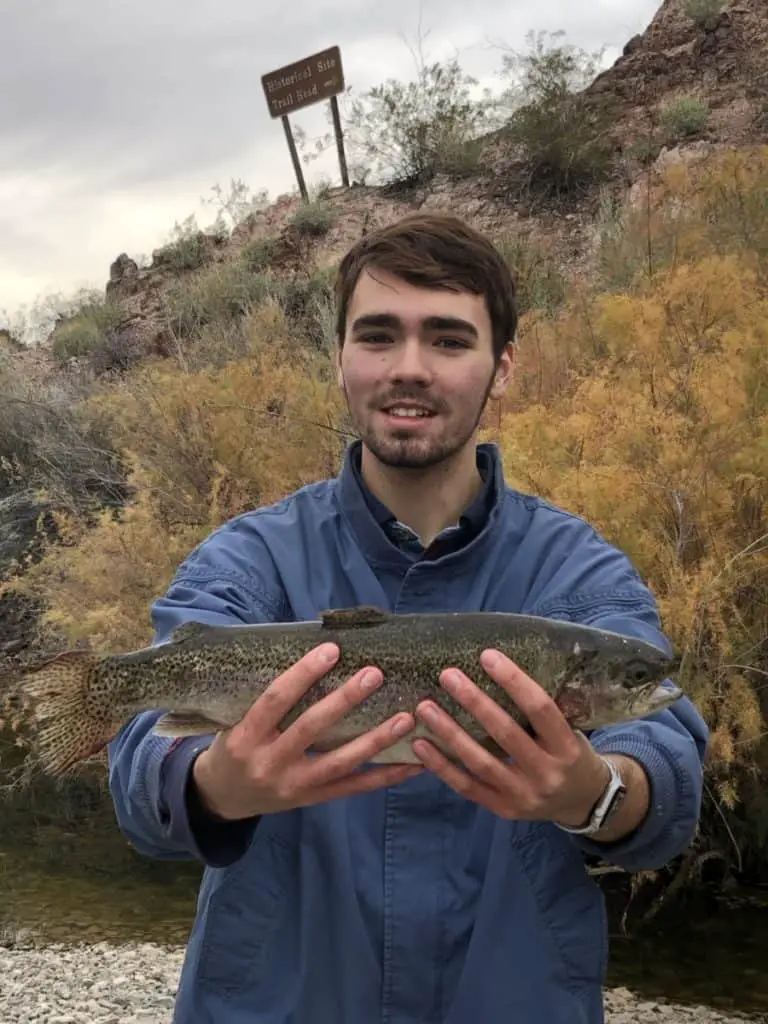
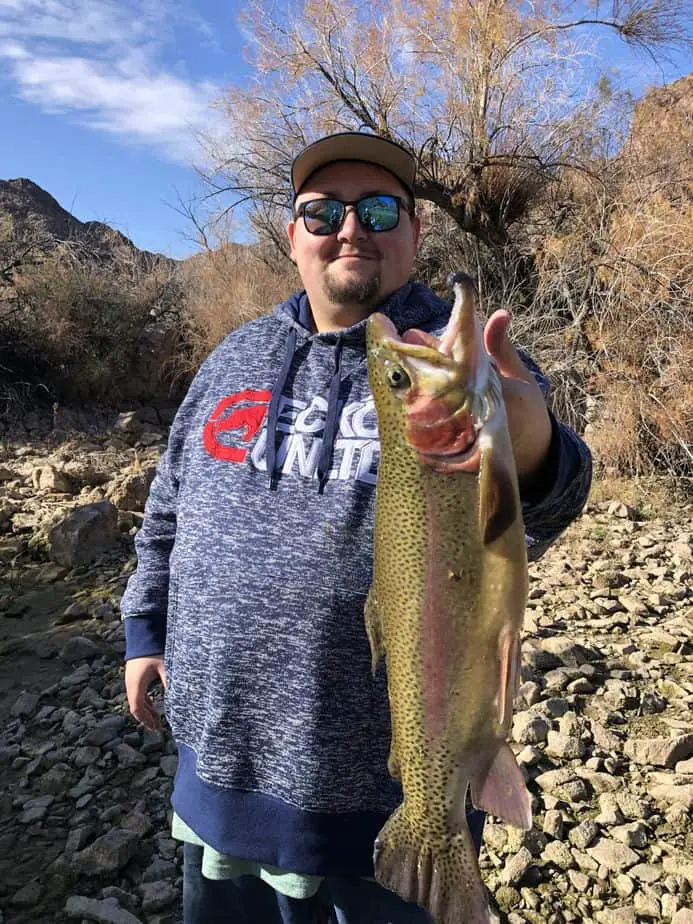
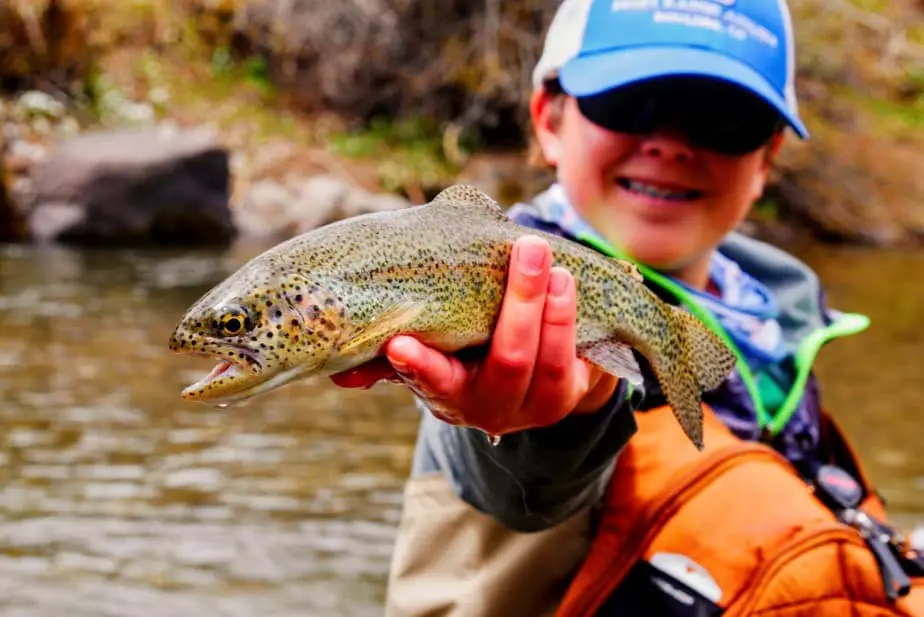
    My son Lorin at Willow Beach – This Rainbow Trout was caught on a Berkley Mousetail

    I know the best do you eat the trout but the hatchery also put out some
    very large ones for the anglers to catch. You can also use lures like spinners for trout and even
    jerk baits that are semi-small.

    Another popular soft bait or mouse tails made by Berkley. Also,
    regular old nightcrawlers are a great option. You can get them from my friend mike
    wigglerarmy.com


    Marshmallows are a good bait for trout as well. Some people use the garlic-flavored ones made
    specifically for fishing but the little colorful marshmallows that you put in your hot cocoa do a
    nice job too. (the garlic flavored ones give me bad breath)

    Lastly, a super very good option is wax worms or mealworms that you can get at
    the store at Willow Beach. Keep in mind Arizona time is different than Nevada time most of the
    year and the store closes fairly early.
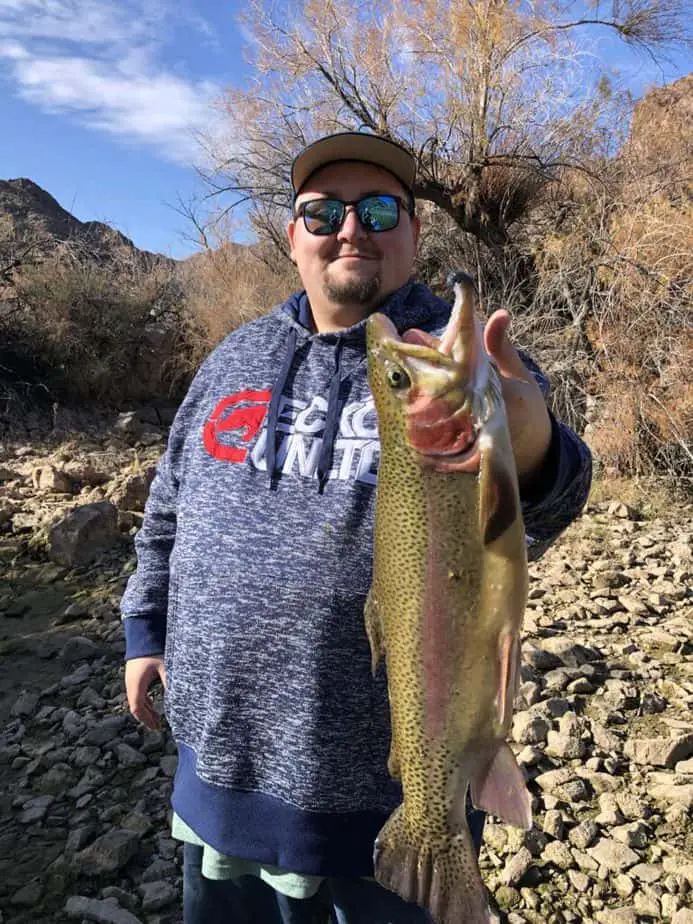
    My Son Jerren. His Beautiful Rainbow trout was Caught on a nightcrawler available in LasVegas Here


    What are some Willow Beach fishing tips?

    The first tip I would give you is to try to fish in the off
    hours to beat the crowds.

    A lot of people go down to Willow Beach If you try to go during a holiday weekend you are
    going to fight for elbow room. I would say if you go in the morning during the week that would be
    a terrific time.

    Ethan Enns fishing on the pier at Willow Beach during an off time when there are not too many crowds

    It doesn’t matter if you are going just to kayak or if you are fishing, the middle of
    the week is a good time.

    Late in the evening is also a good time. Only the most diehard
    fisherman are out there after about 10 PM so getting a spot is not so hard except maybe on the
    weekends. They do have a very nice fishing pier at Willow Beach and it’s quite large but in the
    late summer, there’s a lot of grass around the pier so it’s kind of difficult to fish.

    If you are going to fish the pier in the late summer you are going to want some sort of gear that you can cast out
    very far. This will get you out past the grass and give you a better chance of getting a striper.


    Mouse tails and wax worms seem to do the best on trout if you can see them. Plop one of these
    baits in front of them and you can usually get their attention with it especially the wax worms
    and regular worms.

    The best piece of advice I can give you if you want to catch trout is to go
    there on Friday morning. Prepare for heavy traffic along the shore because a lot of people know
    that the department of wildlife stocks Willow Beach at the ramp on Friday mornings at about eight.

    Watch out for the no fishing signs. You need to stay in the designated fishing areas which are a
    little ways away from the docs. If you are fishing for striped bass this is a good time too.
    Because the stripers come in to eat the trout. Putting something out there that looks like a trout
    is a good bet during this time.

    A Colorado River Rainbow Trout caught off the fishing pier at Willow Beach south of Hoover Dam. Caught on Berkley Power Bait. Orange


    Willow Beach trout stocking schedule 2021

    All I can tell you is that they stock Willow Beach at about 8:00 AM every Friday morning. There
    are occasions when that schedule is changed for example during Covid lockdowns they did not
    stock for quite a long time.

    There may be other reasons why they don’t stock for example if it is
    a holiday. Other than that they are pretty regular about it.

    Willow Beach Fishing Guides

    There are fishing guides that will take you fishing at Willow Beach. The one I recommend is
    Travis Pitt Bass Experience.

    Tell him Darren from FishinMoney sent you.

    Willow Beach Fishing Report 2021

    It’s willow beach. itseveryones favorite place to go get skunked. However if you follow the tips I give in this article you can also hit one out of the park. Oh and if you land-a big one, make sure to stop at the Willow Beach General Store and put your name on the board! and Tell em FishinMoney sent Ya!
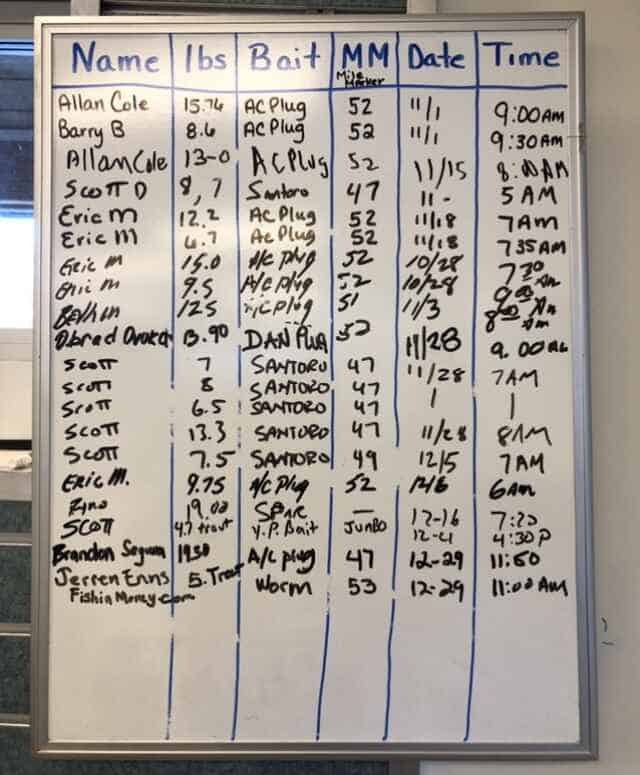

    That’s my boy at the bottom Hey Who else shows you this stuff? That’s Right FishinMoney got your 6.
  • Fishing at Lorenzi Park Las Vegas Aka. Twin Lakes

    Fishing at Lorenzi Park Las Vegas Aka. Twin Lakes

    When I was a kid there was one thing that you could count on that was always on my mind and that was fishing. 

    Of course when you’re a kid you only have what you have and that is not much when it comes to fishing gear.

    Get live Striper and bass bait HERE

    Of course, I had a fishing pole but I must have gotten for Christmas or my birthday and I had a tackle box with a few things in it.

    Your run-of-the-mill bass curly tail jigs, a couple of flies for trout, a handful of bobbers. 

    Get A Free FishinMoney Sticker HERE

    And a few other odds and ends like some 6 pound fishing string. And assortment of hooks mostly for trout.

    When my friends and I got lucky enough to get dropped off at Lorenzi Park to do some fishing we had a blast together.

    I don’t recall who all was there but I remember that my friend Shane and I quickly learned that the fish in the pond at that time were so small that you needed a Hook that could fit in their mouth and we do not have any that small.

    As I recall I took a small treble hook and type two hooks off of it to make one single hook that was small enough to try to catch some bluegill.

    It took us most of the day to figure all of this out and get our gear ready to actually catch a fish but in the end, we did not give up and we were able to catch bluegill that day.

    I don’t go back there anymore, at least I have not been there for many years because in my opinion there are other places that are better for fishing.

    The neighborhood is a little tough and although in the daytime it’s fine I would not want to be out there too much at night.

    I prefer places like cold Creek, veterans memorial pond in Boulder city, and even Sunset Park.

    But I know there are a lot of people who for one reason or another are going to Lorenzi Park and they want to know where to fish when they get there.

    Where should I fish at Lorenzi Park?

    I can tell you exactly where I always had the best of work and I can also tell you where would be a good place now to finish when you get there.

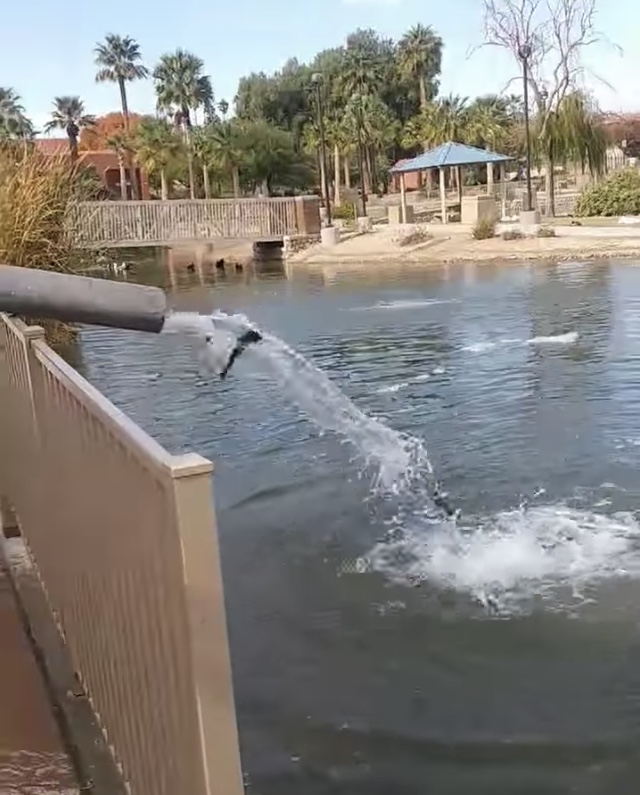
     Around the center of the pond between the two lakes, there is a bridge. Near the bridge, you will see a blue roof picnic area. Next to that, you’ll find some steps that lead down to the water and an overlook with a rail around it that’s where you want to go. Just remember it’s near the center bridge that crosses the two lakes find the steps near the bigger lake and it’s right there. I’m going to include a picture of the place that I’m talking about and you will quickly see you once you see the picture of why I recommend this place.

    This is the place where I was able to catch bluegill when I was a kid. 

    What bait should I use at Lorenzi Park?

    We used Webber’s white bread. 

    Yeah, no joke we just rolled it up into a tight ball and put it on our hook. Every time we cast and we were able to get lots of bites.

    The problem with using this type of meat is that as soon as he gets wet it starts to get loose and it’s not too long before it comes off your hook.

    It’s really easy for the fish to steal your bait. But it’s cheap and his kids that was what made the most sense to us I guess.

    Nowadays if I were to go there I would probably bring some Berkeley power bait. You can make small little balls of bait for fishing and it would be much harder to get it to come off of your hook.

    How do I fish for trout at Lorenzi Park?

    However, if you are going to fish at Lorenzi Park during the fall and spring before it gets too hot. I would still recommend the same exact spot for fishing however you might be fishing for a different species.

    That pond is now stocked with rainbow trout. Back when I was a kid it was not but now it is and also during the hot summer months it is stocked with catfish.

    If you are fishing there any time between November and March you can rest assured that there are rainbow trout in there and in that case I would go with a very small treble hook maybe a size 14 and Berkeley power bait for trout fishing.

    How do I fish for catfish at Lorenzi Park in Las Vegas?

    If you go there during the summer months or hotter months, I would recommend using a small warm hook and you could try using nightcrawlers or anchovies.

    You will need to know where you can get nightcrawlers and anchovies so I am going to tell you here.

    The best place to go for that is the Walmart sports section. They have a refrigerator and a freezer where they keep both nightcrawlers and anchovies.

    However, I am going to give you my best tip of this article. If you are fishing for catfish in the warm months, go to the grocery store and buy some small shrimp. Put that on your hook and you will knock out those catfish.

    There you go don’t say I never gave you nothing… LOL

    Make sure you go to the front page of my website and request a sticker for free. That way you can tell people who gave you the best fishing tips for Lorenzi Park in Las Vegas 

  • Do Trout Eat Mosquito Larvae?

    Do Trout Eat Mosquito Larvae?

    Do Trout Eat Mosquito Larvae

    Let’s get right to the heart of your question. Do Trout eat mosquito larvae? The answer is yes they do eat mosquito larvae along with a host of other aquatic critters. Larvae are very nutritious for trout and they are a highly sought out meal.

    Once you get introduced to angling for sport, there is definitely nothing more fascinating to you than getting out on the water. You love to watch the interaction between the fish, your bait, the line, and watch all of their movements in the water as well. They are definitely extremely graceful creatures, and this doesn’t even include if you specialize.

    Once you decide to get into a certain fish, like say, trout, there is no question that you want to learn everything you can about that specific breed. And when it comes to trout, you likely have a myriad of questions about them that you are curious about. One of the main ones would have to be dealing with what they eat; one big question would be, “do trout eat mosquito larvae?” and so let’s analyze the answer to that question.

    Why do we need to know whether trout eat mosquito larvae in the first place?


    One of the main reasons why is because mosquito larvae will make great fish food. It has great nutritional value for the fish and they love to munch on it. If you are attempting to keep up an aquarium or pond, then you should know that many aquarists love to feed fish food to their trout and other species because they think that it will improve the color of their fish.

    Another reason why we need to know whether trout will eat mosquito larvae is because it makes a great bait option for you. Now, do trout eat mosquito larvae or not? The answer to that question is that all fish, including trout, do indeed eat mosquito larvae, and some fish even find it irresistible.

    In a nutshell, trout will eat pretty much everything, including mosquito larvae. And of course, there are many people who have just as much finding the bait or the food for their aquariums as they do with the fish themselves, so you are probably wondering just how you would go about raising mosquito larvae for this purpose. Here are some steps:

    Find a location.

    First of all, you will need to determine a location for your mosquito larvae. They will thrive in an environment that is rife with shaded water sources. They will need a container that is positioned away from direct sunlight, otherwise the sun will beat down on the water and make it a bit too warm for the larvae to continue living. Ideally, you should try to position this container so that it doesn’t get too much direct sunlight. You should also remember to treat this location with care, simply this is where your mosquitoes will lay their eggs. You wouldn’t want to do anything to disturb your future fish food!

    Fill up your container with water.

    Next, in order to attract a high-class bumper crop of mosquito larvae, you should fill your container up with water. In this case, it should definitely not be tap water, simply because it is full of chlorine and that kills the growth of algae, which is the mosquito larvae’s main food source. Instead, you should use rainwater to fill in your container. However, there are ways to cheat, as well. For example, you could use a variety of products on the market today that are designed to remove the chlorine from your tap water. One good example of this would have to be Seachem Prime, which is a water conditioner that many reviewers swear by. However, don’t think for a minute that they are the only product or the only method available in town. There are plenty of other ways to remove the chlorine from your water and get your mosquito larvae running strong. Just ask around.

    Gunk your water up.

    Again, we need to have algae growth in this water in order for your mosquito larvae to flourish. That is why we need to add some “gunk” to your water. Of course, one way to do this would be through just simply leaving your water out on its own. This will usually take about two weeks. Of course, that’s a long time to wait if you are the impatient type. Is there any way to speed up this process? Fortunately, there is. Fill up a filter media bag with grass clippings and drop this bag in your water and you will definitely get algae much quicker than normal.

    Naturally, you could just put the grass clippings in the water floating around loose, but the mosquito larvae will be much easier to catch.

    Play the waiting game.

    Now all that is left for you to do would be to play the waiting game. The beauty of this step is that it doesn’t take any effort on your part. All you have to do is simply rely on the instinct of the mosquitoes to find this area completely on their own, lay their eggs, and begin the process of creating the next generation of mosquitoes. Just remember that these mosquitoes prefer warm weather, and so depending on your region, the mosquitoes may only show up during the summer months. However, it won’t take long at all. Fairly soon, you will see some small wriggling creatures in your water bucket.

    Now, you need to pat yourself on the back, because guess what? You have just successfully raised your very own mosquito larvae. However, you’re not out of the woods yet; you still have one more step left.

    Let’s catch some mosquito larvae!

    Of course, the first thing you need to realize is that mosquito larvae are very small. This means that they can often very easily slip through those larger aquarium nets you buy for catching your fish. Thus, you’re going to have to switch gears for a bit, and you might need to get a baby brine shrimp net for this purpose. Now, you should also realize that mosquito larvae may live in water, but they breathe air just like human beings. You should use this to your advantage and work on snatching them when they come up for air. Make sure you don’t stand right over your water bucket, or you might scare them away. However, even if you do, don’t hesitate to keep trying, because they will come back to the surface again eventually. Finally, in this same regard, it probably would also be a wise move for you to get a clear tub for all of your mosquito growing endeavors.

    If you keep these steps in mind and realize that this mosquito larvae will be immensely attractive to almost all trout, then you are sure to have a good time growing this unique trout bait!

    More about keeping worms alive after your fishing trip – what do fishing worms eat?

    Hey FISHMONGER – make sure to check out my FISHING RESOURCES page.

  • How Can You Tell If A Trout Is Pregnant

    How Can You Tell If A Trout Is Pregnant

    If you are interested in becoming an experienced angler, there are a lot of things that you will eventually have to comprehend. This is especially true if you decide to specialize in searching for one species of fish. Let’s take trout, for example. There are a lot of things you need to know about this particular breed, including when they spawn, how they spawn, how long it takes for them to mature, and their behavior when it comes to bait.

    Of course, another skill you might want to learn would involve determining whether a trout is pregnant or not. In this particular situation though, before you can have the ability to understand whether a trout is expecting, you have to take baby steps. So let’s back up for a little bit…

    How Do You Tell if a Trout is Female?

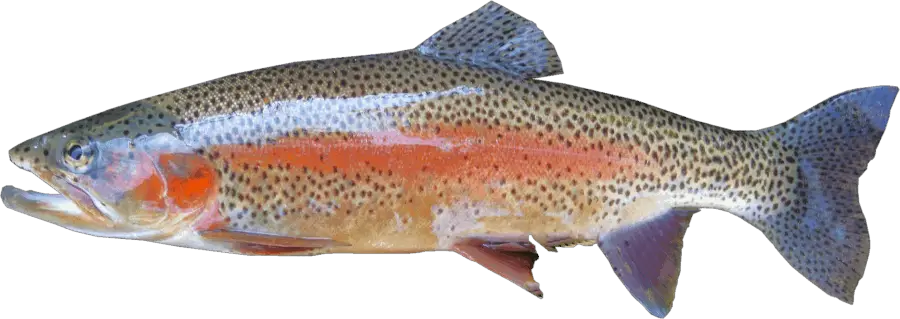
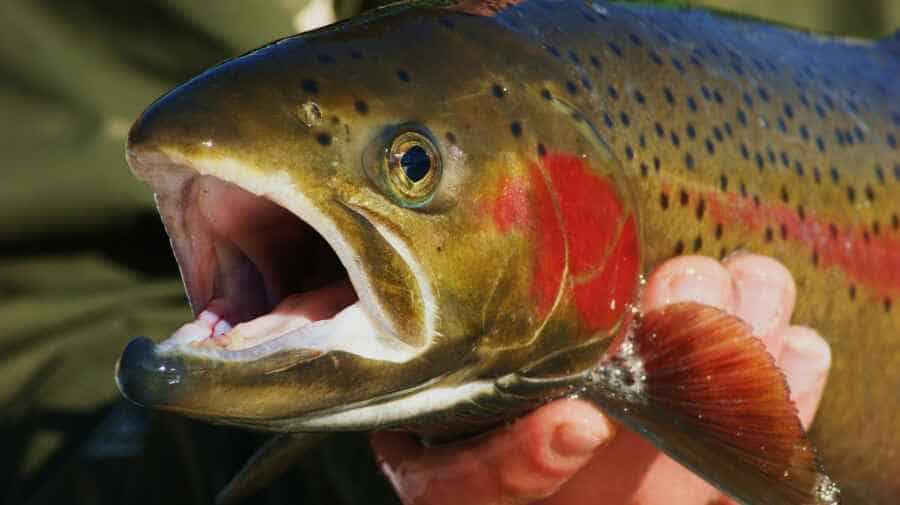
    The first thing we need to do would be to practice the skill of differentiating the male trout from the female trout. You can usually tell the males from the females by looking at either the reddish streak if they are rainbow or the jaws if they are some other type. For example, a male trout will have hook jaws that will grow larger as they reach two years of age. Male rainbows will have their streak appear as brick red, but the female rainbows will have a streak that will appear more pinkish than red, and their jaws will be a lot more narrow than the males. If you are still at a loss for how to determine this, don’t fret; there are plenty of other breeds to consider and plenty of other ways to determine it from type to type.

    For example, on brown trout, you can simply just look at the anal fins of the fish. On females, these fins will normally have as much as 9-12 rays. However, male brown trout will always have less than 9 rays on these fins. Finally, it doesn’t matter what type of trout you are dealing with, a good rule of thumb is to simply look at the size. Generally, the females will normally be larger than the males, not only in length but also in weight as well. Now that you have a general idea on how to differentiate the male trout from the female trout, we can get on with how you determine whether a female is pregnant or otherwise getting ready to disperse her eggs.

    The best way to tell if a trout is either pregnant or otherwise getting ready to disperse eggs is simply to closely observe it if you can. Obviously only the females will carry the eggs, but there are other things to look out for, such as the following:

    Angler Lorin Enns with 5 lb Rainbow Trout

    The trout has a large belly.

    Just like in human beings, some things never change within the rest of the animal kingdom. One of the most tell-tale signs that a trout you have recently caught might be pregnant would have to be the presence of a large, protruding stomach. This isn’t necessarily a foolproof method because a large belly could also mean that a fish has dropsy, which is an abnormal increase in fluid. However, a good rule of thumb if you catch a female trout with a large belly would be to very gently run your hand over the stomach of this bloated fish. In some cases, this might even induce the trout to release an egg right then and there; thus, the trout was definitely pregnant!

    The colors often get much more vivid.

    Besides a larger stomach, a pregnant trout will often have much more vivid colors on that already-remarkable palette of theirs. Part of the reason why this happens is simply nature’s handiwork. Both males and females have their colors come out in full bloom simply because it makes them more likely to attract a mate.


    A pregnant female trout will often have a prominent ovipositor.

    What is an ovipositor, you ask? Well, it’s simply a fancier term for anus. Most pregnant trout will have a small protrusion on this body part, simply because this is where the eggs will come out when the trout is ready to lay them.

    There might be a combination of all three of these things.

    There is no question that determining if you are handling a pregnant trout can be a bit of a difficult skill to learn. However, one tell-tale would be if there is a trout that is exhibiting all three of these characteristics. If you encounter a trout that has vivid colors, a prominent ovipositor, and a large stomach, then it is very likely that they are pregnant.


    Look at their surrounding environment.


    Naturally, this takes a bit more experience, but another factor you could take in mind is in regards to if you are fishing in an area where spawning is known to occur. If you already have a trout that you suspect of being pregnant and you find them in an area where there is a nest, then you most likely are dealing with a pregnant trout. One way to tell if you have come upon a nest would be if there is an aggressive male nearby. You see, once the trout has laid their eggs, it is the male’s job to guard the nests. You will often be able to spot this given male within many trout species simply because he will often be present at the river or stream bottom, swaying back and forth trying to protect the nest from predators.

    Get some experience simply by visiting a fish hatchery.

    Have you ever wondered how the game wardens keep the trout supply going strong in a stocked waterway? Well, part of the answer would be through fish hatcheries. If you are interested in gaining an immense amount of experience regarding how to tell whether a trout is pregnant, visiting one of these fish hatcheries is often the way to go.

    When it comes to being able to tell if a trout is about to lay their eggs, one can never doubt the importance of experience. You have to take baby steps, starting with being able to tell that they are of the right gender first. Then, you have to get out there and handle the female trout before you can tell which ones are about to have young. Sometimes, it all just boils down to five words: Get out on the lake! The more you fish, the more you’ll be able to do this. We’ll see you out there!

    More about keeping worms alive after your fishing trip – what do fishing worms eat?

    Hey FISHMONGER – make sure to check out my FISHING RESOURCES page.

  • What to Do if a Trout Swallows Your Hook

    What to Do if a Trout Swallows Your Hook

    If you have been fishing long enough, then chances are you have posed the following question or some variation of it: “What kind of fisherman are you? Do you do catch-and-release or do you eat what you catch?” You also probably realize that there is a tremendous amount of ramifications for this question as well. Let’s just cut to the chase here: it really does open up a can of worms. However, as long as you ponder each question patiently, there is no reason why you shouldn’t get through it. However, one reason why you should ponder this question is because certain breeds that you try to catch are surprisingly powerful, to say the least. Indeed, here’s a big question for you…if you’re fishing for trout, and one of them swallows your hook, what do you do? That’s a good question, and if you are going to spend any amount of time fishing for trout, it’s one that you simply cannot ignore. Here are some things to ponder:

    There are several different schools of thought regarding how to appropriately deal with this.

    Losing your fishing hook in a trout can be a serious problem, especially if you are in an area that encourages catch-and-release. The biggest problem you are going to encounter is posed in the following question: “Will it harm the fish?” Some say yes, and some say no. First of all, let’s take a look at these two camps:

    Camp #1: It will absolutely kill the fish, no doubt about it.

    Those of us who are well-acquainted with catch-and-release will not be thrilled with this camp, simply because we have a strong preference not to kill what we catch. Part of the reason this camp believes this is because the hook will often impede the fish’s ability to digest food. Some also believe that because there is often a lot of blood present, it must be a painful problem for the trout.

    Rainbow Trout
    Angler Sheldon Enns (my son) with a rainbow trout at Pine Valley Utah.

    Camp #2: It won’t kill the fish, and they will be able to go on their merry way.

    Of course, there is the other end of the extreme, and this usually entails the belief that a trout swallowing a hook will do absolutely nothing to them whatsoever. It should go without saying that most of these people believe this simply because they have heard somewhere along the line that the hook will simply rust out and dissolve due to the trout’s strong stomach acids.

    The short answer for both of these camps is that yes, there is a grain of truth for both of them. However, neither one of these camps is completely correct, so let’s break them down further. Let’s take a look at camp #1 first:

    Will it kill the fish? Not necessarily. It actually depends on several other factors.

    First of all, is the fish bleeding pretty profusely? In that case, you probably should go ahead and just keep the fish because it might die anyway. However, do be aware that blood can look much worse when it is mixed with water. If you have a more experienced angler with you, you probably should ask him or her. Additionally, if the hook is lodged in the gill, then you can usually release the fish. If it’s lodged in the stomach, you should consider just keeping the fish again.

    Fishing for trout with powerbait? (My favorite way) Read this article too.

    Can the fish just go on their merry way? Again, it’s a yes and no answer.

    In some cases, the hook will indeed rust away, but it does depend on the composition of the hook. If it is made of thick metal or a plated hook, it might take a considerable amount of time for this to occur. However, if your hook is composed of thin wire or non-plated hooks, then yes, the trout’s stomach acids should take care of it.

    Of course, now you are probably wondering just what to do about this dilemma. Indeed, what SHOULD you do if a fish swallows your hook? Here are some options:

    Just mercy kill the fish.

    Even if you catch-and-release type of angler, there are some people who will simply just kill this unlucky fish and then use it for bait for the future casts. However, the problem with this option is that unless you are really educated on what your hook is made of, you really can’t tell for sure if the fish would survive (and thrive) or not. Thus, some catch-and-release people don’t care for this option and think it’s the lazy way out.


    Cut out the hook completely.

    This solution can be a good one, but only if you know what you are doing. Generally, this option isn’t recommended for most anglers for a variety of reasons. First of all, you have to know just where the hook is lodged at in the fish. Is it in the gills? Then you’ve got a shot at cutting it out without harming them. Is it in the gut? If that is the case, then you have some serious problems and the fish is most likely going to die whether you try to cut it out or release him or whatever. If you decide to go this route, get ready for some pliers and a bit of a messy job. It’s not for the squeamish.

    Cut off the line going to the hook.

    In some cases, you can simply just leave the hook in the fish by cutting off the wire going to the fish. One example would be the gill hooked fish mentioned above. The fish can usually get by quite well and by the time the hook might cause them some problems because it has already been rusted out within their body.

    Analyze the situation.

    Again, this takes experience, but you should fully determine whether the hooked fish is gill hooked or gut hooked. As a reminder, a gill hooked fish is one that you can often release just fine; just cut your hook off as close as you can. A gut hooked fish is pretty much doomed and you will have no choice but to keep it.

    Next time, just avoid the situation entirely.

    There is no question that having a trout swallow your hook can be a bit of a dicey situation. However, besides the above tips and practices, another option would be to prevent this from ever happening again. Have you ever considered using circle hooks? There are a lot of trout anglers who swear by it, simply because the only thing a circle hook will do is simply pull out of the trout’s stomach and just hook them nice and neat in the corner of their mouth.

    If you keep these things in mind, you should have a much easier time avoiding the unfortunate circumstance of having one of your fish swallow your hook!

    Hey FISHMONGER – make sure to check out my FISHING RESOURCES page.

  • The Best Trout Fishing YouTube Channels

    The Best Trout Fishing YouTube Channels

    In the year 2020 there is no question that we are definitely in the information age. You can learn about practically anything that you want, and there are countless platforms to do so. One of the most well-known ones would have to be YouTube.

    There is an immense amount of videos available to help people learn about a given craft or skill. Take fishing, for example. There are fishing channels devoted to every type of fishing imaginable, from fishing for crappie to fishing for catfish and everything in between.

    worms for trout bait
    Malechi Brooks

    Indeed, there are so many that it can be difficult to figure out which ones are good and which ones are not so good. However, when it comes to fishing for trout, there are quite a few examples out there.

    Are you looking for some really good YouTube trout fishing channels? Of course, before we get started, you probably should realize that most of the suggested channels are not devoted to just trout fishing, but many of the techniques are easily adapted to fishing for this particular breed. Here are some that you should strongly consider:

    By The Way have you ever used a worm pump? It’s my secret sauce and you can pick one up cheap at Amazon Here.

    Salt Strong

    Versatility is the name of the game for the Salt Strong YouTube Channel. They have videos devoted to almost every species of fish, including bass, catfish, and even such obscure options as snook and grouper. However, one of the reasons why they were included in the trout fishing category would have to be because they have plenty of good (and recent) trout-related fishing videos available.

    They have posted at least 15 different trout or trout-related videos. Moreover, one of the things that makes this group unique would be that they aren’t just a collection of videos, but they also market themselves as an online community where other fishermen can bounce other ideas off each other and where they can even take different courses about how to fish for different breeds!

    Yet another notable video they offer would be entitled, “3 Tips For Fishing Points” where it discusses some of the things you can do to catch more snook, redfish, and trout. A couple of these would include going with the flow and to avoid doubting the drop-offs. Of course, it is important to mention that when we say “points”, we are talking about a designation in place and not simply an element of conversation.

    Moreover, one of the best things about this video would have to be that they are excellent at providing strategies for helping you to improve your fishing game. Ask any angler, and they will tell you that they enjoy the experience much better if they are catching fish. There’s just something about getting results from your hobby that makes it that much more enjoyable, and that’s probably why this channel regularly gets views in the tens of thousands for many of their recent videos and views in the millions for their oldest videos.

    Addicted Fishing

    Again, versatility is the name of the game for this fishing channel. One of the best things about Addicted Fishing would be that they provide a number of in-depth “How To” tutorials regarding how to catch all of your favorite fish. For example, they posted a video where they discussed fishing with “plastic pink worms” as a way to catch more trout.

    That video was posted about seven months ago, and it already has over 258,000 views. And don’t think for a minute that that video is the only one that has had that many views. Addicted to Fishing also has a video detailing the “TOP 3 Methods For SUCCESS!” when fishing for trout that has had about 236,000 views as well.

    Moreover, Addicted Fishing has a lot of unique listings for you to ponder. They have videos with titles such as “How to Catch Trout With Jet Puff Marshmallows” (197,000 views), “Using Trout Magnets For a Stocked Lake”(148,000 views), and “The Best Methods For Catching Trout in Rivers, Streams, and Creeks.” When it comes to YouTube channels that offer good trout-fishing videos, my point is this: Addicted Fishing is definitely a keeper.

    Hey FISHMONGER – make sure to check out my FISHING RESOURCES page.

    Fishin Money

    Fishin Money might be a bit of a new kid on the block, but some of the insights they provide are every bit as useful to the trout fisherman as some of these larger channels. Moreover, you definitely should consider the fact that even though they have only been posting videos since last January, they are already up to 102 subscribers.

    Perhaps one of the most compelling videos they have in their offerings would have to be the one posted in early July regarding fishing weights. Perhaps it’s due to COVID-19, but many fishermen are starting to notice that fishing weights are getting to be in short supply in such places as Bass Pro Shops and other fishing retailers. However, ask any experienced retailer, and they will tell you that weights is almost a necessity if you are going to start targeting a specific breed of fish.

    Trout and other breeds will almost always stay at a certain depth, and the weights will help your bait sink to the required level. However, before I digress too much, this angler did notice the dilemma of these major fishing retailers no longer carrying weights. Indeed, some were completely out of them! So what did he do? He made his own! That’s right, and part of the reason why this YouTube channel has so much potential would have to be because it offers several practical life hacks for helping all anglers catch more of their favorite species, trout or otherwise.

    Another good thing that this channel is that it often will combine elements of sports, psychology (RE: the overcoming negative fishing thoughts video), and even an analysis of different fishing locations. This is truly a fishing channel that has a lot of potential and should have a bright future, so you definitely should tune in regularly in order to get some solid angling tips.

    All three of these videos illustrate the fact that fishing is so much more than just a sport. Fishing can definitely be a way of life, and it absolutely can bring families together. Lifelong friendships are made out on the water, along with many new ways of strategizing for the fish. There is no question that fishing is a great way to deal with life, and an excellent way to learn new things about yourself.

    More about keeping worms alive after your fishing trip – what do fishing worms eat?


    Darren Enns Author drives a 4 door ford truck big enough to carry an inflatable pontoon under the camper.

  • How To Catch Spawning Rainbow Trout

    How To Catch Spawning Rainbow Trout

    There is no question that Rainbow Trout are a fascinating and beautiful fish to try to catch.

    Naturally, ask any angler, and chances are they will have a litany of strategies to use in order to try to catch this elusive example.

    Such options as using baits and lures, trying out a variety of strategies on a given day to see what they respond to, and allowing for their eyesight are all good steps to catching as many Rainbows as possible.

    However, some individuals also like to take advantage of catching the Rainbow trout when they are spawning. Moreover, even if you aren’t intentionally going after the Rainbow Trout when they are spawning, you should still be aware of their habits while they are spawning simply to adjust for catching them. Here are some things to consider: 

    Feel free to share this wherever you would like. If you share it to your own website Please give me a link…Thank You

    Be aware that ethics are involved in catching Rainbow Trout while they are spawning. 

    If you are new to the game, you will quickly learn that there is a heavy debate over whether you should even attempt to catch fish at all when they are spawning. This goes for Rainbow Trout enthusiasts as well. Some say absolutely not, while others say absolutely, and still others will say yes, but with some conditions attached. For those who go with the third option when it comes to catching Rainbows during their spawning times, here are some of the strategies they use to have a clean conscience: 

    Hey FISHMONGER – make sure to check out my FISHING RESOURCES page.

    Have a plan made up ahead of time for any picture fish you might encounter. 

    If you land the Rainbow Trout of a lifetime and you have to throw it back without being able to take a picture of it, that would be a shame. However, if you have to choose between throwing the fish back right away or scrambling to get your camera ready to take a picture, you should definitely throw the fish back without a picture. This is because catching a trout is a very traumatic experience for them, and seconds count.

    This is why if you think you are going to catch a picture fish, you and your buddies should have a plan in place ahead of time so that you can still take a picture of your fish and still be able to throw them back as quickly as possible. 

    Do your best not to mishandle the fish. Trout are delicate.

    Along these same lines, whether the fish you catch is a picture fish or not, you should do your best to avoid mishandling them at all. This means you should remove any of your Rainbows from the water as quickly as possible and keep them out only for a few seconds, you should only hold the fish over water, and you should cradle the trout gently without squeezing it. Of course, the proper catch-and-release techniques would be a whole article in of itself, but these are definitely the basic considerations. 

    Do your best to engage in a no-kill policy. 

    Of course, this leads us to our third point: when fishing for Rainbows, you should always keep a no-kill policy at the forefront of all of your sporting endeavors. This is not only because it is humane to the fish, but also because it will keep the population of Rainbow Trout solid for everyone else who wants to fish them. Moreover, it will encourage more spawning to occur, and yet again provide for a solid population of Rainbow Trout both on a spawn and pre-spawn basis. This is a great way for you to be courteous for all of the other anglers out there. 

    Be careful in the spawning beds. Watch Your Step.

    The next thing you will need to do when fishing for Rainbows is to be careful that you don’t step in their spawning beds. Rainbow Trout can lay hundreds, sometimes thousands, of eggs, and the simple act of you not watching where you are going and stepping in the wrong spot in the river bed can lead to a whole generation of Rainbow Trout being killed off. 

    The first thing you want to do is is to educate yourself on the best way to identify a spawning bed. It can be difficult at first, but once you know what to look for it should be easy.

    A Rainbow Trout spawning bed, also called a Redd, is an oval-shaped patch of gravel that will usually be three feet wide and they will be located in water of at least one to three feet. They are often characterized by the gravel, which is usually a lighter color than the surrounding riverbed. If you notice mounds and depressions in the redd sites, that means that the Redd has nests. Needless to say, if you are wearing waders, be very careful not to step in these areas. 

    Finally, once you have identified a redd, make sure that you avoid walking upstream of it because it will muddy up the water and if there is one thing these eggs in that spawning bed need, it’s clean water. 

    Keep your catch a bit limited. 

    In some cases, you should limit your catch of Rainbow Trout, especially if you are in an area where the catch for the spawning trout is going pretty fast and furious. While there are many reasons you should do this, one of the main ones would have to be because there is a greater likelihood of accidental mortality. Of course, this will occasionally happen no matter how careful we are, but as outdoorsmen we all owe it to nature to be as careful as possible. 

    Go with relatively small hook sizes. 

    It really is a good idea to go with small hook sizes. This is true not just with all fishing endeavors, but it is especially true for spawning fish as well. Part of the reason for this is because the larger hook sizes are more likely to damage the vital organs of the fish. When you consider that the spawning Rainbows are already in a bit of a delicate situation, you can definitely see why you should be picky when selecting your hook size. 

    Be aware of the exact time when the Rainbow Trout are spawning. 

    This might seem simple, but although Rainbow Trout will normally spawn between March and May as a general rule of thumb, another important concept to note is that it depends on the different strain of Rainbow Trout as well. Depending on the subspecies, there are even certain Rainbow Trout strains that will spawn all year long. Thus, you should be prepared to ask questions. If you are fully knowledgeable of the location you are fishing at, then chances are you already know just when the Rainbow Trout are spawning. However, if you are visiting an area, be prepared to ask some of the local anglers what they know about the Rainbow Trout spawning times. For example, many of the local fisherman will be able to tell you the strains that will even spawn in the fall months instead of the spring! 

    Darren Enns Author is a father of four boys that LOVE fishing.


    Adjust your bait accordingly.  Eggs

    You definitely shouldn’t neglect your bait during spawning season either! During the spawning season, this Rainbow Trout are going to prefer different types of bait than what they would normally prefer. Hands down one of the most productive techniques you can utilize during Rainbow Trout spawn fishing season would have to be fishing with trout or salmon eggs. Part of the reason for this is because trout and salmon eggs do an excellent job of mimicking the natural grouping of fish eggs. This will definitely entice the trout during the spawning season simply because that is what they are focused on anyway. 

    These fish eggs, which are normally called egg sacks, are one of those things that will literally entice the trout so much that they will almost ignore all other baits completely during the spawning season. Rainbow Trout will be so attracted to these fish eggs primarily because they are usually composed of either salmon or cured trout.

    When you bundle this concoction together in netting and in groups of 10 or 15, you have a combination that is almost irresistible to the spawning Rainbow Trout. Additionally, you also could consider doing some fly fishing during the spawning period as well. The spawning Rainbow Trout always seem to respond well to the artificial lure that is used during fly fishing simply because it resembles a fly insect or a similar type of prey, hence the name fly fishing. Spawning trout are especially on the lookout for nourishment during the spawning season, so there is no question they will go for what they think is a tasty insect meal. 

    Keep some solid Rainbow Trout fishing techniques in your arsenal. 

    Since most of the time these Rainbow Trout will spawn in the Spring months, there are some tricks that you should have up your sleeve in order to have a better chance at catching them. Indeed, there are many techniques to use, and almost all of them pertain to the normal time when the Rainbow Trout are cruising along the shore looking for a mate. As long as you keep some specific pointers in mind, the Rainbow Trout spawning time is a great time of year for you to catch just about as many trout as you want, and right from the shore, too! Think about the following: 

    Jigs and lures are fine, but be prepared to divvy up your approach from time to time. 

    Remember when we said that trout prefer salmon or trout eggs? While that is definitely true, these items can definitely be a difficult thing to acquire at times. Thus, as long as you use them right, you also can go with jigs and lures. Of course, you have to realize that the Rainbow Trout can be very finicky, and what might work one day would be a total wash the next day. Take the example of one gentleman who was fishing for trout on Quartz Lake in Alaska one day. He noticed that the trout were very lazy that day, and he also noticed that his jig was kind of heavy and dragging on the bottom of the lake. Since the fish were not going down to the bottom, he decided to retrieve his jig and start over. What to do? He thought. 

    Well, he solved his problem by simply adding a small bobber to the line so that he could control the depth of his jig. This led to an immense amount of spawning Rainbow Trout being attracted to his line. Indeed, it seemed like he literally couldn’t keep them off his line! Of course, this leads us to our next point as well. 

    You need the right amount of tools. 

    Of course, there are a lot of fishing hobbyists that simply enjoy getting out on the lake and just catching whatever type of fish that comes along. If you’re like that, then all the more power to you. However, if you ever decide that you want to specialize on the type of fish you want to catch, you are going to have to get the right tools.

    For spawning Rainbow Trout, at the very least you will need to have a solid pair of waders, a fishing vest, a solid and durable rod and reel, a nice landing net, a camera (for taking pictures of your catch), and a nice trout tackle box. Along with these items, you will vary up your bait. You should really stock up on the eggs if you are going to have success with spawning trout, and you should also have plenty of jigs, bobbers, and lures as a backup as well. 

    Fishing trout with worms? Read this article.

    Be careful about your line selection. 

    Finally, it doesn’t matter whether the trout are spawning or not, you need to make sure that you shop around when it comes to the fishing line that you use. A good rule of thumb is to fish with the lightest line that you can possibly get away with. This is because Rainbow Trout (and all other trout) have good eyesight, and they could get scared off by a line that is too visible. That is why you often want to go with a two-pound test line in most of your trout fishing situations. 

    If you keep these tips and ideas in mind, you should have no problem being able to catch as many spawning Rainbow Trout as you want. Tight Lines My Friends.

    I recommend joining Income School. I’ve been an Income School member for a little over a year and joining was the best decision I’ve made in working toward my business goal of making money online.

    If you have social media or a blog or even a business in fishing like a fishing guide, you can make money by giving away $10 store credit to your friends and followers. Click Here to find out how

  • Night Trout Fishing With Worms – Love Slim Slimy Ones

    Night Trout Fishing With Worms – Love Slim Slimy Ones

    Are you thinking about taking up the sport of trout fishing? If so, you’ve probably quickly realized that there are many different techniques regarding fishing for them. Ask five different trout fishermen, and you are liable to get five different techniques for trout fishing that they just swear by! How do you tell the difference?

    FishinMoney.com

    Well, you have to just try different techniques out until you find the one that works out right for you. When it comes to trout fishing, there just isn’t a “one size fits all” technique. Of course, one of the most popular strategy would be to night fish for trout.

    Of course, when it comes to night fishing for trout, it can be a whole different kettle of fish (no pun intended) entirely. Here is a brief overview of some of the basic tips regarding trout night fishing: 

    Don’t be afraid to make a splash (literally). 

    If you want to get some trout activity, the best thing you should do is make a pointed effort to get your bait out in the water with a noisy splash. Those ripples across the water will get the trout’s attention in a hurry. This could turn a trout who is simply watching into a biter quite rapidly. 

    Try to figure out your trout’s personal preferences. 

    Trout will have their preferences, and it might vary within the different types. Does the trout you are after like areas that are somewhat lit up at night? Or are they perfectly happy striking completely in the dark? Do your homework on this and you are sure to be rewarded. 

    Cast out parallel to the bank. 

    The trout will generally follow the contour of the lake, and so you should definitely fish parallel to the bank. 

    What About The Bait? 

    Of course, the elephant in the room regarding night fishing for trout would be the bait. In reality, you can definitely make a serious case for using live bait such as worms, and that will be the scope of the rest of this article. Consider some of the following advantages in your trout night fishing endeavors with using worms: 

    Worms will give you more motion. 

    Remember how we just discussed the importance of making a splash in the water? Well, what better way to do this than with live bait such as worms? Naturally, they will not want to be on that hook, so trhe worms will be struggling throughout the whole entire casting process. This is definitely a good way to attract a fish coming to investigate just what all of the commotion is about. 

    Worms will take advantage of a trout’s natural habits. 

    If you are going to night fish for trout using worms, you should be aware that one of the main advantages would definitely be that it is appealing to the fish. Along with walleye, trout is one of those species that will have a tendency to feed constantly through the night. In this case, lures just won’t cut it. You need live bait, pure and simple.

    One added advantage to fishing for trout at night is that they will often not be as skittish as they are during the day. For some reason, they are more bold, and they often will leave their hiding places and go after more prey at night. This can often work out very well for you. 

    Realize that there are several different strategies for using worms for trout night fishing. 

    Considering that worms are a trout’s favorite natural prey anyhow, there are all kinds of strategies that you can employ on the next night you are out fishing for them. This is because using worms for fishing for trout is just about the most productive way to catch them, bar none. Consider some of the following options: 


    Pairing Worms With a Sinking Rig

    This is one of the trout night fishing strategies because it capitalizes on the fact that the trout are already out and about at night anyway and in the shallows looking for their next meal. If you are going to attach your worm along with a sinking rig, it usually is best if you utilize a small hook. Indeed, most anglers will recommend using a size 4 baitholder if you are going to employ this method and then possibly breaking the worm in half. Several anglers have been known to recommend this because the trout are more likely to get the hook in their mouth instead of just getting the tail of the worm in there and missing the hook. You definitely wouldn’t want to get a bite and then come up empty! 

    Again, don’t forget that trout are a very line skittish fish species, so make sure you use a line that is as light as possible. Many anglers recommend using light fluorocarbon lines, simply because they don’t show up in the water but at the same time they go well with the sinkers you should use. 

    Anglers will often recommend using either an egg sinker that is 1/8th inch or 1/4th inch. This is because they want to make sure the line will slide freely through the sinker, allowing you to feel the fish to bite but also ensuring that the fish isn’t warded off by the weight of the sinker and decides to spit out your worm bait. Tip: if you use a small barrel swivel underneath the hook and tie it to your leader with a two-foot leader, this will still allow your worm bait to float around and make it much more likely to entice a trout. 

    Yet another suggestion would be to inject the worm with air using a worm blower. This will often blow the worm up bigger and make it float easier, thus making it easier for the trout to see the worm.

    Moreover, this can be a good practice to get into if the lake or stream you are fishing has a lot of debris on the bed. That extra vegetation could make it hard for the trout to find the worm, and that’s the last thing you want on your trout night fishing excursion.

    Of course, it does take a bit of practice to blow up a worm appropriately, and there is a lot of debate regarding how to do it. Usually, the most effective method would be to insert the furthest point of the bower just under the skin and then give the blower a quick squeeze. However, you don’t want to release the blower while the point is in the worm or the bait will simply just deflate. Instead, you should hold the pressure WHILE YOU REMOVE the blower instead of the normal releasing behavior. 

    More about keeping worms alive after your fishing trip – what do fishing worms eat?

    Trout Fishing Using a Bobber and a Worm 

    If you are planning on night fishing for trout in a lake, this is an excellent method. Ideally, you should be able to find an inlet or a point sticking out into the lake, and then you should float a worm right around these locations. Inlets usually have the water flow to carry bait and other natural food for the trout to eat, so they have a tendency to hang out in these areas. Generally, if you are fishing with a bobber, you should consider using a smaller-sized 4 level baitholder hook when floating around a worm with your bobber.

    This is because you want the hook to be small enough to fit in the fish’s mouth, yet still large enough that you can get the worm in it effectively. Most people will still usually just use a worm that has been cut in half, unless of course they only have very small worms. 

    If you are dealing with lake water that is shallow, you should go with a regular bobber with a three-foot leader underneath. However, with this configuration, you definitely should use the smallest size of bobber that you have. You don’t want a large bobber to get too close to your bait, otherwise it might scare off your trout. 

    Of course, you should yet again change your bobber and line configuration if you are fishing in a lake that has a severe drop off. In this case, using a slip bobber along with 8 to 12 feet of leader is something you could try. However, admittedly this strategy seems to work better during the day rather than at night. 

    Trout Fishing Using a Worm Drifting Strategy 

    If you are thinking about doing some night fishing at a nearby river or stream, then one of the best strategies for you to use would be that of worm drifting. Moreover, this strategy isn’t really that difficult to do either. All you do is simply cast your line out up the stream and then just let your worm drift back down toward you.

    You should make sure to keep any slack out of your line because you will definitely want to be aware of any fight on the line that you might encounter. Of course, you also want to make sure that you avoid reeling in too much line too fast. Doing this will negatively affect the speed of the worm floating in the water, and it will look unnatural to the trout. These fish are much smarter than they seem. 

    If you are going to do this type of night fishing, you will need to invest in the right fishing rod. In order to find the right one, you should start off by fully analyzing the type of trout that have been caught by other night fishers. If the trout are only a pound in weight, then that probably means that you will only need a very light fishing rod with a fluorocarbon line that only weighs four pounds.

    However, if the trout in your night fishing spot are significantly larger than a pound, you probably should go with a rod that has a line of at least six pounds or more. 

    Well, that’s it. That’s pretty much all you need to know regarding night fishing for trout with worms. So, feel free to go and try it out. Except….there’s just one little thing that we are forgetting here. You see, actually, that isn’t it. It might be a good start, but six months to a couple of years down the road, you just might find that your night trout fishing endeavors are becoming kind of routine, and dare I say, boring. However, there is one thing you can do. Have you ever considered changing up the bait? Take a gander at this upcoming suggestion: 

    Night Fishing For Trout With Worms and Marshmallows 

    Yes, you read that right. It’s not a misprint. Experienced trout anglers have been using marshmallows as part of their bait repertoire for many years now. Here’s how they do it: 

    Pick the Marshmallow. 

    First of all, you will need to pick the marshmallow that will be working in tandem with your worm. Interestingly enough, there are many different ways to do this. One of the best methods for using marshmallow bait would be to get one that has been dyed orange, chartreuse, or red in order to mimic trout eggs. Not only is using a marshmallow a good method for night fishing, but it also will do excellent for drift fishing as well. This is due in part to the fact that these marshmallows will naturally float, making them a great option for those trout that never bite at the bottom anyway. 

    Consider using a fish attractant. 

    Perhaps one overlooked area in this already-overlooked bait strategy would have to be using a marshmallow that is scented. Consider adding a natural fish attractant to your marshmallow such as garlic, and there is no question that it will vastly increase your chances of landing that prized trout on your next night fishing adventure. 

    Make sure you utilize the right hook. 

    Feel free to experiment, but many anglers have found success using a hook that measures 6” in length. Ideally, you don’t want one that’s too small. However, you don’t want a hook that’s too large either simply it will look “off” to the fish. 

    If you keep all of these factors in mind, you should have no trouble making night fishing for trout one of your favorite times to go out on the water and enjoy your fishing sport!

    Hey FISHMONGER – make sure to check out my FISHING RESOURCES page.

    Are you seriously looking turn your hobby into a business? I recommend joining Income School. I’ve been an Income School member for a little over a year and joining was the best decision I’ve made in working toward my business goal of making money online.

    <script type="text/javascript">
    amzn_assoc_placement = "adunit0";
    amzn_assoc_search_bar = "true";
    amzn_assoc_tracking_id = "fishinmoney-20";
    amzn_assoc_search_bar_position = "bottom";
    amzn_assoc_ad_mode = "search";
    amzn_assoc_ad_type = "smart";
    amzn_assoc_marketplace = "amazon";
    amzn_assoc_region = "US";
    amzn_assoc_title = "Shop Related Products";
    amzn_assoc_default_search_phrase = "powerbait";
    amzn_assoc_default_category = "All";
    amzn_assoc_linkid = "78e3dd482a293e8d3f94c6f4255b666a";
    </script>
    <script src="//z-na.amazon-adsystem.com/widgets/onejs?MarketPlace=US"></script>
  • Trout Fishing At Night With Powerbait

    Trout Fishing At Night With Powerbait

    If you are into trout fishing, and who isn’t, then chances are you know that there are all kinds of baits and lures that you can use. If you’re like me you have your favorites, Of course, there are many different types of live baits to use, and they practically run the gamut. (I know, Powerbait... Were getting there…) Options such as worms will always be an odds-on favorite simply because they are not only extremely popular with the fish, but they are also popular with the fishermen as well.

    Simply put, worms are not that difficult to obtain. You literally can dig them up in your backyard if you need to! However, besides worms, many trout fishermen also love to go with waxworms, which are the larvae of bee moths. Trout will go for this simply because it is a nice change from the ordinary worm treat they are accustomed to. Of course, you also can go with crickets and grasshoppers, too. 

    Of course, if natural baits aren’t your thing when you are out on the lake fishing for that trout, there are also plenty of made-up lures that you can go for as well. Of course, there are a couple good rules of thumb you should follow when it comes to lures. First of all, the best lures will imitate live bait. Second, the best lures are usually the ones with a flashy design and have plenty of action as well. However, the lures that are truly in a league all to themselves would be those that have the ability to remain still in the water. 

    Feel free to repost this

    What If There Was Another Way? 

    Of course, talking about all of the different baits and lures that are available on the market today for trout still doesn’t address the elephant in the room for the novice trout fisherman: surely there is another way to fish for trout than just these two options, right? Well, the good news is that yes, there is another way, and in some respects it can be compared to the best of both worlds. Let me introduce you to Powerbait, and let me just say that this little concoction is about one of the best ways to catch trout that is on the market today. (I bet four out of five trout Ive caught at night was on Powerbait)

    What is Powerbait? 

    Powerbait is a unique bait that consists of a multi-colored concoction that also has a strong smell and can easily float in the water. Although it appears to be a playdough-like substance and it seems to be a very odd concoction indeed, it is surprisingly effective at catching fish.

    Thus, it is very popular for catching trout. One of the main advantages of Powerbait is that it is made with a combination of PVC and an oil-based resin. Are you still turned off by the strong smell that Powerbait puts off? Well, you shouldn’t be, because while the smell might be off-putting to you, it is pure heaven to a trout and that is part of the reason why there are so many anglers who swear by this Powerbait.

    The strong odors can often come in a variety of options, such as cod liver oil, tinned fish, fish eggs, worms, fish guts, insects, fish attractants, and many other smells as well. Moreover, you actually WANT the Powerbait to be smelly, because it will have a better chance of attracting the trout. To borrow an oft-used phrase: The smellier the better. 

    The Other Question You Might Have… 

    Interestingly enough, there is yet another, twin elephant in this room as well, and it can be best summed up in these questions: Can you use Powerbait at night? If so, how would you go about doing it? What would you have to keep in mind? Finding answers to these questions isn’t as difficult as you might think. 

    Powerbait: A Great Night Time Bait! 

    As you can tell from the title above, the great majority of this blog entry is going to be devoted to the benefits of using Powerbait at night. First of all, one of the main reasons why Powerbait is a good thing to use when fishing for trout at night is because it has a lot of bright colors and some have glitter.

    Moreover, even though Powerbati is best for fishing for stocked Rainbows, it will often even be appealing to wild trout on regular streams or rivers. Part of the reason for Powerbait being so successful even at night would have to be because it appeals to all of the characteristics of the trout. Here are some things to keep in mind: 


    Color is important. 

    When you are night fishing for trout, it is important that you have the right color scheme. In most cases, the Powerbait you can buy will come in a variety of different colors to help you in this endeavor.

    For example, the manufacturer of Powerbait is known as Berkley, and they have a wide array of colors that you can choose from. First of all, they have the main colors of black and blue, which are solid darker colors that will often mesh well with the night fishing environment. However, interestingly enough they also have many different colors that you may have not even heard of. 

    Colors such as Blue Pumpkin, California, Green Pumpkin (in varieties such as blue and red green), June Bug, Okochobee Craw, Pearl White Silver Fleck, Perfection and many, many others are available for you to try out. Of course, many trout night fishermen will tell you to go with the tried-and-true colors, and there is some credence to this.

    Fishing trout with worms? Read this article.

    However, there are some nights where the trout just aren’t biting, and there is nothing wrong with trying out a new color. You just never know what the trout might be seeing, and you just never know how the night shadows might play on the Powerbait color that you are trying out. You never know; it just might be the perfect ticket for landing that elusive trout on your next night time junket! 

    Are you seriously looking turn your hobby into a business? I recommend joining Income School. I’ve been an Income School member for a little over a year and joining was the best decision I’ve made in working toward my business goal of making money online.

    The Science Behind Powerbait Color (Or, Just What Is It That a Fish Sees, Anyway?) 

    Of course, the other wrinkle to all of this is this rhetorical question: just why is Powerbait color important anyway? Again, part of the reason why we want a variety of colors is because we want to mimic what the trout will see in their natural environment anyway. If we exploit their natural prey, we will usually be in good shape.

    However, there is also no way to avoid a science lesson here, either. We have to understand, at least in part, what it is that a fish might see in order to pick the best color. I don’t know if you noticed in the Berkley paragraph, but a lot of the examples that were listed were darker colors. Well, there’s a method to this madness.

    You see, when you cast your Powerbait out into the water on your next night fishing junket, one of the reason why darker colors are preferred has a lot to do with the depth of the water and the fact that the further down you go, the less natural light will be present. Although it doesn’t seem to make much sense to use darker colors for your Powerbait, part of the reason for this is because your trout make a tremendous use of the silhouette that your bait will put off in the darkness.

    Considering that this is the time that many trout species come out to feed anyway, it definitely makes sense to make your Powerbait as appealing as possible to them. 

    Of course, you have to remember that the color of your Powerbait is almost always going to look different in the depths of the water than it will be when you cast it out on the air.

    You have to take into account the characteristics of the already-limited light in the water. You also have to take into account that we as human beings can usually only see such colors as what are already present within the visible spectrum. However, fish can often see colors that we humans cannot.

    Whenever you are looking at a prospective Powerbait to add to your bait collection, you always need to think about what it might look like to a fish. Moreover, in that same vein, there are many Powerbait colors that are highly preferred among anglers. Consider the following: 

    Hey FISHMONGER – make sure to check out my FISHING RESOURCES page.

    Chartreuse is one of the most preferred colors for trout anglers doing their sport at night. 

    Chartreuse is a good color scheme to use simply because it will work well almost under any light combination. It also happens to bemy favorite and don’t forget to get it with glitter. Moreover, some night anglers swear by it because chartreuse will work well in deep waters where it will naturally gets very dark.

    Of course, all we have to do here is just put two and two together, and we quickly realize that chartreuse would also work well for all of your night fishing endeavors as well. Of course, if this is your first time even hearing about the color scheme we all know and love called “Chartreuse”, don’t feel bad. The best way to describe this color is that it is yellowish green, and kind of resembles a lemon-like color. Or you could describe it as Neon Green lol.

    Besides night time fishing, many anglers swear by this Powerbait color when the water they’re fishing in is either muddy or stained. 

    Rainbow Powerbait was also a favorite among trout night anglers. 

    There are a lot of anglers who like the Rainbow option of Powerbait. Part of the reason for this is because this color does well when you are night fishing for trout in a stocked situation. However, the Rainbow color does have its disadvantages.

    For one thing, many anglers have reported that Rainbow Powerbait doesn’t seem to do as well in a more natural, non-stocked environment. Moreover, if you are looking to catch adult trout, you might want to consider going with a different Powerbait; the younger trout seem to respond better to the Rainbow option over the adults. 

    Pink Powerbait was yet another favorite. 

    Finally, many night anglers also preferred pink for their Powerbait choice. Apparently, this is through word-of-mouth, simply because a lot of night trout anglers have tried the pink version just through the trial-and-error process and been able to catch a lot of trout. 

    Powerbait: Like Everything Else in Life, There Is No “Magic Bullet”

    When it comes to trying to catch some trout at night with your Powerbait, there is no question that there are all kinds of colors that you could try. Although some anglers report success with black because of that “silhouette” effect, still some other anglers love that chartreuse or rainbow color.

    The problem with night fishing with Powerbait is that you are liable to get ten different opinions if you ask ten different anglers. However, if there is one thing they can agree on, it would be the fact that if anything at all will attract the fish to the Powerbait, it would be that strong smell that the stuff puts out!

    Thus, there is no question that trout will be attracted to this stuff, and it doesn’t matter whether it’s night or day either. So, if you are night fishing for trout and just aren’t having any luck, besides blaming the Powerbait, here are some other things you can try: 

    Add some artificial stuff to it. 

    If you are night fishing, then you are definitely dealing with low light conditions. Thus, one of the things you need to do would be to consider adding some artificial items to your Powerbait.

    This isn’t just to entertain that inner decorative touch of yours, but it is actually to reflect more polarized light and potentially give you better luck at attracting those night time trout. See if adding some tinsel or glitter to your Powerbait doesn’t help you out. 

    Is it possible that you aren’t being patient? 

    Yeah, yeah, I know, this is going to step on some toes, but fishing with Powerbait can be a bit of a longer process. You not only have to keep a lower profile, but you also have to cast out the Powerbait and let it sit for a decent amount of time.

    This is because the strong fish-attracting smell needs time to permeate throughout the water. Of course, the same regular fishing rules apply as well. Make sure you don’t do anything that might spook the trout. 

    Don’t be afraid to try other areas of the lake. 

    The other possibility is that you just aren’t in the right part of the lake or waterway. There is nothing wrong with trying another part of it and see if you have more luck. 

    Either way, there is a strong possibility that you will catch night time trout by using Powerbait. As always, you get out what you put in. Don’t be afraid to research new techniques, and don’t be afraid to learn from others.

  • Ice Fishing For Trout at Night, Do They Bite

    Ice Fishing For Trout at Night, Do They Bite


    Trout are a coldwater species and they remain active under the ice because the water is cold. You need to look for shallow flats of 4-8 feet deep, with soft bottoms. Trout will flock to the largest flats that are available during the winter months. They normally hang in approximately 10 feet of water, but as stated above, can be in shallow water as well. During the winter, the flats are well populated with minnows, crayfish, aquatic worms, and other small prey. These fish are some of my favorite to catch and I’ve spent a lifetime fishing for them.

    Do you need an Ice Fishing Flasher? Heres some good choices!

    Because trout are coldwater fish and they are active under the ice, they will bite. It may take longer at night, but you will feel strikes. The trout are not as aggressive at night at some of the other species of fish, but they are there and can be caught. As long as you can handle the frigid temperatures, in some areas, you will have a good chance of catching a trout. Check out my highest recommended Ice Fishing gear Here.

    I‘m going to provide you with some tips and tricks to help you be more successful at catching trout at night under the ice. I will also include 3 great places that have a good supply of trout in the winter time. I will give you a brief run down of rod/reel combos, line, bait, and lures. I’ll go more in depth in articles that are coming very soon, so watch for those. 

    Did you know I own a fishing memes Facebook page?

    3 Popular Night Fishing Areas

    If you want to go ice fishing, no matter what type of fish you are wanting to catch, your best bet is to go up north. The colder states, and Canada have amazing ice fishing. But, what about for trout? Let’s take a peek and see where you will need to travel. 


    1. Lake of the Woods: situated on the border of the United States (Minnesota) and Canada {Manitoba and Ontario). It is the 2nd largest freshwater lake, next to the Great Lakes. Besides lake trout, you can also catch walleye, perch, northern pike, and whitefish. During the frozen ice months, you will see hundreds of fish houses (also called ice houses) scattered around the Lake of the Woods. Some will be moveable ones, so that they can be relocated to where the fish seem to be each day. 

    1. Lake Diefenbaker, Saskatchewan: This lake spans 145 miles and is extremely popular amongst Canada (and other) anglers. It has a few prime spots along the 145 mile stretch, to catch walleye, pike, rainbow trout, and lake trout. The trout that you catch here are known to be over 10 pounds. You will want to schedule your vacation in January or February, because that is peak season for trout. Make sure you have plenty of layers of clothing because it will be extremely cold at night. 

    1. Antero Reservoir: Located 100 miles from Denver, Colorado this reservoir has a diverse trout population. This includes rainbow trout (which are said to get quite large). Look into staying at the Mountain RIver Lodge for your accommodations. It is close to the water, and has all of the amenities that you could possibly ask for. Be very prepared to possibly catch a trophy sized rainbow trout, along with kokanee salmon, splake, and greenback cutthroat. 


    Most Important Items for Your Tackle Box for Ice fishing at night

    Now I’m going to briefly touch on items for your tackle box and fishing or trout at night, under ice. You can find my recommended gear HERE. The anglers that prefer ice fishing, whether at night or during the day, count down the days until Jan 1st. This is the beginning, the opening day of lake trout winter fishing.

    I stated earlier that the best time was January and February to catch trout under the ice. 

    Tackle & Bait for night ice fishing

    You want to choose high visibility baits that are going to imitate the prey and forage that trout enjoy the most. If you are fishing in clear water, the trout can actually see your bait from quite a distance away. Stick to a white or color that imitates minnows. They are natural looking and highly visible. But do remember that trout are line shy. We will cover the line next. 

    Fishing line you should consider for ice fishing

    When ice fishing, it is suggested that you choose braided line. It has less stretch, thinner diameter, and more strength than the traditional monofilament. With the almost no-stretch, you will be able to get a good hook-set in deeper water. Some less active trout, will hold at 20-30 feet deep, but will still strike your line if presented with the correct bait/lure. 

    Rods & Reels for fishing at night on the ice

    For ice fishing, you want to use a longer than normal ice rod. These are going to help you when there are bigger fish on the ice. You will get more hook-setting power and more shock absorption when you are fighting the big trout. You want to make sure it is medium to medium-heavy action. The spinning reels will be more efficient for moving your bait around in the water. If you are going to be using heavier baits or baits with heavier hooks, then you will want a bait-casting rod/reel combo. 

    When you are fishing for trout at night, under the ice, some anglers prefer to use electronics. This makes it easier to spot the fish that are suspended throughout the water column. You can also choose whether or not to use leaders. This will be a personal preference. 

    Conclusion

    Trout will bite at night, under the ice, when they are provided with the correct bait/lure. Do some extra research for the area that you are going to be fishing at. Also remember to check the rules and regulations and purchase your fishing license. Take plenty of warm clothes and other supplies so that there is no chance for hypothermia or frostbite.

    Check back often, as we will be discussing more in depth, the items that you are going to want to have in your tackle box for catching trout. Whether it be day or night, ice or warm weather. We will do our best to provide you with all of the information that you need. Until then, Happy Fishing!

    Check out these Recommended Ice Fishing Boots from Amazon.

    Hey FISHMONGER – make sure to check out my FISHING RESOURCES page.