Category: Bass

  • Fishing: Is It A Sport Or Simply Just A Hobby?

    Fishing: Is It A Sport Or Simply Just A Hobby?

    There is no question that fishing is something that has brought together literally millions, perhaps even billions, of people over the centuries. Many fond memories have been made between father and son, nephew and uncle, aunt and niece, and between childhood friends as well.

    Indeed, in the 90’s country music video “Feed Jake” by Pirates of the Mississippi, there is a scene where two young boys are headed out to a lake with fishing poles in hand! However, much like this ancient pastime, the art of debating things seems to be a pastime that is old as society itself.

    Of course, you might be asking, just what is there to debate when it comes to fishing? Well, as it turns out, actually plenty of things. One of the most pressing would be this question: is fishing considered a sport or simply just a hobby? Either way, it seems that everyone has an opinion on that age-old question.
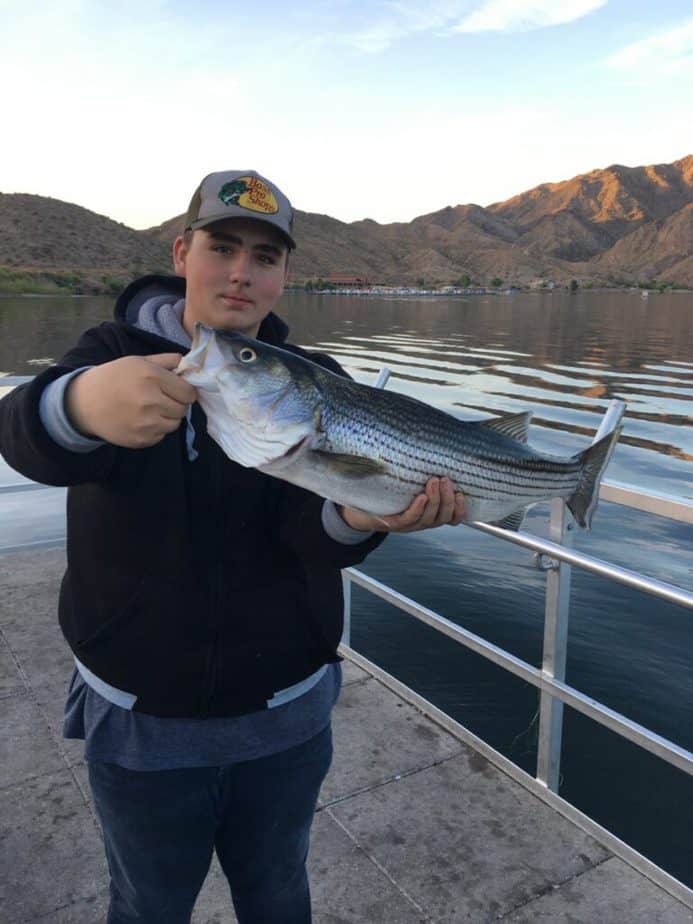
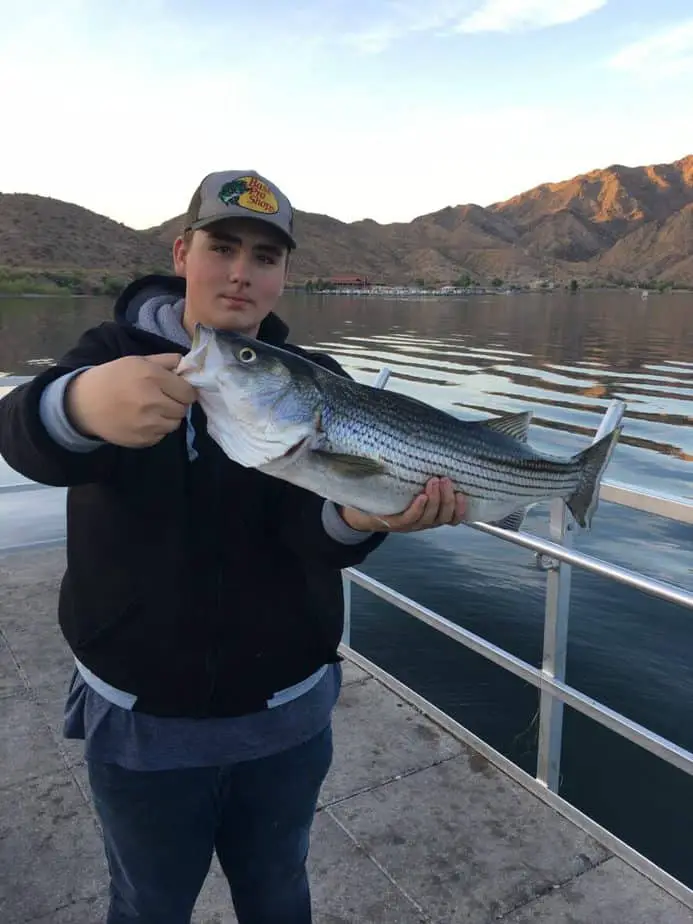
    Ethan Enns with a Striped Bass at Willow Beach Pier

    Since a sport should include physical exertion and skill in order to compete against others or yourself, we can definitely say that “yes” Fishing is a sport.

    When it comes to fully gauging whether fishing is a sport or not, there seems to be several camps. In one arena, we have what I call the “PETA camp”, and frankly, they are pretty adamant that no, it’s not a sport, because fishing is simply just a leisure activity that all individuals can do and requires no skill whatsoever, so how could it ever be a sport? (Hey, don’t flame me, I’m just telling you how they view it) In other words, they believe that fishing isn’t a sport simply because anybody can do it.  

    Another camp agrees that yes, anybody can do fishing, but it still can be regarded as a competitive sport simply because it does require some degree of skill and, at the same time, it can be enjoyed by people from all walks of life regardless of age, sex, size, strength, or even disability. Either way, all it takes is a couple of hours worth of research before you realize that there is a litany of forums where some are adamant that it is a sport while other forums are just as adamant that it absolutely is not a sport whatsoever.
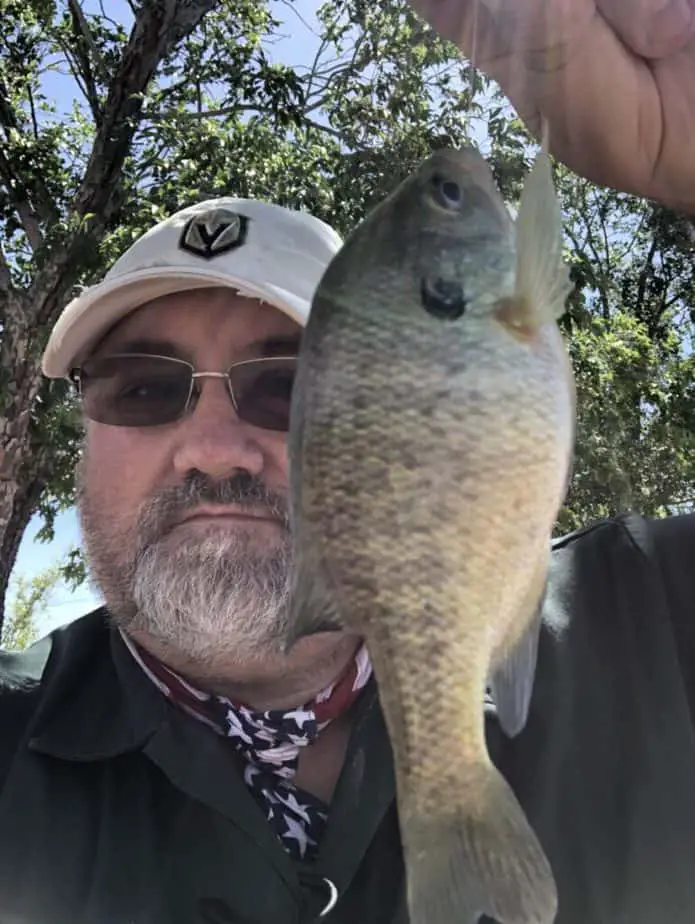
    Author Darren Enns with a Bluegill at Veterans Memorial Park in Boulder City Nevada

    Of course, things definitely get interesting when a venerable internet sports institution such as Bleacher Report weighs in on this topic. Interestingly enough, they seemed to take a rather wishy-washy approach to whether fishing can be considered a sport or not. One of the first things they did was ask themselves several questions regarding the status of whether fishing could be considered a sport:

    Question: Does fishing require any sort of intense exercise or any special abilities?

    Answer: At times, it sure does.

    Question: Do you need some physical skills to do fishing in an effective manner?

    Answer: Sometimes.

    Question: Is fishing considered a competition?

    Answer: In many instances, yes.
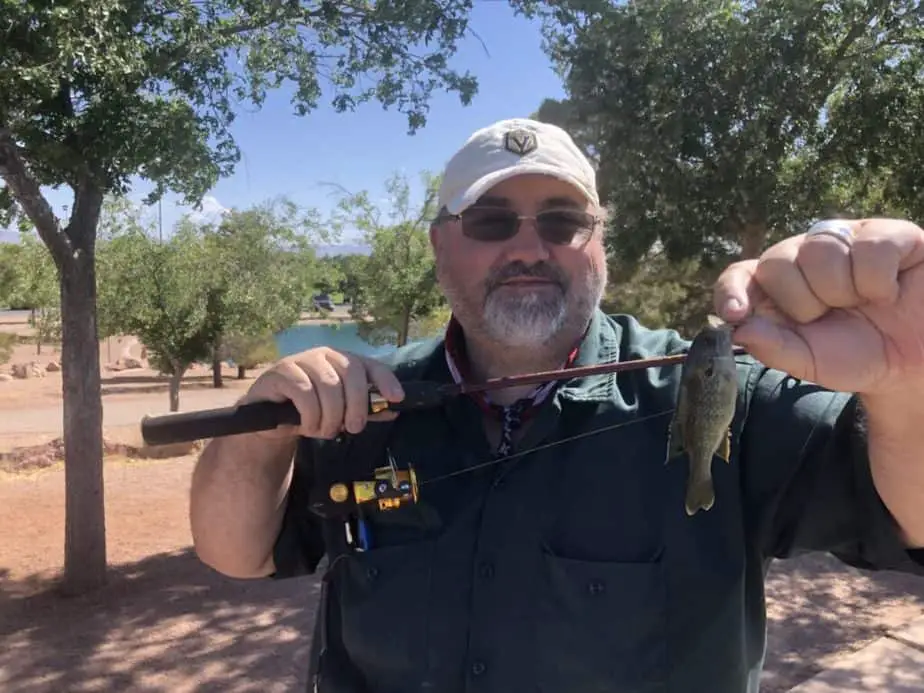
    Darren Enns with a Spinnig Rod and Bluegill

    Still, there are some people in yet another camp, and these individuals say that yes, fishing is indeed a sport, but only in the proper context. These individuals say that simply driving out on a frozen lake, drilling a hole, plugging in your generator, dropping your line, and enjoying some brewskis is not a sport, even if you occasionally get a tug on your line. The same goes for simply riding around on your motorboat and dragging a line here and there; in their eyes, it’s not a sport, even if the fisherman occasionally flexes his muscles to get a small catfish here and there. However, even in this case, there are some who would disagree.

    Of course, there are some cases where you can definitely argue that fishing is a sport. In the case of hauling in a 50-pound bass in a bass fishing tournament, then yes, it is a sport. However, despite the fact that Bleacher Report seems to only feel it is a sport sometimes, many would argue that fishing is always a sport, and here are a few reasons why:

    Both Anglers and Athletes Can Find a Lot of Common Ground

    When most people think of athletics, they only think of those who can dribble a basketball, hit a baseball, throw a football, or bowl a 300 game. However, ask even the most junior fishing angler, and they will tell you that it takes an incredible amount of skill to be able to reel in even a catfish. All breeds of fish have a tendency to fight the line, and do you have the energy, stamina, and strength in order to properly haul it in? Fishing isn’t as easy as it seems, no, not at all. I mean, how

    much literature has been written regarding how difficult it is to reel in a fish? Literally a whole library! The book “The Old Man and the Sea” is just the beginning. “Wicked Tuna” is one of many shows dedicated to the ancient discipline of fishing.

    All of the above experiences are just in reference to your everyday, ordinary fisherman. What of the big-game fisherman? Trust me, those that go after that huge, giant fish are completely wiped out after fighting a fish that is on par with Andre the Giant in aquatic form. They may not show it when they pose with that catch for that picture, but that smile simply means that they are “tired, but happy.” These championship fishermen are every bit as tired as someone who has gone toe-to-toe with a heavyweight boxer or a rock-solid UFC fighter. Seriously, if you don’t think that it’s a workout to land a 50-pound tuna, then think again.

    Like other athletes, anglers follow many strict personal regimens.
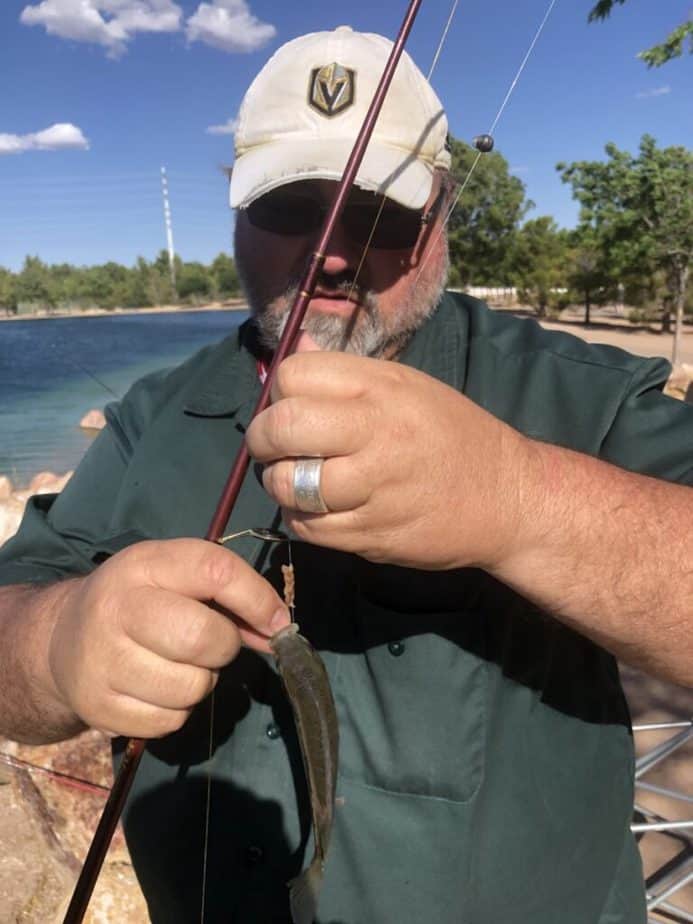
    Fisherman Darren Enns go Knights Go

    Additionally, you should be aware that if you talk to any angler out there, they will consider themselves to be an athlete even if no one else does. They will take their fishing discipline seriously, and they will have certain pillars in their lives that they will swear by for top-notch performance. Like other athletes, they will have certain training, diet, sleep, and studying regimens that they will follow religiously. They will always want to make sure that they get enough sleep, simply because they realize that they would have slower reflexes while on the boat the next day. Heaven forbid they miss some serious fish movement in the water below the boat simply because of sleep deprivation!

    The experienced angler also realizes that they must have a balanced diet in order to function properly. Most anglers will have an arsenal of food choices to make sure they have all of the minerals they need for a day out on the water. Snacks such as eggs, bacon, coffee, and energy drinks have become a staple for many fishermen. Alternately, some anglers will go with granola bars or other healthy snacks. Still, other anglers will often swear by sunflower seeds, nuts, or beef jerky.

    Either way, whatever habits an individual angler might have, they all have one common denominator: all of them have a drive to succeed, and they all realize that the only way to do this is through understanding the science of their fishing passion.

    Fishing can improve your physical health.

    If you approach it right, fishing can definitely improve your physical health, much like any other sport. Fishing will take a worn-out couch potato and give them something to do with their time that actually takes physical activity to pull off effectively. For one thing, you often will have to make your way through some rocky natural terrain to get to your fishing spot. Additionally, you will often have to find a location for building your fishing line, providing valuable muscular exercise. Casting and reeling on a repeated basis will help you work on your eye-hand coordination. Finally, the activity of fishing has been recognized as a low-stress way to work on your hands, forearms, wrists, biceps, shoulders, and triceps. Perhaps not surprisingly, there are many psychologists and counselors who recommend fishing activities for injured veterans as well!
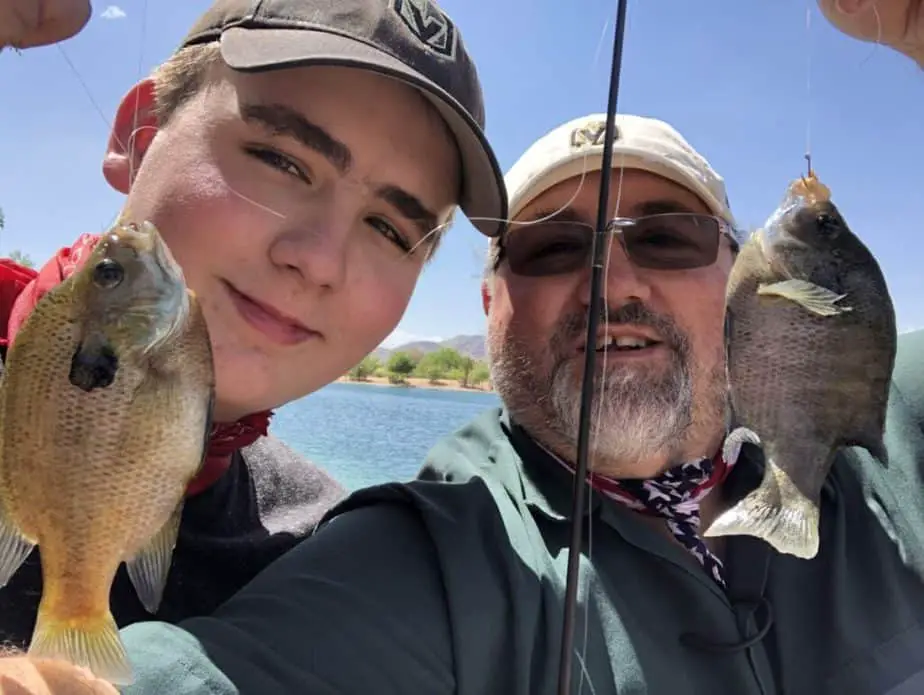
    Ethan Enns and Author Darren Enns Team FishinMoney

    Like many other sports, fishing promotes your well-being in a variety of different areas.

    It is actually a proven fact that angling is a very therapeutic thing for someone to do. Of course, there are many other sports that you can go with, and that’s your prerogative. However, many of these other sports are very tedious, and they can cause extreme stress, broken bones, or could even be life threatening. Continue to try these sports if that strikes your fancy, but all the while fishing is sitting on the sidelines, promising you a refuge from all of the stress of your hustling city life, and it’s even a sport that won’t pressure you, unlike bull riding or car racing, for example.

    The best way to sum it up is that fishing will be a serene way for you to pass your time. You cast your line out on that lake and you get a well-deserved break from all of the stressors in your life. Of course, if you prefer running sprints in football, having a hockey puck flying at you in hockey, or diving for a line-drive in baseball that is up to you.

    Considering all of the stressors regarding these other options, fishing would seem to be quite a bit more appealing to many other hobbyists.

    Like other sports, you will learn discipline, perseverance, and leadership.

    There is no question that sports teach us a lot about ourselves. We learn many essential leadership lessons from many of the most popular sports such as football, basketball, hockey, and track and field. However, you definitely shouldn’t leave fishing out of that loop. First of all, fishing still has a team element to it simply because you usually do it with other people. This is especially true in a fishing tournament as the amount of fish you catch is directly contingent to how well your fishing team does.

    Of course, it’s a no-brainer that fishing teaches perseverance, simply because it takes a lot of practice and skill to land some of the largest fish on your targeted lake! Of course, it’s also a no-brainer that getting your children involved in fishing is more than letting them just play XBOX or Playstation all day long. However, even for adults, the sport of fishing will help you develop strength, flexibility, stamina, hand-eye coordination, and focus. These are not only skills that will help you in sports but also on the job and in society as well.

    Moreover, these are skills that we learn just by being out on the water by ourselves. When we enter into a fishing competition, we actually have to step out of our comfort zone and that is when we experience all kinds of thrills, challenges, and we gain more understanding of our chosen sport. This is where team dynamics and sportsmanship come in for sure.

    You will get a serious sense of accomplishment when you fish.

    Finally, like any other normal sport, fishing will give you a sense of accomplishment. You definitely fish for different reasons, whether it be for combating stress, solitude, sanctuary, or even doing it competitively. However, whatever your main purpose might be, there is nothing like the feeling of satisfaction you receive when you feel that first tug on your fishing line. Your happiness and contentment is truly unparalleled.

    Are you seriously looking turn your hobby into a business? I recommend joining Income School. I’ve been an Income School member for a little over a year and joining was the best decision I’ve made in working toward my business goal.

    One of the best things about fishing is that it truly gives you a sense of belonging within the world. Fishing is one of those pastimes where you can get out in nature and experience much more than just the water and your rod and reel. You also see how the birds interact with the water and how the wind blows across the lake. You are at peace with the world.

    Part of the reason for this would have to be because fishing is not just a sport, but it is also a way to stay in tune with our ancient, primeval ancestors. You see, fishing is actually one of the oldest sports in the world because it hearkens back to when we were just a hunter-gatherer type of society. Considering that fishing teaches you so much about your world and society at large, don’t let anyone tell you that it isn’t a sport. It truly is, because even if you aren’t entering into tournaments, you are still competing with the fish and within your own records as well. It’s time to enjoy the oldest sport in the world!

    Bluegill Story

    Story: I took my son to Veterans Memorial Park in Boulder city Nevada where we fished for bluegill. In the morning up until about 11 AM we had no luck but we were using tiny worms and we were not fishing in a very good location at the pond. We left the pond to go get some lunch and while we were out we picked up some fat juicy nightcrawlers. When we return to the pond there was a spot open that looked like a better place. My son and I took that spot and we were using about 1/3 to 1/4 of a worm on a tiny hook. In the next two or three hours we each carton bluegill and as a bonus I caught one turtle of course sweetheart everything go as we like to practice catch and release if we can. We had a great time and we knocked em dead on the bluegill.
  • Can You Do Bass Fishing at Night?

    Can You Do Bass Fishing at Night?

    Once you decide to take up fishing, one of the things you quickly learn is that it is a sport that requires a lot of discipline. Indeed, there is so much to learn when it comes to fishing. There are a lot of things you need to know and understand, and that includes just what the best practices for fishing might be. This is even true if you decide to specialize in fishing for a specific breed of fish, such as bass.

    You quickly learn that there are many topics of contention among bass fishermen, and there are many unanswered questions that you have to decide for yourself. Indeed, one of the most pressing questions is should you consider fishing for bass at night? Either way, that’s a good question, and there are many pros and cons to fishing at night.

    In many cases you will find that bass fishing at night can yeild excellent results especially in the summer time when daytime temperatures soar and the bass are forced to seek cooler water away from shore and away from their foodsource. After sundown they will move back to shallower waters to hunt their prey. There are those, however, that say they prefer to fish bass in the light of day.

    First of all, there are many fishing sportsmen who say that fishing at night is an absolute no-no, and they have several arguments against it, such as the following:

    It’s More Cumbersome.

    Fishing for bass or any other type of fish in the dark takes a lot more skill than it does during the day. Of course, most anglers will rhetorically ask, “How hard could it be?” and the answer to that is, “Surprisingly hard.”

    Until you actually try it, you don’t realize just how much you take the light for granted. Even the simple task of selecting your bass bait becomes quite a bit more difficult when you don’t have the benefit of light coming from Mother Nature.

    Navigating a boat in the dark is much more difficult.

    It is simply much harder to navigate a boat during the nighttime hours than during the day. Again, this is one of those things where you don’t realize just how difficult it is until you actually have to do it.

    Many inexperienced anglers think that all they have to do is rely on their GPS, but this isn’t necessarily always a good strategy either. Simply put, even if you know the lake, it is much easier to become disoriented when you don’t have the benefit of light.

    A lot more bugs come out on the lake at night.

    Ask any night fishing aficionado, and they will tell you that their favorite fishing spot will often get a tremendous amount of bugs at night. Indeed, there are even some accounts of mosquitos that will get as large as hummingbirds on occasion. If you are going to consider night fishing, you need to take into consideration the type of bugs that come out at night. Here are some examples:

    Moths

    Chances are almost any moth that you encounter will be a nocturnal creature. They like dimly-lit places, and many of these moths can range in size from microscopic size to the larger sphinx moths. If you see a moth this size flying around, chances are they will not feed; they will simply be trying to find a mate before they die. Nonetheless, they can get in the way of your fishing pastime.

    Beetles

    There is a possibility that you might have to guard against beetles if you elect to do some night fishing as well. Most night-oriented beetles will be more prevalent between May and June when they hatch and then immediately begin looking for a mate. They are characterized by either the long-horned beetle, which has a long antennae and a cylinder-shaped body, or the large rhinoceros beetle. If you encounter fireflies during your fishing excursion you should realize that these are considered beetles too.

    Aquatic Insects

    There are also a number of bugs that would appear to be flies, but they are simply just night-flying insects that have an affinity for the water. They are usually a member of the Diptera family, and some are known as Mayflies and have transparent wings while others are Caddisflies and are simply similar to moths. These insects hatch from larvae that dwell in the water.

    Other Bugs

    Of course, these examples are just a small sampling of some of the bugs you will have to contend with if you decide to try night fishing. There are also the grasshoppers and praying mantises, and there are even some blood-sucking little monsters that you will have to deal with. This is definitely one of the many reasons why night fishing isn’t for everybody.

    Of course, like any other discipline in life, there are also several arguments in support of night fishing, and there are definitely many fishing hobbyists that swear by this activity of night fishing. In the interest of making a fully educated decision, here are some of the main advantages of fishing for bass and other species at night:

    There is no need to be concerned about hot weather.

    Considering that the temperatures dip significantly at night, if you are in a climate where it gets really hot and muggy during the day, then you definitely should give night fishing a try. It gets very hot and

    uncomfortable, and this can definitely decrease your chances of catching bass.

    There is a decreased risk of sun-related health issues.

    Another added benefit of night fishing is that it cuts down your risk of skin cancer. Obviously, if you are like the majority of fishermen, you prefer to fish during the day.

    However, you are probably well aware that you have to take along a good hat, sunglasses, and sunscreen so you don’t run the risk of skin issues later on in your life.

    However, if you decide to give night fishing a try you at least don’t have to worry about this. Indeed, there was a study a couple of years back of individuals who worked day shifts versus those who worked primarily at night, and those who did the night shifts had a significantly decreased occurrence of skin cancer.

    There is an opportunity to catch more bass.

    Bass usually dwell among the shallow at no more than eight feet. However, one thing most bass fishermen will tell you is that once the summer sun starts beating down on the water and causing it to heat up to the high 80s or more, that is when the bass have a tendency to retreat to deeper, shallower, and colder waters.

    This is often a prime opportunity for you to try night fishing, simply because in the dead of night the water will cool down to a temperature in the 60s, which is definitely more amenable to most bass populations.

    Your fishing spot will often be very crowded during the summer months.

    Indeed, most bass anglers will prefer to fish during the day. Unfortunately, for the rest of us, this also has its share of disadvantages. Not only do you have to contend with the extra boat traffic, but you also have to deal with all of the crowds and the fact that there will be fewer fish to go around. However, this is one of the reasons why many fishermen decide to try night fishing in the first place!

    What To Do?

    So what’s the answer regarding all of this? Should you go ahead and try night bass fishing, or should you just go ahead and avoid it altogether? Well, this is a debate that is about as old as time itself, and this article isn’t going to completely answer that question.

    However, in this author’s opinion, the answer to this daunting question is that yes, you should try night fishing, but you should make sure that you do it in the correct manner.

    Preparation is key. In order to have a successful bass night fishing experience, there are certain things you should keep in mind. Even though the answer is yes, go ahead and do bass fishing, make sure you keep the following in mind:

    Keep in mind the proper methodology.

    There are many ways to catch bass at night, and there are some methods that anglers will swear by. However, there are a few “best practices” that you should keep in mind.

    First of all, when you are fishing for midnight bass, the best thing you should do is to keep it simple. Either way, you really don’t want to fumble with five million different versions of bait, a bunch of rods, and a messy boat. Keep your boat as organized as possible since you don’t have daylight to help you out.

    You also should consider bait that will make an effective thump when it hits the water. If you are going to catch a solid amount of midnight bass, you will need to realize they rely much more on vibrations than they do during the daytime.

    Finally, realize that you will need to be patient, both allowing for smaller numbers of bass and for not using as many bait examples. No, the bass won’t be out quite as much during the night, but many individuals have reported catching some real whoppers at night. Moreover, using just a few bait examples is a good way to attract more bass as too many baits at night could confuse them.

    Focus on clear, shallow waters.

    Yes, it is important to incorporate more sound if you are going to fish for bass at night. However, it is also important to remember that they will also hunt by sight if they can help it. This is why you should try to find water that is as clear as possible if you are looking to fuel your nighttime bass fishing passions.

    Moreover, you also should wait at least thirty minutes after nightfall before going out on your bass fishing excursion, because the largemouth bass, in particular, won’t start to hunt until at least a half-hour after the sun sets. However, the bass will refuse to hunt if the water is too murky and your night fishing will turn into nothing more than a glorified evening picnic if you try to fish in water that isn’t clear.

    Of course, when I suggest fishing in shallow water, I mean that you should consider water close to either shore structures or vegetation. Bass will naturally seek out shallow waters such as this during the evening hours.

    Find a happy medium when it comes to noise.

    While it is true that bass will rely more on noise when they are swimming around at night, there is still a happy medium that you have to keep in mind when you are night fishing for them. Of course, if you use too little noise, you will not attract them.

    However, at the same time, too much noise will just result in overstimulating them and might end up scaring them away. Thus, if you only have one or two baits or rods that will produce any type of noise, that would probably suffice for all of your bass catching purposes.

    Color doesn’t matter quite as much at night as it does during the day.

    Obviously, if you are fishing for bass during the daytime, you will need to pay close attention to the different colorations on your baits and lures. However, to a hungry bass at night, lure and bait coloration doesn’t matter as much simply because they will all look like a black, blue, or dark gray.

    On the other hand, one of the things you need to look for in a nighttime lure would probably have to be the ability to give off a solid metallic shine. Of course, you can definitely experiment to your heart’s content as well.

    Use a blacklight.

    Of course, another thing you want to be wary of during night fishing is too much light. However, this puts you in a bit of a dilemma: how do you avoid light when you sometimes need to use it to illuminate your light? Well, one way to do this would be through using a blacklight. Many anglers have tried this with quite a bit of success since it is effective at helping you keep your line in sight without scaring away the bass.

    Practice boating safety.

    Finally, make sure if you are going to do a lot of night fishing that you practice boat safety procedures. Carry a life jacket, tell someone where you are going (or go with a partner if you can), and reducing your boat speed is important you should do in order to stay safe. Even the best largemouth bass isn’t worth losing your life over, that is for sure.

    However, in answer to the question ion the title of this article, it is definitely an emphatic “Yes!” just as long as you do your homework first.

    Are you seriously looking turn your hobby into a business? I recommend joining Income School. I’ve been an Income School member for a little over a year and joining was the best decision I’ve made in working toward my business goal.

  • Best Rod For Finesse Fishing

    Best Rod For Finesse Fishing

    As a fisherman, if you have spent enough time in the hobby, then it wasn’t long before you realized that there are many more variations to fishing than what the beginner might notice. Indeed, there are many different ways to fish, including the utilization of many different baits.

    Of course, most people simply just use live bait, but with all due respect, others realize there is a whole world of fishing that these individuals are missing out on. Indeed, there are fishing hobbyists who have worked for years perfecting different techniques to get finicky fish to come out of their shell and bite their bait.

    Finesse Fishing Method

    This is especially true for bass, who is known for being one of the smarter varieties of fish. Of course, this is a good option for those who want a challenge. Moreover, one of the best ways to land this elusive bass would be through the discipline of finesse fishing.

    Finesse Fishing Explained

    What is finesse fishing, you ask? Well, it’s simply yet another method in the fisherman’s arsenal for coaxing out finicky fish. Of course, it takes some practice to get it right; it’s not something where you can go out immediately on the lake and do it absolutely right. Finesse fishing is all about attention to detail. It’s all about finding the correct placement for your bait and the correct location for your rod and reel. It is basically about finding a certain specific way to present your bait to the fish. Naturally, this method of fishing is very detail-oriented, and proponents of this fishing method are very careful about every item within their fishing equipment.

    Of course, this all begs the question: which rod is best for this type of fishing? Well, that is definitely open to a lot of debate among finesse fishermen, so here is some extra information regarding the discipline of finesse fishing:

    Finesse Fishing: A Brief Introduction

    We’re getting down to the nitty-gritty here, but first things first: you have to understand what the word finesse means and what “finesse” means in relation to fishing in the first place. The word “finesse” is defined as “intricate and refined.” Thus, when it comes to fishing, this simply means that no detail is overlooked. Take a look at some of these extra considerations.

    Finesse Fishing is More of a Small-Handed Fishing Version Rather Than a Heavy-Handed One.

    What do we mean by that? Well, the best explanation is that finesse fishing for such species as bass will entail utilizing such equipment as a spinner with smaller action, a soft plastic that is much thinner than normal, and a spinning action with a subdued action that will still feature a good spinning gear.

    This is in direct contract with the normal heavy bass fishing methods, which usually feature such things as a huge, bulky lure, a fast-moving production, and a bait casting operation with a lot of heavy action. This is all well and good, and it does catch a lot of bass throughout the year. However, these methods do not allow

    for such things as the clear water, cold fronts, or the fishing pressure scaring the bass away. If you want to fish for bass all-year-round under most circumstances, you will need to have more than one fishing method in your arsenal. This is where finesse fishing methods come in.

    Now that you’ve realized that finesse fishing DOES have a purpose, let’s have a look at some of the best rods for the practice:

    So Just What Makes a Good Finesse Bass Fishing Rod Anyway?

    Now that we’ve laid the groundwork for those who are beginners in finesse bass fishing, it’s time to discuss the importance of using the right rod for this type of fishing. Either way you slice it, selecting the best rod for finesse fishing is a topic all to itself, and there is naturally a lot of debate regarding which one is best.

    The job of this blog entry is not to promote one rod over the other, but whichever brand you select, there are some must-have characteristics and attitudes you need in order for you to have the best finesse fishing experience:

    When it comes to the bass fishing old-timers, take their views of finesse fishing rods with a grain of salt,

    Chances are, anyone who has been bass fishing out on the lake for any length of time has either considered or went ahead and tried finesse bass fishing. This discipline is like everything else; some have tried it and liked it, but some have tried it and not cared for it.

    Those who don’t care for finesse bass fishing will usually immediately criticize the rods that are used for the finesse strategy. Their complaints will usually go something like, “Well, these finesse bass fishing rods are good for nothing whippy spinning rods that only work part of the time. Seriously, you need to have a tight line paired with a tiny bait, or it’s nothing more than a piece of junk!”

    Yes, they will get THAT adamant about it. However, this description isn’t necessarily true, and you owe it to yourself to decide on your own what you think about finesse spinning rods. Of course, this leads us to our next point.

    Finesse bass fishing rods are actually quite versatile and durable.

    Naturally, when it comes to finesse bass fishing rods, not all of them are created equal. When selecting the best finesse fishing rod, it will often boil down to four words: shock absorption and backbone.

    That’s right: if you are looking for the best way to catch these stubborn basses out of season or in less-than-perfect weather, you need a rod that can withstand just how tough these little creatures can be!

    The shock absorption on your finesse rod will allow you to withstand an incredible fight from even the most stubborn bass. Moreover, the shock absorption on a fishing line will also help you be able to land this bass without the hook being torn straight through the little one’s mouth entirely.

    Naturally, it can be difficult to find a finesse fishing rod with the right shock absorption or backbone, but like everything else in life, it pays to read the fine print. Much like you read the small details on all your grocery store items in order to prevent an allergic reaction, you should do the same with your fishing rods to make sure they can handle a stubborn bass.

    Finesse rods need to have the right configuration for your needs.

    Along these same lines, you should go with a rod that is precisely calibrated for this bass fishing strategy. Many anglers have found success with a rod that has a 70/30 calibration.

    That is, the rod will have a 70 percent backbone, which means that the rod will remain stiff and continue to hold up even under the immense pressure of even the strongest and most determined bass. Simply put, even though bass might appear to be small, there are some of these creatures that are so ripped that they have been known to break many different fishing rods.

    This is why you want a rod that is 70 percent stiff, if just for the purpose of having the strength to control that fish in his watery domain. Moreover, you have to realize that you are trying to fish for these basses in the same place that you would normally cast a regular spinner or a jig.

    Hence, yet another reason why you need a rod with at least a 70 percent stiffness. However, do be aware that even if you keep in mind getting a rod with this degree of stiffness, we still aren’t done yet.

    That’s right: we also need a rod that has the 30 percent calibration as well. Having a rod with a 30 percent tip means that you are able to withstand a lot of shock to the bottom part of the rod that usually comes with casting all of these light lures. This also means that your rod will have the flexibility to keep the line strong even when you do encounter a stubborn fish.

    Of course, there is no question that this rod is very versatile. However, there is definitely one small problem: if you aren’t an experienced angler, how can you tell if you are handling (or planning to buy) an appropriate 70/30 rod? Usually, a good rule of thumb is to simply just know how to properly handle the rod.

    For starters, you should simply just test the model yourself. You would do this by holding the rod with your left hand, and then run your fingers along the handle by the reel seat. At the same time, you should also pull down on the rod tip with your right hand.

    Watch carefully, seeing just where the tip begins to stop flexing. If you have an authentic 70/30 fishing rod, you will immediately notice that it stops flexing just about a third of the way down the shaft of the rod. The beauty of this method is that you can employ this practice with just about any rod you are considering buying in order to fully determine the true action of the piece.

    While 70/30 is a good calibration to keep in mind for those just starting out in finesse fishing, this calibration is by no means the only model that you can use.

    After you have gotten some practice with finesse fishing under your belt, you also could consider a 60/40 model, simply because many finesse fishermen do not like to stick with just one calibration. Additionally, some finesse guys like a 60/40 rod because it will usually hold up better for a litany of light wire fishing activities.

    Many finesse fishermen also like this model because it is great for either split shotting, drop shotting, or any other occasion where you might be fishing with a smaller hook.

    The length of your rod is important too.

    Of course, you also should pay attention to the length of your finesse rod as well. Interestingly enough, there really isn’t any one length that will work best; it kind of depends on what goals you have in mind. For example, you might want a rod that is 6 1/2 feet if you are fishing in a tightly covered area or if you

    are putting your bait out in an area that has a lot of debris, such as boulders, rocks, branches, or dock beams. Alternately, you might want to go with the slightly longer seven-foot finesse rod model if you intend to make longer casts out into the water.

    A seven-footer is also good for finding the bigger fish that stay further out and might normally be more easily spooked.

    Find your own “lingo” for what kind of finesse rod you are looking for.

    When you are shopping for a finesse rod for the first couple of times, one of the things you immediately realize is that there is no such thing as a “one-size-fits-all” description among rod and reel companies.

    Simply put, it varies. Some companies will say their rod is “medium”, and that’s all well and good, but you could take that exact same rod to another company and they might classify it as “medium/heavy” or even “medium/light” with another company!

    This is why it is so useful for you to simply go with the 70/30, 60/40, or 80/20 method. Yes, it might sound like you are talking about motor oil calibrations, but it’s a lot less confusing and much easier to get the rod you want that way.

    Don’t be afraid to experiment!

    Finally, there is no getting around the fact that you might need to go through some trial-and-error before you find the best rod for this type of fishing. This means being patient and trying out different rods until you find the one that is best for your own unique finesse fishing situation. Simply put, the best rod for finesse fishing is the one that fully meets your unique finesse angling expectations. There is no “one-size-fits-all” variety. Just try everything out until you find the right one for you.

  • Tips For Bass Fishing In The Rain

    Tips For Bass Fishing In The Rain

    If you are a novice angler, then chances are you realize you have a lot to learn. When it comes to fishing, there are actually a surprising amount of misconceptions out there. One of the main ones that seems to never go away would be the idea that fishing should only be set aside when the days are as nice as possible. Yes, you will definitely be more comfortable if you set aside a day with nice weather in order to engage in your fishing pastime.

    However, being comfortable and being at your fishing spot when you are getting a lot of bites from the fish can often be two separate things. Take fishing in rain, for instance. It often is a prime opportunity to get yourself involved in a fish feeding frenzy. Simply put, anything that changes the makeup of the water will often also change the behavior of the fish. Whereas rain might scare us away, rain actually will often make fish such as bass be much more active.

    Speaking of bass, have you ever considered trying to fish for them in the rain? Believe it or not, bass LOVE the rain. They will be very plentiful during this type of weather because they are less likely to detect a human presence. This means they are more likely to take your bait. Are you ready to get a bit wet in order to give bass fishing in the rain a shot? Here are some things you should pay attention to:

    Take a good, long, hard look at the runoff that the rain creates.

    When your favorite fishing spot encounters rain, you will have runoff, which is rain that hits land and then washes off into the water. Characterized by the excess amount of water that you see in the lake, you will notice this extra water first of all simply because of the excess gravity. Although some runoff will simply just seep into the ground, other portions of the runoff will be in the form of excess water. Besides the fact that this runoff is an important part of the water cycle, it also helps a variety of life forms. To put it mildly, if you have runoff in your favorite fishing spot, you will have extra nutrients. These extra nutrients will attract baitfish, and now let us illustrate an important truth for some of you bass fishing beginners: in the aquatic world, the big fish will eat the little fish. Thus, the beauty of this runoff is that to a certain degree it will do the work of bait for you. The runoff will attract minnows, shad, madtoms, hellgrammites, and many other smaller fish types, and that in turn will make the bass come running.

    Are you seriously looking turn your hobby into a business? I recommend joining Income School. I’ve been an Income School member for a little over a year and joining was the best decision I’ve made in working toward my business goal of making money online.

    Of course, you also have to understand the nature of runoff in the first place. Water runoff into a lake or river will usually not occur unless there has been a torrential amount of rainfall. Indeed, the amount of rain will determine the exact size of the runoff and how long it lasts. Moreover, if there has been enough rain, you can definitely expect the runoff in the waterway to last as long as a few days.

    If you notice that your fishing spot is encountering plenty of runoff, that usually means that you should investigate other spots of the lake as well just to get the big picture. You see, the places with the heaviest runoff will also often have the hardest current. Where there is current, there is a greater likelihood of encountering bass, simply because they love the current.

    Another characteristic of runoff you should be aware of would be changes in water clarity. This common water runoff byproduct happens just after the runoff mixes with the ordinary water. Believe it or not, this is actually an awesome thing, simply because of the fact that it is an easy tip-off to you that yes, there is some run-off occurring in this particular area. Moreover, it usually means that there are going to be some worms and grubs that will begin feeding on the associated microorganisms and minerals that are now present in this water. However, that isn’t the only thing that occurs. Obviously, these grubs and worms will attract the baitfish, and that in turn will attract the bass that you are just itching to catch.

    While there is no question that fisheries receive a lot of benefits from this water runoff, it is also up to you to fully understand what type of runoff it is. Yes, there are some runoff types that can be detrimental to your bass fishing activities. You need to know if the runoff is from melting snow or a colder type of rain, because this can negatively affect the metabolism of the bass. They will naturally seek out warmer water, thus making this particular spot not so good as a fishing location for them. If this is the type of runoff you are encountering, it is probably best for you to head to the main part of the lake in order to try your bass fishing luck.

    Play to the aggressive personality of the bass.

    The one thing that sets bass apart from other fish would have to be the fact that they have a very aggressive personality. On a rainy afternoon of bass fishing, you absolutely need to keep that in mind. Largemouth bass in particular are very aggressive, and they are extremely opportunistic when it comes to their feeding habits. Many anglers have found largemouths with frogs, crayfish, small mice, snakes, crayfish, and even birds within their mouths. But, what does the fact that bass are aggressive have to do with you fishing for them in the rain? Quite a bit, actually. First of all, they are going to be feeling like a kid in a candy store when they are in a waterway that has a lot of rainfall. This means that you probably won’t have as much luck if you try to fish for bass in the same spot that you always go for. In rainfall, they will be much more finicky and they will have more of a tendency to move on. That’s why you too have to keep moving around, simply because the bass will literally be acting like a big huge football defensive lineman at a restaurant buffet line.

    If you have social media or a blog or even a business in fishing like a fishing guide, you can make money by giving away $10 store credit to your friends and followers. Click Here to find out how

    Yet another reason why you need to move around a lot more when you are bass fishing in the rain is because these creatures will often have a designated travel route they will take in order to get to the baitfish. If you move around the waterway, you will have a better chance of determining where the travel route of the bass is, hence a greater chance of catching them while they are on their journey.

    This is also a situation where you will need to present your bait much quicker than normal. The bass will not stay in one spot as long as they normally do, so introduce it into the water as quickly as possible. Using a spinnerbait is still a good activity during this time, but make sure that you speed it up or simply just troll the top of the water.

    Now is as good a time as any to take up topwater fishing.

    Remember how I just said that bass are much more aggressive during this time period? Well, this is definitely true if you are attempting to fish during a downpour, and this is a great time for you to cut your teeth on topwater fishing. Bass can get so incredibly aggressive during one of these downpours that they are literally jumping from the water. Thus, this type of fishing can be defined as the simple act of attempting to entice a bass that is literally jumping out of the water right before your very eyes. Simply put, you throw out your topwater lure and it will often vanish almost instantly, and you will immediately feel a tug on your line. If you have elected to go with a topwater fishing strategy during this rainy time period, here are a few tips you should keep in mind:

    Keep the docks in mind.

    One of the first things you want to do if you are engaged in topwater fishing is to orient your lures near the docks of your fishing spots. This is because the docks are often a favorite place for male bass to hide after spawning in order to protect their female mate’s eggs. Thus, if you position your lure as closely as possible to the shadiest parts of the dock, then chances are you just might have some luck catching a high-quality bass.

    Watch the speed of your lure.

    Working a topwater lure is entirely contingent on the temperature of the water. A good rule of thumb is that the cooler the water temperature might be, the slower your retrieve on your lure should be. If you take it slow, you might have a shot at catching bass on their specific path.

    Don’t hesitate to make a bit of noise with your bait.

    If there is some wind accompanying the rain, then you are more likely to have more luck if you use a noisy bait such as a chugger type or one with a propeller such as a buzzbait. These baits are easier for the bass to notice, especially in the choppy waters.

    Work your lure at a steady pace.

    When you notice a bass giving chase to your topwater lure, that is the time for you to work your lure at a rate as steady as possible. If you stop the retrieve, your target fish might turn away from your lure. You definitely have to be smart in this case.

    Cast your line out long and deep.

    One of the keys to solid bass fishing in the rain if you still have a clear lake would be to cast your line out as long as possible. You can use a braided line if you have working plugs and are driving them along the surface. The no-stretch quality of a braided line will make the hook better if you have a bass striking your line from a long distance away.

    Consider using spinners.

    In rainy bass fishing weather, spinners can basically be your best friend. These spinners are a very versatile type of bait indeed. They are very popular among bass fisherman because they possess a smooth and flowing movement which fools the fish into thinking they are a baitfish. Within the rain, these spinner baits work even better because they will reflect any light that they have. This makes them an incredible asset for you during those rainy days when the water is murky. They should always be matched up with a good topwater lure and you will have a combination that is just about unbeatable.

    You will need to spread out.

    Again, we cannot emphasize this enough: if you want to catch plenty of bass during a rainy time period, you are going to have to spread out as much as possible. Naturally, there are a lot of old-timers out there that think they can outsmart the bass, and they actually take pride in it. These individuals will definitely stick to one spot, even in the rain. However, this new generation of bass fishermen realizes that the bass will be going crazy during a rainstorm, so they will move around instead. You might as well go with what works, and if the bass are moving, well, then you need to be moving around as well. You should work really hard at “beating them at their own game”, so to speak. In the rain, the fish will be moving because they will want to eat, so play the game with them and you will catch them MUCH more often.

    Following these tips will help you catch more of that wonderful bass in the rain. It is definitely worth getting a bit wet if you are going to be catching more bass!

    Hey FISHMONGER – make sure to check out my FISHING RESOURCES page.

  • Are Bass Easy To Catch

    Are Bass Easy To Catch

    I live in North America, where bass is the most popular game fish. Since I knew I would be out on the lake a ton this summer, I wanted to know how difficult it really was to catch some bass. So, I dove deep into my research and reeled out the real answers.

    So, are bass easy to catch? The answer is that it can be, and this depends on a wide range of variables. You should take into consideration where you’re fishing, what time of year it is, what bait you’re using, and what size of bass you’re looking for. Relatively speaking though, because bass are so predatory, it does make them easier to catch. Continue reading to increase your chances of catching one.

    Bass photo by @Andrew Lindsey Fishing Spots App

    Fishing for bass is surprisingly a much more intricate and strategic affair that I had initially thought. While a lot of it is within our control, there is a strong element of luck involved.

    The Level of Difficulty in Catching Bass

    Let’s face it: catching bass can be tough. While there isn’t a one-size-fits-all answer, there are a multitude of factors to be considered and techniques that can be utilized to maximize your chances of finding bass. Firstly, if you find cover, you’ll likely find bass. Bass love to roam in cover since it helps them to easier ambush their prey – this includes rock, wood, boat docks, grass, lily pads and more.

    Secondly, bass eat different live prey depending on their ecosystem. Make sure your lure imitates the type of forage that the bass in your local waters are feeding on. This means that you need to do your homework beforehand.

    To be effective in catching bass, you need to be versatile. Depending on the season and the location, your circumstances when fishing can vary greatly, so you shouldn’t get too comfortable with one technique. Keep changing your locations and getting accustomed to different fishing conditions, and you will be more skilled in catching bass easily.

    You also need to understand how the weather plays a part in fishing for bass. Weather conditions have a dramatic effect on bass behavior, and it’s a key factor in becoming a great bass angler. Cloudy days are ideal for bass fishing, since bass tend to be more active and willing to hunt for prey, thus exposing themselves. Also, windy days stimulate bass to bite, which can help you in your endeavor.

    Finding the Right Equipment

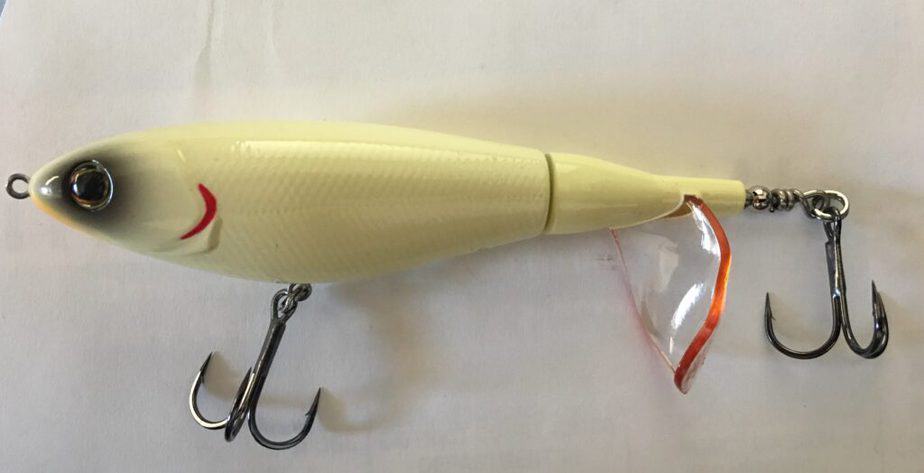
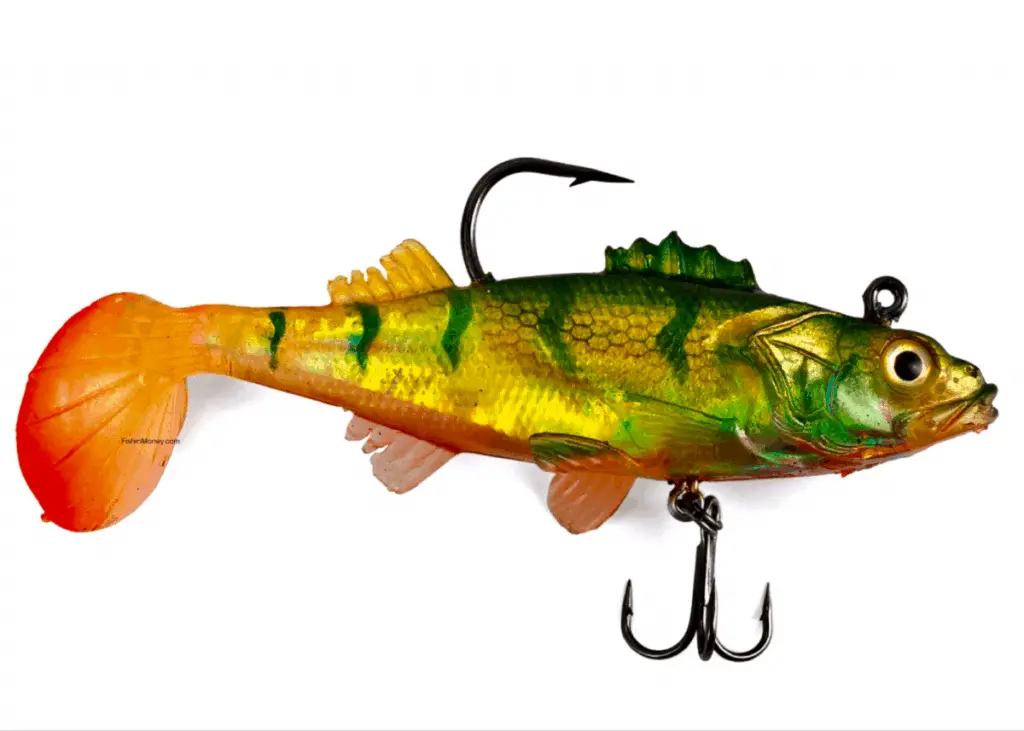
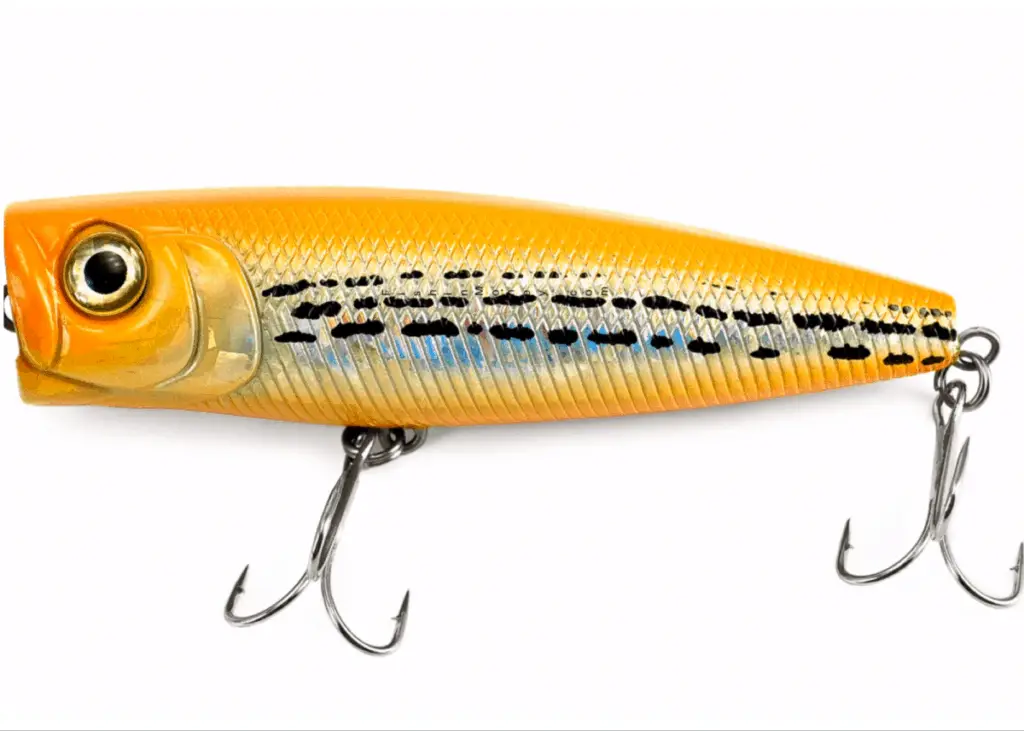
    The first thing you should make sure you have is the right lure. The three main types of lures that are best for catching bass are crank baits, spinner baits, and plastic worms. You can use any of these successfully at any time of the year, but one conscious choice you will have to make is the choice in color. Usually, you should have two of each lure in your tackle box: one in a natural color, and one in a vibrant color.

    Crank bait are tiny lures that look like small, live fish. There are two hooks, with three points each for each lure – one at the tail, and one under the belly. They also have a flat plastic area on the lip of the fish. Spinner baits have two main parts – one arm that has large, curved metal blades, while the other arm is the same length, but with a hook on the end. Sometimes, the hook is covered in a plastic wig that hides the hook or hooks. The spinner arms are often also shaped like a fish, making them look like the crank fish. If you want to fool the fish into thinking the bait is injured, be sure to use a spinner bait with a red or pink head. This works particularly well in shallow cover, around wood, stumps or clumps of grass.

    Plastic worms look like large earthworms and have a hook embedded into them. They’re effective, as the fish is hooked as soon as they try to eat the worm, but requires more patience. A pro tip from professional anglers is to save the plastic worms that have gotten torn up from prior fishing trips. Bass like to ambush wounded prey, so a beaten worm is perfect to attract bass, especially in shallow water.

    Alternatively, if you don’t want to use lures, you can also use live bait to trap your bass. Some common types of live bait to use are worms, minnows or crawfish. Worms are easiest, since you can keep them refrigerated in dirt if you don’t use them all in one trip. They’re also easy to keep and carry around. Crawfish and minnows are harder to handle because you must keep them in a water bucket while you fish. If you’re going to use minnows, bass prefer the shinier ones, and ones of the creek variety. Alternatively, you can use frogs, insects or salamanders.

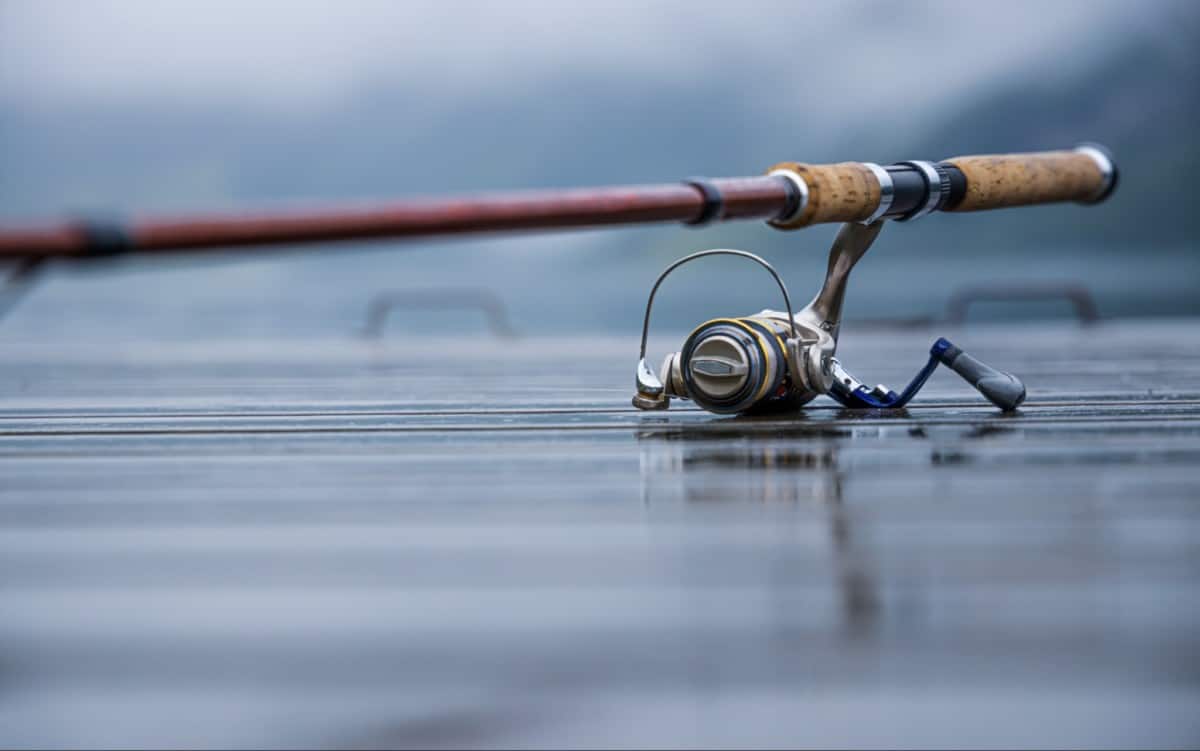
    Next, you can pick from two preferred reels for bass fishing. The main difference between the two is the level of experience needed by the person doing the fishing. A more experienced fisherman can use a spinning reel, also known as an open-faced reel, since it requires more dexterity to maneuver. A spin cast reel, also known as a closed face reel can be used by a beginner, since it doesn’t demand any advanced moves.

    The power of a rod is its weight capacity, and it’s usually indicated on the side of the rod. If you plan on catching larger bass, you need to rod with medium to medium light power. If you’re catching smaller bass, you just need a rod with lighter power.

    Choosing When and Where to Fish

    It’s widely agreed among the fishing community that the best time to fish for bass is during the pre-spawn. This is when fish are waking up from the winter inactivity to start the mating cycle. To start, the water temperature will begin to rise to about 55 or 60 degrees, and the males and females will rise within the waters to interact with each other. Due to them being dormant for so many of the colder months, they generally emerge quite angry and aggressive during the pre-spawn. This pre-spawn period usually falls around the early spring, and lasts the whole season.

    During pre-spawn, you can catch bass closer to the shore, and closer to the surface of the water. However, remember that if you catch a female during this period, you should let her go so she can next and populate the water with more bass.

    No matter the season you end up fishing for bass in, be sure to use a map to strategically plan where you’ll be fishing. Proper maps will show you the depths of waters in different areas, and will point out drop-offs under the surface of the water. Since bass typically lurk near the bottom during non-peak times, it’s good to linger in these areas, especially during pre-spawn.

    Further, it’s important to consider the time of day when it comes to searching for bass. The best time of day to catch bass is in the early hours of the morning and the last few hours of the day. The bass is more at ease with biting when the sun isn’t overhead, so getting to it either an hour before sunrise or after sunset is always a good idea. Bass don’t like direct sunlight, so look for shaded areas if you’re there during the day – anywhere away from extreme light and heat. They also like to be near areas that are covered, so you can fish near objects, vegetation or obstructions in the water, like a fallen stump or tree in the water. Of course, you’ll have to be more careful that your lures or hooks don’t get stuck on these objects.

    A trick to getting under docks and other structures is to stop halfway instead of following through when casting your bait. This makes the lure hit the surface of the water a few feet ahead of your target, sending the lure skittering across the water.

    The ideal weather condition is a cloudy day with a light breeze as this allows fish to roam and get comfortable cruising up to shallower depths, and feeding on anything in their paths. These conditions are ideal for fishing top water baits over vegetation, rocky points, or a big sand flat. This could very well be one of the most exciting ways to catch bass, since you can see everything as it happens.

    If the sun gets high on a warm day, the smallmouth bass will push down to deeper water. In this case, the best thing to do is to toss a tube out and let it sink to the bottom, slowly dragging it back to the boat. If you get a bite and the tube slows down, you can use the drop shot technique to put more fish in the boat. However, it’s important to remember that smallmouth can still be in shallow water, and a wacky rigged bait placed near a dock, tree, or vegetation will entice anything nearby to come out and eat. In short, this technique catches fish…not necessarily bass.

    Now on the other hand, largemouth bass can be easier to track at times, with a high sun. They become easier to pattern as they gravitate towards vegetation with overhanging cover like lily pads, eel grass, arrowheads, and the like. You can bait it up close and personal, by putting your bait in the fish’s face. If you drop it near them, a bite will come quickly, so you’ll have to be ready to set the hook and get your fish out.

    On windy days where boat control can be difficult, head over to a wind-blown point, shoreline, or shoal and set yourself up facing into the wind. The wind acts like a current, delivering bait to the fish who are waiting for an easy meal. Your aim should be to bring your bait right into their faces.

    Another thing to consider is how to find the right location to fish, having considered what size bass you’re tracking. If you want to learn how to catch bass, the first thing you need to know is how to locate the ideal habitat for this warm water fish species. Largemouth bass will more likely be found in shallower areas of freshwater ponds, lakes, reservoirs, and slow-moving rivers that contain some type of cover in the form of vegetation, brush, trees, or structure. One of the key largemouth bass fishing tips to remember is that you’re more likely to find these fish close to cover. Regardless of whether you are fishing from the shoreline or from a boat, you should gravitate towards any submerged trees, vegetation, docks, bridges, or changes in bottom depth. Just as when learning how to fish for any other species, finding spots that offer cover or structure is a good first step.

    Learning the Proper Techniques

    If you decide to catch bass with crank bait, you’re tricking the bass into striking, since your bait holds the appearance of injured, weak fish in the water. To use the crank bait, decorate your line with lure and cast your pole into the lake. If you are fishing in a calmer body of water, make sure you’re using steady, even pulls and reels with the bait to mimic a live fish. If it’s windy or the waters are choppy, switch between fast and slow reeling.

    Spinner baits have bright, spinning blades that attract the attentions of bass and pulls them close, since the movement bothers them. The problem with spinner baits is that bass often bite at the blades instead of the hook, making it more difficult and time-consuming to hook a bass.

    Using a worm for bait is probably the easiest of all methods, since all you need to do is cast your worm-adorned line into the water, and let it sink to the bottom while you wait. You don’t need to do anything else, except be sure to add weight to your worm to ensure it sinks down to the bottom.

    Bass are extremely attracted to live prey. If you want to hook the fish with live bait, the best technique is to constantly move around your line to mimic the live fish, worm or frog. Since your bait is either completely dead or almost there, you need to either keep reeling your pole either in and out or back and forth.

    Bass have boney jaws, so be sure to sharpen your hooks, to better penetrate the fish. Also, once you catch your first bass and put it in the livewell, you can see what it was feeding on. Bass are known for spitting up what they were eating, which will help you to decide which lure to cast for the rest of the day.

    Of course, this wouldn’t be a complete article on how to catch bass without discussing the drop shot rig. You can fish drop shot rigs in any type of water, including deep waters, shallow waters, and all in between. A drop shot rig consists of line tied to a hook with a trailing leader that comes to an end with a weight, so that the weight is at the bottom and the hook and bait are above it. While you have the option to choose from many hooks, weights, and bait options for your drop shot rig, we’ll only be discussing a general set-up.

    Since the drop shot rig is a delicate technique, you’ll need to choose a light line with low visibility. You can use fluorocarbon in 6-8 lbs., or a lighter braided light with a 2-foot fluorocarbon leader – both are great choices. Next, you need to a split shot or drop shot hook, preferably size 1-1/O. These are perfect for finesse fishing and most companies have good drop shot hooks to choose from. These are generally great for close range baiting, providing the most action and natural motion. Most drop shot weights possess a crimped swivel that makes it easy to clip onto your line, but weights from 1/8 oz. to ¼ oz. that you can tie on will also work, but use your own discretion. It depends on the roughness of the water and other variables.

    Nose hooking the bait is a good way to start, but you can also do wacky rigging or Texas rigging with a straight shank or wide gap hook. Firstly, you’ll need to take the drop shot hook in between your fingers and put the line through the top of the hook eyelet, and then pull it through enough that you will have at least a foot or more tag end to make a leader. After you have enough line, you should make a loop with it and thread the line back through the bottom of the hook. While holding the loop on the bottom side of the hook and leaving a longer tag end on the top side, you should make a single knot with the loop and take it over the front of the hook, giving you the makings of a knot. Next, you should wet the line with saliva and cinch it tight, leaving you with a tag end. With that end, you will next take it through the top of the hook and pull it tight to cinch the hook straight on the line. Then, just put your weight on the line by clipping it on the tag end or tie it if necessary. Once you’ve done all that, you have a drop shot rig!

    If you pair the best early season bass lures with the best fishing techniques, you can hook a bass no matter where they are hiding. If you’re heading out to do some bass fishing, a little extra help never hurt. Here are a few more early spring bass fishing tips to set you up for success this season:

    • Cast for repeat results: One of the best tips for early spring bass fishing success is to keep note and pay close attention to what is working for you and what is not. Since bass behavior changes often with the fluctuating weather and temperature in spring, each day on the water may call for a different approach. Once you find a technique that wins you a bite, repeat the same cast and retrieve to catch a few more – but never get too comfortable, as there are many factors at play.
    • Fish out the area: Bass usually congregate in the same areas in spring — meaning if you catch one, you may catch a dozen more in the same spot. After your first catch, continue casting in the same area. If you do not get a second bite, try different angles in the same area before moving to a new spot.
    • Pay attention to water conditions: The constant change in spring weather can make it a challenge to locate bass. However, by paying close attention to the water conditions, you can find bass more quickly on each subsequent spring fishing trip. Once you find an area where bass is congregating, take a mental note of the water color, depth, temperature and bottom conditions. Consider the location of the ridge or point relative to channels and flats. This information and data will help you track down bass more quickly next time!
    • Watch for birds: When fishing with jerkbaits or crankbaits, watch for areas where birds are diving to catch dying baitfish. These will often be spots where hungry bass are also congregating and where jerkbaits and crankbaits will be most effective.
    • Use the wind to your advantage: On spring days when the water is clear, bass can see your bait more clearly and be more cautious with regards to biting. On the positive side, wind can help to disturb the surface of the water to attract bass better. If you are not getting any bites on a clear lake, try again when the wind picks up.
    • Fish the mudlines: If you are having trouble locating bass on a spring day, you should look for mudlines created by wind and waves. Bass will often hide along the edges of mudlines where they have the advantage over baitfish which are drawn there to feed on plankton. You can benefit from using brightly colored lures, drag your line across a mudline from the muddy water into the clear water. Bass will usually strike just as the bait emerges.

    With the right techniques and a little bit of luck, you can reel in a big bass to start the season right.

    At the end of the day, fishing is like any other sport – the more you practice, the better you get. Keep learning and keep fishing!

    Related Questions

    Where should I hook the live bait? The most popular place to hook them is in the middle of the side, towards the top. This allows them to swim around more easily when submerged. Keep in mind that you should be careful not to puncture the swim bladder.

    What pound of line do I need to catch bass? For larger fish, I will usually try and hit 10 lbs. Since in bass habitat you’ll generally find a ton of lily pads or other vegetation, so you need to make sure that your line is strong enough to get the fish through those weed structures.

    How much of it is attributable to luck? In an investigation which spanned more than 20 years, researchers at the University of Illinois offered an explanation as to why fishing success in certain lakes varies from year to year. The simplest explanation of the results of the investigation is that some bass is just easier to catch than others, and that there is a vulnerability trait can be passed onto their offspring. In short, once all the easy fish are caught, only the tougher fish and/or their progeny remain.

    Four years after the start of the research project, the lake was drained and approximately 1,700 fish were collected – 200 of which had never been caught before. The bass was then sorted, and the 200 were designated as Low Vulnerability (LV) bass and released, since they were not prone to being caught. Those caught four or more times were designated as High Vulnerability (HV) fish and released into different ponds to spawn. The progeny of the two lines were then marked and released into common ponds; this process was repeated for several generations over 20 years.

    It was found that the offspring of HV fish were easier to catch than the offspring of LV bass, even after generations of breeding. With bass, females lay the eggs but leave the caregiving to the males, which guard the nest and stay with the offspring for 8 to 10 days after they hatch. If a male happens to be an HV parent, it’s not surprising if they take off from the nest site, leaving offspring vulnerable to predators. Meanwhile, nests guarded by LV males, which are better at resisting lures, remain intact, and their progeny maturing into fish that are good at resisting baits. That’s the luck factor that plays a part in bass fishing, so be sure to keep track of where the HV bass are!

  • Where To Fish For Bass In The Spring

    Where To Fish For Bass In The Spring

    There is no better time than the spring to fish for the most iconic catch in the US, the Bass. When you are a seasoned fisherman, there is nothing more exciting than catching this largemouth fish that turn into aggressive lake monsters due to the warm spring waters.

    Anglers love fishing for bass due to their fighting prowess, huge appetite, and airborne acrobatics when thrown off the hook. In this article, I will go through spring bass fishing locations in the U.S, to help you stay ahead of the competition. If you were planning to catch a bass this weekend then you have come to the right place.

    1. Lake Seminole, Georgia

    Right on the border of Florida and Alabama is Lake Seminole, home to bass fishing in Georgia. The 400-mile shoreline provides you with one of the best places to catch largemouth bass fish. Pick a spot anywhere on the shoreline and get casting immediately.

    What makes it one of the best locations for bass fishing is the abundance of rocks, grass, sunken logs, and bushes. Bass are eager to spawn during spring after foraging deep waters during winter. They, therefore, look for these shallow areas especially spots that have some kind of structure.

    2. Ross Barnett, Mississippi

    Many outdoor enthusiasts love this man-made reservoir located a few miles out of Jackson. This reservoir (Ross Barnett) was the location for the Bassmaster Classic World Championship that was held back in 1978. It is also home to the popular Ross Barnett Open that attracts a lot of competitors.

    It’s a nice spot with beautiful scenery that makes it ideal when you want to catch bass and relax at the same time. You probably know that bass move closer to the water surface during this period and it won’t be difficult to spot them. Consider looking at the rubble, rocks, and lily pads for a bigger catch.

    3. Lake Okeechobee, Florida

    Florida attracts anglers in search of Redfish and Tarpon from all over the US during the spring. However almost everyone gets turned around at one point or the other to Lake Okeechobee for bass fishing. This location hardly disappoints and you can also get a great catch.

    At Lake Okeechobee, you could get a catch that weighs more than 7 lb while they are busy looking for a spawn. There is plenty of vegetation around the shallow waters with a lot of lily pads that make this a great location for bass fishing. Lake Okeechobee, referred to as the ‘Big O’ by local anglers, never disappoints and is worth the trip.

    Country singer Drew Parker Telus fishing stories

    4. Lake Norman, North Carolina

    You have probably heard of Lake Norman which is popular among anglers since you can land impressive bass catches any time of the year. The docks act as spectacular fishing spots for the bass that use them as hide-out locations.

    However, make sure that you don’t limit your search to just the docks, move around. There are plenty of locations with amazing cover that you need to watch out for such as the creeks. Yes, the main lake has loads of bass but make sure that you take some time to enjoy the scenery.

    5. Realfoot & Kentucky lakes, Tennessee

    Realfoot offers a great location for bass fishing throughout the year but especially during spring. At this time the fish are moving all over trying to find an ideal location for a spawning bed. You will need to move around since there are several good spots all over including trees and island patches. The train is quite diverse and you can always make an adventure out of your fishing experience.

    Kentucky lake gives you access to some premier spots for bass fishing due to their numerous chunk rock banks. Chances are that you could catch your next monster fish at the shores of Kentucky Lake. The secret is exploring the transitional waters that are near the shallows. Bass fishing in the Kentucky Lake is fun and you could always take advantage to make an outing of the whole experience.

    6. Lake Fork, Texas

    Lake Fork is known by many as the bass fishing capital of Texas where you can catch a 15-pounder with little effort. You, however, need to take advantage of the first warm days when not a lot of anglers have made their way to this location.

    Make sure that you look at lake pockets, marshy inlets, and flat covers where bass could be hidden. Since there is a lot of cover at this location, you need to be systematic in your approach. At this time, the bass will be following the baitfish that are quickly moving towards warm waters. Try to search around all locations where there is a little bit of grass.

    7. Guntersville Lake, Alabama

    One of the locations that get most bass fishermen hyped during the spring is certainly Guntersville Lake. It provides easy access to fisheries, stable water levels, and several public boat ramps that make it an ideal location for bass fishing.

    Guntersville Lake has a lot of patches of eelgrass and spring is the right time to start your exploring. What I found most interesting about this location is the abundance of area guides by acclaimed Bass Masters. You could always use this time to learn a few tricks from some of the best Bass fishermen in the U.S.

    Conclusion

    When bass fishing there are a lot of factors that you need to consider apart from location including the lures, and weather. Bass tend to be more aggressive when it is raining or cloudy since they are in pursuit of food. You also need to have several fishing lures including spinnerbaits, jigs, and jerk baits.

    The above are the top 7 best locations for bass fishing but that does not mean that there are no other great locations in the U.S. Make sure that you carry out sufficient research and exercise patience when bass fishing. Hopefully you have learned the essentials when it comes to bass fishing and you can hit one of the locations this weekend.

    P.S. Be sure to follow me on YouTube.